
Fast, reliable pest control from Hernando County’s most trusted family-owned team—with most quotes given over the phone.
Contact Info
Fast, reliable pest control from Hernando County’s most trusted family-owned team—with most quotes given over the phone.
Contact Info
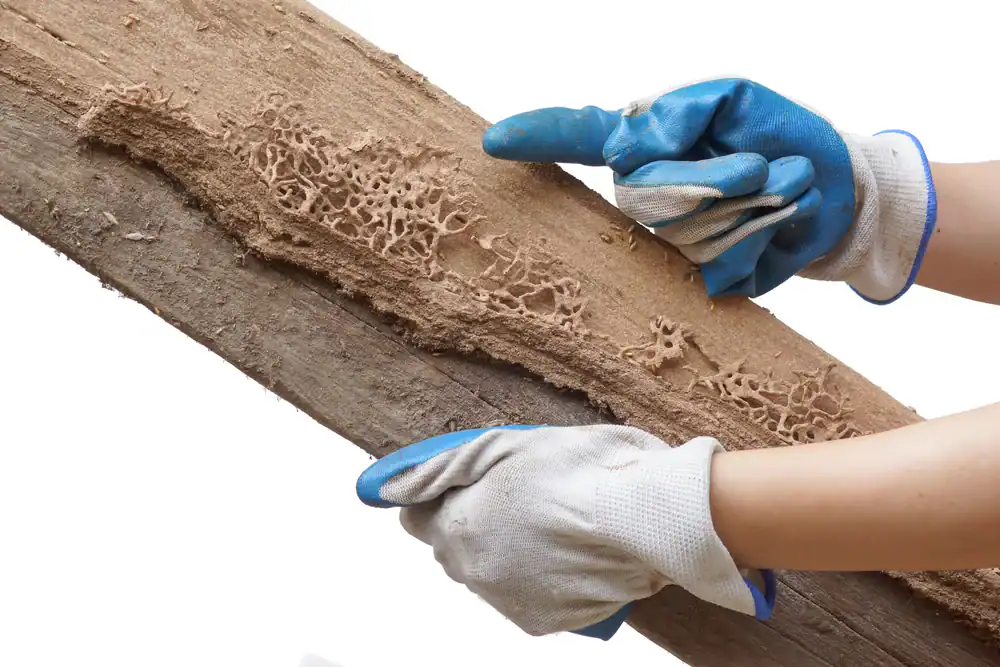
You’re not dealing with visible damage yet. No mud tubes on your foundation, no swarming insects in spring, no sagging floors or hollow-sounding wood. That’s the point.
Termite prevention services in Spring Hill, FL work because they stop the problem before it starts. In Beacon Square, where 13 subterranean termite colonies exist per acre, your home is surrounded. These pests need just a 1/32nd-inch crack to get inside, and once they do, they can feed undetected for three to five years.
The difference between prevention and reaction is about $8,000 to $12,000 in repair costs your homeowner’s insurance won’t cover. You get to skip that bill entirely. You also get to skip the stress of wondering whether that soft spot in your floor is cosmetic or structural, whether you’ll need to rip out drywall, or whether you’re about to lose equity in your biggest investment.
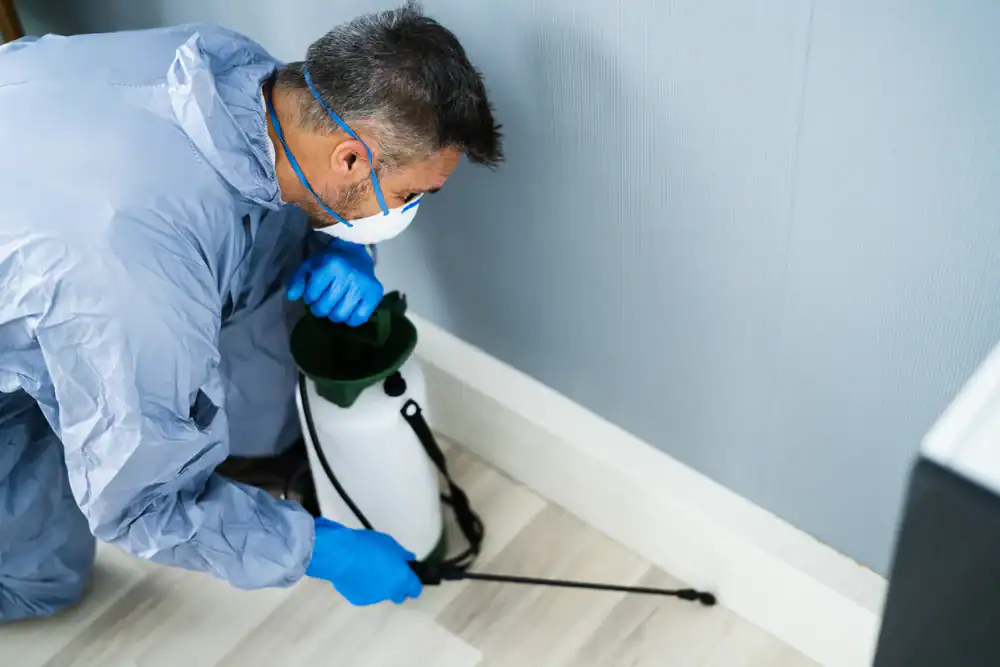
What you get instead is straightforward. An annual termite protection plan that keeps your property defended year-round, regular monitoring so you’re never guessing, and direct communication with someone who answers the phone and shows up when they say they will.
We’ve been protecting homes in Hernando County and surrounding areas for over 14 years. You’re not calling a call center or getting routed to a regional manager. You’re talking directly to the owner, getting quotes over the phone, and reaching someone seven days a week, even on weekends.
That matters in Beacon Square, where most homes were built in the last few decades and sit in a climate that keeps termites active all year. Florida’s warm, humid environment means there’s no off-season for these pests. You need someone who understands local construction, local soil conditions, and how termites behave in this specific area.
We’re state-certified, locally established, and backed by over 100 five-star Google reviews. We also offer discounts for new homeowners and military families, because we live here too and understand what it takes to maintain a home in this market.
First, you call and talk to the owner directly. Most quotes are provided over the phone once we understand your property size, construction type, and any visible concerns you’ve noticed. If you want an in-person inspection, we schedule that fast, usually within 24 hours.
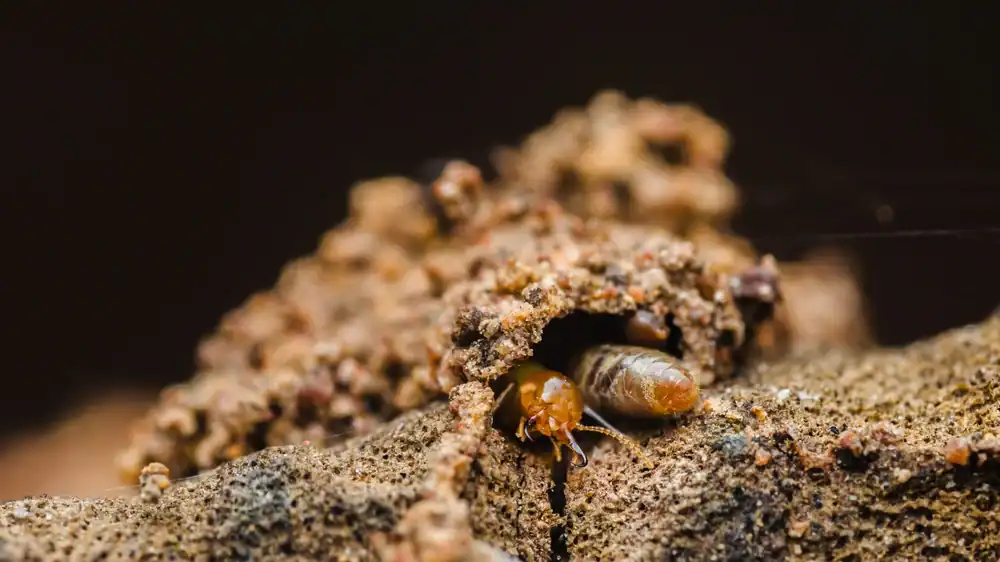
During the inspection, we check your foundation, crawl spaces, attic, and any areas where wood meets soil. We’re looking for mud tubes, moisture issues, wood damage, and entry points. We also identify which termite species you’re dealing with, because treatment varies between subterranean and drywood termites.
Once we know what you’re up against, we recommend a treatment plan. That might be a liquid barrier around your foundation, a bait system that targets the colony, or a combination depending on your property. We explain what each option does, what it costs, and how long it lasts.
After treatment, you’re covered under an annual termite protection plan that includes monitoring and reapplication as needed. You’re not paying for one-time service and then hoping for the best. You’re getting ongoing defense that adapts to your home and the season.

Ready to get started?
Termite prevention services in Spring Hill, FL typically range from $400 to $1,000 annually depending on your home’s size and the treatment method. That’s significantly less than the $8,000 to $12,000 average repair cost Florida homeowners face after an infestation, and it’s a fraction of the $500 million in termite damage reported across the state each year.
You’re paying for a liquid barrier or bait system that creates a defensive perimeter around your home. You’re also paying for regular monitoring, because termites don’t stop trying to get in just because you treated once. In Beacon Square, where the soil stays warm and moist year-round, colonies remain active in every season.
What’s included is the initial treatment, follow-up inspections, reapplication when needed, and direct access to someone who will actually pick up the phone if you see swarming insects or notice something off. We also provide WDO inspections for real estate transactions, which many lenders require before closing.
The cost is predictable, the process is transparent, and the alternative is a lot worse. You’re not gambling on whether termites will find your home. In this area, they will. You’re deciding whether you want to stop them early or pay for the damage later.
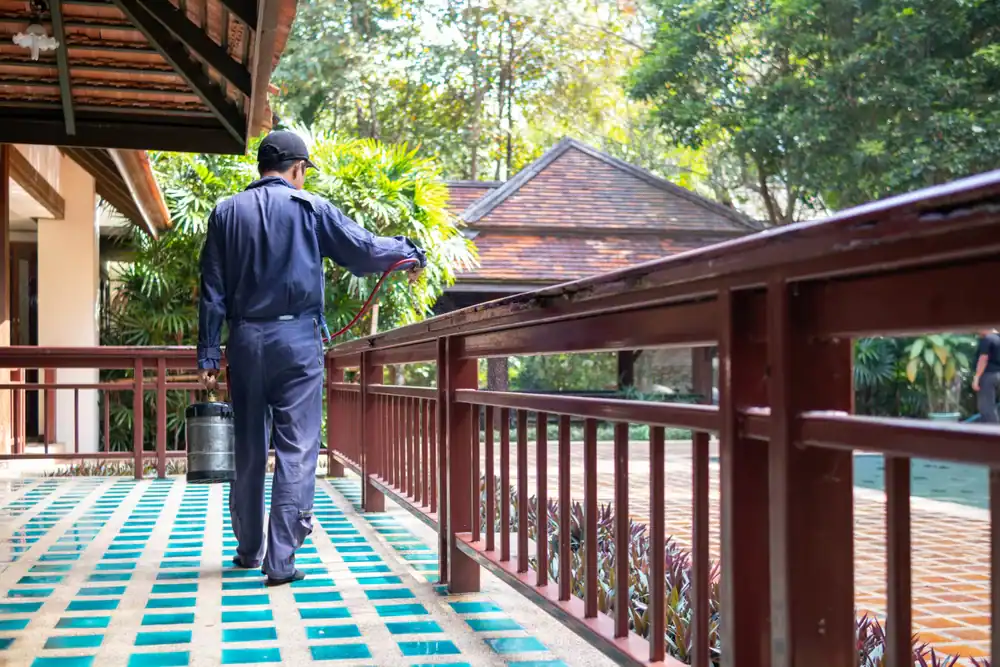
If you own a home in Beacon Square, you need it. Florida has 13 subterranean termite colonies per acre, which means your property is surrounded. Termites don’t care if your home is new or old, wood-frame or concrete block. They’ll find a way in through cracks as narrow as 1/32nd of an inch.
You won’t see them until the damage is already severe. Most infestations go unnoticed for three to five years because termites feed inside walls, under floors, and in areas you don’t regularly inspect. By the time you notice sagging floors, hollow-sounding wood, or mud tubes on your foundation, you’re looking at thousands in repairs.
Prevention is the only strategy that makes financial sense. Your homeowner’s insurance won’t cover termite damage because it’s considered preventable with regular maintenance. That means you’re paying out of pocket for every repair, every piece of replaced wood, and every structural fix. An annual termite protection plan costs a fraction of that and keeps your home defended year-round.
Prevention happens before you have an active infestation. Treatment happens after termites are already feeding on your home. Both use similar methods like liquid barriers and bait systems, but the goal and timing are different.
With prevention, you’re creating a defensive perimeter that stops termites from ever establishing a colony in your structure. You’re treating the soil around your foundation, monitoring for early signs of activity, and reapplying as needed to maintain that barrier. It’s proactive, and it’s a lot less expensive than dealing with damage after the fact.
Treatment means you already have termites inside your home. At that point, you’re not just stopping future colonies, you’re eliminating an active infestation and repairing whatever damage has already occurred. That’s where costs escalate quickly, especially if the infestation has been going on for years without detection. Prevention keeps you out of that situation entirely.
Annual termite protection plans are standard in Florida because the climate keeps termites active year-round. Unlike northern states where cold weather slows termite activity, Spring Hill’s warm, humid environment means colonies never go dormant. They’re feeding, reproducing, and expanding every month of the year.
Most liquid treatments last about 12 months before they need reapplication. Bait systems require regular monitoring to ensure the stations are still effective and haven’t been depleted. Either way, you’re looking at yearly service to maintain continuous protection.
Some companies offer quarterly pest control that includes termite monitoring as part of a broader plan. That works if you’re also dealing with ants, roaches, or other pests common in this area. The key is making sure someone is checking your property regularly, not just treating once and disappearing for years.
No. Termite damage is specifically excluded from most homeowner’s insurance policies because it’s considered preventable with regular maintenance. That means if you discover an infestation and need to repair structural damage, replace wood, or fix your foundation, you’re paying for it entirely out of pocket.
The average termite repair bill in Florida ranges from $8,000 to $12,000 per incident, and severe infestations can cost significantly more depending on how long the termites have been feeding. If they’ve compromised load-bearing walls, floor joists, or roof structures, you’re looking at major construction work.
That’s why prevention is critical. You’re not just avoiding the inconvenience of an infestation. You’re avoiding a financial hit that could wipe out your savings or force you to take out a loan just to make your home livable again. An annual termite protection plan costs a fraction of that and keeps you from ever facing that scenario.
Most homeowners don’t see signs until the infestation is advanced. Termites feed inside walls, under floors, and in hidden areas where they’re protected from light and air. By the time visible damage appears, they’ve usually been active for years.
The most common signs are mud tubes on your foundation or exterior walls. Subterranean termites build these tunnels to travel between soil and wood without being exposed. You might also notice wood that sounds hollow when tapped, sagging floors, doors or windows that suddenly stick, or small piles of wings near windowsills during swarming season, which in Florida can happen year-round but peaks in spring.
If you’re buying or selling a home, a WDO inspection will catch termite activity even if you don’t see obvious signs. Inspectors know where to look and what to look for, including early-stage damage that’s easy to miss if you’re not trained. If you’re already living in your home and haven’t had an inspection in a few years, it’s worth scheduling one just to confirm you’re clear.
You can reduce risk with basic maintenance like fixing leaks, keeping mulch away from your foundation, and sealing cracks in your concrete. But you can’t create the kind of barrier that actually stops termites from getting inside. That requires professional-grade products, proper application, and knowledge of how termites behave in Florida’s climate.
Over-the-counter termite treatments don’t penetrate deep enough into the soil or last long enough to provide real protection. Subterranean termites live underground and travel through soil to reach your home. If your barrier only treats the surface or breaks down after a few months, you’re not defended.
Professional termite protection in Florida also includes monitoring and reapplication, which DIY methods don’t account for. Termites are persistent, and a one-time treatment won’t keep them out long-term. You need someone checking your property regularly, adjusting the treatment as needed, and catching early signs of activity before they turn into full infestations. That’s not something you can realistically do on your own while managing everything else that comes with homeownership.
Other Services we provide in Beacon Square