
Fast, reliable pest control from Hernando County’s most trusted family-owned team—with most quotes given over the phone.
Contact Info
Fast, reliable pest control from Hernando County’s most trusted family-owned team—with most quotes given over the phone.
Contact Info
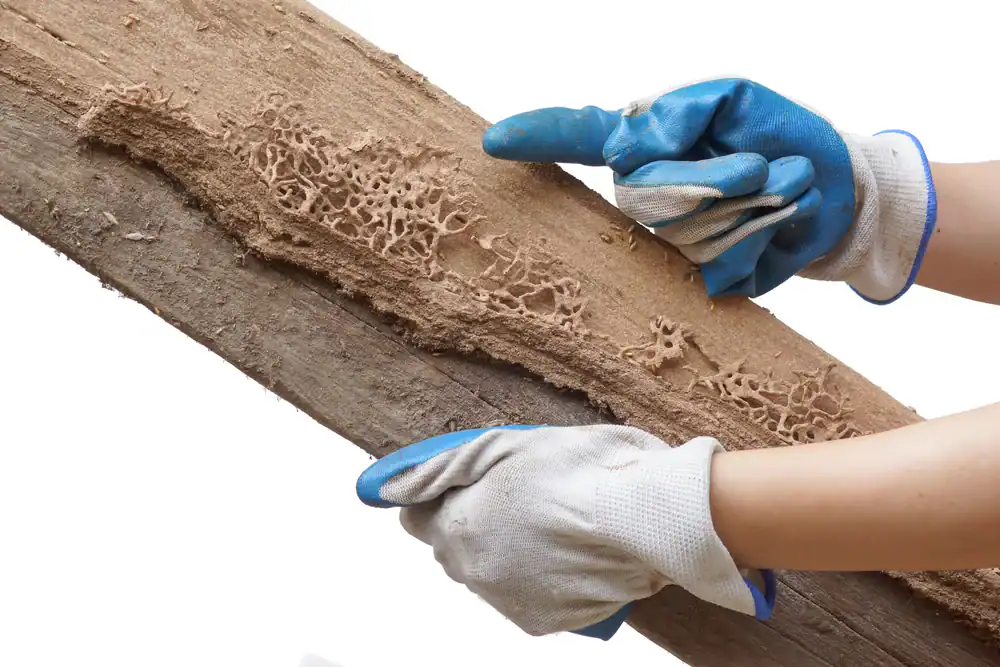
You’re not dealing with $15,000 in repair bills because termites ate through your floor joists for three years before you noticed. You’re not scrambling to find coverage when your insurance company reminds you they don’t pay for termite damage. You’re not explaining to a buyer why there’s active termite activity during a home sale.
You’ve got a barrier in place. Annual inspections that catch early signs. A plan that costs a fraction of what repairs would run you.
Termites in Hernando County aren’t a maybe—they’re a when. Florida’s warm, humid climate means subterranean termites stay active year-round, and the average acre around here holds 3 to 5 colonies. They only need a crack 1/32nd of an inch to get inside, and once they do, they can feed for years before you see any visible damage.
Prevention isn’t about fear. It’s about math. Treating your home before termites move in costs $800 to $4,000 depending on your home’s size. Repairing the damage after they’ve been feeding? Tens of thousands. And you’re paying that out of pocket.
Around The Clock Pest Service is run by a husband and wife team serving Weeki Wachee Gardens, FL and the surrounding Hernando County area. When you call, you’re talking directly to the owner—George—not a call center. Most quotes happen over the phone. If you need someone on-site, you’re not waiting two weeks.
We’re state-certified, locally focused, and built on the idea that pest control should be personal. Over 100 five-star Google reviews back that up. So do the callbacks, the repeat clients, and the referrals from people who just wanted someone to show up, do the work, and communicate clearly.
Weeki Wachee Gardens sits in one of Florida’s most termite-prone regions. The soil moisture, the heat, the wood-frame construction—it all adds up. We’ve been protecting homes here long enough to know where termites enter, what signs homeowners miss, and how to build a defense that actually holds.
First, we inspect your property. That means looking at the foundation, crawl spaces, wood-to-soil contact points, moisture sources, and any previous termite activity. We’re checking for conducive conditions—not just active bugs.
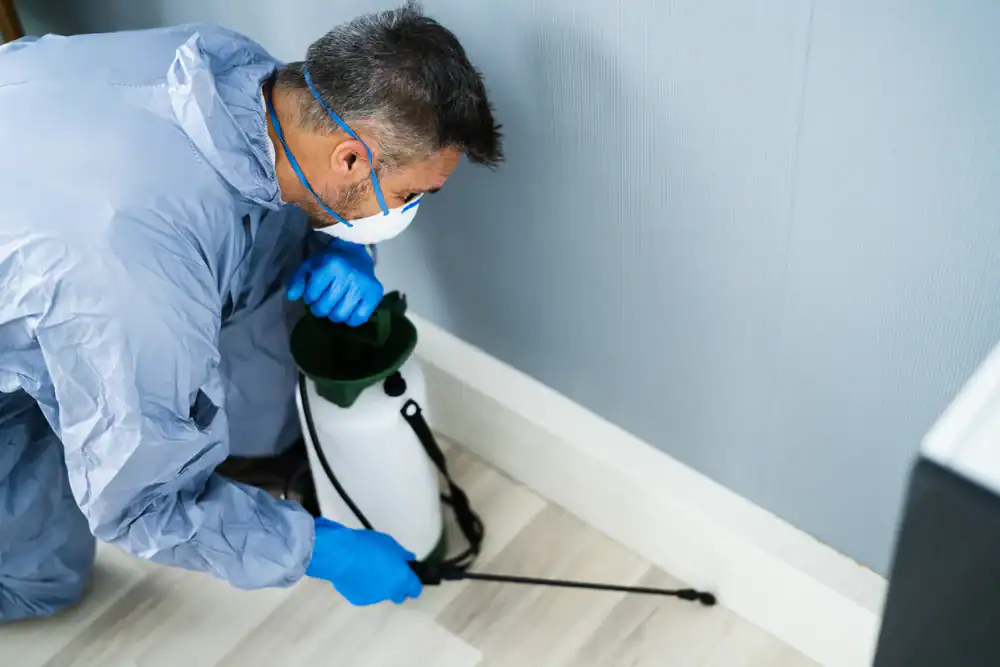
Then we apply a liquid termiticide barrier around the perimeter of your home. This creates a treated zone in the soil that termites can’t cross without picking up the treatment. It’s not a spray-and-pray situation. The application is done at the right depth, the right concentration, and in the right locations based on how your home is built.
After that, you’re on an annual inspection schedule. We come back, check for any new activity, monitor the integrity of the treatment, and make adjustments if needed. If we find early signs of termites, we catch them before they do damage.
You also get access to us directly—24/7. If you see something that concerns you between visits, you’re not leaving a voicemail with a regional office. You’re texting or calling George, and you’re getting a real answer fast.
This isn’t a one-time spray. It’s an ongoing relationship with someone who’s accountable, local, and not trying to upsell you on services you don’t need.

Ready to get started?
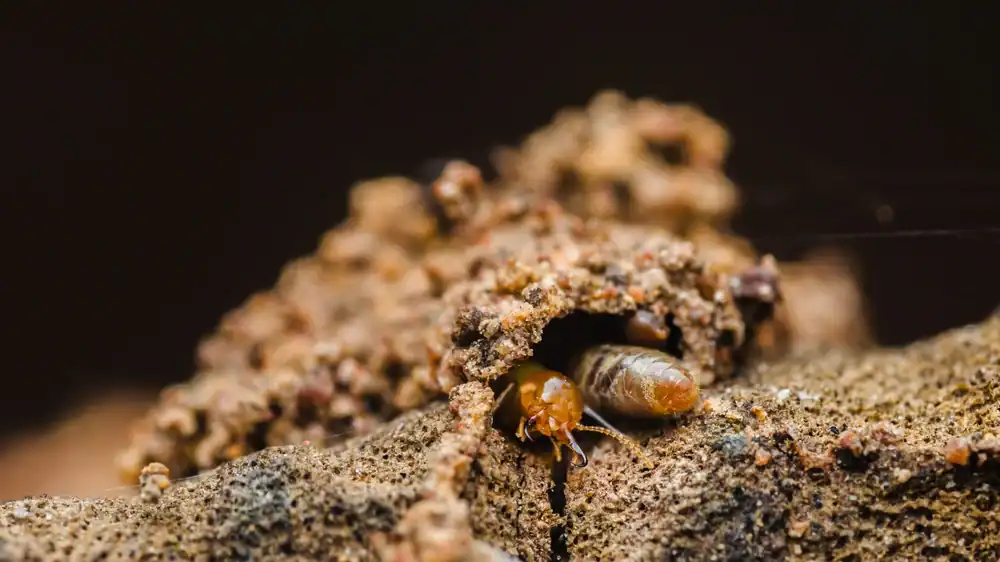
You get a full perimeter treatment with a liquid termiticide designed for Florida’s subterranean termites. That’s the species doing the damage around here—not drywood, not dampwood. Subterranean termites live in the soil and build mud tubes up into your home’s wood framing.
You also get an annual inspection. We’re looking at your slab, your crawl space, your garage, any wood piles, mulch beds, or moisture issues that make your property more attractive to termites. If something’s changed since the last visit, we talk through it.
If you’re buying or selling a home in Weeki Wachee Gardens, FL, we also handle WDO inspections—wood-destroying organism reports required for most real estate transactions. These are done fast, documented clearly, and filed properly so your closing doesn’t get delayed.
We also offer military discounts and special pricing for new homeowners. If you just bought a house in Hernando County, this is the time to get ahead of the problem—not three years in when you’re already dealing with damage.
Transparent pricing. No hidden fees. Most quotes over the phone. If you want to know what this costs before we show up, we’ll tell you. That’s how we do business.
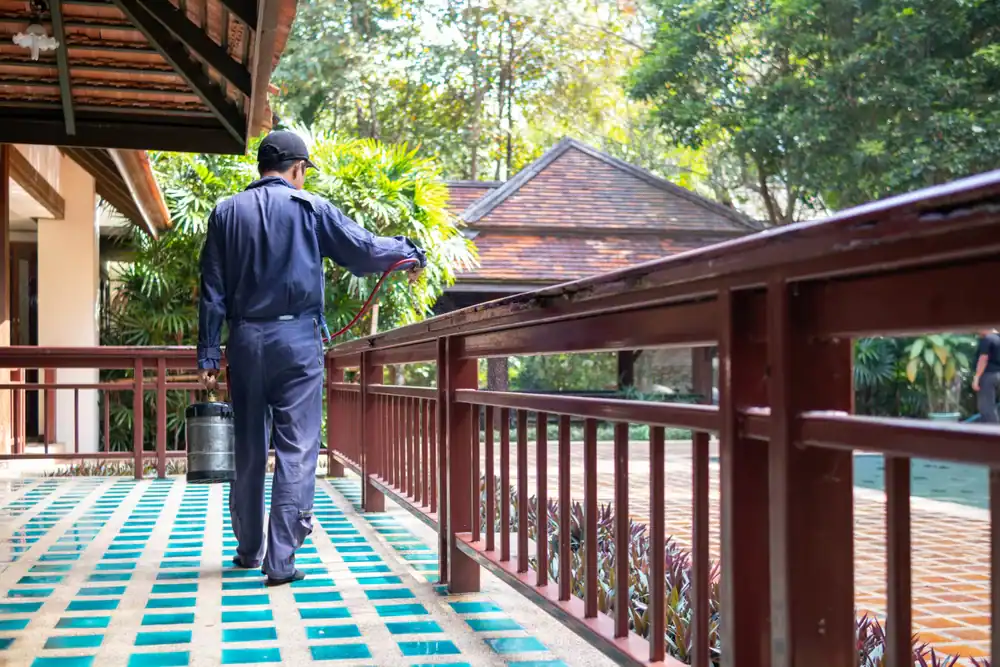
Most residential termite prevention treatments in Weeki Wachee Gardens, FL run between $800 and $4,000 depending on the size of your home, the type of foundation, and how much linear footage we’re treating. The cost breaks down to about $4 to $16 per linear foot.
That’s for a full perimeter liquid treatment with a professional-grade termiticide. It’s not a monthly fee—it’s a one-time application with an annual inspection included in most plans.
If you’re comparing that to the cost of repairing termite damage, the math is pretty clear. Termites cause around $5 billion in property damage every year in the U.S., and the average repair bill for a homeowner can easily hit $10,000 to $15,000 or more. Your insurance won’t cover it. Prevention is the cheaper move, and it’s the only one that actually stops the damage before it starts.
At least once a year. Florida’s climate keeps termites active year-round, and Hernando County has some of the highest termite pressure in the state. An annual inspection gives you a chance to catch early signs—mud tubes, frass, swarming, soft wood—before they turn into structural problems.
If you’ve had termites before, if your home is older, or if you’ve got conditions like wood-to-soil contact, mulch against your foundation, or moisture issues, you might want to inspect more often. Every six months isn’t overkill in those situations.
During an inspection, we’re checking your foundation, crawl spaces, attic, garage, and any other areas where termites are likely to enter or feed. It takes about 30 to 45 minutes for most homes, and it’s the best way to protect your investment without waiting for visible damage to show up.
Prevention happens before termites move in. Treatment happens after they’re already feeding. Prevention is cheaper, less invasive, and keeps your home protected long-term. Treatment is reactive—you’re paying more to eliminate an active infestation and repair whatever damage has already been done.
A prevention plan typically involves applying a liquid termiticide barrier around your home’s perimeter and scheduling annual inspections. The goal is to stop termites from ever getting inside in the first place.
Treatment, on the other hand, usually means more extensive work—localized treatments, baiting systems, fumigation in some cases, and then follow-up monitoring to make sure the colony is eliminated. You’re also dealing with repair costs for any wood that’s been damaged. The average homeowner in Hernando County pays significantly more for treatment and repairs than they would have spent on prevention. It’s not a scare tactic—it’s just how the numbers work.
No. Most homeowners insurance policies in Florida specifically exclude termite damage because insurers consider it preventable. You’re responsible for the cost of treatment and any repairs that need to happen after termites have fed on your home’s structure.
That’s one of the biggest misconceptions people have when they find termites. They assume their policy will cover it, and then they get the denial letter. The insurance company’s position is that you should have been inspecting and treating your home regularly—especially in a high-risk area like Weeki Wachee Gardens, FL.
This is why prevention matters. You’re not just protecting your home from damage—you’re protecting yourself from a five-figure repair bill that you’ll be paying out of pocket. A prevention plan costs a fraction of what you’d spend fixing damaged floor joists, wall studs, or roof framing after termites have been feeding for a few years.
Most liquid termiticide treatments last about five years when applied correctly, but you should still have your home inspected annually. The treatment creates a barrier in the soil around your home’s foundation, and as long as that barrier stays intact, termites can’t cross it without picking up the chemical.
Over time, factors like soil movement, heavy rain, landscaping changes, or new construction can affect the treatment zone. That’s why annual inspections are part of the plan. We’re checking to make sure the barrier is still doing its job and that no new entry points have opened up.
If we find any issues during an inspection, we can do a spot treatment or reapply in specific areas without having to retreat the entire perimeter. The goal is to keep your home protected year after year without unnecessary retreatments or gaps in coverage. You’re not starting from scratch every time—you’re maintaining a defense that’s already in place.
Florida has the perfect environment for termites—warm temperatures year-round, high humidity, and soil with plenty of moisture. Subterranean termites don’t go dormant here like they do in colder climates. They’re active 365 days a year, and they reproduce fast.
Hernando County specifically has around 13 subterranean termite colonies per acre. That’s not an exaggeration—it’s based on research from the University of Florida. Your property doesn’t have to be neglected or run-down to attract termites. They’re already in the area, and they’re looking for food sources, which means any wood in contact with soil or moisture.
Florida also has a lot of wood-frame construction, which makes homes more vulnerable. Add in things like mulch beds, landscaping timbers, wood piles, and poor drainage, and you’ve got a setup that termites will find sooner or later. The question isn’t whether termites are nearby—it’s whether your home is protected when they show up.
Other Services we provide in Weeki Wachee Gardens