
Fast, reliable pest control from Hernando County’s most trusted family-owned team—with most quotes given over the phone.
Contact Info
Fast, reliable pest control from Hernando County’s most trusted family-owned team—with most quotes given over the phone.
Contact Info
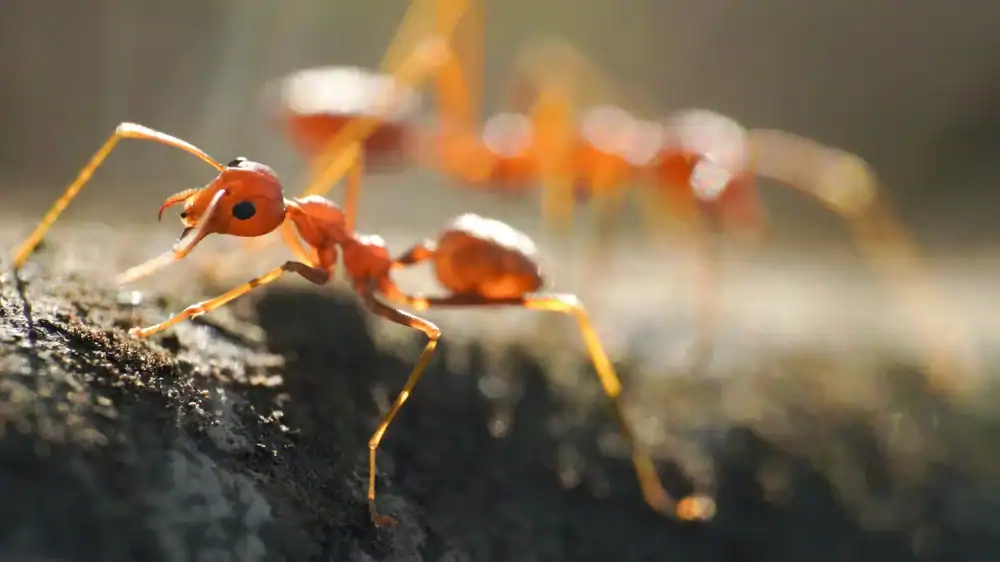
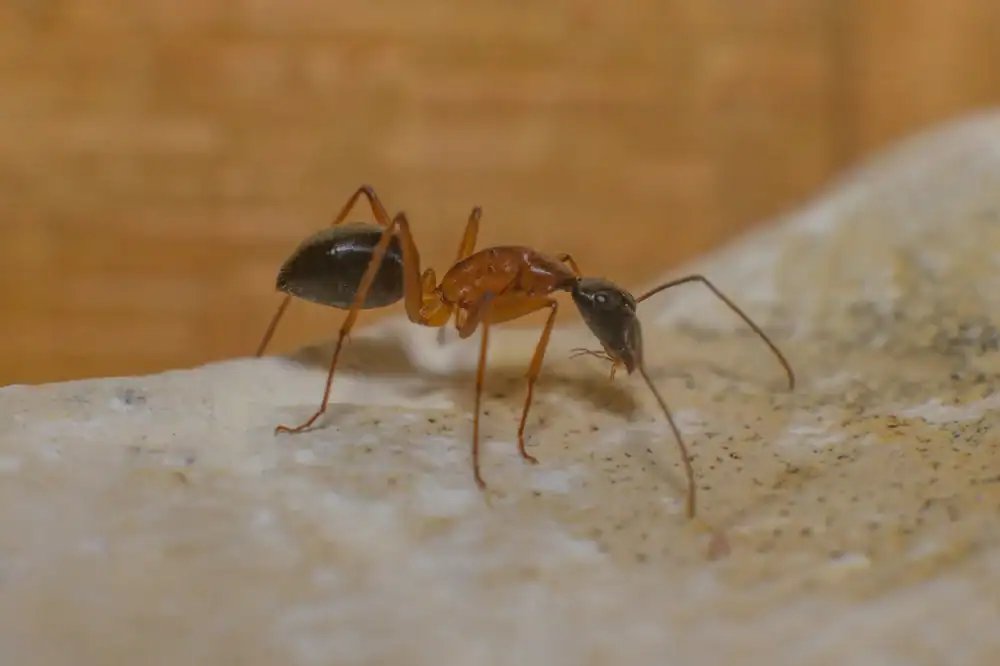
When you’re living at the end of Pine Island Drive with the Gulf of Mexico at your doorstep, ant pressure doesn’t follow the same seasonal rules that inland Florida homeowners deal with. The salt marshes, tidal creeks, and brackish waterways surrounding Pine Island keep moisture levels elevated year-round — and moisture is exactly what ghost ants, carpenter ants, and sugar ants are constantly searching for. One heavy rainstorm and a flooded outdoor nest can send hundreds of foragers straight into your kitchen before you’ve had your morning coffee.
The older wood-frame homes and coastal cottages on Pine Island face a specific threat that newer construction in Spring Hill or Weeki Wachee doesn’t: decades of Gulf air and humidity have softened exterior trim, window frames, and deck boards in ways that carpenter ants are very good at finding. A carpenter ant problem here isn’t just a nuisance — it’s a structural concern that gets worse the longer it goes unaddressed.
What changes after professional ant control isn’t just the absence of ants. It’s not having to check the countertop before you set something down. Not stepping carefully around a fire ant mound in your yard near the beach access. Not wondering if the sawdust near your window frame is something serious. Real ant control in a coastal environment like Pine Island means treating the colony, not just the trail — and keeping the perimeter protected so the next wave doesn’t move in a week later.
Around The Clock Pest Service is a family-owned, owner-operated company serving Hernando County and the surrounding region. When you call about an ant problem on Pine Island, the owner picks up — not a dispatcher, not a call center, not a franchise coordinator routing your message through a system. The same person you speak with is the one who shows up, does the work, and stands behind the results.
That matters more in a community like Pine Island than almost anywhere else in the county. With Pine Island Drive as the only road in or out, you don’t have the luxury of calling three different companies and comparing who shows up first. You need someone who responds the same day, gives you a straight answer on the phone, and actually knows what they’re dealing with when they arrive on a Gulf-front property surrounded by salt marsh.
We hold multiple active FDACS licenses, carry a BBB A+ rating, and have earned over 100 verified five-star Google reviews from real customers across Hernando and Pasco counties. Special discounts are available for military families and new homeowners — because those aren’t afterthoughts here, they’re part of how we operate.
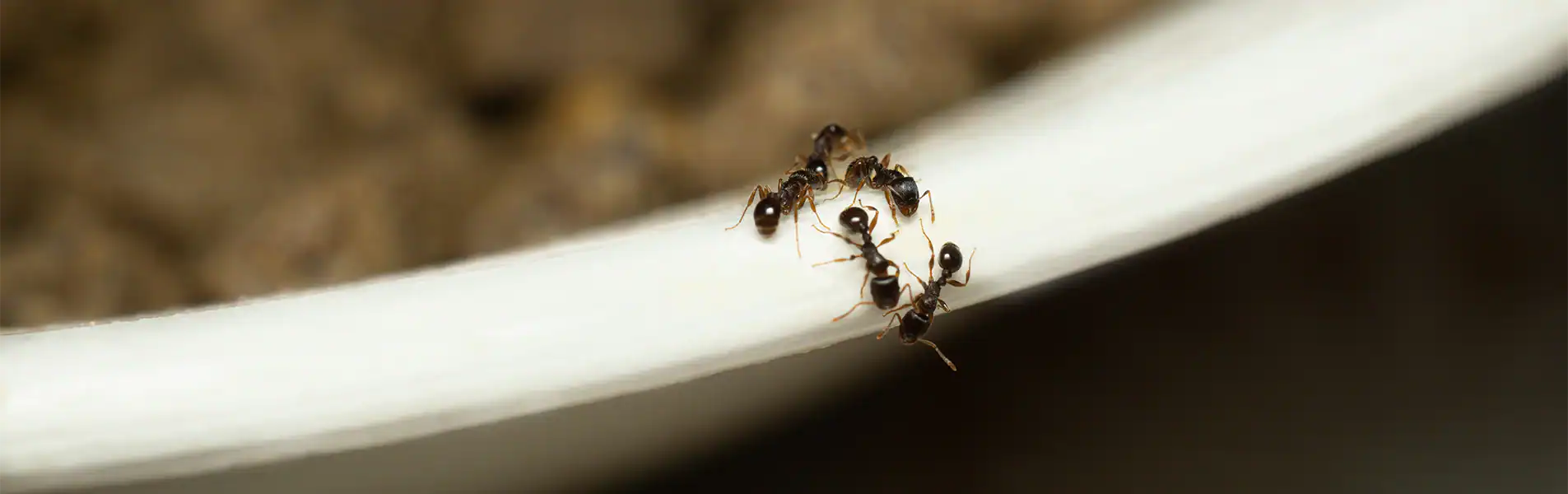
It starts with a phone call, and most of the time, that call includes a quote. You don’t need to schedule an in-home sales visit before anyone will tell you what something costs. Describe what you’re seeing — fire ant mounds in the yard, ghost ants along the kitchen counter, something that looks like sawdust near a window frame — and you’ll get a direct, honest answer about what it likely is and what it takes to fix it.
When a technician arrives at your Pine Island property, the first step is a thorough inspection. Coastal homes have specific hiding spots that matter: moisture-exposed soffits, aging wood trim near the waterline, crawl spaces with elevated humidity, and sandy soil margins where fire ant colonies build fast and deep. The inspection isn’t a formality — it’s how the right treatment gets matched to the right species. Ghost ants require a completely different approach than carpenter ants or fire ants, and applying the wrong product in the wrong way can scatter a colony rather than eliminate it.
Treatment typically combines targeted baiting, perimeter defense application, and direct mound or nest treatment where needed. We use non-repellent products for indoor ant species like ghost ants and pharaoh ants — these work by allowing foragers to carry the active ingredient back to the colony, which is the only way to reach the queens and stop the cycle. After treatment, you’ll know exactly what was applied, why, and what to watch for in the days following. If activity continues between scheduled visits, you call and we come back — no debate, no extra charge.

Ready to get started?
Ant control on Pine Island covers the full range of species that Gulf-front, Hernando County properties deal with. Fire ant mound treatment targets colonies in the sandy coastal soil common to this area — the kind of mounds that appear quickly after rain events and pose a real sting risk to anyone walking barefoot near the beach or in the yard near Alfred McKethan Park. Treatment goes beyond pouring product on the mound surface; it’s designed to reach the queen and collapse the colony from the inside.
Ghost ant extermination is one of the most common requests from Pine Island homeowners, and for good reason. These tiny, pale ants thrive in the humid coastal environment here, nesting inside wall voids, under sinks, and behind appliances. Because ghost ant colonies have multiple queens and multiple satellite nests, a surface spray only moves the problem — it doesn’t solve it. We use professional indoor ant baiting with non-repellent products, which is the method that actually works.
Carpenter ant removal addresses the structural side of the problem. Older coastal homes on Pine Island are particularly vulnerable because salt air and persistent humidity accelerate the wood decay that carpenter ants seek out. Treatment includes locating the nest, eliminating the colony, and identifying the moisture source driving the activity. Perimeter ant defense treatments round out the service — applied around the foundation and entry points to intercept new ant pressure before it reaches the interior. For year-round coastal pest pressure, quarterly prevention visits keep the barrier active and catch new activity before it becomes a full infestation.
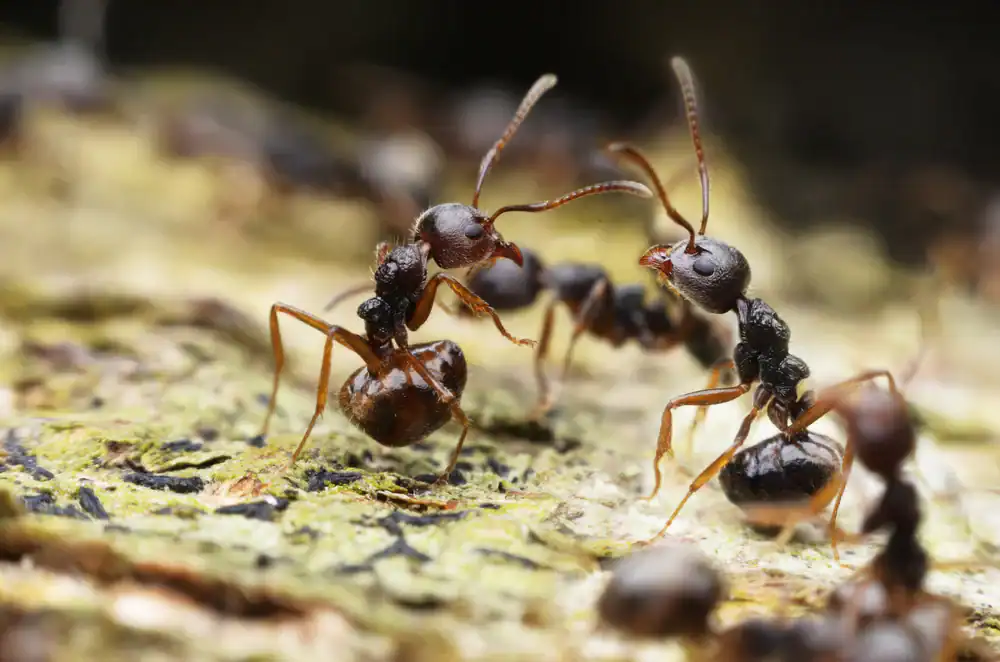
This is one of the most common complaints from homeowners along the Hernando County Gulf Coast, and the short answer is displacement. When heavy rain floods outdoor ant nests — which happens regularly on Pine Island given its low-lying Gulf-front location and proximity to salt marshes and tidal flats — the colony moves. Workers scatter in search of dry, elevated shelter, and your home is exactly that. Ghost ants and crazy ants are the most likely culprits in this scenario, and they can appear in large numbers very quickly after a storm event.
The frustrating part is that spraying them doesn’t stop the next wave. The outdoor colony is still intact, still producing foragers, and still looking for a way in. What actually breaks the cycle is treating the source — either eliminating the outdoor colony before the next rain event or creating a perimeter barrier that intercepts incoming ants before they reach your kitchen. A professional inspection after a flooding event can identify where they’re entering and what species you’re dealing with, which determines the right treatment approach.
The clearest sign of carpenter ants is frass — a fine, sawdust-like material near baseboards, window frames, or door frames. Unlike termites, carpenter ants don’t eat the wood; they excavate it to build galleries, and the debris gets pushed out. You might also hear faint rustling inside walls, especially at night when carpenter ants are most active. Regular ants don’t leave frass and don’t nest inside wood.
On Pine Island, carpenter ant risk is elevated because of the older housing stock and the persistent coastal humidity that accelerates wood decay. Salt air and moisture from the surrounding marshes and Gulf exposure soften exterior wood elements over time — soffits, window frames, deck boards, and structural beams near crawl spaces are common entry points. If you’re seeing large, dark ants near wood structures or finding sawdust-like debris, it’s worth having a professional look before the damage goes deeper. Carpenter ant removal here isn’t just about killing the ants you can see — it’s about finding the nest and addressing the moisture condition that invited them in.
Sandy coastal soil creates ideal fire ant conditions — it drains well, warms quickly, and allows colonies to build large underground networks fast. Fire ant mounds in sandy Gulf-front soil like what’s common on Pine Island can look smaller on the surface than they actually are, which means the colony is often more established than it appears. Disturbing a mound without the right product and technique typically scatters the colony into multiple new locations across your yard rather than eliminating it.
Effective fire ant mound treatment in this environment uses products that penetrate the soil and reach the queen — either through direct drench application or broadcast bait that foragers carry back into the colony. The method depends on the size of the infestation, the proximity to water (important near the marshes and tidal areas), and whether pets or children use the yard regularly. A professional assessment ensures the right approach is used for your specific property and that the treatment is applied in a way that’s safe for the surrounding coastal environment.
It matters quite a bit. “Sugar ants” is a catch-all term most people use for any small ant they find near food or moisture in the kitchen — but in Florida, the ant you’re almost certainly dealing with is the ghost ant, named for its pale, nearly transparent legs and abdomen. Ghost ants are one of the most common indoor ant species in the state, and they’re particularly active in humid coastal environments like Pine Island where moisture levels stay elevated year-round.
The reason the distinction matters is treatment. Ghost ants are highly sensitive to repellent sprays — meaning if you spray them with a standard over-the-counter product, the colony detects the chemical barrier and splits into new satellite nests in other parts of your home. This is why so many Pine Island homeowners feel like their ant problem gets worse after they spray. The correct approach is non-repellent bait that foragers pick up and carry back to the colony, reaching the queens and collapsing the nest from the inside. It takes a few days longer to see results, but it actually solves the problem rather than relocating it.
Florida’s Gulf Coast doesn’t give you a cold winter that resets the pest calendar. Ant colonies on Pine Island stay active, reproduce, and forage every month of the year — and the coastal environment here adds factors that inland Hernando County communities don’t deal with at the same intensity. Storm displacement events, persistent humidity from the surrounding salt marshes, and the steady warmth of Gulf-front living mean new ant pressure can develop between treatments faster than it would in a drier, more inland setting.
For most Pine Island homeowners, quarterly perimeter treatments are the practical answer. A quarterly schedule keeps the exterior barrier active, catches new mound development before it becomes a yard-wide fire ant problem, and addresses any indoor activity before it reaches infestation level. Between scheduled visits, if you see significant activity, you call and we come back at no additional charge. One-time treatments are available for acute infestations, but without ongoing perimeter protection, the same conditions that created the first problem will create the next one — usually within a few months.
Yes — and it’s worth clarifying because most pest control companies that show up when you search for Pine Island pest control are actually targeting the much larger Pine Island in Lee County, Southwest Florida. We serve Hernando County, which is where this Pine Island actually is — at the end of Pine Island Drive off County Road 495, west of Weeki Wachee, on the Gulf of Mexico.
Our service area covers the western Hernando County coastal corridor, including the communities along the Cortez Boulevard and US 19 route that Pine Island residents travel regularly. That familiarity with the area matters when you’re dealing with pest pressure specific to a Gulf-front, salt marsh environment. Military families and new homeowners in the area also qualify for special discounts — something worth asking about when you call. Most quotes are handled over the phone, so you don’t have to wait for a site visit to know what you’re looking at cost-wise.
Other Services we provide in Pine Island