
Fast, reliable pest control from Hernando County’s most trusted family-owned team—with most quotes given over the phone.
Contact Info
Fast, reliable pest control from Hernando County’s most trusted family-owned team—with most quotes given over the phone.
Contact Info
You stop finding them behind the stove at night. You stop second-guessing whether your kitchen is clean. You stop wondering what’s living inside the walls of a home you’ve worked hard to maintain. That’s what roach control in Pine Island, FL actually delivers — not just a treatment, but the confidence that the problem is handled.
Pine Island’s geography makes roach pressure genuinely different from what most mainland homeowners deal with. The mangrove forests that line the island’s edges are prime natural habitat for American cockroaches — Palmetto bugs — and when heavy rain floods those margins, they move toward your home. The salt air and constant coastal humidity degrade door seals and weatherstripping faster than inland properties, leaving entry points that German cockroaches and Palmetto bugs exploit year-round without any seasonal slowdown.
For seasonal homeowners on Pine Island, the stakes are even higher. A property that sits vacant through a humid summer can go from a few roaches to a full-blown German cockroach infestation by the time you return in the fall. Catching it early — or preventing it entirely with a quarterly program — is the difference between a routine service call and a full cleanout.
Around The Clock Pest Service is a family-owned, owner-operated pest control company that has been protecting Florida homes for over 14 years. When you call, you speak directly with George — the licensed owner and certified technician who will personally handle your service. Not a dispatcher. Not a rotating crew. The same person, every time.
For Pine Island residents, that matters more than it might anywhere else. Getting reliable service providers to make the trip across the Matlacha Pass Bridge has always been a frustration on the island. George makes that trip without surcharges, without excuses, and with the kind of accountability that only comes from an owner who puts their name on every job — from Bokeelia down to St. James City.
We hold four active FDACS licenses under Florida Chapter 482, carry full liability insurance, and have earned over 100 five-star Google reviews from homeowners across Hernando and neighboring Florida counties. BBB A+ accredited since 2022.

It starts with a phone call. Most quotes are given right then, over the phone, so you know what you’re dealing with before anyone sets foot in your home. That’s especially useful if you’re a seasonal homeowner managing your Pine Island property from a distance — you get a clear answer without needing to be on the island first.
Once on-site, the inspection focuses on identifying which species you’re dealing with and where they’re established. German cockroaches and Palmetto bugs require completely different treatment approaches, and getting that wrong is one of the main reasons DIY attempts fail. German roaches are indoor colony pests — they live inside appliances, under sinks, and deep in wall voids. Palmetto bugs are primarily coming in from outside, often from the mangrove margins surrounding Pine Island properties. The treatment plan is built around what’s actually there, not a one-size-fits-all spray.
For German cockroach elimination in Pine Island, we use professional-grade baiting systems and Insect Growth Regulators (IGRs) — targeting the entire colony, including eggs and nymphs that consumer products never reach. For Palmetto bug removal, exterior barrier treatment and harborage reduction around the structure address the source. After treatment, George walks you through what was done, what to expect in the days ahead, and whether a quarterly prevention program makes sense for your property.

Ready to get started?
Roach control in Pine Island, FL covers the full picture — not just what’s visible. That means a thorough inspection of the kitchen, bathrooms, utility areas, and any appliances where German cockroaches typically establish colonies. It also means a perimeter assessment of the exterior, because on an island surrounded by mangrove habitat, what’s happening outside the walls directly affects what ends up inside them.
For homes that were repaired or rebuilt after Hurricane Ian or Hurricane Helene, the inspection goes deeper. Flood-damaged structures can have hidden moisture pockets, compromised subfloor material, and wall cavities that were sealed before fully drying — all of which create harborage zones that aren’t obvious from the surface. Post-storm homes across Pine Island, from Pineland to Pine Island Center, carry elevated roach risk that a standard visual sweep won’t always catch.
Treatment is selected based on what we find — bait gel and IGRs for active German cockroach infestations, exterior barrier applications for Palmetto bug pressure, and targeted crack-and-crevice treatment where activity is concentrated. For seasonal properties, a quarterly prevention program keeps a protective barrier in place between visits, so you’re not discovering an infestation every time you return. All products we use are applied in compliance with Florida Chapter 482 and EPA guidelines, with full attention to safety around children, pets, and the sensitive coastal environment surrounding Pine Island.

Pine Island’s waterfront location is the core of the problem. The mangrove forests that border the island are the natural outdoor habitat of American cockroaches — what most Florida residents call Palmetto bugs. When heavy rain floods those mangrove margins, which happens regularly during Pine Island’s summer storm season, those roaches move toward structures looking for dry ground. The salt air and coastal humidity also degrade door seals and weatherstripping faster than you’d see on a mainland property, creating entry gaps that get exploited continuously.
The fix isn’t just treating the inside of your home. Effective Palmetto bug removal in Pine Island requires addressing the exterior harborage and entry points — sealing gaps, treating the perimeter, and reducing the conditions that make your home an attractive destination. If you’re seeing large roaches occasionally, that’s typically a Palmetto bug issue driven by the island’s natural environment. If you’re seeing small roaches frequently, especially in the kitchen, that’s a German cockroach colony that needs a different approach entirely.
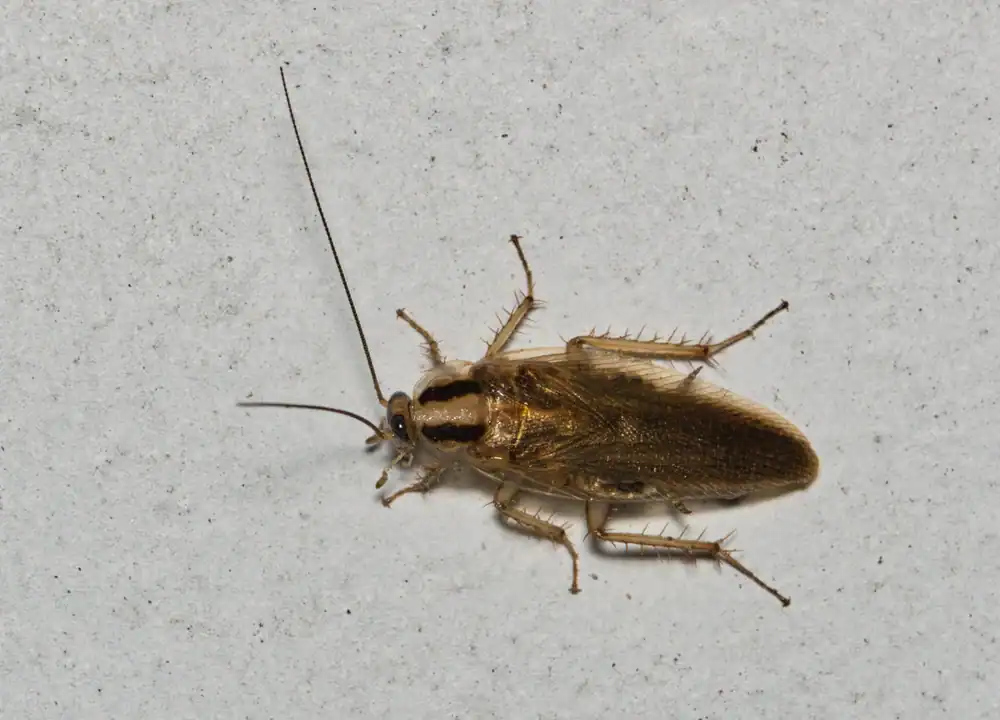
It matters a lot — they’re completely different problems that require completely different treatments. German cockroaches are small, tan-colored indoor pests that establish colonies inside your home, typically in the kitchen. They live in appliances, inside cabinet hinges, under the refrigerator, and behind the stove. They reproduce rapidly — a single female can produce hundreds of offspring in her lifetime — and they never need to go outside. A German cockroach infestation gets worse over time without professional intervention.
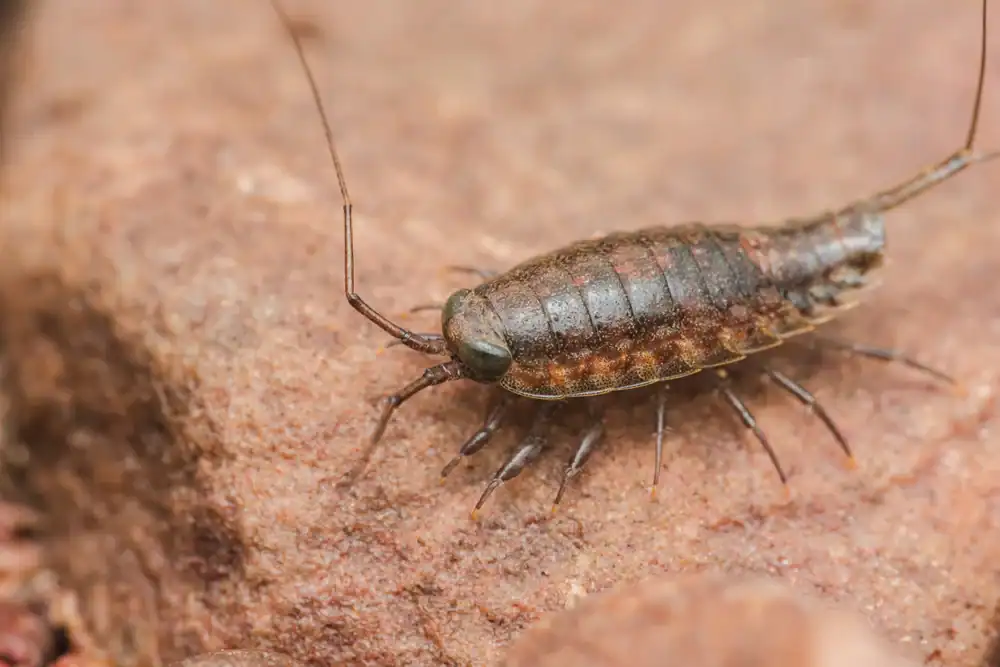
Palmetto bugs are large, dark-colored American cockroaches that primarily live outdoors. On Pine Island, they come from the mangrove margins, wood piles, and moist organic debris around waterfront properties. They wander inside, especially during rain events or cooler nights, but they’re not establishing a colony in your kitchen the way German roaches do. The treatment for German cockroach elimination in Pine Island centers on baiting systems and IGRs that collapse the indoor colony. The treatment for Palmetto bugs focuses on the exterior — barrier applications, harborage reduction, and sealing entry points. Using the wrong approach for either one produces poor results.
Yes, and it happens more often than most seasonal homeowners expect. Pine Island has one of the highest seasonal vacancy rates in Lee County — nearly half of the island’s housing units sit unoccupied at any given time. A German cockroach colony can establish and grow to hundreds of individuals inside a vacant kitchen over a single Florida summer, with no one present to notice the early signs. By the time you return in the fall, what started as a few roaches has become a full infestation requiring a cleanout.
The most effective way to protect a seasonal property is a quarterly prevention program. This keeps a professional-grade barrier in place while the home is unoccupied, with scheduled service visits that catch any activity before it becomes a serious problem. It’s significantly less expensive than a cockroach infestation cleanout after the fact, and it means you come back to a home that’s ready to use — not one that needs to be treated before you can unpack. We work with Pine Island seasonal homeowners specifically to set up programs that protect their properties year-round, regardless of when they’re on the island.
Flooding consistently drives cockroach activity into structures, and Pine Island has experienced two major storm events — Hurricane Ian in 2022 and Hurricane Helene in 2024 — that caused widespread flooding and structural damage across the island. When outdoor harborage is flooded, cockroaches that were living in soil, debris, and mangrove margins get displaced and move toward elevated, dry structures. That’s a direct migration pathway into homes, and it happens quickly.
The longer-term issue is structural. Homes that were repaired or rebuilt after Ian may have hidden moisture pockets, compromised subfloor materials, or wall cavities that retained moisture before being sealed. Those conditions create interior harborage zones that standard inspections can miss. If your Pine Island home was repaired after either storm and you’re now seeing roach activity, it’s worth having a thorough inspection that accounts for what flood damage does to a building’s interior — not just a surface-level check of the obvious entry points.
The consumer sprays available at hardware stores are repellent-based — they don’t eliminate a cockroach colony, they scatter it. When you spray a repellent product in a kitchen where German roaches are established, you push them deeper into wall voids, appliance interiors, and areas that are harder to treat. The infestation doesn’t go away; it just becomes less visible temporarily, and then rebounds. This is one of the most common reasons homeowners who “already tried everything” still have a roach problem when they call us.
Professional roach baiting systems work differently. The bait is placed in small amounts at targeted locations where roaches forage. They consume it, carry it back to the colony, and it spreads through the population — including nymphs and eggs that a spray never reaches. Insect Growth Regulators (IGRs) are used alongside bait to disrupt the reproductive cycle, preventing eggs from developing into breeding adults. This combination collapses the entire colony from the inside out, rather than pushing it around. In Pine Island’s high-humidity coastal environment, where German cockroach colonies can sustain themselves year-round without any cold-weather interruption, this methodology is the professional standard for a reason.
Pine Island is a full service area — no surcharges, no excuses about the bridge. The Matlacha Pass Bridge crossing on CR 78 is the only way onto the island, and it’s a real logistical factor that has led some mainland providers to decline the trip or add fees for the island location. That’s a frustration that Pine Island residents know well, and it’s not how we operate.
We service the full length of the island — Bokeelia at the north end, Pineland on the west coast, Pine Island Center, and St. James City at the southern tip. Matlacha, the gateway community at the bridge, is covered as well. Service is available 24 hours a day, 7 days a week, including weekends and holidays at no extra charge. Most quotes are given over the phone before anyone makes the drive, so you know the price upfront and there are no surprises when the job is done. For military families and new homeowners on Pine Island, special discounts are available — just mention it when you call.
Other Services we provide in Pine Island