
Fast, reliable pest control from Hernando County’s most trusted family-owned team—with most quotes given over the phone.
Contact Info
Fast, reliable pest control from Hernando County’s most trusted family-owned team—with most quotes given over the phone.
Contact Info
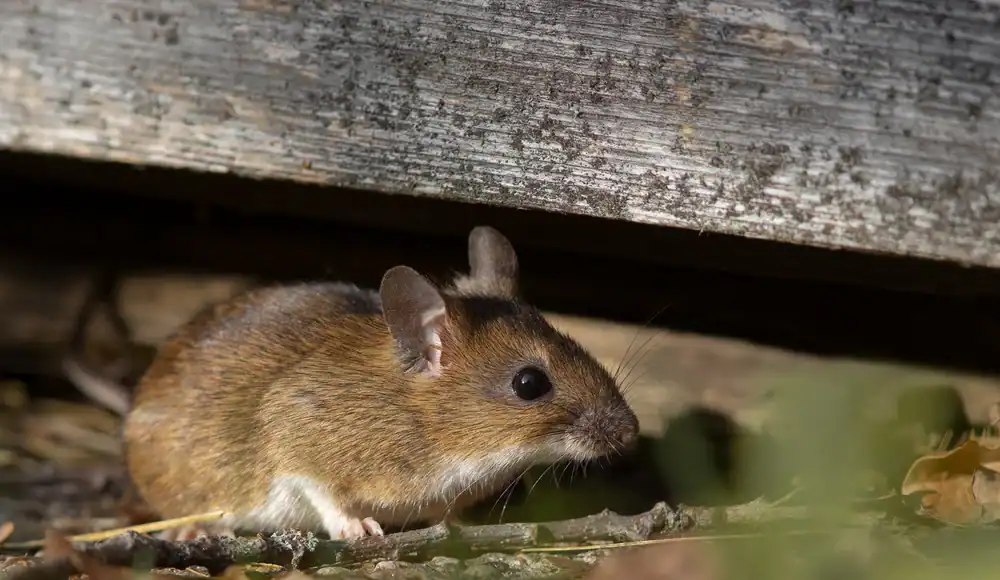
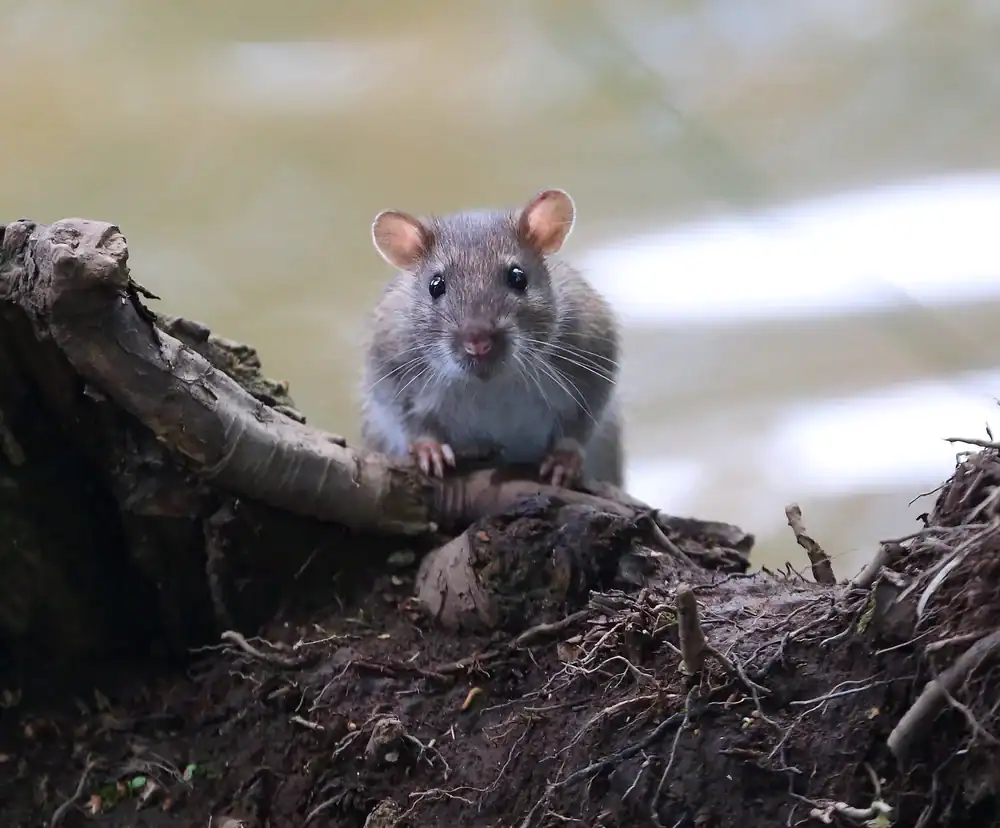
That sound in your attic at night — the one you’ve been trying to convince yourself is the house settling — probably isn’t. Roof rats are the dominant rodent pest in Florida, and in Dade City North, they have every advantage: mature oak canopy that hangs over rooflines, dense understory on large acreage lots, and older homes with decades of accumulated entry points that have never been professionally inspected. One gap half the size of a quarter is all they need.
When the problem is actually resolved — not temporarily disrupted, but resolved — the difference is immediate. No more 2 a.m. scratching. No gnaw marks appearing on food packaging. No droppings in the back of a cabinet you haven’t opened in a week. And no slow-burning anxiety about what’s happening inside your walls or above your ceiling while you’re trying to sleep.
The longer-term payoff matters too, especially in a community like Dade City North. Rodents chew through electrical wiring — that’s a fire risk, and most homeowners insurance policies explicitly exclude rodent damage. Contaminated attic insulation in a Florida summer draws pathogen-laden particulates straight through your HVAC system into your living space. These aren’t dramatic worst-case scenarios. They’re what happens when a small problem gets a few more months to grow.
We’re a family-owned, owner-operated business serving Hernando County and the surrounding Pasco County communities, including Dade City North and the rural areas throughout the 33523 ZIP code. Dade City North isn’t a detour for us. It’s part of the territory we know well, from the agricultural land character along the area’s corridors to the older housing stock that’s been quietly accumulating entry points for decades.
When you call, the owner answers. Not a dispatcher, not a call center — the actual person responsible for your job. Most quotes are given over the phone, so you’re not waiting three days for a sales visit before you know what anything costs. Our BBB A+ rating, FDACS licensure through 2027, and over 100 five-star Google reviews from local Hernando and Pasco County customers aren’t self-reported claims — they’re all publicly verifiable before you dial.
We offer special discounts for new homeowners and military families. If you’ve recently bought a property in the 33523 ZIP, that discount is worth asking about on the first call.
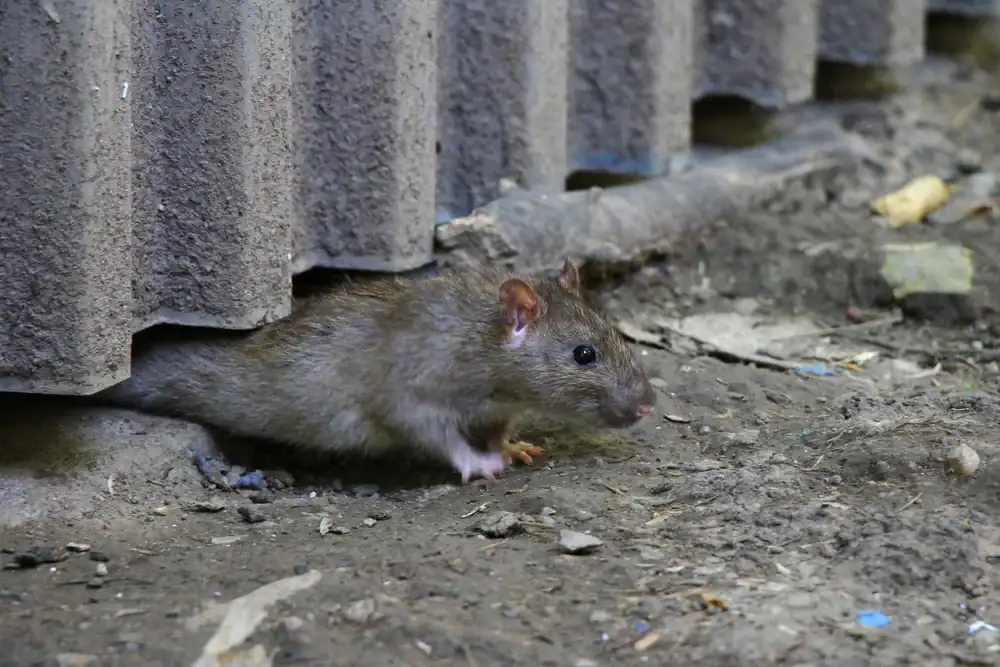
It starts with a thorough inspection — not a quick walk-through, but a real look at the attic, wall voids, exterior perimeter, and any outbuildings on the property. In Dade City North, where lots commonly run one to five or more acres and homes often date back several decades, that inspection matters more than it does in a newer suburban neighborhood. There are more places for rodents to enter, and more places they’ve been hiding long before you noticed anything.
Once the inspection is complete, we place professional-grade mechanical traps in the attic and any other active areas. This is an important distinction: we use traps, not rodenticide bait stations. That means no poisoned rodent decomposing inside a wall cavity where you can smell it for weeks but can’t reach it, and no secondary poisoning risk for the dogs, cats, or other animals on your property. For homeowners in a rural community like Dade City North — where backyard animals are common — this isn’t a minor detail.
After removal, the process includes scent trail sanitization. Rodents leave chemical trails that guide new animals back to the same entry points, so eliminating those trails is what prevents re-infestation rather than just delaying it. We document every identified entry point and communicate them clearly, so you know exactly what needs to be addressed structurally to keep the problem from returning. Attic decontamination is available for cases where waste has soaked into insulation — a real concern given Florida’s summer attic temperatures and what that heat does to contaminated materials.
Ready to get started?
Our rodent control and removal service in Dade City North, FL covers the full picture — inspection, trapping, sanitization, entry point documentation, and attic decontamination when needed. Roof rats are the primary concern in this area. They’re agile climbers that prefer elevated harborage, and the combination of mature trees, dense vegetation, and older rooflines in Dade City North gives them more access routes than most Florida communities. Mice extermination services are part of the same process — mice need only a dime-sized opening, and in homes with aging soffits, original roof vents, and utility line penetrations that haven’t been inspected in years, those openings aren’t hard to find.
Rodent proofing for homes in Dade City North, FL is especially relevant right now given the active land clearing and grove removal happening in the 33523 ZIP. When citrus groves and scrubland that have supported rodent populations for years get cleared, those animals don’t disappear — they move toward the nearest available shelter. If your property sits adjacent to recently cleared land, your risk is elevated whether you’ve seen signs yet or not.
All work is performed under FDACS structural pest control licensure as required by Chapter 482 of Florida Statutes. We hold multiple active FDACS licenses through 2027 — both are publicly searchable through the state’s online portal. Every technician is EPA-trained. Our service area covers Dade City North and the surrounding northeastern Pasco County communities, including Lacoochee, Trilby, Blanton, and the broader 33523 corridor.
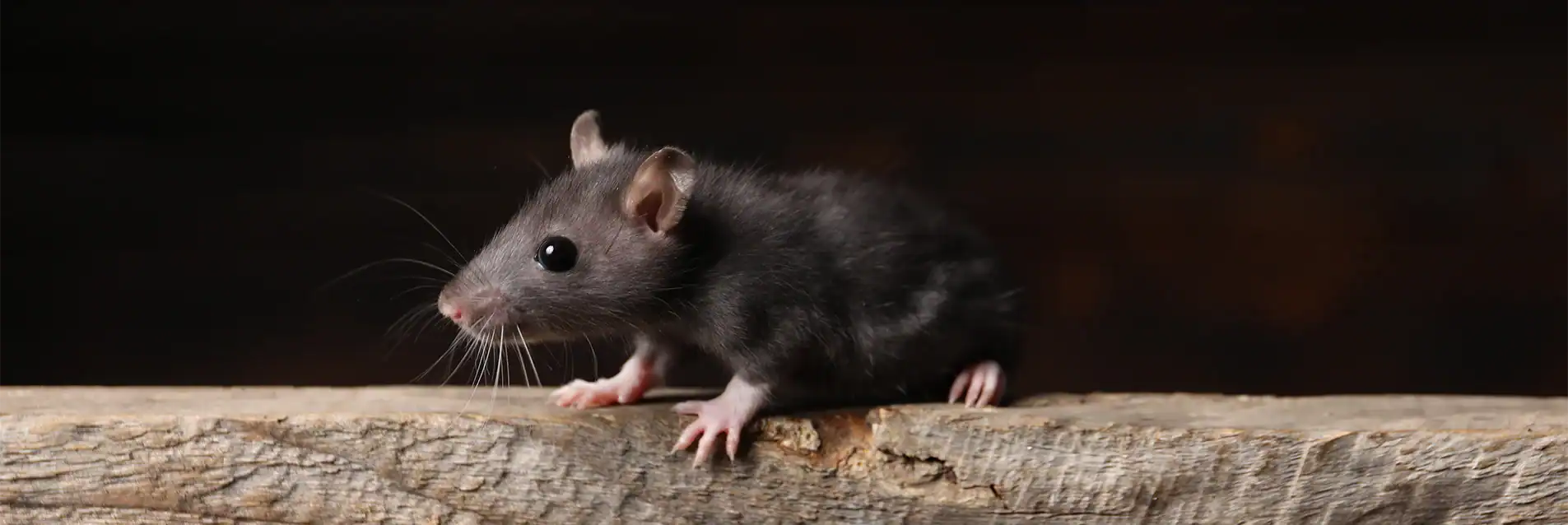
Yes — and the conditions in Dade City North make it one of the higher-pressure environments for roof rats in Pasco County. Roof rats thrive in elevated, vegetated habitats, and this area has them in abundance: mature oak and palm canopy, dense understory on large acreage lots, citrus trees, and wooded land that backs up to residential properties throughout the 33523 ZIP. The Withlacoochee River corridor to the north adds another layer — the river’s riparian vegetation is a continuous breeding and movement habitat that pushes rodents outward into surrounding neighborhoods year-round.
Florida’s climate means there’s no winter cold to interrupt breeding cycles. A roof rat family in your attic in October — typically 5 to 15 individuals — will be a substantially larger colony by February if nothing is done. The scratching you hear at night almost never represents a single animal. It represents an established group that has been there longer than you realize.
Rodenticide bait stations are commonly used because they’re cheap and easy to deploy — but they create two problems that professional trap-based removal doesn’t. The first is the dead-in-walls issue: a poisoned rat that retreats into a wall cavity or deep into attic insulation before dying creates a decomposition odor that can last weeks and is nearly impossible to address without opening walls. The second is secondary poisoning: any pet, bird of prey, or wild animal that consumes a poisoned rodent can be fatally harmed.
In Dade City North, where rural and semi-rural properties commonly have dogs, cats, chickens, and other animals, the secondary poisoning risk is a real and documented concern — not a theoretical one. We use professional-grade mechanical traps exclusively. You get the same result — rodents removed — without the odor risk or the danger to animals on your property. It’s a more thorough approach, and it’s the right one for this community.
The most common first sign is sound — scratching, scurrying, or gnawing in the attic or walls, typically at night when roof rats are most active. After that, look for droppings in kitchen cabinets, pantry shelves, garage corners, or along baseboards. Roof rat droppings are roughly half an inch long with pointed ends. You may also notice greasy rub marks along walls or pipes where rodents travel repeatedly, gnaw marks on food packaging or structural wood, and nesting material — shredded insulation, paper, or fabric — in hidden areas.
In older homes throughout the 33523 ZIP, one of the more telling signs is a persistent musty or ammonia-like odor coming from the attic or through HVAC vents. Florida’s summer heat accelerates the breakdown of rodent waste in attic insulation, and that process pulls odors and particulates into your living space. If you’re noticing any combination of these signs, the infestation is almost certainly more established than it appears from the outside.
Rodent proofing for homes in Dade City North, FL starts with identifying every entry point on the structure — roofline gaps, deteriorating soffits, damaged fascia, roof vent openings, pipe collars, HVAC penetrations, and foundation gaps. In homes throughout the 33523 ZIP that date back to the 1930s through the 1980s, this list can be long. Decades of Florida heat cycling, humidity, and storm exposure degrade the materials that keep rodents out, and many of these vulnerabilities have never been professionally assessed.
We document every identified entry point and communicate them clearly so you know exactly what structural repairs are needed. Our service also includes scent trail sanitization — eliminating the chemical markers that guide new rodents back to the same locations after the original population is removed. Without that step, the entry points become a recurring invitation regardless of how well the initial removal goes. Proofing plus sanitization together is what actually prevents re-infestation rather than just resetting the clock.
In many cases, yes — especially in Dade City North where summer attic temperatures routinely exceed 130°F. At those temperatures, rodent urine and droppings that have soaked into attic insulation don’t just sit there — they generate ammonia and pathogen-laden particulates that get pulled into your living areas through HVAC returns. This is a health concern, not just an odor issue. Rodents are documented carriers of hantavirus, leptospirosis, and salmonella, all of which can be transmitted through contaminated insulation and dust.
Attic rodent decontamination in Dade City North, FL involves sanitizing affected areas, treating contaminated insulation, and eliminating the residual scent trails that would attract new rodents after treatment. Whether full decontamination is necessary depends on the size and duration of the infestation — something that becomes clear during the initial inspection. If the infestation has been active for more than a few weeks, or if you’ve noticed HVAC odors, it’s worth discussing decontamination as part of the overall service.
New construction is actively coming to market in the 33523 ZIP, and a meaningful share of it sits on land that was recently cleared — former citrus groves, scrubland, and agricultural parcels where rodent populations had been established for years. When that land gets cleared, those animals move. The nearest available structure is often a newly built or recently purchased home, and new owners frequently discover rodent activity in their first few months of ownership without any warning from the previous occupant or the listing.
The new homeowner discount exists because this is a specific, documented pattern in Dade City North — not a promotional gimmick. Getting a professional inspection early, before a displaced population becomes an established infestation, is genuinely the most cost-effective approach. The discount makes that early intervention easier to act on. If you’ve recently purchased a property in Dade City North or the broader 33523 area, ask about it when you call — the owner will walk you through what’s included and what the inspection will cover on your specific property.
Other Services we provide in Dade City North