
Fast, reliable pest control from Hernando County’s most trusted family-owned team—with most quotes given over the phone.
Contact Info
Fast, reliable pest control from Hernando County’s most trusted family-owned team—with most quotes given over the phone.
Contact Info
You sleep through the night. You stop second-guessing every sound in the ceiling. And you’re not walking on eggshells every time your dog comes in from the yard because there’s no rodenticide sitting in a bait station somewhere on your property. That last part matters more in San Antonio, FL than most people realize — the rural edges around the 33576 ZIP code mean a lot of households have dogs, cats, and outdoor animals. Poison-based rodent control and that kind of property don’t mix well.
The older housing stock in San Antonio’s historic core is also a different animal than a 2019 subdivision build. Decades of plumbing updates, HVAC installs, and renovation work leave gaps that roof rats — which only need a quarter-sized opening — will find before you do. When those entry points get identified and your attic gets properly treated, you’re not just solving today’s problem. You’re cutting off the path for the next one.
Contaminated attic insulation is another thing most homeowners don’t think about until it’s unavoidable. Rodent droppings, urine, and nesting debris don’t just sit there quietly — in a Florida summer, when attic temperatures push past 130 degrees, that contamination gets pushed through your HVAC system and into your living space. Getting ahead of it isn’t overcautious. It’s just practical.
We’re a family-owned business serving Hernando and Pasco County, and San Antonio, FL falls squarely in our territory — not as a footnote, but as a community we actually work in. The owner answers every call personally, including weekends, and most quotes are given right over the phone. No scheduling a consultation just to find out what something costs.
We hold an active FDACS license under Chapter 482 of Florida Statutes, valid through 2027, carry a BBB A+ rating, and have over 100 five-star Google reviews from real customers in this region. Those aren’t numbers from a different state or a different market — they’re from the same Pasco and Hernando County environment you’re living in.
San Antonio is the kind of town — tight, historic, and small enough that everyone knows everyone — where a business either earns its reputation or loses it fast. We’re aware of that. We offer special discounts for military families and new homeowners, and if you’re moving into an older home near County Road 52 or out along the rural stretches of the 33576 ZIP code, we’re the call worth making first.
It starts with a thorough inspection. We’re looking at your attic, crawl spaces, wall voids, and the exterior of your home — every soffit, every roof vent, every gap around a utility penetration. In San Antonio, FL, where a lot of homes have been renovated and updated over decades, those gaps are rarely obvious. Roof rats don’t need much, and they’re good at finding what you miss.
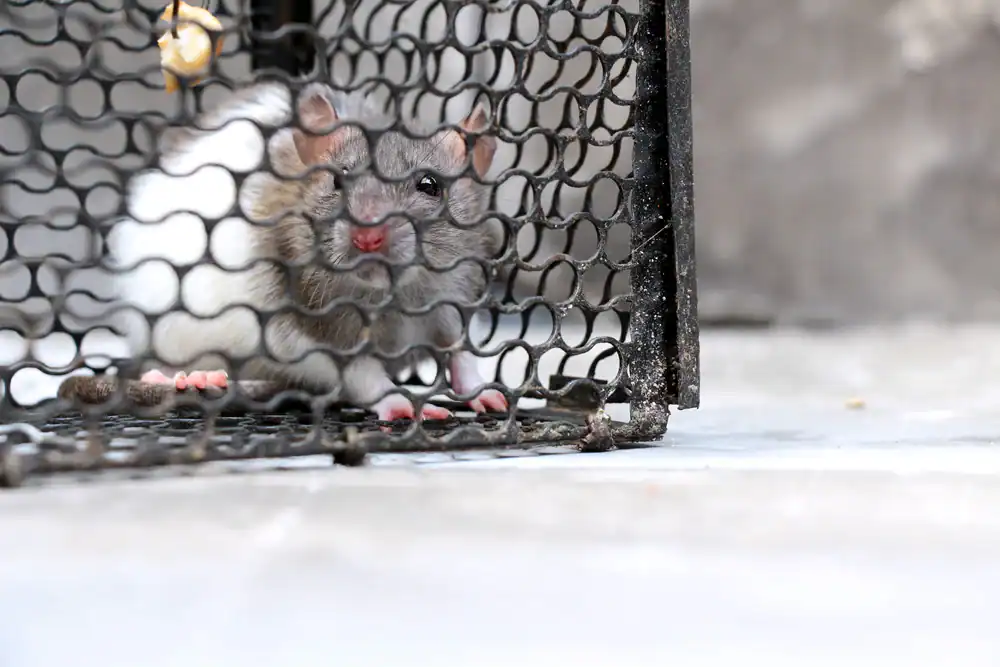
Once we’ve mapped the problem, we place professional-grade mechanical traps in the areas where activity is concentrated. No rodenticide. That’s a deliberate choice, not a limitation — it means no dead rodents decomposing inside a wall cavity for three weeks, and no secondary poisoning risk for your pets or the wildlife that moves through a rural-edge property like many in the 33576 area. Traps are monitored and adjusted based on what we’re seeing.
After the active infestation is addressed, we handle scent trail sanitization. This is the step that most people don’t know about and most companies skip. Rodents leave chemical trails in their urine that function as navigation signals — essentially a roadmap for the next animal that finds a gap in your structure. Eliminating those trails is what breaks the reinfestation cycle. We also document every entry point found during the inspection, so you have a clear picture of what needs to be sealed structurally, even though physical repairs fall outside our scope.
Ready to get started?
Rodent control in San Antonio, FL covers more ground than dropping a few traps in an attic. Our service includes a full property inspection, mechanical trap placement in attics, crawl spaces, and wall voids, scent trail sanitization to eliminate the chemical pathways that guide new rodents back into treated structures, and a complete entry point assessment documented for your records.
The attic decontamination component is especially relevant for homes in San Antonio’s historic residential core and for properties along the rural stretches of Old Pasco Road and Warder Road. Rodent droppings and urine-soaked insulation are a health concern — and in a Florida climate where attic heat is extreme from May through October, the contamination doesn’t stay contained to the attic. It moves. Addressing it as part of the treatment, rather than as a separate follow-up, is the right way to handle it.
All work is performed under an active FDACS structural pest control license — which is a state requirement for any company doing this kind of work in Florida, and something you can verify independently before you ever call. Pest control in Pasco County is governed by Florida state law under Chapter 482 F.S., and every technician operating here is required to meet those standards. We do. If you’re a new homeowner who just discovered a rodent problem in a home you recently purchased near Saint Anthony Catholic School or anywhere else in the 33576 ZIP code, ask about our new homeowner discount when you call.
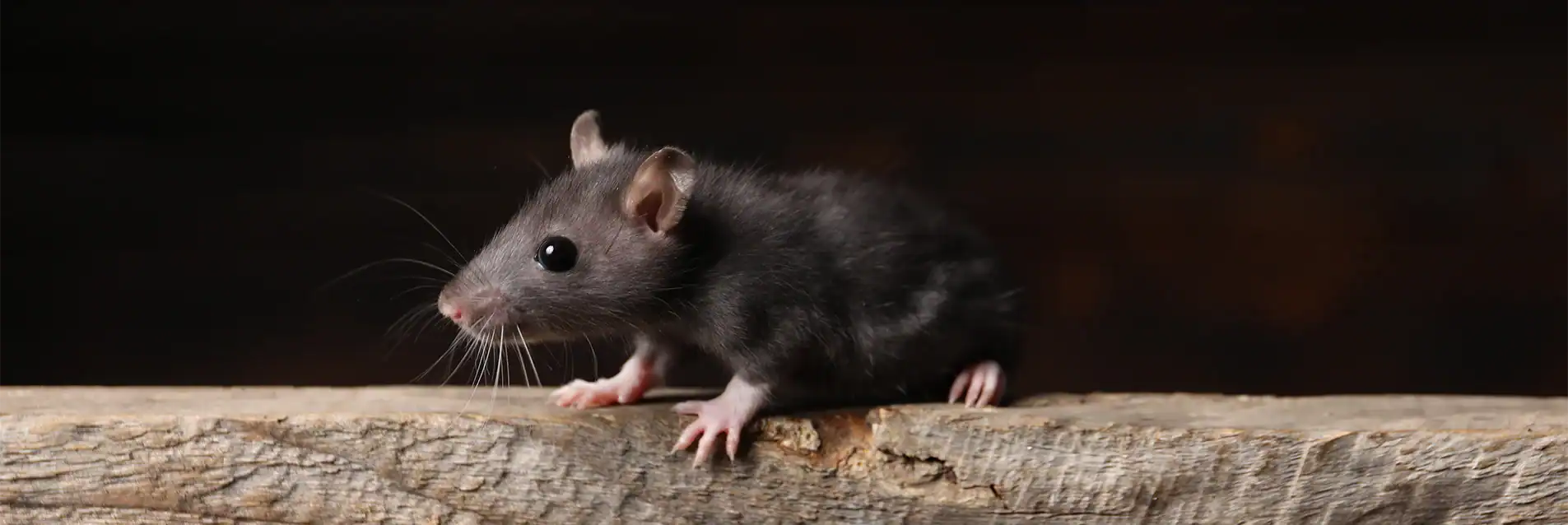
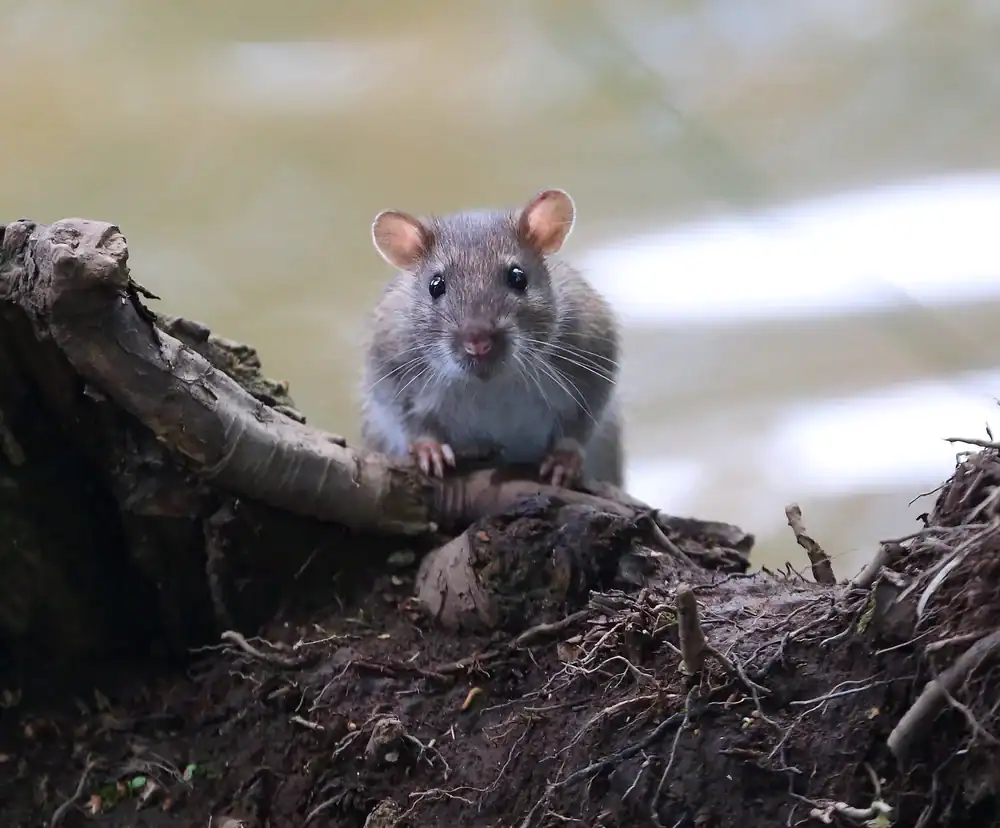
Nighttime scratching in your attic is almost always roof rats. Rattus rattus — the roof rat — is the dominant structural rodent pest throughout central Florida, and San Antonio’s environment is genuinely ideal for them. Mature tree canopy, older homes with aging soffits, and the agricultural land surrounding the 33576 ZIP code all contribute to sustained roof rat pressure that doesn’t let up the way it might in a colder climate.
Roof rats are nocturnal and arboreal — they use tree branches to access rooflines, squeeze through gaps in soffits or roof vents, and set up nesting colonies in attic insulation. The scratching you hear at night is usually movement and foraging activity. If you’re also hearing it during the day, the colony is likely larger than a few animals. Florida’s year-round warmth means there’s no seasonal population reset — a colony that establishes itself in your attic in October will still be there in March, and it will have grown. Getting a professional inspection scheduled sooner rather than later is the practical move.
It’s a real risk, and it’s one that’s especially relevant for properties in San Antonio and the surrounding rural stretches of Pasco County. Secondary poisoning — where a pet or wildlife animal consumes a rodent that has ingested rodenticide — is a documented and serious concern. Dogs, cats, hawks, owls, and other animals that come into contact with a poisoned rodent can suffer severe neurological effects or death, depending on the type of rodenticide used and the amount consumed.
This is one of the primary reasons we use mechanical traps rather than bait stations. It’s not a workaround — it’s a deliberate approach that eliminates the poison risk entirely while still being highly effective for active infestations. For households in the 33576 area with dogs, cats, chickens, or properties adjacent to wooded land where raptors and wildlife are present, trap-based rodent control isn’t just a preference. It’s the responsible choice. If a company’s first recommendation is a bait station without discussing the secondary poisoning risk with you, that’s worth asking about before you agree to anything.
Roof rats need a gap roughly the size of a quarter to enter a structure. In San Antonio, FL, where a significant portion of the housing stock has been continuously occupied and renovated for decades, those gaps are more common than most homeowners expect. The most frequent entry points we find are deteriorating soffits, aging roof vents with damaged screens, gaps around plumbing and electrical penetrations that were cut during past renovation work, and compromised fascia boards where wood has rotted over time.
The mature tree canopy throughout San Antonio’s historic residential areas is also a major contributing factor. Roof rats are climbers — they use overhanging branches to access rooflines directly, bypassing any ground-level deterrents entirely. Trimming branches that hang over or touch your roofline is one of the most effective preventive steps a homeowner can take, but it doesn’t address existing entry points or an active colony already inside. A professional inspection is the only way to know for certain what you’re dealing with and where the access points are.
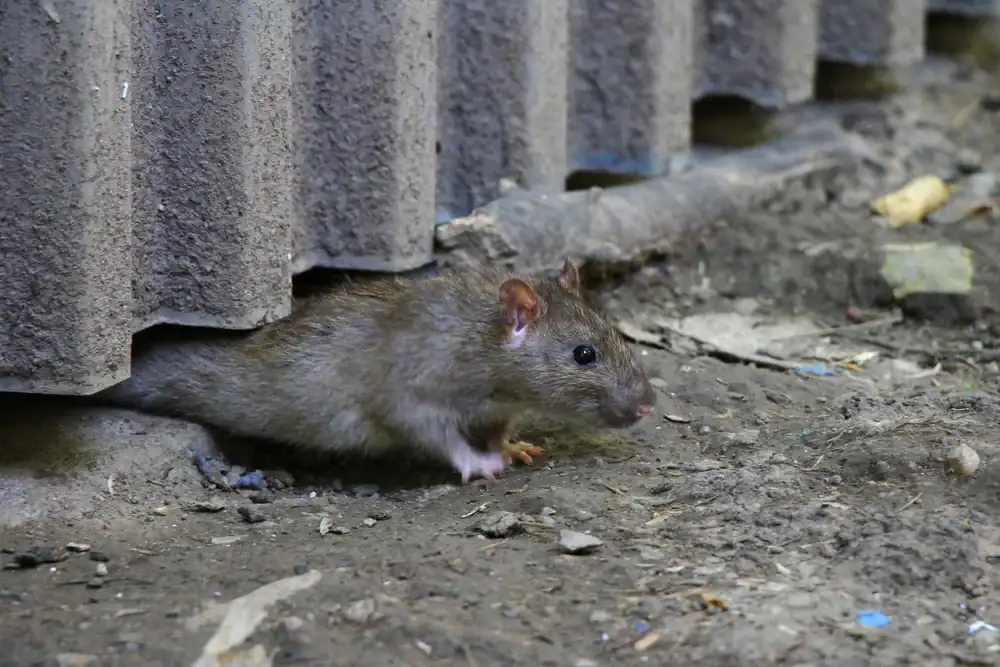
It does matter, though the core approach — inspection, mechanical trapping, sanitization, entry point documentation — applies to both. The main practical difference is where each species tends to nest and what entry points they use. Roof rats, the most common species in San Antonio, FL and throughout central Florida, prefer elevated nesting sites — attics, soffits, and upper wall voids. They’re agile climbers and typically enter through the roofline. Norway rats, the larger of the two common species, tend to burrow and nest at or below ground level, and are more often associated with crawl spaces, utility chases, and exterior burrows near foundations.
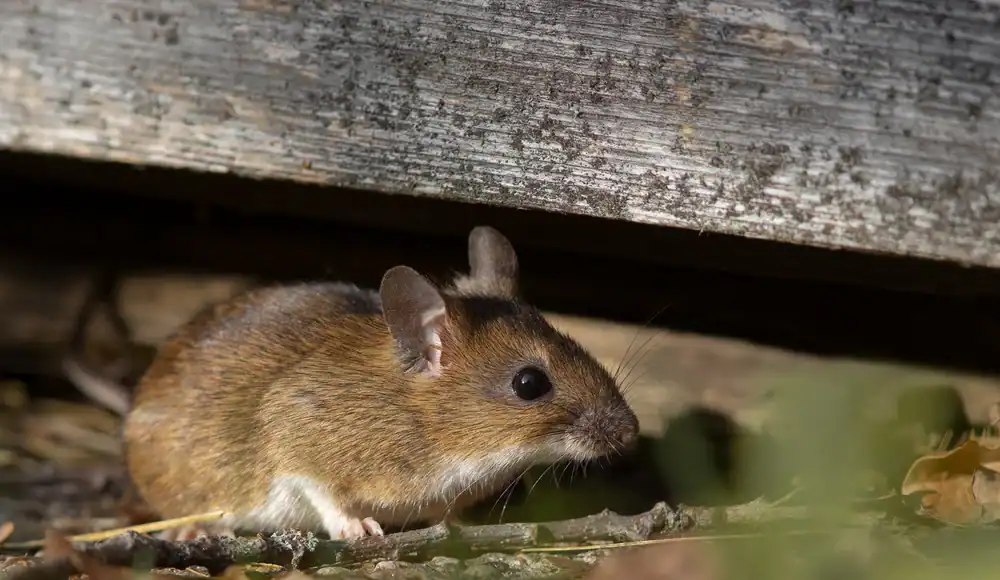
Mice are smaller and can enter through gaps as small as a dime, which means even a well-maintained home can have vulnerabilities that aren’t obvious during a casual visual check. The inspection process is what determines which species is present and where activity is concentrated — you can sometimes tell from the droppings alone, but a trained eye looking at the full picture is more reliable than guessing based on one sign. Treatment is then calibrated to what’s actually there.
Most active infestations show a significant reduction in activity within the first one to two weeks of trap placement. Complete resolution — meaning no further signs of movement, no new droppings, no sounds — typically takes two to four weeks depending on the size of the colony and how long it’s been established. A larger colony that’s been in an attic through a full Florida breeding cycle will take longer to fully address than a small family group that moved in recently.
The sanitization step, which eliminates scent trails left behind in the attic insulation, is part of what determines whether the problem stays resolved. Without it, the chemical pathways that guided the original colony into your home remain intact and will attract new animals once they find a gap. That’s why we include it as part of the treatment rather than offering it as an add-on. For homeowners in San Antonio, FL who’ve dealt with recurring rodent issues despite previous treatments, the scent trail piece is usually what was missing from the prior service.
Yes — and both discounts exist for straightforward reasons. New homeowners in San Antonio, FL frequently discover rodent issues after closing that weren’t visible or disclosed during the sale. Moving into a home and immediately facing an attic infestation is a stressful and expensive situation on top of everything else that comes with a new purchase. The new homeowner discount is a way of making the first call a little easier, and it applies whether you’re moving into a historic property near Saint Anthony Catholic School or a newer build out along the rural edges of the 33576 ZIP code.
The military discount reflects the same thing — a straightforward acknowledgment of the community we operate in and the people who make up a meaningful part of it. Pasco County has a significant military-connected population, and it’s the kind of community where that matters. Both discounts are applied when you call — just mention it when you reach the owner directly, and it’s handled from there. No forms, no verification process that takes longer than the discount is worth.
Other Services we provide in San Antonio