
Fast, reliable pest control from Hernando County’s most trusted family-owned team—with most quotes given over the phone.
Contact Info
Fast, reliable pest control from Hernando County’s most trusted family-owned team—with most quotes given over the phone.
Contact Info


When you’re living in a newer home in San Antonio backed up to a wetland conservation buffer, mosquitoes aren’t a seasonal nuisance — they’re a consistent problem from spring straight through fall. Professional pest control in San Antonio, FL means your backyard becomes usable again, your kids can be outside, and you’re not spraying hardware store repellent every weekend hoping it holds.
Beyond mosquitoes, the bigger concern for most homeowners in San Antonio is what they can’t see. Eastern Pasco County’s active construction environment — with soil being graded and disturbed across developments like Mirada — creates ideal conditions for subterranean termites to move toward new wood sources. Your builder’s pre-treatment doesn’t last forever, and quarterly pest prevention gives you a set of trained eyes on your property before a small problem becomes a structural one.
For the families relocating to San Antonio from out of state, there’s also a learning curve that nobody warns you about. Florida cockroaches, roof rats traveling through tree canopy, fire ants that rebuild overnight — none of that is intuitive if you’ve never lived here before. Getting ahead of it with a consistent prevention plan is genuinely cheaper, less stressful, and more effective than reacting after something has already established itself inside your walls.
Around The Clock Pest Service is a family-owned, owner-operated business serving Hernando and Pasco County — including San Antonio and the surrounding 33576 corridor. George Lundin runs the business personally, which means when you call, you’re talking to the person who holds the state certifications, knows the local pest conditions in San Antonio, and is accountable for every job outcome. Mary Lundin handles the administrative side, and together they’ve built a business that runs on direct communication and honest answers — not scripts.
We carry multiple active FDACS pest control licenses, hold a BBB A+ rating with accreditation since 2022, and have earned over 100 five-star Google reviews from real customers in Hernando and Pasco County. These aren’t reviews from across the country — they’re from your neighbors in San Antonio. George also offers special discounts for new homeowners and military families, which matters in a community like San Antonio where both groups make up a significant share of the population coming into the area through developments like Mirada.

It starts with a phone call — and unlike most pest control companies, we can give you a quote right then. George knows the pest conditions in San Antonio well enough that a site visit isn’t always required before you get a real number. You describe what you’re dealing with, where you’re located in San Antonio, and what kind of property you have, and the conversation goes from there. No pressure, no obligation, and no waiting for someone to come out just to tell you what it’ll cost.
Once you schedule service, George comes out personally. He assesses the property — including entry points, moisture conditions, and any activity signs specific to your lot — and applies treatment based on what’s actually there, not a generic protocol. For homes near the wetland buffers in San Antonio or properties with heavy tree canopy in the older parts of town, that assessment matters. Roof rat access routes along overhanging branches, moisture-loving cockroaches in humid crawl spaces, termite pressure near active construction — these aren’t the same job, and they don’t get the same treatment.
After the initial service, most clients move into a quarterly prevention plan. George schedules follow-up visits throughout the year, monitors for new activity, and adjusts treatment as needed. If something comes up between visits — and in Florida, it sometimes does — you call the same number, George picks up, and it gets handled. That’s the entire model.
Ready to get started?
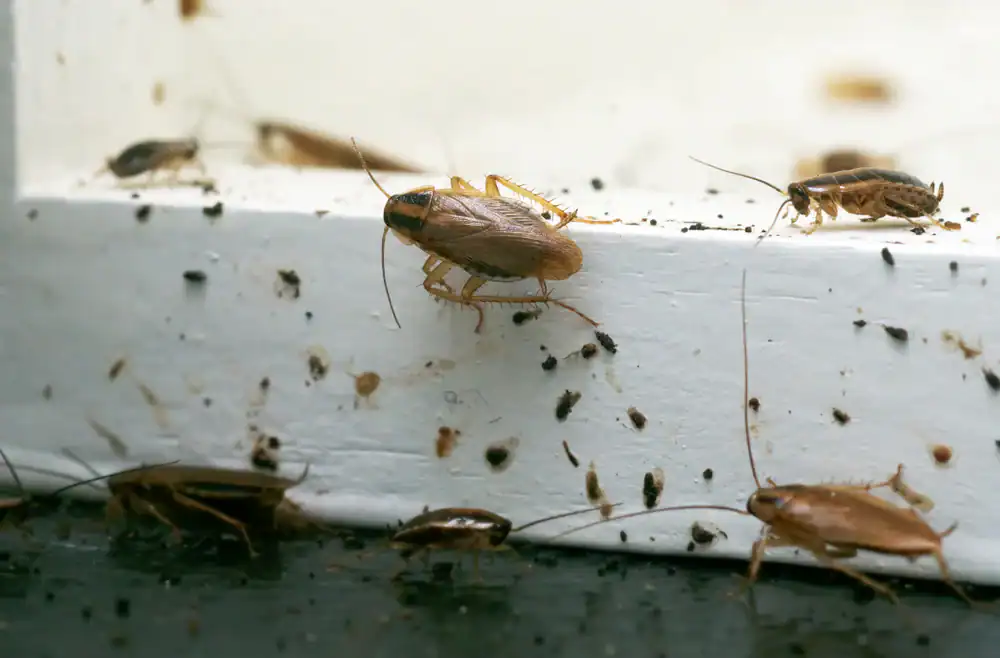
Residential pest management in San Antonio, FL covers the full range of what Florida’s climate and geography throw at homeowners here: cockroaches, ants, spiders, fleas, mosquitoes, rodents, and termites. For homes in San Antonio with pond-adjacent or wetland-adjacent lots, mosquito treatment is a core part of any prevention plan — not an add-on. For properties with mature oak and pine canopy in the older sections of town near the historic downtown area, rodent exclusion and roof rat monitoring are a consistent need.
Termite inspections and WDO reports are also available for homeowners and real estate transactions. Given the volume of new construction sales happening throughout the 33576 ZIP code in San Antonio, WDO inspections are in consistent demand — and we provide state-certified reports that satisfy lender requirements for closing. If you’re buying or selling in San Antonio, this is a service you’ll likely need, and it’s handled by a licensed local provider who knows what to look for in this specific area.
For commercial clients — including food service operations or institutional facilities near Saint Leo University — we offer commercial pest control services in San Antonio, FL with the same direct-owner accountability. No rotating technicians, no regional account managers. George handles it. Pet-safe pest solutions and eco-friendly insect control methods are standard practice, not premium upgrades, because the families and pets living in San Antonio deserve that baseline without having to ask for it.
Yes — and this is one of the most common misconceptions among new homeowners in San Antonio. Florida law requires builders to apply pre-construction termite treatments before the slab is poured, but those treatments have a finite effective window. They do not provide permanent protection, and they don’t cover the full range of pests you’ll encounter once you’re living in the home.
Beyond termites, new construction in San Antonio actually creates some of the most favorable conditions for pest activity. Disturbed soil from ongoing grading and building throughout the area disrupts existing insect and rodent habitats, pushing them toward the nearest available shelter — which is often a newly framed home. Mosquitoes breed in the standing water that accumulates in construction zones and along the wetland conservation buffers that border many San Antonio properties. Fire ants establish mounds in freshly graded soil within weeks. A quarterly prevention plan started early is far more effective than waiting until you have an active infestation and reacting from there.
For most homeowners in San Antonio, quarterly service is the right frequency. Florida doesn’t have a pest off-season — the subtropical climate in Pasco County keeps insects and rodents active year-round, which means annual or semi-annual treatments leave significant gaps in your protection. Quarterly visits allow a trained technician to monitor for new activity, treat before populations establish, and adjust the approach based on what’s actually present at each visit.
The specific conditions in San Antonio reinforce this. Homes near the wetland conservation areas face persistent moisture-related pest pressure throughout the warm months. The rolling terrain and tree canopy in the older parts of San Antonio create ideal harborage for cockroaches and rodents that don’t disappear when the calendar turns. Quarterly pest prevention plans in San Antonio, FL are structured to account for these seasonal shifts — heavier mosquito and ant focus in summer, increased rodent monitoring as temperatures cool in fall, and consistent termite awareness throughout the year.
The most common pest issues in San Antonio and the surrounding eastern Pasco County area include subterranean termites, roof rats, American and German cockroaches, fire ants, mosquitoes, and spiders. Each one presents a different level of risk depending on your property type and location.
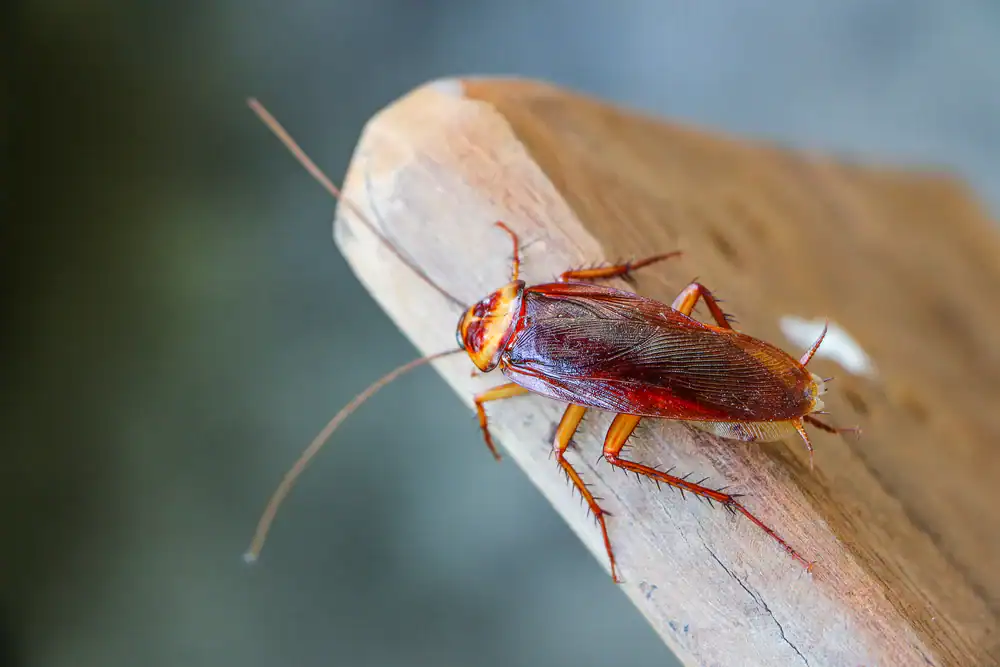
Termites are the most financially serious. They can establish colonies beneath a slab foundation with no visible surface signs for months, and by the time you notice damage, the repair cost is significant. Roof rats are a close second in terms of structural and health risk — they travel through tree canopy, access homes through gaps near rooflines, and can cause wiring damage that creates fire hazards. Cockroaches and mosquitoes are more about quality of life and health concerns, but they’re persistent in Florida’s humidity and particularly active near the pond and wetland areas throughout San Antonio. Fire ants are a year-round reality in Pasco County and a genuine hazard for children and pets. None of these are problems that resolve on their own — professional pest control in San Antonio, FL is the practical solution, not an optional extra.
When applied by a state-licensed technician using professional-grade products, modern pest control treatments are designed to be safe for humans and animals. We use pet-safe pest solutions as standard practice — not as a premium option you have to request. That means no rodent bait stations that create secondary poisoning risks for dogs, no residual chemical applications in areas where children play, and clear communication about any re-entry timing after treatment so you know exactly when your family and pets can move freely through treated areas.
For San Antonio residents specifically — where outdoor living and family activities are central to daily life — this matters. You’re not keeping your pets inside all day after a service visit. George will walk you through exactly what was applied, where, and what the safe re-entry window looks like for your specific situation. If you have questions about a particular product or application method, ask during the call. That’s the advantage of talking directly to the person doing the work rather than a customer service representative reading from a script.
A WDO inspection — Wood-Destroying Organism inspection — is a state-certified assessment of a property for evidence of termites, wood-boring beetles, wood-decaying fungi, and other organisms that damage structural wood. In Florida, most mortgage lenders require a WDO report before they’ll approve a loan, which means if you’re buying a home in San Antonio, you almost certainly need one before closing.
Given the volume of new construction sales happening throughout the 33576 ZIP code in San Antonio — with D.R. Horton, Lennar, Ryan Homes, and others actively selling homes in the area — WDO inspections are in consistent demand. Even for new construction, an independent WDO inspection is worth having. The builder’s pre-treatment documentation tells you what was applied before the slab was poured, but it doesn’t tell you the current condition of the property or whether any activity has developed since construction. We provide state-certified WDO reports from a licensed local inspector who knows what to look for in eastern Pasco County’s specific pest environment — not a national chain processing inspections as a high-volume checkbox.
Yes — we offer a discount specifically for new homeowners, which is directly relevant to what’s happening in San Antonio right now. Thousands of households have moved into the area over the past few years, many of them relocating from out of state and encountering Florida’s pest environment for the first time. The new homeowner discount is a practical acknowledgment that your first year in a Florida home comes with unexpected costs and a steep learning curve — and that getting professional pest control in San Antonio, FL started early shouldn’t be a financial barrier.
A military discount is also available. Pasco County has a notable veteran and active-duty population, and we extend that discount as a straightforward recognition of service — no hoops, no fine print. If either discount applies to you, mention it when you call. George will confirm eligibility and apply it to your service. The goal is to make it easy to get started with a prevention plan before a problem develops, not after you’re already dealing with something that’s taken hold.
Other Services we provide in San Antonio