
Fast, reliable pest control from Hernando County’s most trusted family-owned team—with most quotes given over the phone.
Contact Info
Fast, reliable pest control from Hernando County’s most trusted family-owned team—with most quotes given over the phone.
Contact Info
One-time pest sprays might seem cheaper, but they leave Florida homeowners vulnerable to re-infestation. Quarterly prevention creates lasting barriers that adapt to seasonal pest pressures.
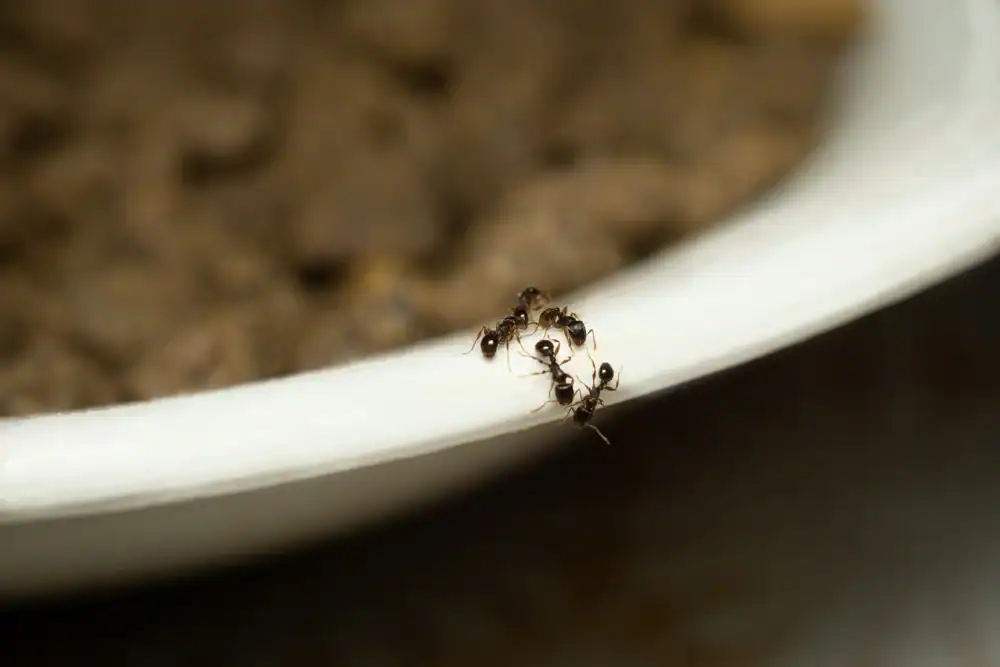
You see ants trailing across your kitchen counter. You call someone out. They spray. Problem solved, right? For a few weeks, maybe. Then the ants are back. Or this time it’s roaches. Or spiders. And you’re back on the phone, paying for another visit.
Here’s what most Florida homeowners don’t realize: one-time pest treatments aren’t designed to keep pests out long-term. They’re reactive. They address what’s already inside. But in Pasco County and Hernando County, where the climate practically rolls out the welcome mat for pests year-round, you need a strategy that works ahead of the problem—not after it.
Ongoing pest control services provide consistent monitoring, seasonal treatments, and preventative barrier protection that stop infestations before they start.
That’s where quarterly pest prevention comes in. It’s not just about spraying more often. It’s about creating a protective barrier that adapts to what’s trying to get in, season after season, so you’re never caught off guard.
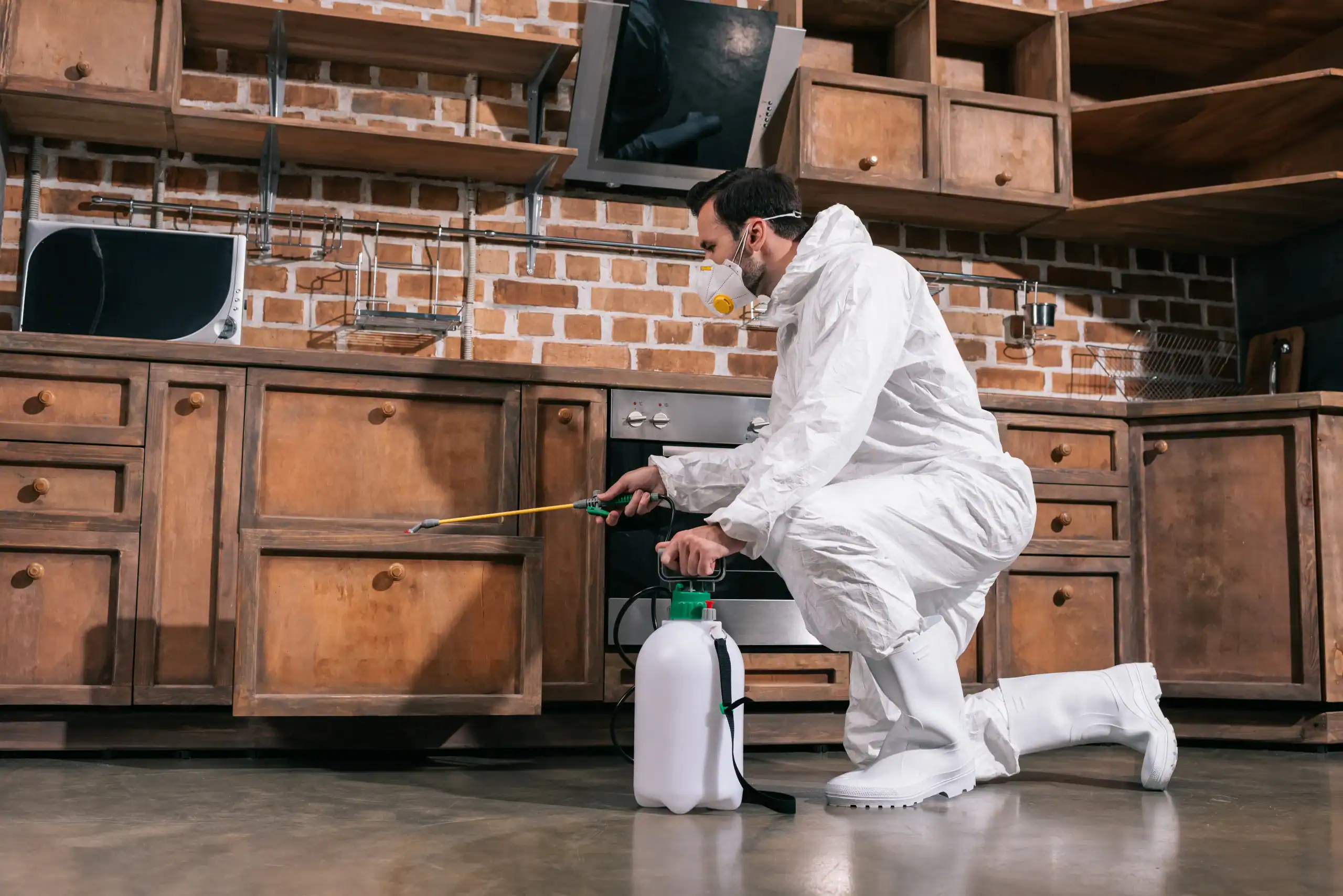
When we treat your home, we’re not just spraying randomly and hoping for the best. Professional pest management is about creating a chemical barrier around your property—a protective zone that pests can’t cross without consequence.
The application typically covers a band around your home’s perimeter, extending about three feet up the exterior walls and three feet out onto the ground. This targets the most common entry points: foundation cracks, door frames, window seals, and gaps around pipes or vents. The treatment also gets into the cracks and crevices where pests like to hide and travel.
But here’s the key: these treatments don’t just repel pests. They eliminate them on contact. When ants, roaches, spiders, or other crawling insects cross that treated zone, they pick up the product on their bodies. It disrupts their nervous system, and they don’t survive long enough to establish trails, build colonies, or bring friends inside. That’s how infestations get stopped before they ever start.
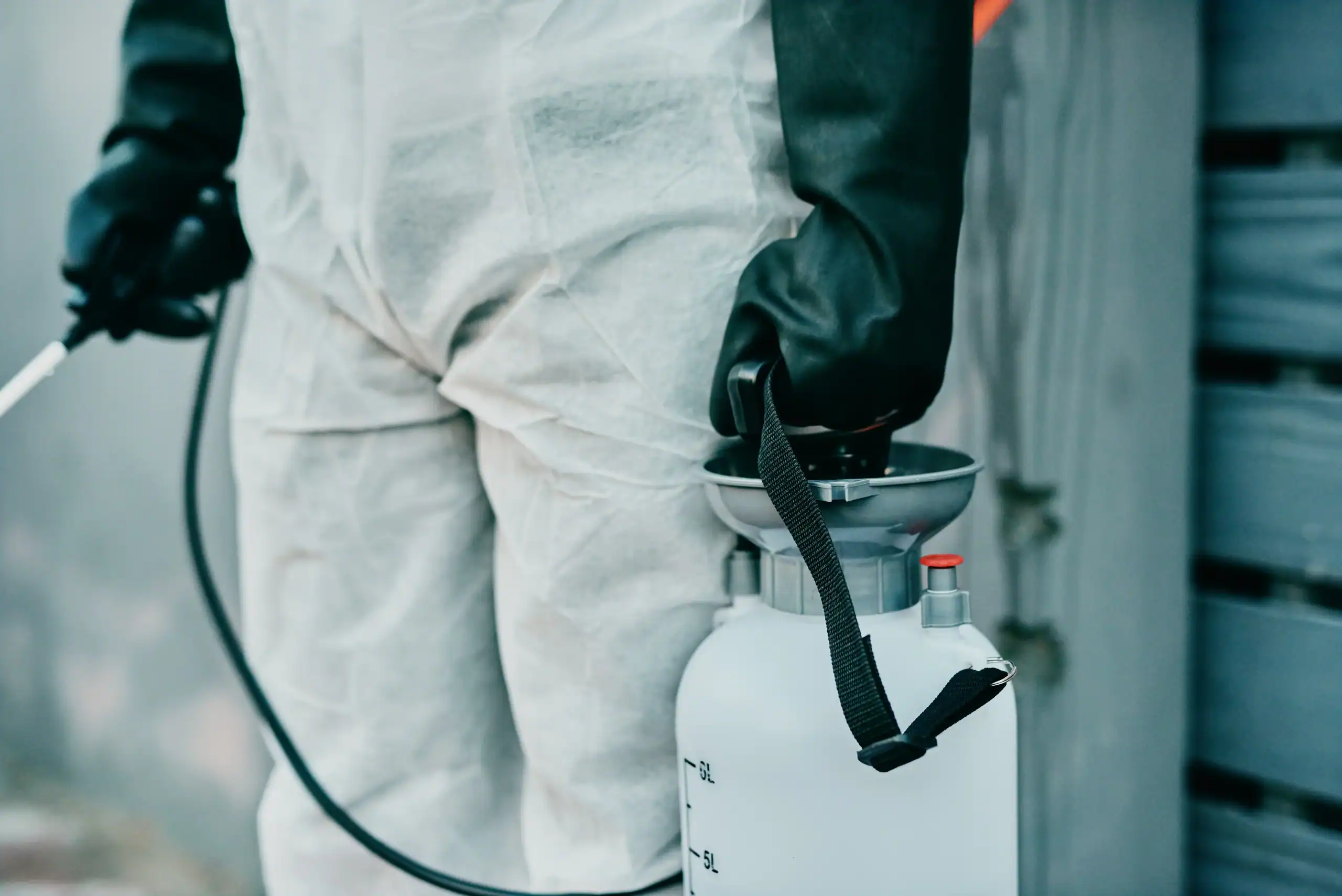
Even the best pest control products don’t last forever. Most professional-grade treatments remain effective for about three months under normal conditions. After that, the barrier starts to weaken.
Why does this happen? Florida’s weather plays a huge role. Rain can dilute and wash away treatments, especially during the summer months when afternoon storms roll through almost daily. Intense UV exposure from the sun breaks down the active ingredients over time. Humidity, heat, and even irrigation systems all contribute to the gradual breakdown of that protective barrier.
Then there’s the constant pressure from pests themselves. Florida is home to 32 different species of ants alone. Add in cockroaches, termites, spiders, rodents, and other invaders, and you’re dealing with year-round activity. In fact, there are roughly 13 subterranean termite colonies per acre in Florida. That means your home is always under threat, and any gap in your defense is an open invitation.
This is exactly why the pest control industry recommends quarterly treatments. It’s not a sales tactic—it’s based on how long these products actually work in real-world conditions. Quarterly service ensures that your barrier is refreshed before it fully degrades, keeping your home consistently protected without leaving windows of vulnerability.
When you rely on one-time treatments, you’re essentially hoping the product lasts longer than it’s designed to. And when it doesn’t, pests move back in. You end up paying for another emergency visit, which often costs just as much as a scheduled quarterly service would have. Except now you’ve already dealt with the problem inside your home.
Quarterly pest control isn’t just about showing up and spraying the same thing every time. Each visit is tailored to what’s happening with pests in that specific season, because pest activity in Florida changes throughout the year.
In the spring, ants become more active as temperatures warm up. Fire ants, ghost ants, and carpenter ants all start foraging for food and establishing new colonies. Spring treatments focus on creating a strong barrier early in the season to prevent these pests from gaining a foothold. We also inspect for early signs of termite activity, since spring is when termites swarm and start new colonies.
Summer brings peak pest pressure. The heat and humidity create ideal conditions for cockroaches, spiders, and mosquitoes. Summer treatments reinforce the exterior barrier and address any flying insect nests that may have formed around your property. This is also when rodents may seek shelter indoors to escape the heat, so entry points get extra attention.
Fall is when pests start looking for warm places to spend the cooler months. Spiders reproduce and spread indoors. Rodents become more aggressive about finding entry points. Stink bugs and other overwintering pests try to sneak inside. Fall treatments focus on sealing up your home before these pests settle in for the season.
Even in Florida’s mild winters, pests don’t disappear—they just shift behavior. Cockroaches and rodents move indoors seeking warmth and food. Winter treatments focus on interior monitoring and exterior maintenance to ensure nothing has breached your defenses during the transition.
Each quarterly visit also includes an inspection. We walk your property looking for signs of pest activity, potential entry points, and conditions that might attract pests—like standing water, overgrown vegetation near the foundation, or cracks that need sealing. This proactive approach catches problems early, before they become expensive infestations.
You’re not just getting a spray. You’re getting a trained professional who knows your property, understands seasonal pest behavior in your area, and adjusts the treatment plan accordingly. That’s the difference between reactive pest control and true prevention.
Want live answers?
Connect with a Around The Clock Pest Service expert for fast, friendly support.
One-time pest treatments seem like the budget-friendly option. You pay once, the pests go away, and you move on with your life. But here’s what that approach actually costs you.
First, there’s the repeat visit cycle. A single one-time treatment might run anywhere from $100 to $300, depending on the pest and severity. But pests don’t stay gone. In Florida’s climate, you’re likely dealing with at least two or three pest issues per year. That means you’re paying for multiple one-time treatments annually, which quickly adds up to more than a quarterly plan would have cost—except now you’ve also dealt with the inconvenience and stress of each infestation.
Then there’s the structural damage you’re risking. Termites can feed on your home’s wood for three to five years before you even notice visible damage. By the time you see signs, they’ve already caused thousands of dollars in destruction. Carpenter ants work more slowly but cause similar problems. Rodents chew through wiring, insulation, and structural components. One-time treatments don’t catch these threats early because there’s no regular inspection happening.

It’s tempting to grab a can of spray from the hardware store and handle pest problems yourself. You’ll save money, right? Not exactly.
Studies show that 37% of homeowners attempt DIY pest control, but 64% of them can’t fully resolve the problem. That’s because store-bought products aren’t formulated the same way professional treatments are. They might kill the pests you can see, but they don’t create a lasting barrier. They don’t target the colony. And they don’t address the root cause of why pests are getting inside in the first place.
Professional pest control uses products that aren’t available to consumers. These are designed with delayed-action formulas that allow pests to carry the treatment back to their nests, disrupting entire colonies rather than just killing individual bugs. The application method matters too—we know where to treat, how much to use, and which products work best for specific pests in Florida’s climate.
There’s also the safety factor. Misusing pesticides can create health risks for your family and pets. It can contaminate your home or yard if applied incorrectly. And if you’re dealing with pests like termites or rodents, improper treatment can actually make the problem worse by causing them to scatter and spread throughout your home.
DIY might save you money in the short term, but when it doesn’t work, you end up paying for professional service anyway—except now the infestation is worse, and the treatment costs more. It’s one of those situations where trying to save money upfront ends up costing you more in the long run.
When you factor in your time, the cost of products that don’t work, and the risk of making the problem worse, professional quarterly pest control starts looking like the smarter investment. You’re paying for expertise, effective products, and a guarantee that if pests return between visits, we’ll come back at no extra charge.
Let’s talk real numbers. A typical one-time pest control visit costs between $100 and $300. If you’re dealing with pests three or four times a year—which is common in Florida—you’re spending $300 to $1,200 annually on reactive treatments.
Quarterly pest control plans typically range from $90 to $200 per visit, totaling $360 to $800 per year. That’s often less than what you’d spend on multiple one-time treatments. But the real savings go beyond the service cost itself.
Quarterly plans come with warranties. If pests show up between your scheduled visits, we return for free to re-treat. That’s built into the plan. With one-time treatments, every callback is another full-price visit. Quarterly plans also include inspections at each visit, which means potential problems get caught early—before they turn into expensive emergencies.
Then there’s the structural protection. Termites cause roughly $5 billion in damage to American homes every year, and most homeowner’s insurance policies don’t cover it. A quarterly pest control plan that includes termite monitoring can save you tens of thousands in repair costs by catching activity before major damage occurs. The same goes for rodents, which can chew through electrical wiring and create fire hazards, or carpenter ants, which tunnel through wood structures.
There’s also the convenience factor. With a quarterly plan, your visits are scheduled automatically. You don’t have to remember to call. You don’t have to deal with the stress of discovering pests and scrambling for an appointment. We get to know your property, which means faster, more effective service each time.
And let’s not forget the peace of mind. Knowing your home is protected year-round, that someone is monitoring for problems, and that you won’t wake up to ants in the kitchen or spiders in the bathroom—that has value too. You’re not constantly reacting to pest problems. You’re preventing them from happening in the first place.
When you add it all up—the lower per-visit cost, the warranty coverage, the early detection of serious threats, and the elimination of emergency treatments—quarterly pest control isn’t just the smarter choice. It’s the more economical one.
Pest control in Florida isn’t a one-and-done situation. The climate, the pest pressure, and the risks to your home all demand a more strategic approach. One-time treatments might address the immediate problem, but they leave you vulnerable to the next wave—and in Florida, there’s always a next wave.
Quarterly pest prevention creates a consistent barrier that adapts to seasonal pest activity. It catches problems early. It protects your home from structural damage. And over time, it costs less than the cycle of reactive treatments most homeowners get stuck in.
If you’re tired of dealing with pests every few months, or if you want to protect your home before problems start, it’s time to rethink your approach. We provide expert quarterly pest prevention for homeowners in Pasco County and Hernando County, backed by state certifications, transparent pricing, and a commitment to personal service. When you work with a family-owned company that answers your calls 24/7 and treats your home like our own, you’re not just getting pest control—you’re getting peace of mind.
Summary:
Article details:
Share: