
Fast, reliable pest control from Hernando County’s most trusted family-owned team—with most quotes given over the phone.
Contact Info
Fast, reliable pest control from Hernando County’s most trusted family-owned team—with most quotes given over the phone.
Contact Info
Buying your first Florida home is exciting—but pests don't take breaks here. Learn how to start pest-free and stay that way.
When you’re a renter, pest control is usually someone else’s problem. Now it’s yours. And in Florida, that responsibility comes with higher stakes than you might expect.
Our subtropical climate creates perfect conditions for pests to breed, nest, and damage property year-round. Termites can quietly eat away at your home’s structure for months before you notice. Roaches multiply fast and love moisture. Ants find their way inside through cracks you didn’t even know existed. The list goes on.
The financial risk is real. Termite damage alone can cost anywhere from $3,000 to $8,000 to repair—and most homeowner’s insurance won’t cover it. That’s why starting with a solid pest prevention plan isn’t optional. It’s one of the smartest investments you can make as a new homeowner.

If you’re using a mortgage to buy your home, there’s a good chance your lender will require a WDO inspection before closing. WDO stands for Wood-Destroying Organism—basically, it’s a termite inspection, but it also covers wood-boring beetles, wood-decaying fungi, and carpenter ants.
In Florida, this inspection isn’t just a formality. It’s required for most FHA and VA loans, and many conventional lenders ask for it too. Florida has a high number of termite infestations year-round, so lenders want to make sure the property is structurally sound before they approve your loan.
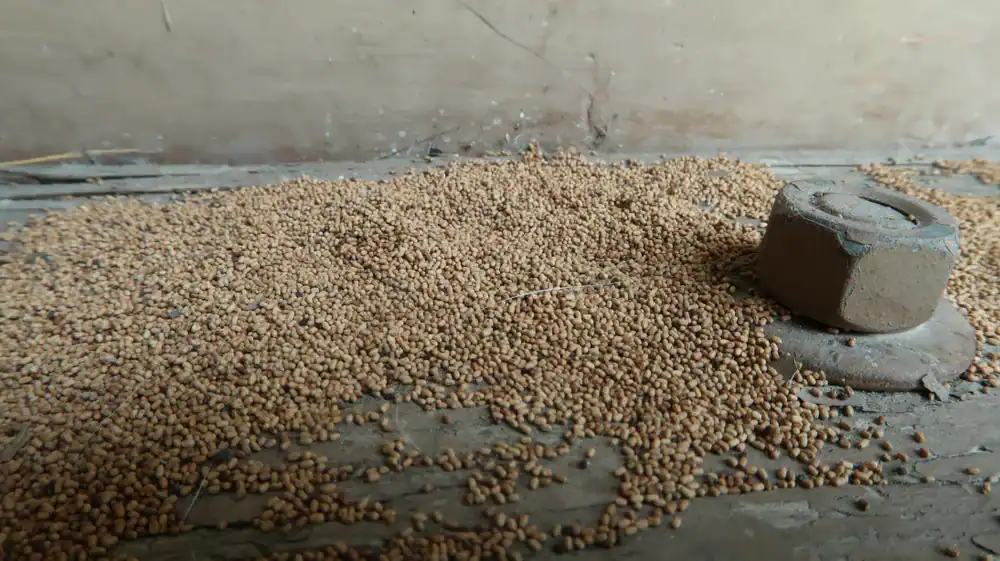
The inspection itself is straightforward. A state-certified inspector will examine all accessible areas of the home—attics, basements, crawl spaces, foundations, and anywhere wood is exposed. They’re looking for signs of active infestations, visible damage, mud tubes, frass (termite droppings), or conditions that could attract pests in the future.
Most inspections take about an hour, though older or larger homes might take longer. You’ll receive a detailed report that outlines any findings. If there’s an active infestation or damage, the seller typically handles treatment before closing—or you negotiate a credit to cover the cost.
Here’s what matters: even if your lender doesn’t require a WDO inspection, get one anyway. It’s a small upfront cost (usually $75 to $150) compared to the thousands you could spend fixing hidden termite damage later. Think of it as insurance for your biggest investment.
And once you close, don’t assume the inspection means you’re in the clear forever. Termites and other pests can move in at any time. That’s where ongoing prevention comes in.
Florida is home to some of the most persistent pests in the country. If you’re new to the area—or new to homeownership here—it helps to know what you’re up against.
Termites are at the top of the list. Subterranean termites are the most destructive type in Florida. They build colonies underground and access your home through mud tubes along foundations or cracks in the slab. Drywood termites are another concern—they infest wood directly and don’t need soil contact. Both types can cause serious structural damage if left untreated.
Roaches are a year-round issue, especially in Pasco and Hernando Counties. The Florida woods cockroach (also called a palmetto bug) can grow over an inch long. German cockroaches are smaller but multiply quickly and love kitchens and bathrooms. They’re not just gross—they spread bacteria and trigger allergies.
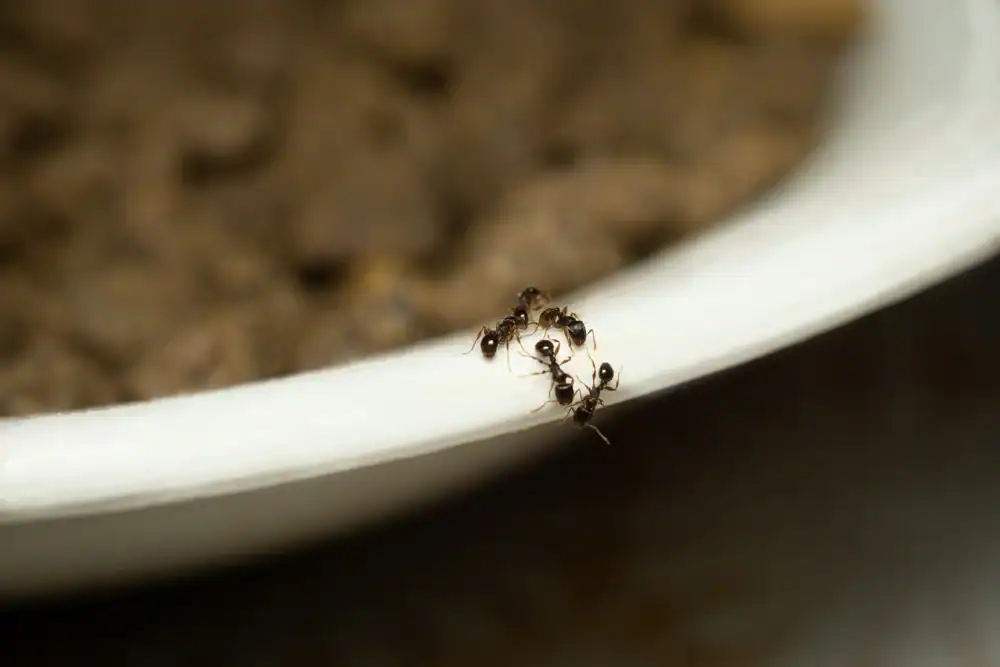
Ants are everywhere. Ghost ants, carpenter ants, fire ants—they all thrive here. Some are just a nuisance, but carpenter ants can damage wood, and fire ants deliver painful stings. Once they find a food source inside your home, they’ll keep coming back.
Rodents like mice and rats are common, especially in the cooler months when they’re looking for warmth. They chew through insulation, wiring, and drywall. They leave droppings. And they carry diseases that can affect your family and pets.
Mosquitoes breed in standing water, which Florida has plenty of—especially during the rainy season from May through October. They’re not just annoying. They can carry diseases like West Nile virus and Zika.
The point isn’t to scare you. It’s to help you understand why prevention matters. You’re not dealing with pests that disappear in the winter. You’re dealing with pests that are active 365 days a year. That’s why quarterly pest prevention is so common here—it’s not overkill. It’s necessary.
Want live answers?
Connect with a Around The Clock Pest Service expert for fast, friendly support.
Quarterly pest prevention means a licensed technician treats your home every three months—four times a year. It’s the most common pest control schedule in Florida, and for good reason.
The goal isn’t just to kill pests you already have. It’s to stop them from getting in at all. Treatments create a protective barrier around your home’s exterior—along the foundation, around doors and windows, in the attic, and anywhere pests are likely to enter. Interior treatments target high-risk areas like kitchens, bathrooms, and garages.
Most quarterly plans cover common household pests: ants, roaches, spiders, silverfish, earwigs, and more. Some plans also include termite monitoring or rodent control, depending on what you need. If pests show up between scheduled visits, most companies will come back out for free.
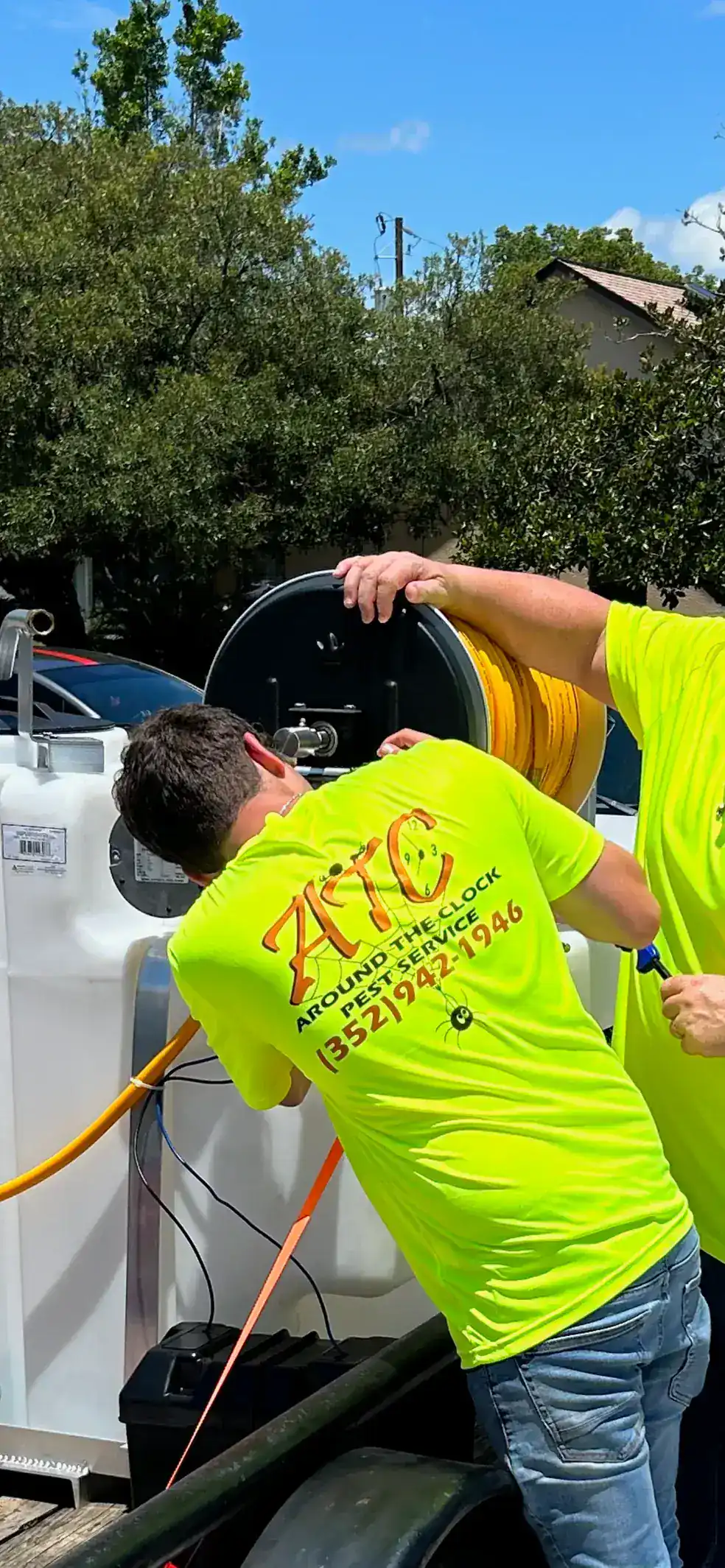
Your first visit is usually the most thorough. The technician will inspect your entire property—inside and out—to identify problem areas, entry points, and conditions that attract pests. They’ll treat the interior first, focusing on kitchens, bathrooms, attics, and garages. This might include baiting plumbing access points, treating cracks and crevices, and applying dust or gel treatments in areas where pests hide.
On the exterior, they’ll establish a protective barrier by treating the foundation, windows, doors, eaves, and a perimeter around your home (typically 50 feet). They’ll also remove spider webs, treat wasp nests, and seal obvious entry points.
After that first visit, most companies focus on maintaining the exterior barrier every quarter. The interior is usually treated as needed or upon request. Each visit includes an inspection to catch any new activity early.
The whole process is designed to be low-maintenance for you. You don’t need to be home for most visits (once you’ve done the initial walkthrough). The technician will leave a service report so you know exactly what was done.
Quarterly treatments work because they disrupt pest life cycles. Roaches, ants, and other insects breed quickly—if you wait too long between treatments, populations can explode. Treating every three months keeps pest numbers low and prevents infestations before they start.
And here’s the financial reality: quarterly prevention is almost always cheaper than dealing with infestations after the fact. A one-time emergency treatment for roaches or ants can cost a few hundred dollars. If that happens two or three times a year, you’ve already spent more than a full year of quarterly service. Plus, you’re dealing with the stress and damage that comes with an infestation.
Not all local pest control companies are the same. When you’re a new homeowner, you want someone reliable, transparent, and responsive—not just the cheapest option.
Start by checking credentials. In Florida, pest control companies must be licensed and certified by the state. Look for companies with multiple certifications (like termite inspection licenses, WDO credentials, and general pest control licenses). This shows they’re qualified to handle the full range of pest issues you might face.
Read reviews, but read them carefully. A few negative reviews aren’t a dealbreaker—every company has off days. What matters is how they respond. Do they address complaints? Do they make things right? Look for consistent themes in the positive reviews: responsiveness, professionalism, effectiveness, and follow-through.
Ask about guarantees. Most reputable companies offer some kind of satisfaction guarantee. If pests come back between scheduled treatments, they should return for free. If you’re not happy with the service, they should make it right or refund your money.
Consider local, family-owned businesses. Larger national chains have their place, but smaller companies often provide more personalized service. When you work directly with the owner, you’re not just another account number. You’re a neighbor. That often translates to faster response times, better communication, and more flexibility.
Ask about availability. Pests don’t work 9 to 5, and neither should your pest control company. Look for companies that offer 24/7 availability, weekend service, and fast response times. If you call on a Saturday morning because you found termite swarmers, you shouldn’t have to wait until Monday for a callback.
Get quotes over the phone when possible. Transparent pricing is a good sign. If a company can give you a ballpark estimate based on your home’s size and your needs, that shows they’re confident in their pricing and not trying to upsell you once they’re on-site.
And don’t skip the consultation. The best pest control company for your home will take the time to walk your property, answer your questions, and explain their process. If they’re rushing through or making you feel like you’re bothering them, that’s a red flag.
Buying your first home is a huge step. Protecting it shouldn’t feel overwhelming. The key is to start early, stay consistent, and work with people you trust.
Get a WDO inspection before you close if your lender requires it—and even if they don’t. Set up a quarterly pest prevention plan within your first month. Seal entry points, manage moisture, and keep your property clean. These small steps add up to long-term protection.
We work with new homeowners in Pasco County, FL and Hernando County, FL every day. We understand what you’re going through, and we’re here to make the process simple. If you’re ready to start pest-free, reach out. We’ll walk you through your options, answer your questions, and help you protect your investment from day one.
Summary:
Article details:
Share: