
Fast, reliable pest control from Hernando County’s most trusted family-owned team—with most quotes given over the phone.
Contact Info
Fast, reliable pest control from Hernando County’s most trusted family-owned team—with most quotes given over the phone.
Contact Info
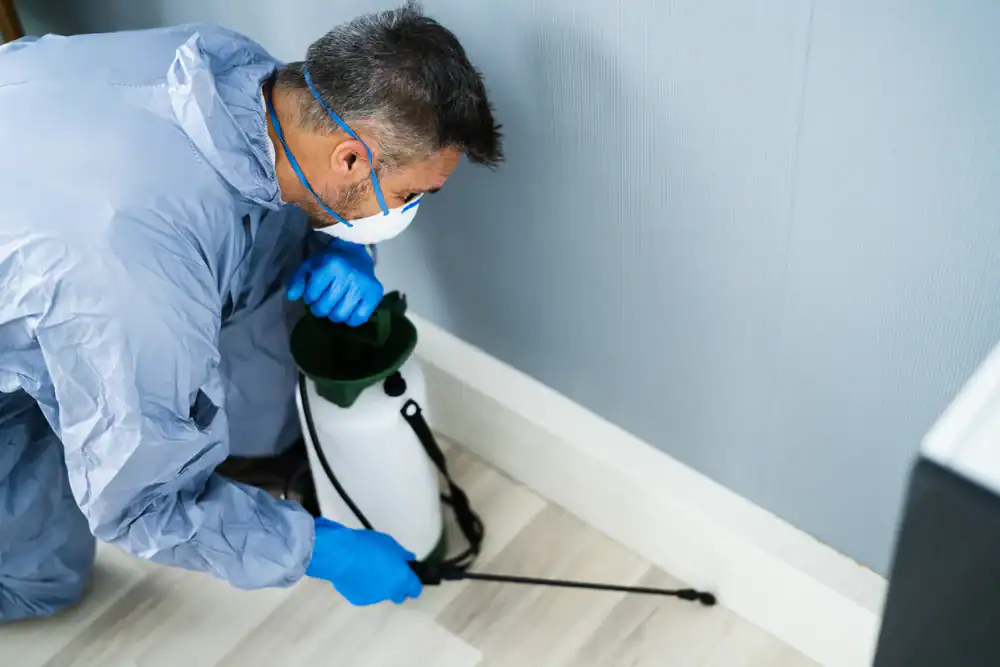
You’re not just getting a one-time inspection and a hope for the best. You’re getting ongoing protection that actually monitors your property, catches activity before it becomes expensive, and keeps termites from turning your biggest investment into their next meal.
In Port Richey and across Hernando County, termites don’t take a break. Florida’s warm, humid climate means they’re active all year, feeding up to seven times faster than they would up north. That’s why a single inspection isn’t enough. You need a system that stays ahead of them.
With an annual termite protection plan, you get regular monitoring, preventative treatments when needed, and the peace of mind that comes from knowing someone’s actually watching. If termites show up, you’ll know early—not three years later when the damage is already done and your repair bill is sitting at $8,000 or more.
Around The Clock Pest Service is a family-run operation serving Port Richey, Spring Hill, and the surrounding Hernando and Pasco County areas. You work directly with the owner—not a call center, not a different technician every visit. That means faster responses, honest answers, and someone who actually cares whether your home stays protected.
We’re state-certified by the Florida Department of Agriculture for termite inspections and treatments, and we’ve built a reputation on transparency and real service. Over 100 five-star Google reviews back that up. We answer calls 24/7, even on weekends, and most quotes are handled right over the phone so you’re not left waiting or wondering what it’s going to cost.
If you’re a new homeowner or military family in the Port Richey area, we offer special discounts. We also handle WDO inspections for real estate transactions with fast turnaround, so closings don’t get delayed.
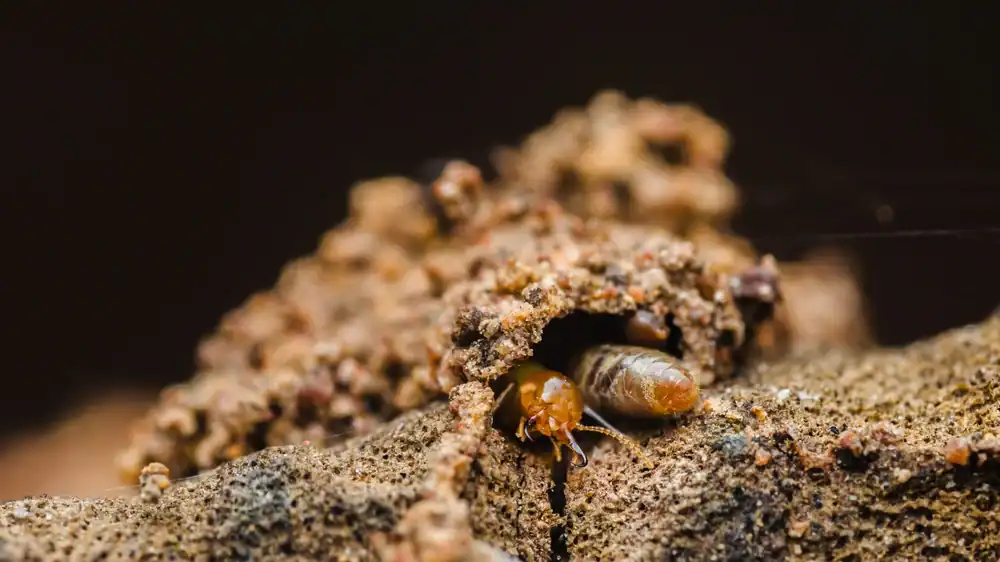
First, we schedule a thorough inspection of your property. That means checking the foundation, crawl spaces, attic, any wood-to-ground contact points, and other high-risk areas where termites typically enter or feed. We’re looking for active infestations, early warning signs like mud tubes or frass, and conditions that make your home vulnerable.
Once we know what we’re dealing with, we explain what we found in plain terms—no jargon, no upselling. If treatment is needed, we walk you through your options, what each one does, and what it costs. Most of the time, we can give you a quote right there on the call or after the inspection.
Treatment depends on the situation. For active infestations, we use targeted applications to eliminate the colony. For prevention, we set up monitoring stations and apply barrier treatments that keep termites from getting in. Then we put you on an annual protection plan so we’re checking in regularly, catching problems early, and keeping your home defended year-round. You’re not on your own after the first visit.

Ready to get started?
You get a full property inspection that identifies current activity and risk factors specific to your home. You get a clear explanation of what’s happening and what needs to happen next. And if treatment is necessary, you get state-certified application methods that actually work—not shortcuts.
Our annual termite protection plan includes regular monitoring visits, so we’re keeping an eye on your property throughout the year. If we spot new activity, we address it before it becomes a bigger problem. That’s the difference between prevention and reaction. One saves you money. The other costs you thousands after the damage is done.
In Port Richey, the average acre of land has three to five termite colonies. Your home is surrounded. The question isn’t whether termites are nearby—it’s whether they’ve found a way in yet. Florida homeowners lose over $500 million a year to termite damage, and insurance won’t cover it because it’s considered preventable. That’s exactly what we’re here to do: prevent it, so you’re not the one writing a check for $8,000 to $12,000 in repairs that didn’t have to happen.
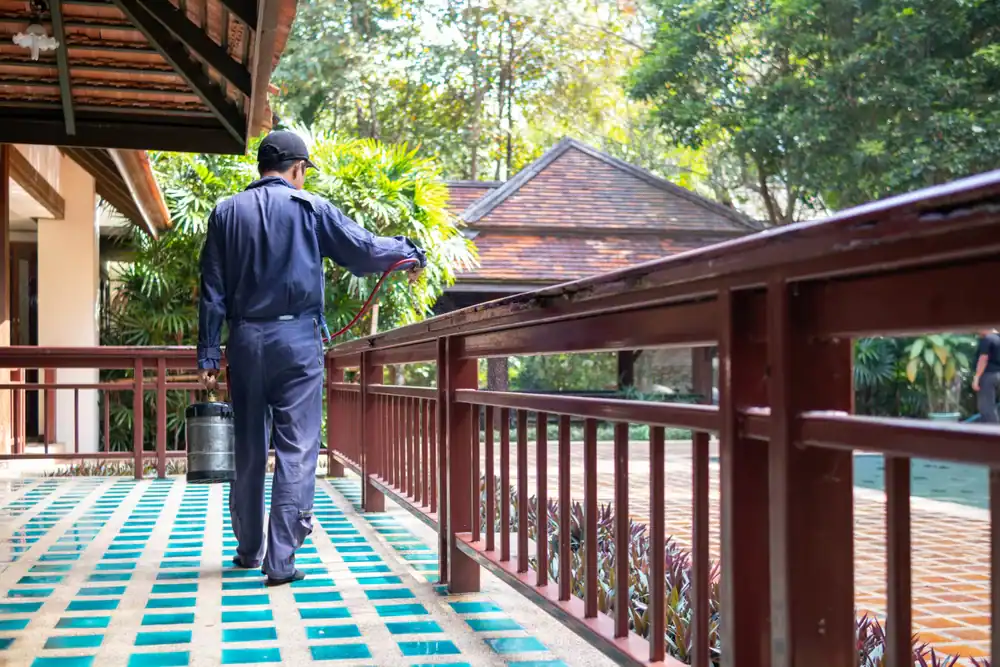
Most termite prevention services in Port Richey run between $500 and $1,500 depending on the size of your property, the treatment method, and whether you’re dealing with an active infestation or setting up preventative protection. An annual termite protection plan typically costs a few hundred dollars a year after the initial treatment, which is a fraction of what you’d pay if termites get in and start feeding.
To put that in perspective, the average termite damage repair in Florida costs $8,000 to $12,000. Severe cases can go over $20,000. So paying for prevention isn’t an expense—it’s the cheapest insurance you’ll ever buy for your home, especially since your homeowner’s policy won’t cover termite damage.
We give most quotes over the phone once we know your property size and what you’re dealing with. No surprises, no hidden fees. If you’re a new homeowner or military family, we offer discounts that bring the cost down even further.
The tricky part is that termites can be feeding on your home for three to five years before you notice anything. By the time signs show up, damage is already happening. That’s why regular inspections matter more than waiting for something obvious.
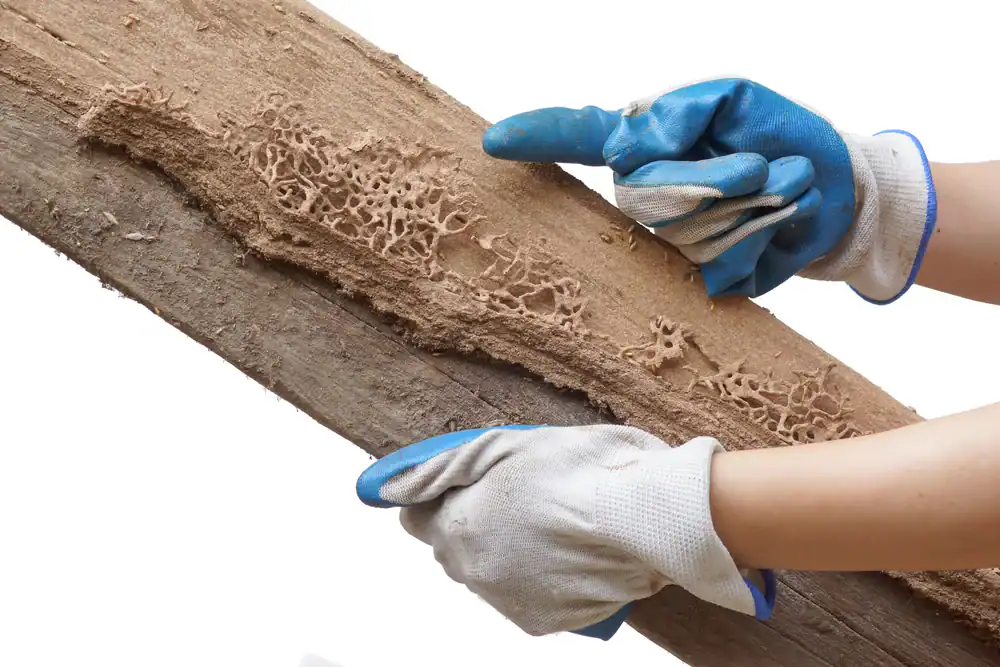
Early signs include mud tubes running up your foundation or along walls—these are tunnels termites build to travel between soil and wood. You might see discarded wings near windowsills or doors after a swarm, which happens in spring and early summer in Florida. Wood that sounds hollow when you tap it, sagging floors, or doors and windows that suddenly stick are all red flags.
Drywood termites leave behind frass, which looks like tiny wood-colored pellets near baseboards or furniture. Subterranean termites, which are more common in Port Richey, usually stay hidden inside the wood or underground. If you’re seeing damage on the surface, the problem is already serious. That’s why we recommend annual inspections even if everything looks fine.
Once a year, minimum. Florida’s climate keeps termites active year-round, and they can cause significant damage in a short amount of time. An annual inspection catches problems early, before they turn into expensive repairs.
If you’re buying or selling a home, you’ll need a WDO inspection as part of the real estate transaction. That’s a one-time requirement, but it doesn’t replace ongoing monitoring. Once you own the property, you’re responsible for keeping it protected, and that means regular checkups.
If you’re on an annual termite protection plan, inspections are built in. We come out, check your property, monitor for new activity, and address anything we find before it gets worse. That’s the whole point—you’re staying ahead of the problem instead of reacting to it after the damage is done.
No. Termite damage is considered preventable, which means it falls under home maintenance—and that’s your responsibility, not your insurance company’s. If termites destroy part of your home, you’re paying for repairs out of pocket.
That’s one of the biggest misconceptions homeowners have. They assume their policy will cover it, so they don’t prioritize prevention. Then they find out the hard way that they’re on the hook for $8,000, $12,000, or more depending on how bad the damage is.
The good news is that prevention costs a fraction of what repairs do. An annual termite protection plan runs a few hundred dollars a year. Compare that to a five-figure repair bill, and it’s an easy decision. You’re either paying a little now to keep termites out, or you’re paying a lot later to fix what they destroyed.
A WDO inspection—which stands for Wood-Destroying Organism—is required for most real estate transactions in Florida. It’s a formal report that checks for termites, wood-boring beetles, and other pests that damage wood. Lenders and buyers want proof that the property isn’t infested before closing.
A standard termite inspection is more focused. It’s checking specifically for termite activity, risk factors, and conditions that make your home vulnerable. You’d get this done as part of routine maintenance or if you suspect a problem.
Both involve a thorough look at your property, but the WDO inspection is tied to buying or selling a home and comes with official documentation. A regular termite inspection is something you do annually to stay protected. We handle both, and if you’re in the middle of a real estate deal in Port Richey, we turn WDO reports around fast so closings don’t get delayed.
It depends on the treatment method and the size of the infestation. Liquid barrier treatments start working immediately by creating a treated zone around your home that kills termites on contact or when they try to cross it. You’ll see a reduction in activity within a few days to a couple of weeks as the colony is exposed to the treatment.
Bait systems take longer—usually a few months—because they rely on termites finding the bait, feeding on it, and bringing it back to the colony. It’s a slower process, but it’s effective for eliminating the entire colony over time, not just the termites you can see.
For active infestations, we use the method that makes the most sense for your situation. If you need fast results because damage is already happening, we go with a more aggressive approach. If you’re setting up long-term prevention, we build a system that keeps working year-round. Either way, you’re not guessing whether it’s working—we follow up, monitor progress, and make adjustments if needed.
Other Services we provide in Port Richey