
Fast, reliable pest control from Hernando County’s most trusted family-owned team—with most quotes given over the phone.
Contact Info
Fast, reliable pest control from Hernando County’s most trusted family-owned team—with most quotes given over the phone.
Contact Info
Not all termite exterminators in Florida are created equal. Learn the licensing requirements, warranty expectations, and red flags that separate qualified professionals from costly mistakes.

You’ve spotted mud tubes along your foundation. Or maybe you found winged insects near a window and you’re not sure if they’re ants or termites. Either way, you know Florida’s warm, humid climate means termites are active year-round—and your homeowner’s insurance won’t cover the damage.
Now you’re facing a decision that could cost you thousands if you get it wrong. Not all termite exterminators in Hernando County are created equal. Some are licensed professionals who stand behind their work. Others are corporate operations that route you through call centers, send different technicians every visit, and make it impossible to reach anyone when problems arise.
This guide shows you exactly what to look for when choosing a termite exterminator in Florida—from verifying state licensing to understanding treatment guarantees and spotting the red flags that signal trouble before you sign a contract.
Every legitimate termite exterminator in Florida must hold certification from the Florida Department of Agriculture and Consumer Services. This isn’t optional. Chapter 482 of Florida Statutes requires specific licensing for anyone applying pesticides or treating for wood-destroying organisms.
When you call a company, ask for their license number. Then verify it yourself through the FDACS website or by calling their office directly. Licensed operators have passed exams demonstrating knowledge of termite biology, treatment methods, and safety protocols. They’ve also met insurance requirements—$100,000 per person and $300,000 per occurrence for bodily injury, plus $50,000 per occurrence for property damage.
The technician who actually comes to your home should carry a certification card. If they don’t have it, or if the company sends unlicensed workers to perform treatment, that’s your signal to stop the service immediately and find someone else.
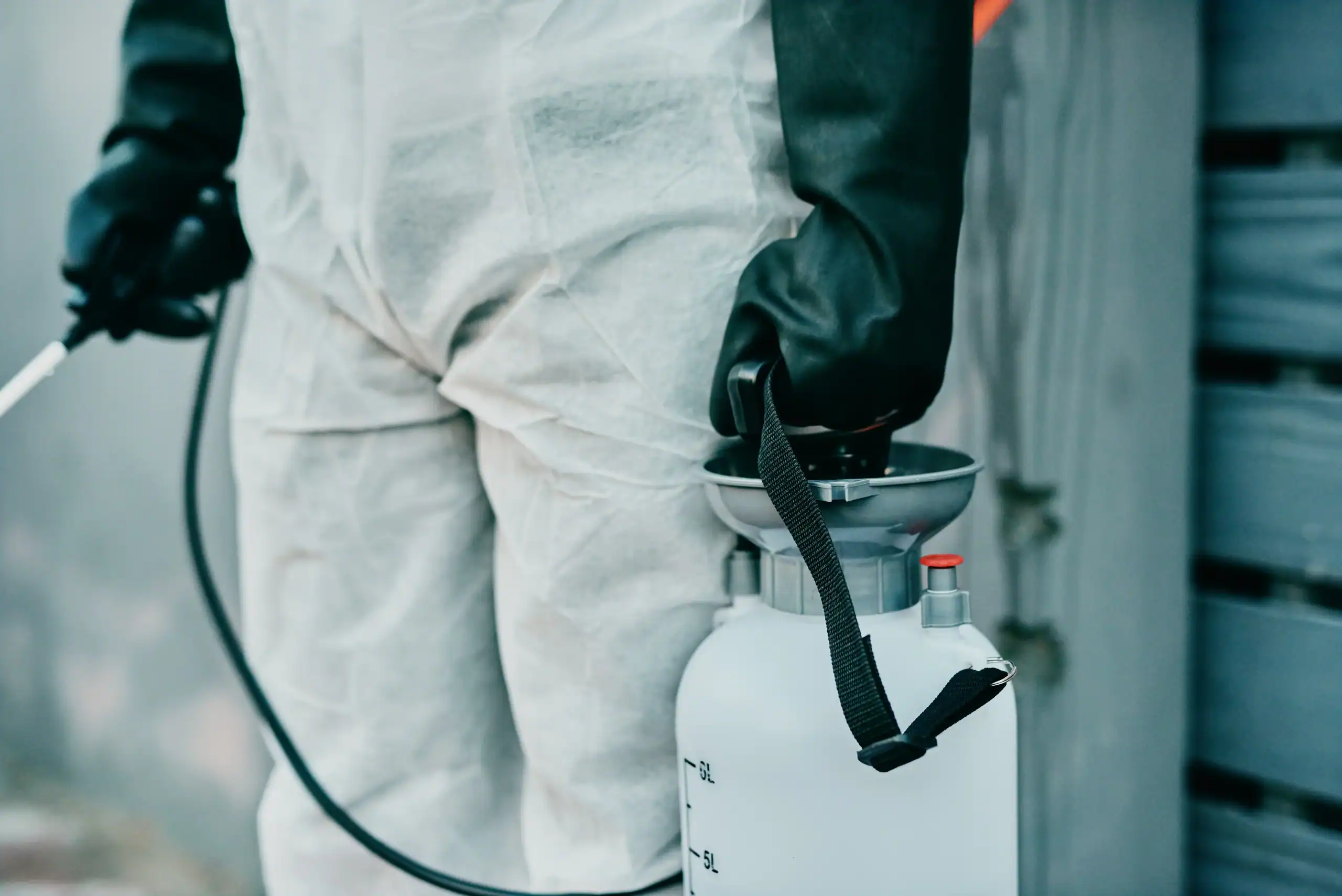
Florida breaks pest control licensing into four categories, and not all of them cover termites. You need someone certified specifically in “Termites and Other Wood-Destroying Organisms” pest control. This category requires specialized training beyond general household pest control.
To earn this certification, applicants must work under a licensed operator for three years, or one year if they hold a college degree in entomology or related fields. Then they pass a comprehensive exam covering termite species identification, treatment methods, inspection techniques, and Florida-specific regulations. The exam costs $75-$200 and tests real knowledge—not just the ability to spray chemicals.
This matters because termite treatment requires different expertise than spraying for ants or roaches. Subterranean termites behave differently than drywood termites. Treatment methods vary based on your home’s foundation type—slab foundations need different approaches than crawl spaces. Inspection protocols follow specific state requirements for WDO (Wood-Destroying Organism) reports used in real estate transactions throughout Spring Hill, Brooksville, and surrounding areas.
Some large companies send general pest control technicians to handle termite calls. These techs may be qualified to spray for bugs, but they lack the specialized certification required for termite inspection and treatment. That’s how misdiagnosis happens—someone claims you have subterranean termites when you actually have drywood termites, or vice versa. You pay for the wrong treatment while the real problem continues eating your home.
Always ask which certification category the technician holds. If they can’t answer or seem unclear, that’s a red flag. Licensed termite specialists know exactly what certifications they carry because they worked years to earn them. In Hernando County where 13 termite colonies exist per acre, you can’t afford to work with someone who isn’t properly trained.
Large corporate pest control companies operate through call centers, rotating technicians, and management layers that make accountability nearly impossible. You call the main number, explain your problem to someone reading a script, and hope the message reaches the right person. When issues arise—missed appointments, incomplete treatments, billing disputes—you’re routed back through the same system with no direct line to anyone who can actually fix the problem.
Family-owned termite control companies work differently. When you call us, you talk to the owner or someone who works directly with them. The same certified technician visits your property every time, learning your home’s specific vulnerabilities and history. If something goes wrong, you can reach a real decision-maker who cares about their reputation in the community.
This isn’t just about warm feelings. It’s about results. The technician who treated your home last year remembers where they found activity, which areas need extra monitoring, and what recommendations they made. They’re not reading notes from a stranger’s service report trying to piece together your property’s history. They know your property.
Hernando County isn’t that big. Word travels fast when a pest control company doesn’t stand behind their work. We live and work in the same community we serve. Our reputation is our livelihood. We can’t hide behind corporate structures or transfer angry customers to faceless complaint departments. We see you at the grocery store, at local businesses, around town.
When you’re comparing termite exterminators, ask who you’ll actually talk to when you call. Ask if the same technician handles your property or if they rotate. Ask how you reach someone if you have concerns after treatment. The answers tell you whether you’re getting personal service or becoming another account number in a corporate database.
This matters especially in Florida where termites are active year-round. You need someone who answers on weekends when you spot swarmers. Someone who responds within 24 hours, not next week when they have an opening. Someone whose business depends on solving your problem, not just collecting your payment.
Want live answers?
Connect with a Around The Clock Pest Service expert for fast, friendly support.
Before you sign any contract or let anyone treat your property, you need clear answers to specific questions. These aren’t just nice-to-know details—they’re the difference between effective treatment and expensive mistakes.
Start with experience. How long has the company been treating termites specifically in Hernando County? Florida’s termite species and treatment challenges differ from other states. Someone with 10 years of local experience knows which areas of your home are most vulnerable, how seasonal rain affects treatment barriers, and what actually works in our soil conditions.
Then ask about the inspection process. What areas will they examine? How do they identify termite species? What documentation will you receive? A thorough inspection should cover all accessible areas including crawl spaces, attics, and exterior perimeter. You should receive a written report with diagrams showing any damage or activity found.

Not all termite treatments work the same way, and not all warranties provide the same protection. You need to understand exactly what you’re getting before you commit.
Liquid termiticide treatments create a chemical barrier in the soil around your foundation. When applied correctly, they provide 5-10 years of protection. Bait station systems use strategically placed monitors that termites carry back to the colony. Each method has advantages depending on your home’s construction and the termite species present.
Ask which treatment method they recommend and why. If they can’t explain their reasoning in terms you understand, that’s concerning. A qualified exterminator should be able to tell you why they’re suggesting liquid treatment versus bait stations based on your specific situation—not just what’s most profitable for them.
Then get clear on the warranty. Florida law requires written service agreements for termite treatment, and these agreements must specify whether retreatment is included if termites return. Most companies offer “retreatment-only” warranties covering additional treatments at no cost if termites are found during the warranty period. Some offer “retreatment plus damage repair” warranties that also cover structural repairs up to a certain limit.
Retreatment-only warranties are standard because they’re less risky for the company. Damage repair warranties cost more but provide significantly better protection. Given that termite damage repairs average $2,500 to $7,500 in Florida—and can reach tens of thousands in severe cases—that extra coverage can be worth the investment.
The warranty should clearly state its duration (typically 1-5 years), what’s covered, what’s excluded, renewal costs, and inspection requirements. Many warranties require annual inspections to remain valid. If you skip the inspection, the warranty voids and you’re unprotected. Annual renewal fees typically run $150-$400 depending on your home’s size and coverage level.
Ask if the warranty is transferable if you sell your home. Good warranties transfer to new owners at no cost, which can be a selling point for your property. Ask what happens if the company goes out of business—who honors the warranty then?
Get everything in writing. Verbal promises mean nothing when termites return and the company claims that wasn’t part of the agreement. Florida law requires written contracts for termite work, so any company refusing to put terms in writing is violating state regulations.
Some warning signs are so serious you should end the conversation and find another company. These aren’t minor concerns—they’re indicators of scams, incompetence, or business practices that will cost you money and leave your home unprotected.
If someone shows up at your door unexpectedly offering termite treatment, don’t let them in. Legitimate companies don’t send technicians door-to-door claiming they found termites in your neighbor’s house so yours probably has them too. This is a classic scam tactic used throughout Spring Hill and other Florida communities.
If they quote a “per gallon” price for termite treatment, walk away. Termite treatment can require hundreds of gallons of diluted insecticide, and per-gallon pricing makes it impossible to know your actual cost. Reputable companies provide flat-rate quotes based on your home’s square footage and treatment needs.
If they claim to have a “secret formula” or proprietary termite treatment, they’re lying. All termiticides must be registered with the EPA and Florida’s Department of Agriculture. The active ingredients are public information. There are no secret formulas.
If they pressure you to sign immediately by claiming your house is structurally unsound and could collapse without immediate treatment, they’re using scare tactics. Yes, termites cause serious damage. But structural collapse takes years of extensive infestation. Any company creating false urgency is more interested in your money than your home’s actual condition.
If they claim to be endorsed by the Florida Department of Agriculture, EPA, or any government agency, they’re violating regulations. Government agencies don’t endorse specific companies or products. They regulate the industry—they don’t play favorites.
If they can’t provide a physical business address, don’t hire them. Legitimate businesses have verifiable locations. Companies operating from P.O. boxes often disappear when customers need warranty service.
If they want full payment upfront before starting work, be cautious. While deposits are normal for large jobs, demanding complete payment before treatment is unusual and risky. You lose leverage if the work is incomplete or ineffective.
If they send unlicensed technicians or can’t produce certification cards on request, stop the service. Florida law requires licensed operators for termite work. Using unlicensed workers is illegal and voids any warranty or guarantee they claim to offer.
Trust your instincts. If something feels wrong—if the technician seems evasive, if the contract has vague language, if they can’t answer basic questions about their methods—find someone else. Your home is likely your largest investment. Don’t trust it to people who can’t demonstrate competence and transparency.
Choosing a termite exterminator in Florida isn’t complicated once you know what to look for. Verify their Florida FDACS licensing. Ask about their experience with local termite species. Get written estimates and warranty terms before signing anything. Watch for red flags like pressure tactics, vague pricing, or unlicensed technicians.
The right exterminator answers when you call, explains their treatment methods clearly, and stands behind their work with transferable warranties. They’re invested in your community because they live and work here too. They know that 13 termite colonies per acre means your home needs real protection, not just a sales pitch.
Florida’s year-round termite pressure means you can’t afford to get this decision wrong. Take the time to verify credentials, ask the right questions, and choose someone who treats your home like it matters—because it does. We serve Hernando and Pasco County homeowners with state-certified technicians, transparent pricing, and the kind of personal service that comes from working directly with a family-owned business that answers every call personally.
Summary:
Article details:
Share: