
Fast, reliable pest control from Hernando County’s most trusted family-owned team—with most quotes given over the phone.
Contact Info
Fast, reliable pest control from Hernando County’s most trusted family-owned team—with most quotes given over the phone.
Contact Info
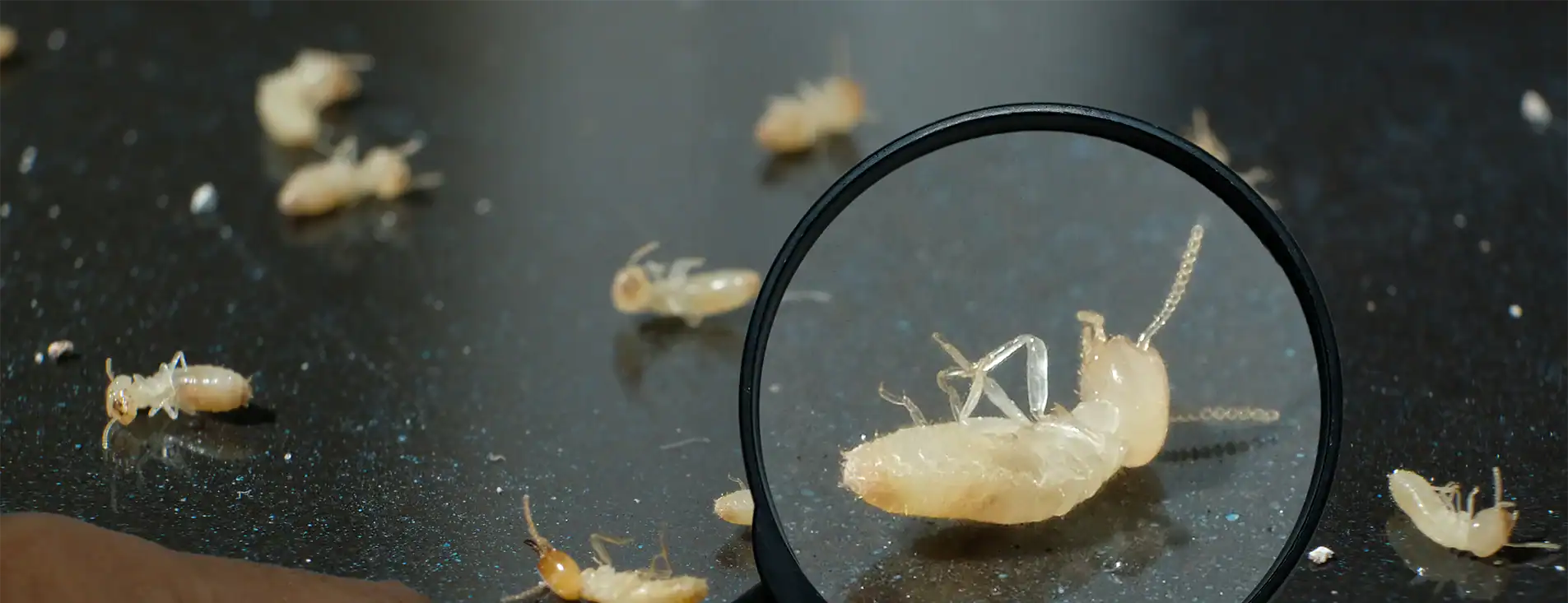
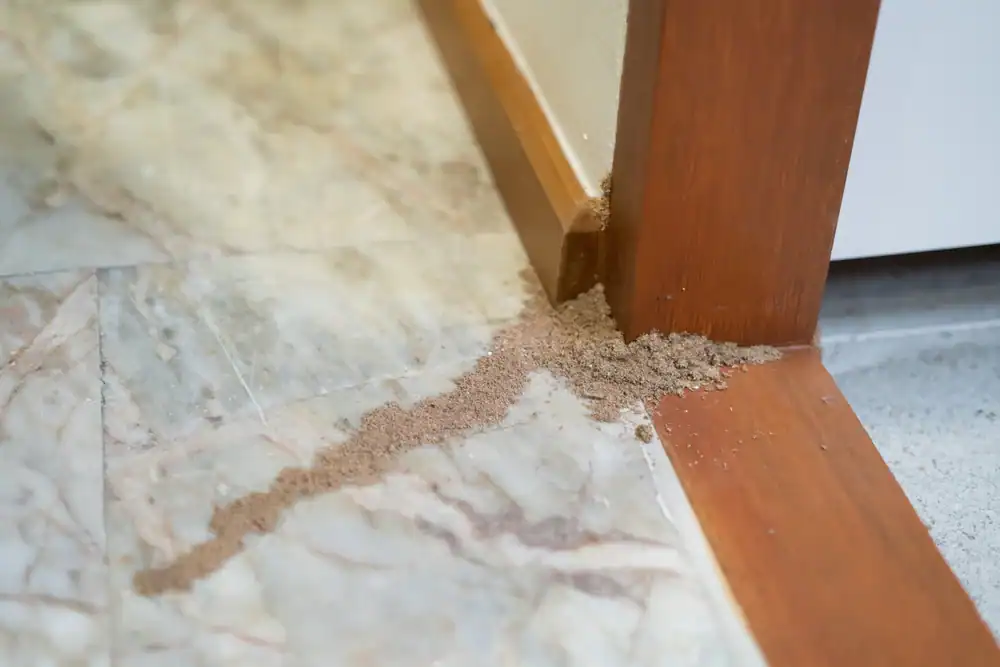
You’re cleaning your windowsill and notice a small pile of what looks like coffee grounds or sawdust. It wasn’t there last week. You sweep it away, but a few days later, it’s back. That’s not dust settling from the air—that’s termite droppings, and it means you’ve got an active problem happening inside your walls right now. In Hernando County, where warm, humid conditions keep termites working year-round, those little piles are your early warning system. This guide will show you exactly what you’re looking at, what it means, and what comes next so you can protect your home before the damage spreads.
Termite droppings are tiny pellets, usually about 1 millimeter long, with six concave sides and rounded ends. They range in color from light beige to dark brown or black, depending on the type of wood the termites are eating. Most people mistake them for sawdust, coffee grounds, or even dirt at first glance.
The key difference is consistency. Termite frass forms uniform, hard pellets that feel gritty when you rub them between your fingers. Sawdust, on the other hand, appears as irregular shavings with varying sizes and textures. If you’re seeing small mounds of pellet-like material collecting below wooden surfaces, you’re likely looking at termite droppings.
Drywood termites create these piles because they’re fastidious about keeping their galleries clean. They bore tiny exit holes—called kick-out holes—and push their waste out through these openings. The frass accumulates on floors, windowsills, furniture, and anywhere directly below infested wood.
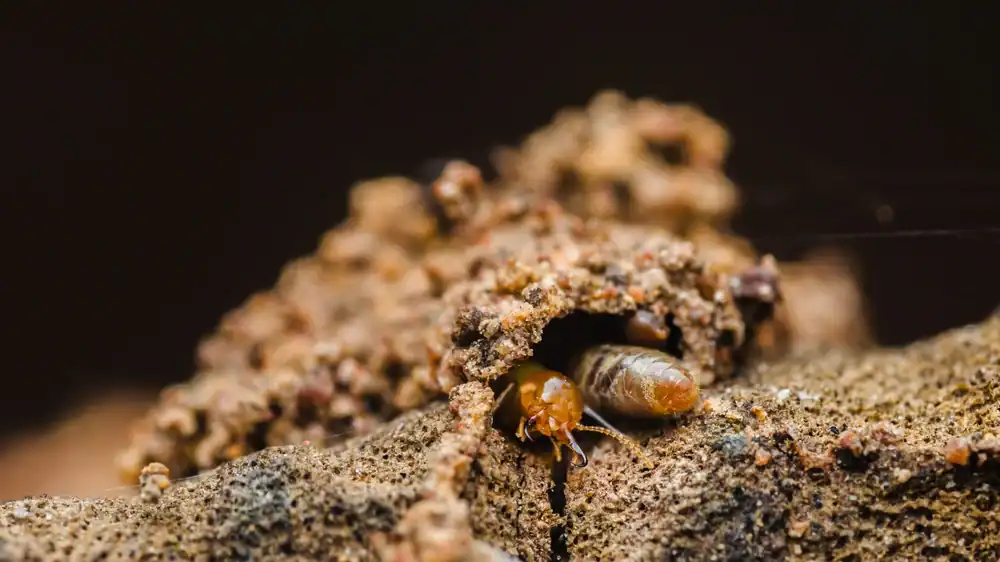
You’ll typically find termite droppings in specific locations where drywood termites are most active. Check wooden floorboards first, especially in corners where pellets can accumulate unnoticed. Window sills are another common spot since termites often infest the wooden frames around windows.
Baseboards deserve close attention too. If you notice small piles forming along the bottom of your walls, look directly above for tiny holes in the wood. Those kick-out holes are where the termites are actively pushing waste out of their galleries. Attics and crawlspaces are prime real estate for termite activity, so inspect wooden beams, rafters, and support structures during routine checks.
Don’t overlook furniture, especially older pieces or anything made from solid wood. Termites can infest chairs, tables, bed frames, and cabinets. You might spot frass collecting on the floor beneath a dresser or inside drawers. Even wooden porches and deck surfaces can show signs of termite droppings, particularly in Florida’s humid climate where drywood termites thrive.
The location of the droppings tells you where the infestation is concentrated. If piles reappear after you clean them up, that’s confirmation the termites are still actively feeding. In Hernando County, where 13 subterranean termite colonies exist per acre and drywood termites flourish in the warm weather, finding frass means the problem isn’t going away on its own.
One thing to remember: subterranean termites don’t leave visible droppings. They use their waste to build mud tubes instead. So if you’re seeing pellets, you’re dealing with drywood termites specifically, which requires a different treatment approach than their underground cousins.
Homeowners often confuse termite droppings with sawdust from construction work or debris from carpenter ants. The differences matter because misidentification wastes time while the real problem grows. Termite frass has a distinct six-sided, oval shape when you look closely, often under a magnifying glass. Sawdust appears as thin, irregular shavings with no uniform pattern.
Carpenter ant debris is bulkier and contains mixed materials—wood shavings, dead insect parts, larvae fragments, and other organic matter. Termite droppings, by contrast, are remarkably uniform pellets with a consistent size and shape. Ants also tend to leave their waste near the openings of their nests in concentrated piles, while termite frass scatters below kick-out holes.
Another clue is texture. When you pinch termite droppings between your fingers, they feel hard and gritty, almost like fine gravel. Sawdust feels soft and fibrous. If you’re still uncertain, look for other signs of termite activity—hollow-sounding wood when you tap it, discarded wings near windows, or visible damage to wooden structures.
The age of the droppings doesn’t change the urgency. Whether the frass is fresh or has been sitting for months, its presence confirms termites have been feeding inside your home. Termites can work silently for three to five years before homeowners even know they’re there, so by the time you spot droppings, the colony is likely well-established.
If you’re seeing piles return after cleaning, that’s the strongest indicator of active, ongoing infestation. The termites are still tunneling, still eating, and still pushing waste out of their galleries. That means structural damage is accumulating every single day you wait.
Want live answers?
Connect with a Around The Clock Pest Service expert for fast, friendly support.
Finding termite droppings isn’t just a minor annoyance—it’s a red flag that termites are actively feeding on the wood inside your home. Drywood termites consume wood from the inside out, leaving a thin veneer on the surface that can hide extensive damage underneath. By the time you see frass, the colony has likely been working for months.
The presence of droppings confirms the infestation is active right now. Termites don’t leave waste behind and then disappear. They’re still there, still eating, and the structural integrity of your home is being compromised. In Hernando County, where warm temperatures keep termites active year-round, the damage doesn’t slow down during winter months like it might in other parts of the country.
Every year, termites cause billions of dollars in structural damage across the United States. Most homeowner insurance policies don’t cover termite damage because it’s considered preventable. That means the cost of repairs falls entirely on you, and those bills can quickly climb into the thousands if the problem isn’t addressed fast.
When you call a professional pest control company after finding termite droppings, the first step is always a thorough inspection. A state-certified technician will examine your entire property, looking for visible signs of termite activity, structural damage, and entry points. They’ll check attics, crawlspaces, basements, wooden structures, and any areas where moisture accumulates.
The inspection process involves more than just looking for frass. Technicians tap on wood surfaces to detect hollow spots where termites have eaten away the interior. They search for mud tubes if subterranean termites are suspected, and they examine wooden beams, window frames, door jambs, and support posts. In Florida, where both drywood and subterranean termites are common, identifying the species is critical because treatment methods differ significantly.
During the inspection, the technician will also assess the severity of the infestation. A small, localized colony might be treatable with spot treatments, while widespread activity throughout multiple areas of the home could require fumigation. The inspection determines the scope of the problem and guides the treatment plan.
For homeowners in Hernando County, working with us means you get personalized attention and honest communication about what’s actually needed. Large corporate pest control companies often push one-size-fits-all solutions or upsell unnecessary treatments. As a family-owned business where you work directly with the owner, we provide transparent explanations, realistic timelines, and treatment options tailored to your specific situation.
Most professional inspections include a detailed report outlining the findings, the recommended treatment method, and an estimate. We offer thorough inspections, especially when you’re ready to move forward with service. The goal is to give you a clear understanding of what you’re dealing with so you can make an informed decision without pressure or confusion.
Once the inspection confirms an active termite infestation, treatment begins. The method depends on the type of termite, the extent of the damage, and the layout of your home. For drywood termites—the species that leave visible droppings—fumigation is often the most effective solution for widespread infestations. The process involves tenting your entire home, sealing it off, and introducing a fumigant gas that penetrates every crack, crevice, and hidden gallery where termites live.
Fumigation typically takes 24 to 72 hours from start to finish. On the first day, the structure is tented and sealed, then filled with gas. On the second day, the fumigant levels are measured to ensure adequate exposure, and aeration begins. By the third day, the tent is removed, and the home is cleared for reentry once air quality tests confirm it’s safe. You’ll need to arrange accommodations for your family and pets during this time, and all food, medicine, and plants must be removed or properly sealed.
For smaller, localized infestations, spot treatments might be sufficient. This involves drilling small holes into infested wood and injecting termiticide foam or liquid directly into the galleries. Spot treatments work best when the infestation is caught early and confined to a specific area. However, if termites have spread to multiple locations or if the full extent of the colony is unknown, fumigation provides the only guarantee that every termite is eliminated.
Subterranean termites require a different approach. Since they live in the soil and travel through mud tubes to reach wood, treatment focuses on creating a chemical barrier around your home’s foundation. Technicians dig trenches along the perimeter and apply liquid termiticide to the soil, or they install bait stations that termites carry back to the colony. This method targets the underground nest and prevents future access to your structure.
The termite extermination process also includes follow-up inspections to confirm the treatment worked. Reputable pest control companies stand behind their work with warranties or guarantees, and they’ll return if termite activity resurfaces. In Hernando County, where termite pressure is constant, ongoing monitoring and preventive measures are essential to keep your home protected long-term.
Transparency matters during treatment. You should know exactly what chemicals are being used, how long the process will take, what preparation is required on your end, and what to expect afterward. As a family-run company that answers every call personally and works directly with you, we ensure you’re never left guessing or waiting days for a callback. You get real-time updates, honest answers, and a treatment plan designed around your needs, not a corporate sales quota.
If you’ve found termite droppings in your home, don’t panic—but don’t wait either. Those tiny pellets are proof that termites are actively feeding on your property right now, and the longer you delay, the more damage accumulates. Clean up the frass if you want, but understand it’s going to come back unless you eliminate the colony causing it.
Your next step is simple: call a professional pest control company that specializes in termite treatment. Look for a family-owned business with state certifications, proven local experience, and a reputation for honest, transparent service. In Hernando County, where termite infestations are a year-round threat, working with someone who understands Florida’s unique climate and termite behavior makes all the difference.
At Around The Clock Pest Service, we provide fast, personal, and transparent termite inspections and treatment for homeowners throughout Hernando and Pasco County. With over 100 five-star Google reviews, BBB accreditation, and a commitment to answering every call personally, you’re working directly with the owner—not a call center. Most quotes are provided over the phone, and we’re available 24/7, even on weekends, with a guaranteed response within 24 hours. Protect your home before the damage spreads.
Summary:
Article details:
Share: