
Fast, reliable pest control from Hernando County’s most trusted family-owned team—with most quotes given over the phone.
Contact Info
Fast, reliable pest control from Hernando County’s most trusted family-owned team—with most quotes given over the phone.
Contact Info
From swarming season to WDO reports, here's what Hernando County homeowners actually need to know about termite inspections before it's too late.
Most people in Hernando County don’t schedule a termite inspection until something forces their hand — a swarm shows up in the living room, a lender flags it before closing, or a neighbor mentions they just spent thousands on repairs. That’s understandable. Termites aren’t visible until they want to be, and by the time they are, the damage is usually well ahead of what you can see. This guide covers what a termite inspection actually involves, what a WDO report is and why it matters, what treatment costs look like, and how to know when to act. No filler, no scare tactics — just what you need to know.
One of the most common misconceptions we hear from Hernando County homeowners is that termites are a seasonal problem — something to deal with in the spring and then forget about. Florida doesn’t work that way. Termite colonies are active year-round here. When temperatures drop, they don’t die off — they burrow deeper into the soil or stay protected inside the walls of your home, continuing to feed without any visible sign on the surface.
What changes with the seasons isn’t activity — it’s visibility. Swarming is the event that gets people’s attention, but it’s just one part of the termite life cycle. A colony can be quietly feeding through the wood framing of a 1990s CBS home in Hernando County for years before a single swarm event makes it obvious. By then, the structural damage is rarely minor.
Florida termite swarming season typically runs from February through May or June, depending on the species and the weather. Subterranean termites — the most structurally destructive species in Hernando County — tend to swarm earliest, often triggered by warm rain following a cool stretch. That late-February weather pattern is common here, which means swarms can catch homeowners off guard before they’ve even thought about pest control for the year.
Formosan subterranean termites, a more aggressive invasive species, swarm from March through May, usually in the evening hours. Drywood termites typically follow in April through June. Each species has its own behavior, its own entry points, and its own treatment approach — which is part of why a professional inspection matters more than a quick visual check.
When a swarm happens indoors, that’s a meaningful signal. Finding swarmers — the winged reproductive termites — inside your home suggests an established colony somewhere in or under the structure, not just scouts passing through. Outdoors, a swarm near your foundation is worth taking seriously but doesn’t automatically confirm an infestation. The difference matters, and it’s exactly what a trained inspector is there to determine.
If you’re in Hernando County and you see what looks like a swarm of flying ants near a window or door frame, don’t assume it’s nothing. The two are easy to confuse. Termite swarmers have straight antennae, equal-length wings, and a thick waist — flying ants have elbowed antennae, unequal wings, and a pinched waist. When in doubt, a quick call to a licensed inspector is faster and cheaper than waiting to find out the hard way.
Here’s something most homeowners don’t hear until it’s too late: the best time to get a termite inspection in Florida is before swarming season begins, not after. January and February offer a practical window where colonies are less externally active, any damage discovered can be addressed before the spring swarm cycle, and inspectors are easier to schedule before the seasonal rush hits.
In Hernando County specifically, the housing stock adds another layer of urgency. A significant portion of homes were built in the 1980s and 1990s — concrete block structures with wood framing, roof trusses, and subflooring that are fully accessible to subterranean termites entering from the sandy soil below. That construction era predates many of the moisture and barrier protections that are standard in newer builds. Homes that haven’t had a professional inspection in several years are carrying real, unquantified risk.
The retiree and long-term homeowner population in Hernando County compounds this. Many residents have lived in the same home for decades and may have an old termite bond that lapsed, or no inspection history at all. An annual inspection is the simplest way to stay ahead of it, and in Florida’s climate, annual is the right cadence.
The other group that often waits too long: people who just moved here from out of state. Florida’s termite pressure is genuinely different from most of the country, and buyers relocating from the Midwest or Northeast often don’t realize how active the risk is year-round. If you’ve recently purchased a home in Hernando County and haven’t scheduled an inspection since closing, it’s worth putting it on the calendar.
Want live answers?
Connect with a Around The Clock Pest Service expert for fast, friendly support.
If you’re buying or selling a home in Hernando County, you’ve probably heard the term “WDO inspection” — and you may have wondered whether it’s different from a standard termite inspection. It’s not, really. In Florida, a wood destroying organism inspection is the official, legally defined version of what most people call a termite inspection. The terms are used interchangeably, along with “termite letter” and “clearance letter,” but they all refer to the same thing: a licensed inspector evaluating a property for evidence of termites, wood-destroying beetles, wood-decaying fungi, and conditions that make a structure vulnerable to any of those.
What makes it official is the form. Under Florida Chapter 482, any WDO inspection conducted for a real estate transaction — or any inspection where a written report is requested and a fee is charged — must be performed by a Florida Department of Agriculture and Consumer Services (FDACS) licensed inspector and documented on FDACS Form 13645. That form is what your lender, title company, and real estate agent are actually asking for.
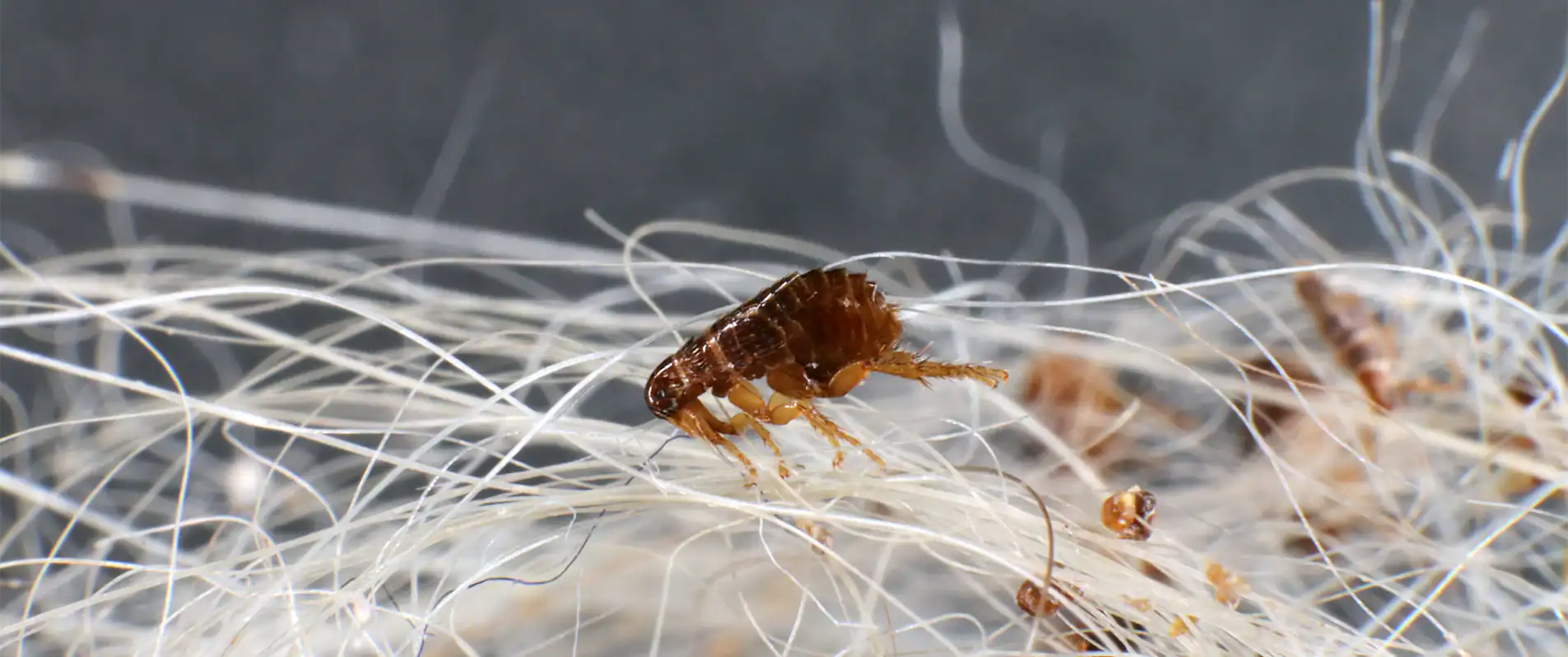
A thorough WDO inspection covers every accessible area of the structure. That means the attic, any crawl spaces, the garage, all interior living areas, the exterior foundation, and the surrounding grounds. We’re looking for active termites, signs of past infestations, evidence of previous treatment, wood-to-soil contact, moisture intrusion, inadequate ventilation, and anything else that creates conditions where wood-destroying organisms can establish themselves.
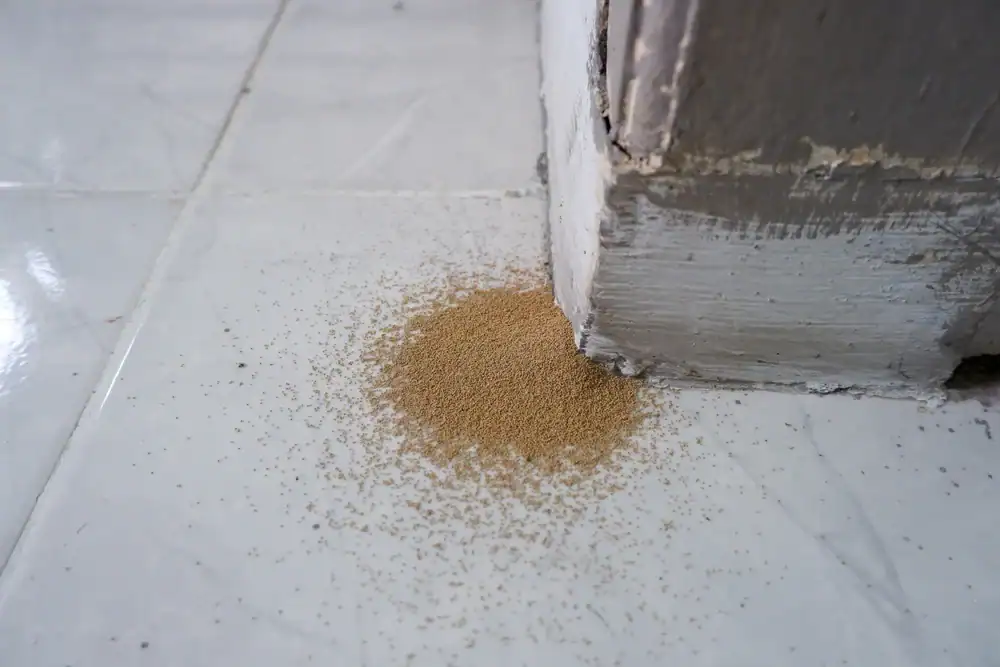
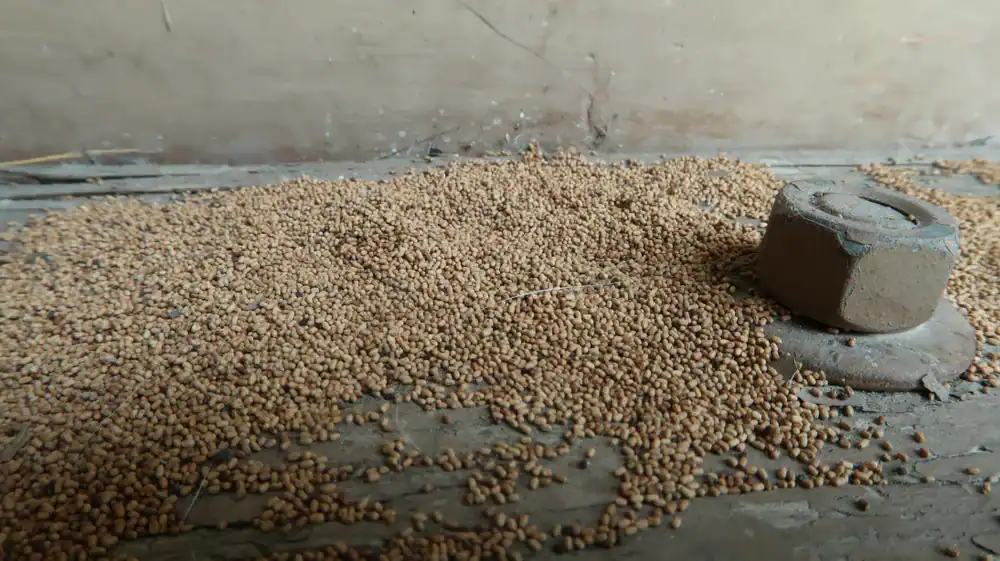
In Hernando County’s typical housing stock — CBS construction with wood framing inside the block walls, wood roof trusses, and wood subflooring — there are multiple potential entry and feeding points. Subterranean termites travel through mud tubes, which they build to connect soil to wood while staying protected from open air. Those tubes are often found along the foundation, in the garage, or in crawl spaces. Drywood termites, by contrast, enter directly through exposed wood and leave behind small pellets called frass. Knowing which species you’re dealing with matters because the treatment approach is completely different.
A good inspector will walk through findings with you before issuing the written report. Red flags for a substandard inspection include skipping the attic or crawl space, immediately pushing fumigation without explaining why, vague answers when you ask what they found, or an inability to provide their FDACS license number on request. The report form is standardized — the quality of the inspection behind it is not. That distinction is worth keeping in mind when you’re choosing who to call.
For real estate transactions, the WDO report is typically required by VA loans, FHA loans, and most conventional lenders in Florida. If you’re under contract on a property in Hernando County and your closing date is approaching, this is not something to leave until the last minute. Turnaround time for the report varies by inspector, but same-day or next-day scheduling makes a meaningful difference when a closing deadline is involved.
Cost questions come up in almost every conversation we have with homeowners, and the honest answer is that it depends on what you’re dealing with. A WDO inspection in Hernando County typically runs between $75 and $300, depending on the size of the property and how accessible the structure is. That’s the cost to find out what you have — or confirm that you don’t have anything.
Treatment is a separate conversation. The average cost of termite removal in Florida ranges from $1,000 to $2,500, with more extensive infestations reaching $5,000 or more depending on the scope of the problem. The type of treatment matters significantly here, and this is where a lot of homeowners get confused.
Fumigation — or tenting — is the treatment most people picture when they think about termites, but it’s not the default solution for every situation. Tenting is used specifically for drywood termite infestations, where the colony lives entirely within the wood of the structure rather than traveling up from the soil. For subterranean termites, which are the dominant species in Hernando County, tenting is typically not the right approach and not what a qualified inspector will recommend.
The cost to tent a house for termites in Florida generally falls between $1.00 and $2.00 per square foot. In Hernando County, that translates to roughly $2,500 to $4,000 for a typical home. Tenting also requires you — and your pets — to vacate the property for 24 to 72 hours, which is a real logistical consideration.
Subterranean termite treatment, by contrast, typically involves a liquid barrier treatment applied to the soil around and under the foundation, or a bait system installed around the perimeter. Neither requires tenting or an extended evacuation. This is an important distinction because many homeowners hear “termite treatment” and immediately assume they’ll need to leave their home for three days. In most Hernando County cases involving subterranean termites, that’s simply not the situation.
Pet safe termite control is a reasonable concern and one worth asking about directly. We use EPA-approved products for all treatments, and the re-entry protocols for liquid barrier treatments are straightforward. Fumigation does require pets to leave the home during treatment, but for the majority of subterranean termite situations in Hernando County, fumigation isn’t part of the equation at all. If you have dogs, cats, or other animals and you’re worried about chemical exposure, that’s a conversation worth having before any treatment begins — and we’ll answer it plainly.
Summary:
Article details:
Share: