
Fast, reliable pest control from Hernando County’s most trusted family-owned team—with most quotes given over the phone.
Contact Info
Fast, reliable pest control from Hernando County’s most trusted family-owned team—with most quotes given over the phone.
Contact Info
A termite inspection is more than a quick walkthrough. Here's exactly what happens — and what the report actually tells you.
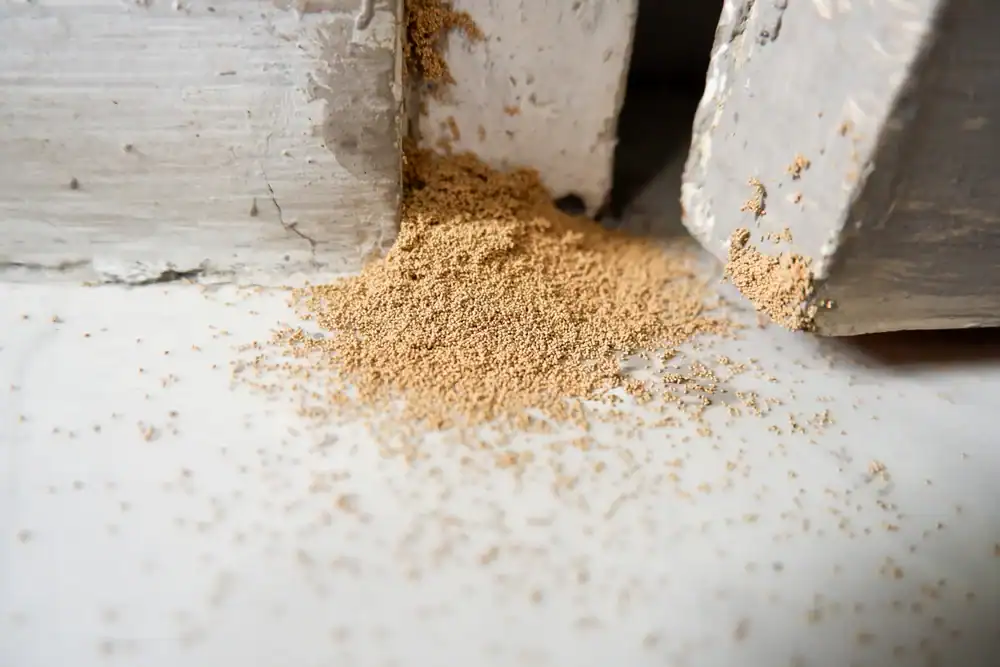
You’ve been told you need a termite inspection. Maybe your realtor mentioned it, maybe your lender required it, or maybe you spotted a pile of wings on your windowsill and got a little nervous. Either way, you’re here because you want to know what actually happens — not a vague overview, but the real process.
That’s a fair thing to want. Most people schedule this inspection without knowing what we’ll check, how long it takes, or what the report will say when it lands in their inbox. This guide walks you through all of it, plainly and honestly, so you’re not left guessing.
A termite inspection — formally called a WDO inspection, short for Wood Destroying Organism — isn’t just a look around the perimeter. We cover the full accessible interior and exterior of the home: baseboards, joists, the attic, the crawlspace or slab foundation, window and door frames, and the entire perimeter at ground level.
We’re looking for active infestations, signs of previous damage, prior treatment evidence, conducive conditions like wood-to-soil contact or moisture intrusion, and any areas that couldn’t be accessed during the visit. That last part matters — the report will document what was checked and what wasn’t, so there’s no ambiguity about the scope.
The whole visit typically takes 30 to 60 minutes depending on the size and layout of the home. It’s non-invasive — nothing gets opened up or moved — but it’s thorough when done right.
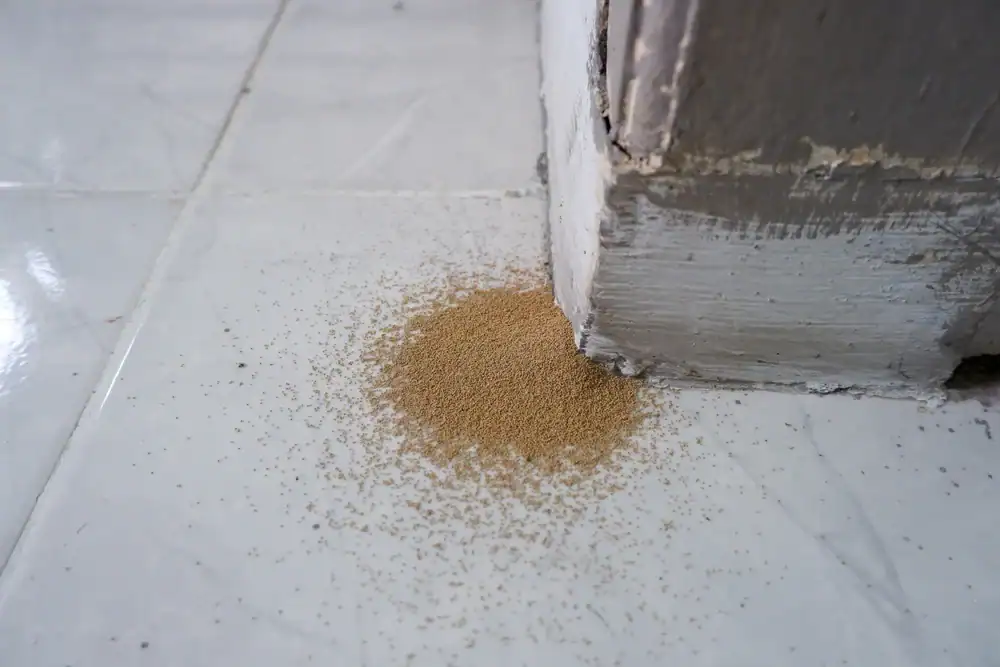
Here’s something most people moving to Hernando County from out of state don’t realize: there’s no real off-season for termites in Florida. Swarms have been recorded every month of the year except December. That’s just the reality of living in a subtropical climate where colonies stay active year-round and never go dormant the way they do up north.
The timing varies by species. Eastern subterranean termites swarm from roughly November through May, with the heaviest activity in spring, often during the day after a rain. Drywood termites tend to swarm later in the year, from late spring through early fall, usually at night near light sources. Formosan termites — among the most destructive species in the southeastern U.S. — swarm April through June, also at night. Florida has 13 subterranean termite species in total, and Hernando County’s warm, humid conditions suit most of them well.
This matters for homeowners in Spring Hill, Brooksville, and Weeki Wachee for a specific reason: the window between infestation and visible damage is longer than most people expect. Termites can feed on a structure for three to five years before you see anything obvious. By the time you notice soft wood near a baseboard or find discarded wings in a windowsill, the colony has usually been established for a while.
The Gulf-adjacent humidity along the Nature Coast accelerates this. Moisture from the coastal climate creates the kind of conditions — damp wood, high ambient humidity, soil that retains water — that subterranean termites actively seek out. Older homes in Brooksville with wood-frame construction from the 1970s and earlier carry a particularly elevated baseline risk. Weeki Wachee’s proximity to the river adds another layer of moisture exposure that shows up regularly in WDO reports as conducive conditions.
The practical takeaway: a termite inspection isn’t something you do once at closing and forget about. Annual inspections make sense in this climate, and for existing homeowners who haven’t had one in a few years, scheduling one before the spring swarm season peaks is worth doing.
When the inspection is done, you’ll receive a standardized report — the FDACS-13645 form, issued by the Florida Department of Agriculture and Consumer Services. This is the only WDO report form accepted by lenders, VA loan processors, realtors, and title companies in Florida. If you’re buying a home with a VA loan, this document is required statewide, not just in certain counties. Florida’s termite activity levels are high enough that the VA requires WDO documentation for every transaction across the state.
The report documents five things: active infestations, evidence of previous infestation or damage, prior treatment history, conducive conditions that increase future risk, and areas that were inaccessible during the inspection. Each section is distinct, and that distinction matters more than most buyers realize.
“Evidence of previous infestation” does not mean the same thing as “active infestation.” Previous damage with no live activity means the problem was treated at some point — it doesn’t automatically mean there’s an ongoing issue. Active infestation means live termites were found, which is a different situation entirely and typically requires treatment before closing. Conducive conditions — things like wood mulch piled against the foundation, improper grading, or moisture near the sill plate — aren’t infestations, but they’re documented because they increase the likelihood of one.
Many buyers receive this report and don’t know how to read it. The checkbox format and technical language can make even a clean report feel alarming. That’s why we take five minutes to walk you through what we found and what it means, rather than just handing you a form and moving on.
One more thing worth knowing: in Florida, only pest control operators licensed by FDACS under Chapter 482 can legally produce a WDO report. Home inspectors — even excellent, thorough ones — are not licensed to diagnose WDO activity. They’re two separate certifications. If your general home inspector says they “checked for termites,” that’s informal observation, not a legally recognized WDO inspection. It won’t satisfy your lender, and it won’t hold up if damage is found later.
Want live answers?
Connect with a Around The Clock Pest Service expert for fast, friendly support.
Finding termites during an inspection doesn’t mean the deal is dead. That’s the most common fear buyers bring into this process, and it’s worth addressing directly.
An active infestation documented on the FDACS-13645 report becomes a negotiation point — not an automatic deal-killer. Buyers can request that the seller arrange and pay for treatment before closing, negotiate a price reduction to cover treatment costs, or in some cases, agree to handle it themselves in exchange for other concessions. What it means for your specific transaction depends on the contract terms and how both parties want to handle it.
The important thing is knowing what you’re dealing with before you close, not after.
If you’re a seller or existing homeowner scheduling an inspection, a little preparation goes a long way toward making the visit as useful as possible. We need access to all the areas the report will cover — and anything that blocks access gets documented as inaccessible, which can create questions for buyers or lenders reviewing the report later.
Make sure the attic access panel is reachable and not blocked by stored items. If the home has a crawlspace, the entry point should be accessible and unlocked. Clear any items stored against interior walls in the garage, utility room, or storage areas that might block our view of baseboards and wall joints. Outside, move anything stacked against the foundation — firewood, lumber, mulch piled high against the siding — both because it helps us and because those are exactly the kinds of conducive conditions that show up on the report.
You don’t need to do anything elaborate. We’re not expecting a staged home — we’re looking for access to the structure itself. The more of the home we can see, the more complete and useful the report will be.
One thing that sometimes surprises homeowners: we may probe areas where damage is found. If we see something suspicious in a joist or along a baseboard, we’ll use a probe or screwdriver to check the extent of the damage. This is standard practice under the WDO inspection protocol — it’s how we distinguish surface staining from actual structural compromise. It’s not destructive, but it’s more than a visual sweep in areas where evidence is present.
For Hernando County homes specifically, we pay close attention to the soil-to-wood interface at the foundation, particularly in older Spring Hill neighborhoods where original construction may have wood members closer to grade than current building standards require. It’s not a red flag unique to any one neighborhood — it’s a function of when and how homes were built across the county.
The short answer for Hernando County homeowners is: once a year. Florida’s climate doesn’t give termites a reason to slow down, and the cost of an inspection is a fraction of what structural repairs run if an infestation goes undetected for a few seasons. Repair costs in Florida range from a few hundred dollars for minor damage to well over $7,000 for structural work — and homeowner’s insurance typically doesn’t cover termite damage because it’s considered a preventable condition.
Annual inspections make the most sense for existing homeowners who aren’t in the middle of a real estate transaction. They give you a current picture of the home’s condition, document any changes from year to year, and catch conducive conditions before they become active problems. If you’ve had a previous infestation or treatment, annual follow-up inspections are especially important — not because treatment always fails, but because the conditions that attracted termites the first time don’t disappear on their own.
For homebuyers, the WDO inspection at closing is the starting point, not the finish line. A clean report on closing day tells you the home was free of active infestation at that moment. It doesn’t guarantee the home will remain that way indefinitely — especially in a county where termite pressure is year-round and the housing stock includes a mix of older wood-frame construction and newer homes that may not yet have preventive treatments in place.
New construction buyers in Hernando County’s active development corridors sometimes assume newer homes are automatically protected. That’s partially true — new construction typically requires pre-treatment before a certificate of occupancy is issued — but pre-treatment has a service life, and documentation of that treatment should be part of your closing file. If you don’t have it, ask for it. If the builder can’t produce it, that’s worth knowing before you close.
The broader point is that a termite inspection service isn’t a one-time event. It’s part of maintaining a home in a climate that actively works against wood structures year-round. Treating it that way — scheduling it annually, keeping records, addressing conducive conditions when they’re flagged — is the difference between catching a problem early and dealing with a much larger one later.
A termite inspection is one of those things that feels like a formality until it isn’t. For most Hernando County homebuyers and homeowners, it’s the difference between knowing what you’re dealing with and finding out later — usually at a much higher cost.
The process itself is straightforward: we walk the full accessible structure, document what we find using the standardized WDO report form, and explain what it means. What makes the difference is who’s doing it and whether they take the time to actually walk you through the results.
At Around The Clock Pest Service, we’re state-certified by the Florida Department of Agriculture for termite inspections and WDO real estate reports. When you call, you’ll talk directly to the owner, not a call center. If you have questions about scheduling, what the inspection covers, or what to do after you receive your report, we’re available to answer them. Give us a call before noon and we can often get to you the same day.
Summary:
Article details:
Share: