
Fast, reliable pest control from Hernando County’s most trusted family-owned team—with most quotes given over the phone.
Contact Info
Fast, reliable pest control from Hernando County’s most trusted family-owned team—with most quotes given over the phone.
Contact Info
Wondering what a termite inspection actually costs in Spring Hill or Brooksville? Here's what goes into the price — and what you should expect for your money.
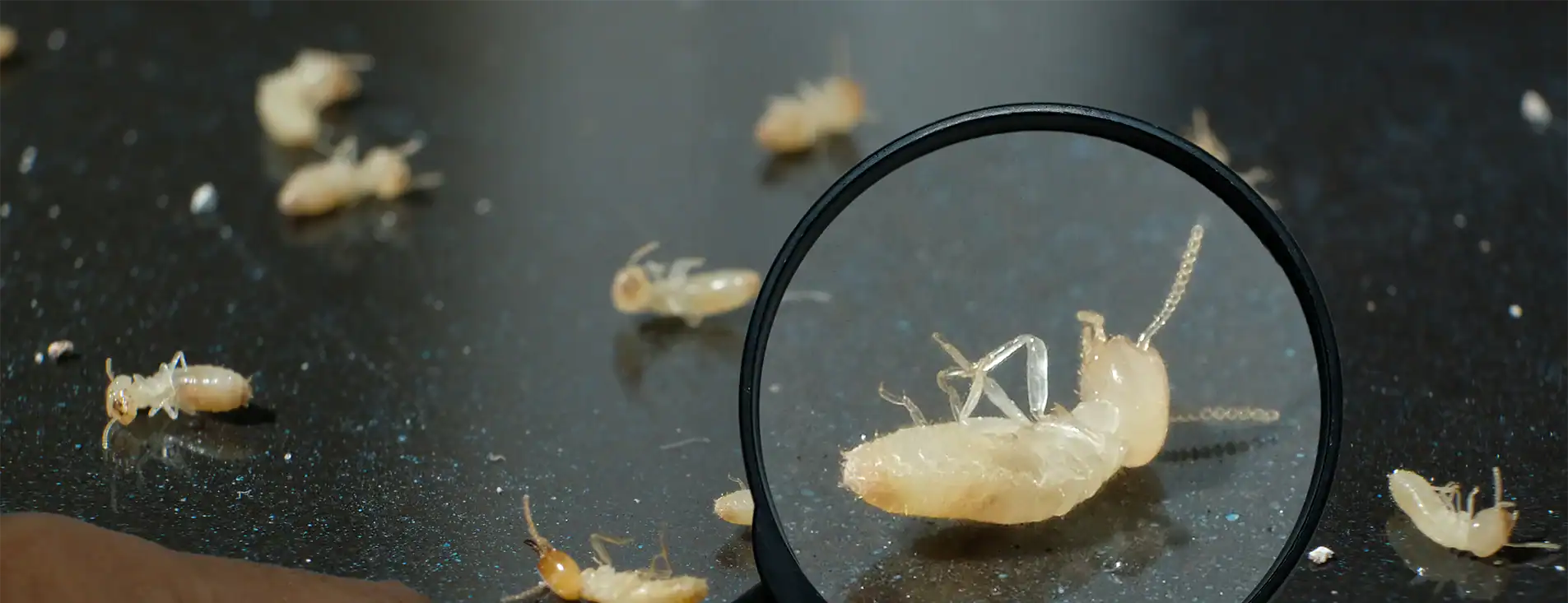
If you’ve started calling around for a termite inspection in Hernando County and gotten three different answers — or worse, no answer at all — you’re not alone. Pricing in this space isn’t exactly transparent, and most people don’t know what the inspection actually covers until after they’ve already paid for one.
We’ll walk you through what a termite inspection costs locally, what the inspector is actually doing during those 30 to 90 minutes, and what questions you should ask before you schedule anything.
In Spring Hill, Brooksville, and across Hernando County, WDO inspection costs typically range from $75 to $300, depending on the size of your property and how accessible the structure is. That range holds whether you’re in a 1,200-square-foot resale home off Cortez Boulevard or a larger property in a community like Timber Pines or Sterling Hill.
Nationally, the average termite inspection runs between $100 and $150 for a standard preventive inspection, with real estate-related WDO inspections averaging closer to $139 to $165. Hernando County pricing tends to fall in line with that — sometimes on the lower end for smaller homes, higher when the property has a crawl space, outbuildings, or limited access points that take more time to inspect properly.
We address this directly because a lot of homeowners in Spring Hill have called us after getting a free inspection from a national chain and then receiving a treatment quote that felt way out of proportion to what they were told. Free inspections from large pest control companies are a standard lead-generation tool. The inspector shows up, documents findings, and the conversation quickly shifts to a treatment plan — often a recurring contract worth several hundred dollars a year.
That’s not inherently dishonest. But it does mean the person inspecting your home has a financial incentive to find something. That’s a very different dynamic from paying $75 to $150 for an independent inspection from a licensed local operator who gets paid the same whether your home is clean or not.
A paid WDO inspection from a properly licensed company gives you a documented, unbiased assessment. You get the official FDACS Form 13645 — the report that Florida lenders, title companies, and real estate agents actually require. That form isn’t something every company can produce.
In Florida, only pest control operators holding a specific FDACS license under Chapter 482 of Florida Statutes are legally authorized to conduct WDO inspections and issue that report. Home inspectors and general contractors cannot do it, regardless of how experienced they are.
When you’re buying a home in Brooksville or Weeki Wachee and your lender asks for a WDO report, they mean that specific document. A general pest inspection from an unlicensed provider won’t satisfy the requirement — and finding that out a week before closing is a problem nobody needs.
So when you’re comparing a free inspection to a paid one, the real question isn’t just about cost. It’s about what you’re getting: an unbiased written assessment you can use for a real estate transaction, or a sales visit that may or may not result in useful documentation.
A lot of people use “termite inspection” and “WDO inspection” interchangeably, but they’re not the same thing — at least not legally in Florida. A WDO inspection, which stands for Wood Destroying Organism inspection, is broader. It covers subterranean and drywood termites, yes, but also wood-boring beetles like powderpost beetles and old house borers, wood-decaying fungi, and what we call “conducive conditions” — meaning things like wood-to-soil contact, standing water near the foundation, or poor crawl space ventilation that make termite activity more likely.
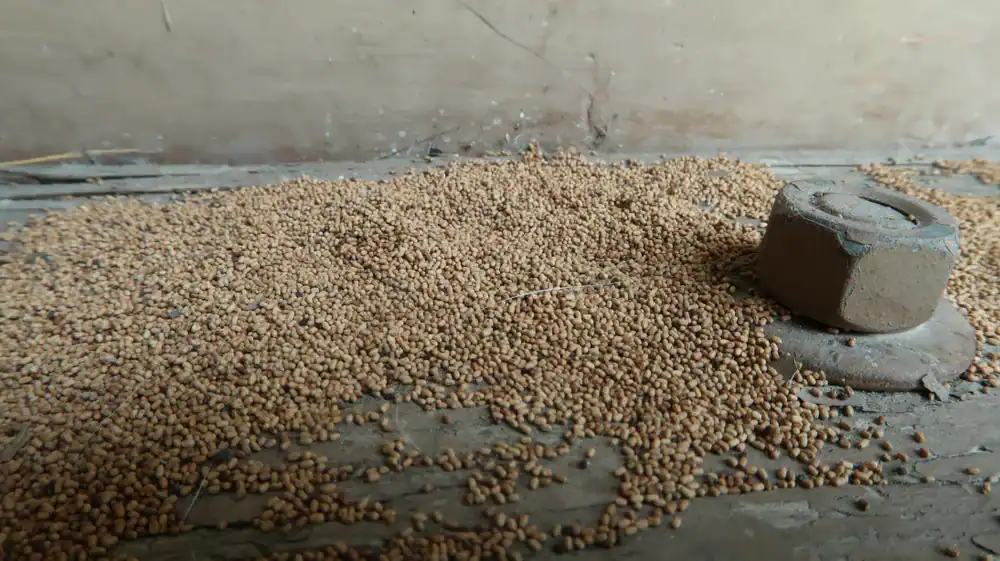
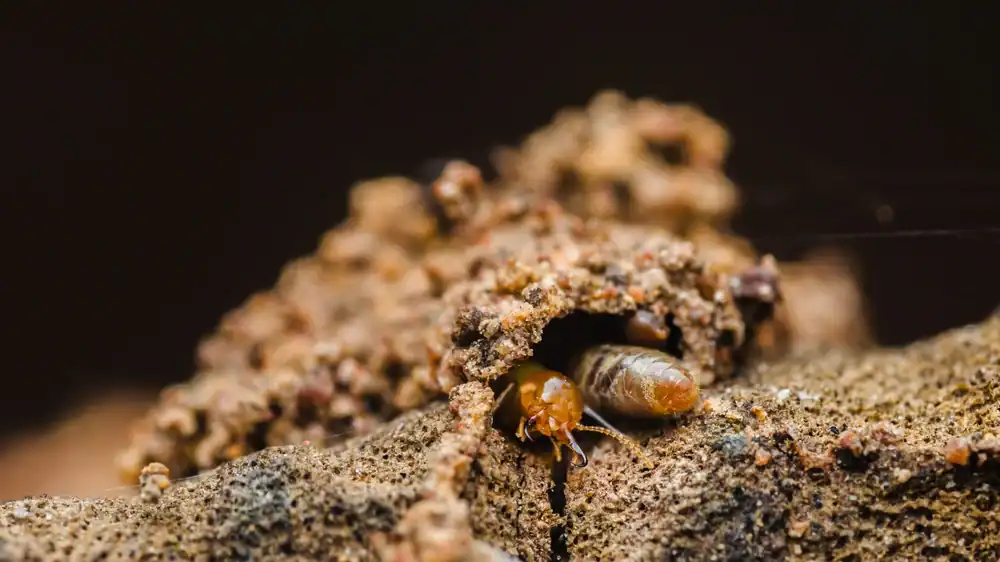
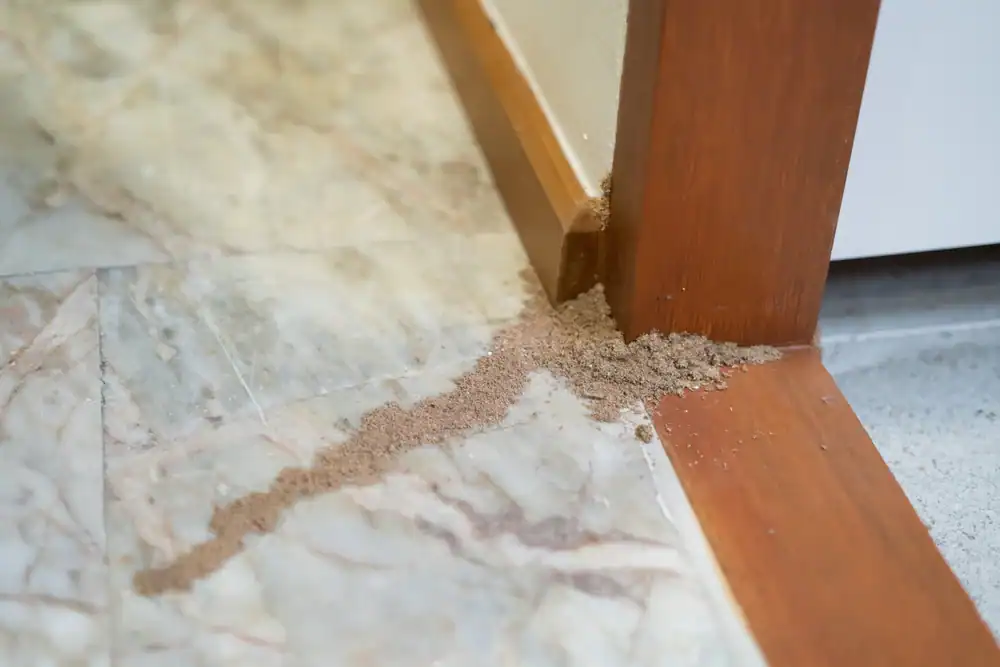
During the inspection itself, a licensed inspector will work through the foundation, attic, garage, accessible structural wood, the exterior perimeter, and any outbuildings on the property. We’re looking for physical evidence: mud tubes running up foundation walls, frass (which looks like tiny wood-colored pellets), exit holes in wood, hollow-sounding structural members, and live or dead insects. We’re also looking at conditions that aren’t active infestations yet but represent real risk — things that don’t show up in a standard home inspection but can become expensive problems fast.
In Hernando County, that last part matters more than most homeowners realize. The housing stock here is heavily weighted toward concrete-block homes built in the 1980s and 1990s — many with wood subfloors, interior framing, and wood roof trusses. Those materials are exactly what subterranean termites target, and Florida’s climate means they’re working on them year-round. There’s no cold season that slows things down the way there is in other parts of the country.
With roughly 13 termite colonies per acre statewide, the question for most Hernando County homes isn’t really whether termites are nearby — it’s whether they’ve found a way in yet. That’s what a thorough WDO inspection is designed to answer. And it’s why the documentation matters: the FDACS Form 13645 gives you a written record of what was found, what wasn’t, and what conditions exist that you should monitor or address.
Want live answers?
Connect with a Around The Clock Pest Service expert for fast, friendly support.
If you’ve been shopping for a home in Spring Hill or Brooksville and the listing mentions a “termite bond,” you may have wondered what that actually means and whether it’s worth paying for. A termite bond is essentially a service contract between you and a licensed pest control company. It covers ongoing monitoring and, depending on the type of bond, retreatment if termites are found — and in some cases, repair costs for damage that occurs while the bond is active.
Bonds are common in Florida because the termite pressure here is real and persistent. They give homeowners a structured way to manage that ongoing risk rather than waiting until something goes wrong.
In Florida, the initial cost to establish a termite bond — which typically includes an inspection and an initial treatment — generally runs between $700 and $1,000. After that, annual renewal fees typically fall in the $300 to $400 range, depending on the company and the size of the property.
There are two main types of bonds worth understanding. A retreatment-only bond means the company will re-treat your home if termites are found during the coverage period, but any structural repairs are your responsibility. A retreatment-and-repair bond goes further — it covers both the treatment and the cost to fix damage that occurs while the bond is in place. The latter is more expensive, but for homeowners in older Hernando County neighborhoods where the wood framing and subfloors have been in place for 30 or 40 years, the added protection can be worth the difference.
One thing to know about bonds: they typically exclude pre-existing damage. If the initial inspection finds active termites or evidence of prior damage, that’s documented before the bond begins, and those repairs aren’t covered. This is why getting an honest, thorough inspection before you sign a bond agreement matters — you want to know exactly what you’re starting with.
Bonds are also transferable in many cases, which makes them relevant in a real estate context. If you’re buying a home in Hernando Beach or Woodland Waters and the current owner has an active bond, you may be able to transfer it into your name rather than starting fresh. That’s worth asking about before closing, because it can reduce your upfront cost significantly.
For VA and FHA buyers — and there are a lot of them in Hernando County given the area’s military-connected population — lenders sometimes require evidence of termite protection as part of the loan approval process. An active bond can satisfy that requirement, though your lender will confirm exactly what documentation they need.
**Who pays for the termite inspection in a real estate transaction?** The answer depends on your loan type and what you negotiate in the contract. Historically, VA loan guidelines required the seller to pay for the WDO inspection, but a 2022 rule change gave VA borrowers more flexibility — buyers can now pay for their own inspection and any necessary repairs. For conventional loans, it varies by lender. In practice, it often comes down to what both parties agree to during negotiations, and a good real estate agent in Brooksville or Spring Hill will know how this typically plays out locally.
**How long is a WDO inspection report valid?** In Florida, WDO inspection reports are valid for 90 days for real estate transactions. If your closing gets delayed past that window, you’ll need a new inspection. That’s not common, but it does happen — especially in markets where title issues or lender conditions push timelines out.
**How often should I get a termite inspection if I’m not buying or selling?** For Hernando County homeowners, annual inspections are the standard recommendation. Termites can feed on a home’s structure for three to five years before the damage becomes visible, and Florida’s climate means there’s no natural slowdown in activity between seasons. An annual inspection is a small, predictable cost compared to what goes into repairing structural damage that’s been building quietly for years.
**Does homeowners insurance cover termite damage?** In almost every case, no. Florida insurers classify termite damage as a preventable maintenance issue, not an accidental event. That means 100% of repair costs fall on the homeowner. It’s one of the more jarring things people learn after the fact, and it’s a strong reason to treat annual inspections as part of regular home maintenance rather than something you do only when you’re buying or selling.
A termite inspection in Hernando County costs between $75 and $300, covers more than just termites, and produces an official report that actually means something to your lender, realtor, or title company. Whether you’re under contract on a home in Silverthorn, renewing a bond on a property you’ve owned for years, or just trying to get ahead of a problem you haven’t seen yet, the inspection itself is the starting point.
What matters most is that the company you hire holds the right FDACS license, gives you honest information about what they find, and doesn’t pressure you into a treatment plan before you’ve had a chance to think it through. A good inspection should leave you with clarity — not anxiety.
If you’re ready to schedule or just want to talk through what your situation calls for, Around The Clock Pest Service is happy to answer questions over the phone and provide most quotes without requiring an in-person visit first. Call before noon and we can often get you on the schedule the same day.
Summary:
Article details:
Share: