
Fast, reliable pest control from Hernando County’s most trusted family-owned team—with most quotes given over the phone.
Contact Info
Fast, reliable pest control from Hernando County’s most trusted family-owned team—with most quotes given over the phone.
Contact Info
Termite treatment costs vary widely — and Florida's unique pest profile makes national averages almost useless. Here's what Hernando County homeowners actually need to know.
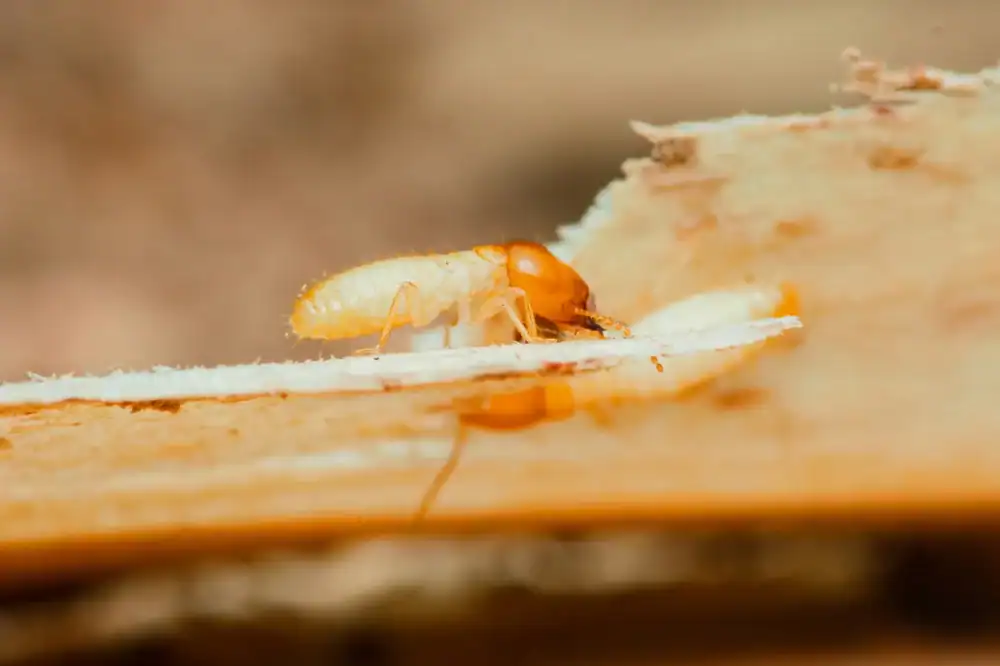
If you’ve found signs of termites — mud tubes along the foundation, hollow-sounding wood, a pile of discarded wings near a windowsill — your next move is probably a Google search for what this is going to cost you. That’s a smart instinct. But most of what you’ll find gives you national averages that don’t reflect what homeowners in Spring Hill, Brooksville, or anywhere else in Hernando County, FL actually pay.
Florida is a different market. Four termite species, humidity that never really lets up, and housing stock that’s been absorbing that humidity for decades — all of it changes the math. Here’s what you actually need to know before you call.
Nationally, termite treatment averages somewhere between $263 and $1,032 for most homes, with a midpoint around $620. Those numbers aren’t wrong — they’re just incomplete. They blend together dozens of treatment types, home sizes, infestation levels, and regional markets into a single figure that doesn’t tell you much on its own.
What actually drives cost is the type of treatment required, and that depends almost entirely on which termite species you’re dealing with. A liquid soil barrier for subterranean termites is priced very differently from whole-home fumigation for drywood termites. Knowing the difference isn’t just academic — it’s the difference between a job that costs $700 and one that costs $5,000.
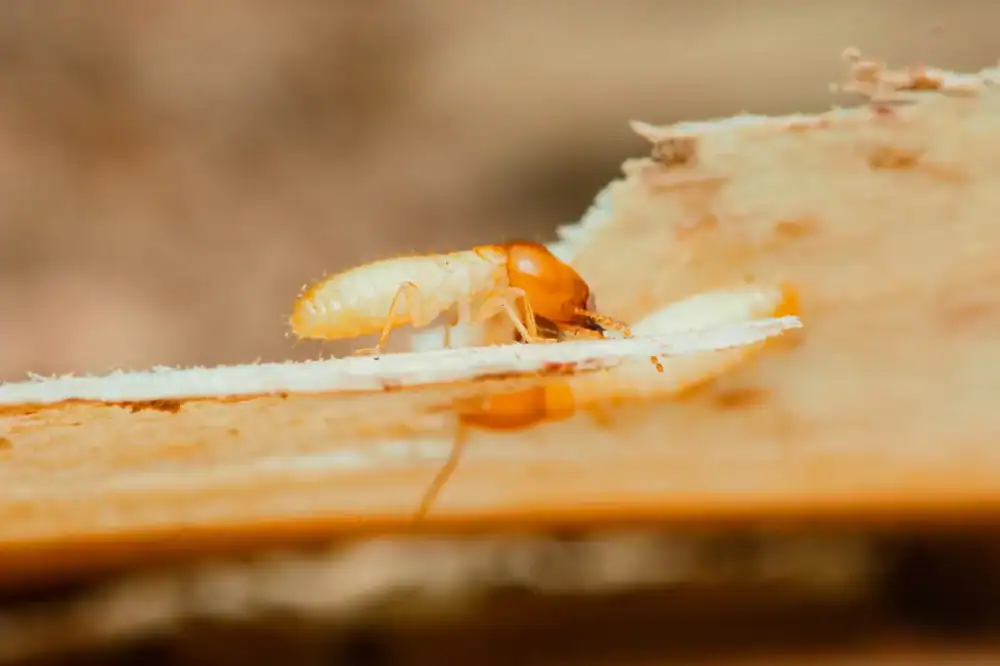
Florida is one of the most termite-active states in the country, and Hernando County sits squarely in that pressure zone. The climate — warm winters, hot and humid summers, and Gulf Coast moisture that doesn’t quit — means termites here are active twelve months a year. There’s no cold season that slows them down, no winter dormancy that gives your home a break.
That alone makes Hernando County a higher-risk environment than most national cost guides account for. Then there’s the species question. Florida has four termite species: subterranean, drywood, dampwood, and the invasive conehead termite. Each one behaves differently, lives in different parts of a structure, and requires a different treatment method.
Subterranean termites live in the soil and travel up into wood through mud tubes — they respond well to liquid soil barriers applied around the perimeter of your home, typically priced at $3 to $16 per linear foot. Drywood termites are different. They live entirely inside the wood — in your attic framing, your furniture, your wall studs — with no soil contact at all. A liquid barrier won’t touch them. For a widespread drywood infestation, whole-home fumigation is often the only complete solution, and that runs $2,000 to $8,000 depending on the size of the structure.
This is where a lot of homeowners get burned. They hire someone based on price, the wrong treatment gets applied for the wrong species, and six months later the problem is exactly where it was — or worse. In Hernando County, the average termite control cost based on completed local projects runs $238 to $347 for standard treatments, with fumigation pushing toward $1,200 to $2,500. Those numbers reflect real jobs in this market, not a blended national average.
One more thing worth knowing: Hernando County’s housing stock skews older. Many homes in Spring Hill, FL and Brooksville, FL were built during the development boom of the 1970s through the 1990s. Decades of Florida humidity have worked their way into wood framing, and older homes often have less moisture protection than newer construction. That means the termite risk here isn’t hypothetical — it’s structural, and it compounds over time.
One-time treatment gets the conversation started, but it’s rarely the whole story — especially in Florida. Termite pressure in Hernando County doesn’t stop after a single application, and we recommend ongoing protection as what actually keeps a home safe long-term.
Bait station systems are one of the most common ongoing approaches. The initial installation typically runs $1,000 to $2,500 depending on the size of the property and the number of stations required. After that, annual monitoring fees generally fall between $200 and $400 per year. The stations stay in the ground around the perimeter of your home, and we check them on a scheduled basis — if termite activity is detected, the bait is replenished and the colony is eliminated before it reaches the structure.
Liquid barrier treatments work differently. A termiticide is applied to the soil around and sometimes beneath the foundation, creating a treated zone that kills termites on contact. These treatments are effective, but they don’t last forever — the chemical breaks down over time, and retreatment is often recommended every few years depending on the product used. Annual renewal fees for liquid-based programs typically run $100 to $500.
For homeowners in Hernando County, FL who want a simpler structure, a quarterly prevention plan covers general pest activity and includes free retreatment between visits if anything comes back. It’s a way to keep termites — and everything else — on a consistent schedule rather than reacting to each problem as it surfaces.
The honest reason ongoing protection matters here comes down to a number that’s easy to overlook: termites can feed on a home’s structure for three to five years before any visible damage appears. By the time you see the mud tubes or the hollow wood, the colony has likely been active for a long time. Annual inspections and monitoring are what catch the problem in that invisible window — before the repair bill arrives.
Want live answers?
Connect with a Around The Clock Pest Service expert for fast, friendly support.
There’s no single termite treatment that works for every situation, and anyone who tells you otherwise is oversimplifying. The right method depends on the species, the extent of the infestation, the construction type of your home, and whether you’re treating an active problem or setting up prevention.
Understanding the main options — and what each one costs — puts you in a much better position before you ever pick up the phone. It also makes it easier to evaluate whether a quote you receive makes sense for what you’re actually dealing with.
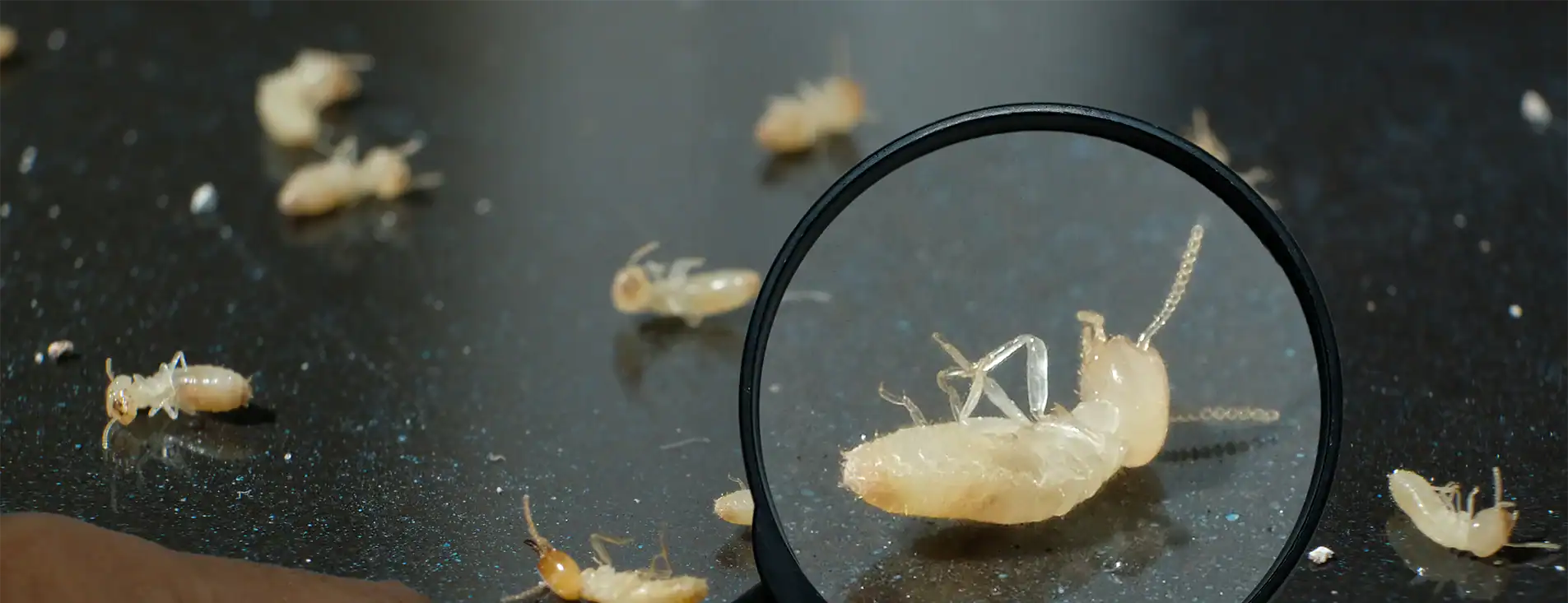
Liquid soil barriers and bait station systems are the two most common approaches for subterranean termites, and they’re not interchangeable — they work through completely different mechanisms.
A liquid barrier involves trenching around the foundation of your home and applying a termiticide to the soil. When subterranean termites tunnel through that treated zone, they pick up the chemical and carry it back to the colony. It’s fast-acting and creates an immediate protective barrier. Cost runs $3 to $16 per linear foot of treated perimeter, which means a typical Hernando County, FL home might fall anywhere in a fairly wide range depending on its footprint and accessibility.
Bait stations take a slower, more targeted approach. Stations are installed in the ground around the perimeter of the home and monitored on a schedule. When termites find the bait, they carry it back to the colony — the goal is elimination at the source rather than just blocking entry. Initial setup runs $1,000 to $2,500, with ongoing annual monitoring at $200 to $400 per year. Some homeowners prefer this method because it involves less chemical disruption to the soil and provides continuous monitoring rather than a one-time application.
Neither method is inherently better — the right choice depends on your home’s construction, the termite species present, and your preference for ongoing monitoring versus a more immediate barrier. A licensed inspector who correctly identifies the species first is the starting point for making that call. In Florida, misidentifying the species and applying the wrong treatment isn’t just a waste of money — it’s a licensing compliance issue.
This is the question that catches most homeowners off guard, and the answer is almost always no. Standard homeowners’ insurance policies explicitly exclude termite damage. The reasoning from insurers is that termite damage is gradual and preventable — it doesn’t qualify as a sudden, accidental loss the way a fire or burst pipe does. That classification means the full cost of both treatment and any structural repairs comes directly out of your pocket.
In Hernando County, FL, where the median home value sits between $276,000 and $327,000 and the homeownership rate is 82.5%, that’s a significant exposure. The average termite damage repair bill runs around $1,800 — and that’s for cases caught relatively early. Left unchecked, structural repairs can climb to $5,000, $10,000, or more depending on what’s been compromised. None of it is covered.
This is the part of the cost conversation that most people aren’t thinking about when they search for termite removal prices. They’re focused on the cost of treatment — which, for most Florida homes, runs somewhere between $225 and $2,500 for standard methods, or $2,000 to $8,000 for whole-home fumigation in severe cases. Those numbers feel significant until you set them next to the repair bills they’re preventing.
Florida real estate transactions routinely require a WDO (Wood-Destroying Organism) inspection before closing. If you’re buying or selling a home in Hernando County, FL, a termite issue that surfaces during that inspection can delay or derail a closing entirely. WDO inspections in Spring Hill, FL typically run $75 to $300 depending on property size and accessibility — a small cost relative to what an undetected infestation can do to a transaction. Getting ahead of it matters, whether you’re protecting a home you plan to stay in or one you’re preparing to sell.
The short version: termite removal cost in Florida depends on the species, the treatment method, the size of your home, and how long the problem has been active. National averages give you a starting point, but they don’t tell you what you’ll actually pay in Hernando County, FL — and they definitely don’t account for Florida’s four-species termite environment or the year-round activity that comes with this climate.
What matters most before you spend anything is getting a correct identification and an honest assessment from someone who knows this area. Not a vague range, not a pressure pitch — a real number based on what’s actually happening at your property.
We at Around The Clock Pest Service answer every call personally, provide phone quotes for most services, and have been serving Hernando County, FL homeowners for over 14 years. If you have questions about what you’re seeing or what treatment might cost, a call is the fastest way to get a straight answer.
Summary:
Article details:
Share: