
Fast, reliable pest control from Hernando County’s most trusted family-owned team—with most quotes given over the phone.
Contact Info
Fast, reliable pest control from Hernando County’s most trusted family-owned team—with most quotes given over the phone.
Contact Info
Not all termite treatments work the same. Compare liquid barriers, bait systems, and integrated approaches to find the right protection for your property.
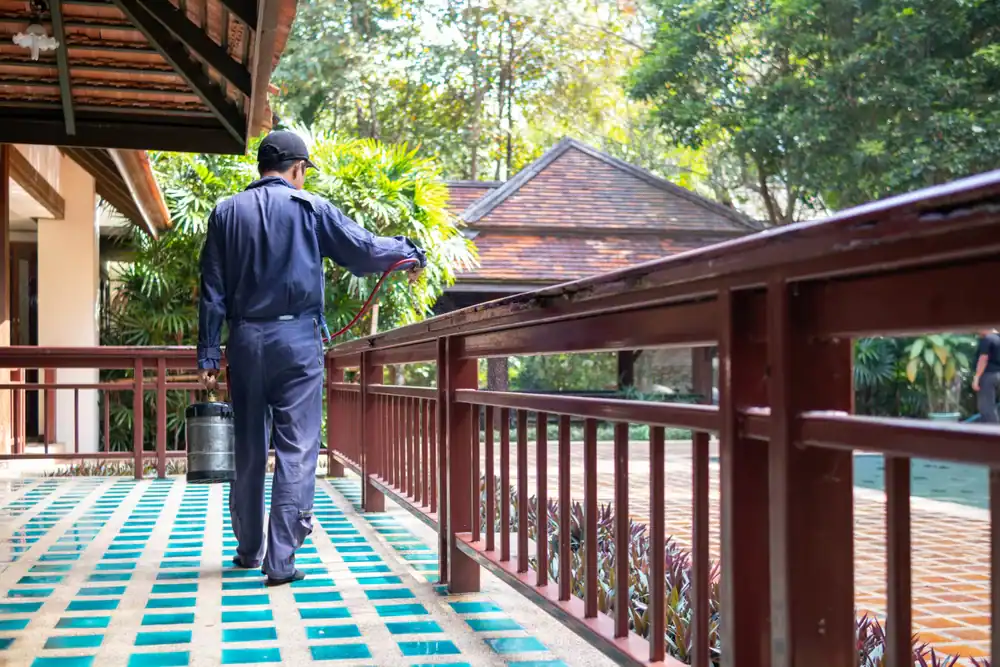
You’ve seen the mud tubes. Maybe you’ve noticed the hollow-sounding wood or the swarmers near your windows. Now you’re researching termite treatment options, trying to figure out which method actually works—and which one fits your situation and budget.
Here’s what matters: not every treatment works the same way, and what’s right for your neighbor’s home might not be right for yours. The type of termites you’re dealing with, your property’s construction, and how quickly you need results all factor into which approach makes sense.
This guide walks through the main termite treatment methods available in Florida, how they compare, and what you should know before making a decision.
Three main approaches dominate professional termite treatment: liquid termiticides, bait systems, and integrated methods that combine both. Each has specific strengths depending on your situation.
Liquid treatments create a chemical barrier in the soil around your home’s foundation. Termites contact the treated zone and either die on contact or carry the termiticide back to their colony. Bait systems use strategically placed stations that termites find while foraging, then share the slow-acting poison throughout their colony. Integrated approaches combine both methods for comprehensive coverage.
The right choice depends on factors like termite species, infestation severity, your property’s layout, and whether you’re treating an active problem or preventing future infestations. Understanding how each method works helps you have more informed conversations with pest control professionals.
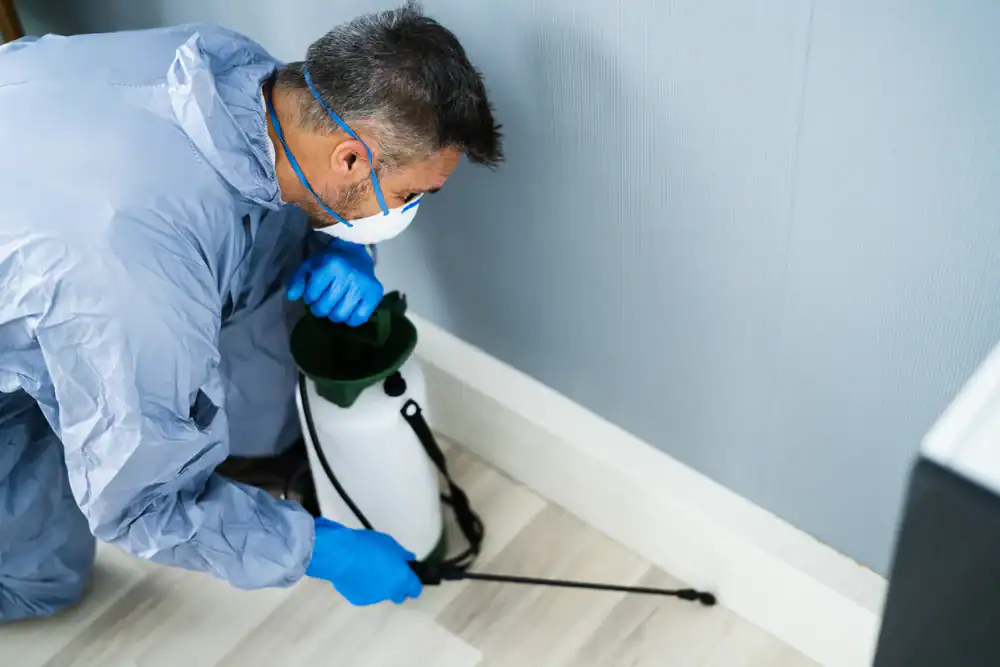
Liquid termiticides work by creating a treated zone in the soil that termites must cross to reach your home. Modern products like Termidor use non-repellent formulas that termites can’t detect. They walk through the treated soil, pick up the active ingredient, and spread it to other colony members through contact.
This method typically provides the fastest results for active infestations. The barrier starts working immediately, and you’ll often see a significant reduction in termite activity within days to weeks. Products like Termidor and Taurus SC bond with soil particles, creating a lasting treatment zone that can protect your home for five to ten years when properly applied.
The application process involves trenching around your home’s foundation and treating the soil with the liquid termiticide. For homes built on slabs, we may need to drill through concrete to reach the soil beneath. This requires specialized equipment and knowledge of building construction to ensure complete coverage without damaging your property.
Liquid treatments excel in situations requiring immediate action. If you’re seeing active termite damage, need treatment before a real estate closing, or want long-lasting protection with minimal ongoing maintenance, liquid barriers often make the most sense. They’re particularly effective for subterranean termites, which are the most common type in Hernando County.
The main consideration is upfront cost. Liquid treatments typically require a larger initial investment compared to bait systems. However, the long-term cost can actually be lower since you’re not paying for ongoing monitoring and bait replacements. You’re essentially front-loading the expense for years of protection.
Application does require some disruption to your landscaping. We dig trenches and may need to drill through pavers or concrete. We restore the areas we disturb, but it’s something to plan for. The treatment also needs to be applied correctly with no gaps in coverage, which is why working with experienced, licensed technicians matters.
Bait systems like Sentricon work differently than liquid treatments. Instead of creating a barrier, they intercept termites as they forage for food. Stations are placed around your property’s perimeter, typically every 10-15 feet. Termites discover the bait, consume it, and share it with their colony through feeding and grooming behaviors.
The active ingredient in most bait systems disrupts termites’ ability to molt, which eventually collapses the entire colony including the queen. This approach targets the source of the infestation rather than just killing individual termites at your home’s perimeter. Over time, usually 60-90 days, the colony population declines until it’s eliminated.
Bait systems require less initial disruption to your property. There’s no trenching, no drilling through concrete, and minimal impact on landscaping. Stations are installed in the ground and checked periodically to monitor termite activity and replenish bait as needed. This makes them appealing for properties with extensive hardscaping or features that make liquid treatment difficult.
The ongoing monitoring is both a benefit and a consideration. Regular termite inspections catch termite activity early, providing continuous protection. However, this means you’re committing to a service relationship with quarterly or annual visits. The bait must be replaced when termites consume it, and stations need maintenance to remain effective.
Cost structure differs from liquid treatments. Initial installation typically costs less—often about one-third the price of a complete liquid treatment. But the annual monitoring and bait replacement fees add up over time. After three to four years, you may spend more than you would have with a one-time liquid treatment and annual renewals.
Bait systems work well for preventive protection, properties where liquid treatment is impractical, and situations where minimal chemical use is a priority. They’re environmentally targeted since termites must actually find and consume the bait. If you’re not dealing with an urgent infestation and prefer ongoing professional monitoring, baiting can be an excellent choice.
The main limitation is speed. If you have active termite damage happening right now, waiting 60-90 days for colony elimination might not be acceptable. Bait systems also depend on termites finding the stations, which isn’t guaranteed immediately. For severe, active infestations, liquid treatments or integrated approaches often make more sense.
Want live answers?
Connect with a Around The Clock Pest Service expert for fast, friendly support.
Walk into any hardware store and you’ll find termite treatment products marketed to homeowners. Sprays, foams, granules, and even bait stations are available over the counter. The question isn’t whether these products exist—it’s whether they actually solve your termite problem.
DIY treatments face several fundamental limitations. First, the products available to consumers aren’t as potent as professional-grade termiticides. Second, termite colonies are hidden and extensive—you’re seeing a tiny fraction of the actual infestation. Third, effective treatment requires knowledge of termite behavior, building construction, and proper application techniques that most homeowners simply don’t have.
Spot treatments might kill the termites you can see, but they rarely eliminate the colony. Termites will often just avoid treated areas and find another route into your home. Without addressing the source, you’re essentially playing whack-a-mole while structural damage continues.
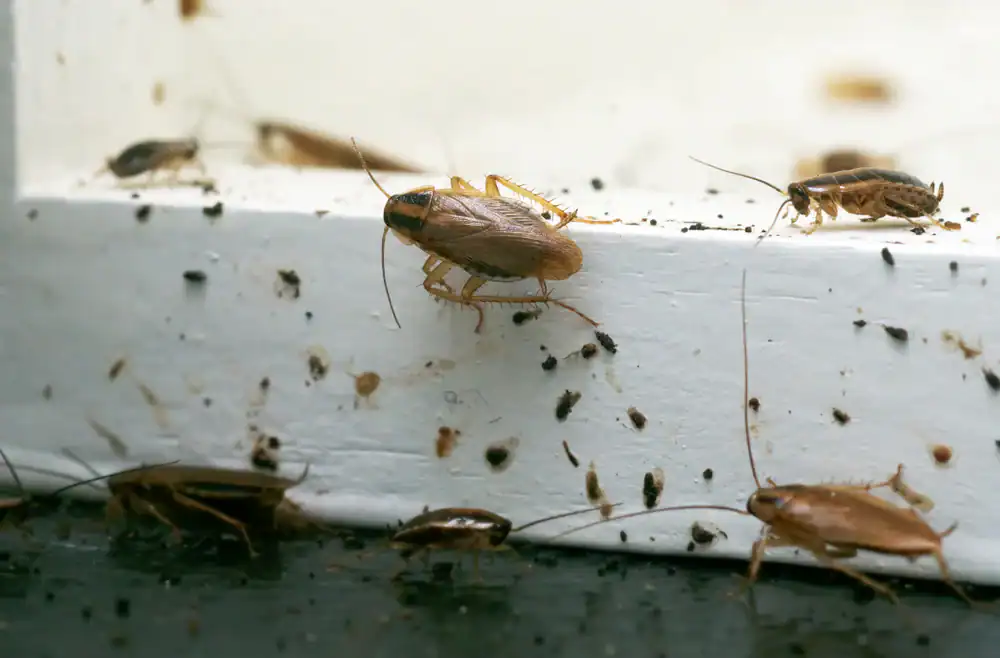
The biggest issue with DIY termite control is that you can’t see what you’re dealing with. Termites in Hernando County can be feeding on your home’s structure for three to five years before you notice any signs. By the time you spot mud tubes or damaged wood, the colony is well-established and likely has multiple entry points.
Over-the-counter products work through contact or ingestion, which means termites must actually encounter the treatment. If you miss areas, leave gaps in coverage, or don’t reach where termites are actually entering, the treatment fails. Professional applications use specialized equipment to ensure complete coverage, including injecting treatment into wall voids and beneath slabs.
DIY bait stations face similar challenges. They’re only effective if termites find them, and placement requires understanding termite foraging patterns. Professional systems like Sentricon use specifically formulated baits that termites prefer over natural wood sources. Consumer versions don’t always have the same attractiveness or potency.
Then there’s the safety concern. Effective termiticides are toxic chemicals that require proper handling, mixing, and application. Homeowners can expose themselves, their families, or pets to unnecessary risk when using these products without training. Professional technicians are licensed, certified, and equipped with protective gear for safe application.
Perhaps most importantly, DIY treatments don’t come with warranties. If the termites come back, you’re starting over from scratch with more expense and more damage. Professional treatments typically include guarantees and follow-up service if termite activity returns during the warranty period.
Florida also has specific licensing requirements for termite treatment. Certain methods and products are restricted to licensed pest control operators. If you’re buying or selling a home and need a WDO inspection, DIY treatments won’t satisfy lender or buyer requirements. You’ll need professional documentation.
The math rarely works in DIY’s favor either. By the time you buy multiple products, application equipment, and spend your time troubleshooting, you’ve often spent as much as hiring a professional—without the expertise, warranty, or peace of mind.
Some situations absolutely require professional termite treatment. If you’re seeing active swarmers inside your home, finding extensive wood damage, or discovering termites in multiple areas, the infestation is beyond what consumer products can handle. These signs indicate an established colony that needs comprehensive treatment.
Real estate transactions are another clear-cut case. Lenders typically require WDO (Wood Destroying Organism) inspections for mortgages in Florida. If termites are found, you’ll need licensed professional treatment and documentation to close the sale. DIY attempts won’t satisfy these requirements and could delay or derail the transaction.
Florida’s licensing laws exist for good reason. The state requires pest control operators to pass exams, maintain insurance, and follow specific treatment protocols. These regulations protect homeowners from ineffective treatments and ensure proper chemical handling. Working with a licensed company means you’re getting someone who’s accountable to state standards.
Professional treatment also makes sense when you consider what’s at stake. Termites cause more damage to Florida homes than fires and floods combined. The state loses up to a billion dollars annually to termite damage. Your home is likely your largest investment—protecting it properly is worth the cost of professional service.
The expertise factor matters too. Experienced technicians can identify termite species, assess infestation severity, and recommend the most effective treatment for your specific situation. They know which products work best in Florida’s climate, how to handle different construction types, and how to ensure complete coverage.
Most professional pest control companies offer free inspections. You can get an expert assessment of your situation, understand your options, and receive a quote without any obligation. This alone provides value—you’ll know exactly what you’re dealing with and can make an informed decision about treatment.
At Around the Clock Pest Service in Spring Hill, we provide that direct, honest communication. You work with us directly, get most quotes over the phone, and receive straightforward recommendations about which treatment method actually fits your situation. No high-pressure sales, no unnecessary upselling—just transparent guidance from someone who answers the phone personally.
The best termite treatment isn’t always the same for every property. Liquid treatments offer fast-acting, long-lasting protection ideal for active infestations and properties where immediate results matter. Bait systems provide ongoing monitoring and colony elimination with minimal property disruption. Integrated approaches combine both methods for comprehensive coverage.
What matters most is working with someone who’ll honestly assess your situation and recommend what actually makes sense—not just what’s easiest to sell. Look for licensed, experienced professionals who explain your options clearly and back their work with warranties.
If you’re in Hernando or Pasco County and need termite treatment, we at Around the Clock Pest Service provide that straightforward, family-owned approach. State-certified technicians, 24/7 availability, and over 100 five-star reviews from local families who’ve dealt with the same termite concerns you’re facing now.
Summary:
Article details:
Share: