
Fast, reliable pest control from Hernando County’s most trusted family-owned team—with most quotes given over the phone.
Contact Info
Fast, reliable pest control from Hernando County’s most trusted family-owned team—with most quotes given over the phone.
Contact Info
A WDO inspection isn't the same as a home inspection — and in Florida, that difference can cost you thousands. Here's what it actually covers.
Your realtor mentioned it. Your lender might have required it. But nobody really explained what a WDO inspection is or why it’s different from the home inspection you already paid for. That gap in understanding is surprisingly common — and it leaves a lot of buyers in Hernando County exposed to a problem that homeowners insurance won’t touch.
We’ve put together this guide to fill that gap. By the time you’re done reading, you’ll know exactly what a wood destroying organism inspection covers, what the official report means, and what your options are if something turns up. Whether you’re buying, selling, or just trying to understand the process, this is where to start.
A WDO inspection — short for Wood Destroying Organism inspection — is a formal assessment of a property for evidence of insects, organisms, or conditions that damage wood structures. In Florida, it’s a legally defined inspection performed by a licensed pest control operator and documented on the official FDACS Form 13645. That form is what your lender, realtor, and closing agent will actually ask to see.
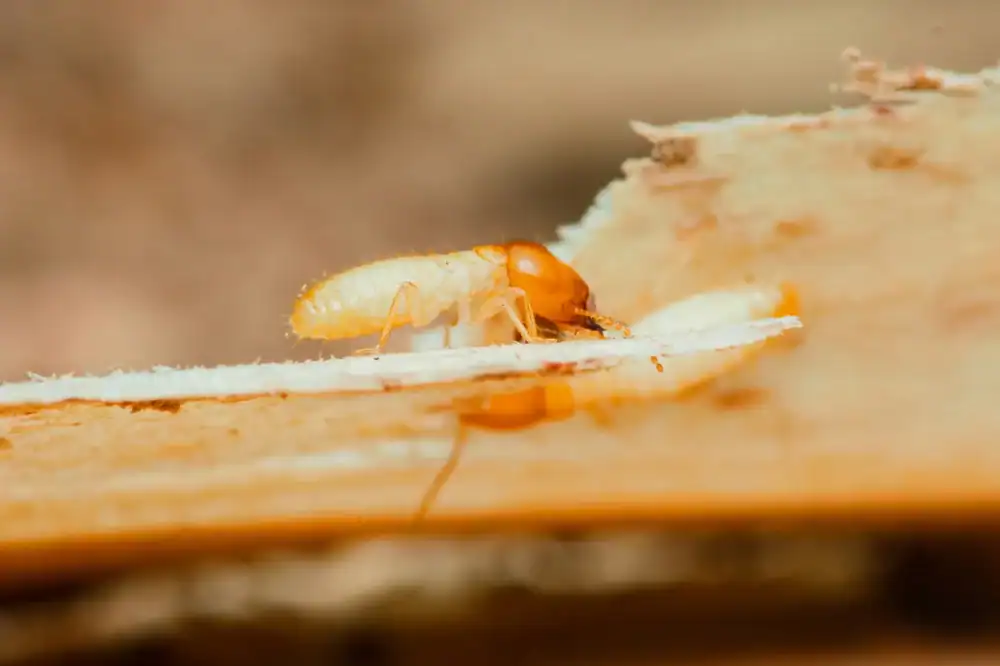
What makes it distinct is scope. A WDO inspection doesn’t just look for termites. It covers subterranean termites, drywood termites, Formosan termites, wood-boring beetles like powderpost beetles and old house borers, and wood-decaying fungi. Any of those can compromise a home’s structural integrity — and none of them are visible to a standard home inspector operating under a general license.
This is the misconception that costs people the most. A home inspector is not licensed or legally qualified to issue a WDO report in Florida. They may notice something that looks suspicious and mention it in passing, but that observation carries no legal weight — and it won’t satisfy your lender’s requirements.
Under Florida law, Chapter 482 of the Florida Statutes governs the pest control industry, and only a pest control operator holding a Wood-Destroying Organisms category license may issue the official FDACS Form 13645. That’s the document that actually matters at closing. Without it, a buyer relying solely on a general home inspection has no formal, legally recognized assessment of whether the structure has been compromised by termites, beetles, or fungal decay.
The distinction matters enormously in Hernando County, where the climate, the soil, and the age of the housing stock all work against buyers who assume their home inspector covered everything. Spring Hill’s planned-community origins date back to 1967, and a significant portion of the homes here were built in an era when wood-to-soil contact was far more common than current building codes allow. Older construction, sandy soil, and year-round subtropical humidity create conditions that termite colonies thrive in — and they can feed on a structure for three to five years before anything visible appears.
Homeowners insurance does not cover termite damage. It never has. Termite damage is universally excluded from standard policies because it’s considered preventable. So if a buyer closes without a WDO inspection and discovers an active infestation six months later, the repair bill — which averages around $8,000 in Florida and can climb well past that for structural work — belongs entirely to them.
A WDO inspection typically costs between $75 and $300 in the Hernando County area, depending on the size and accessibility of the property. Measured against what it protects against, that’s not a difficult calculation.
A licensed WDO inspector examines the accessible areas of a property — interior spaces, exterior walls and foundation, garage, attic when clearance allows, and any crawlspaces — for four categories of findings: active infestations, existing damage, prior treatment history, and conditions that are conducive to future infestation.
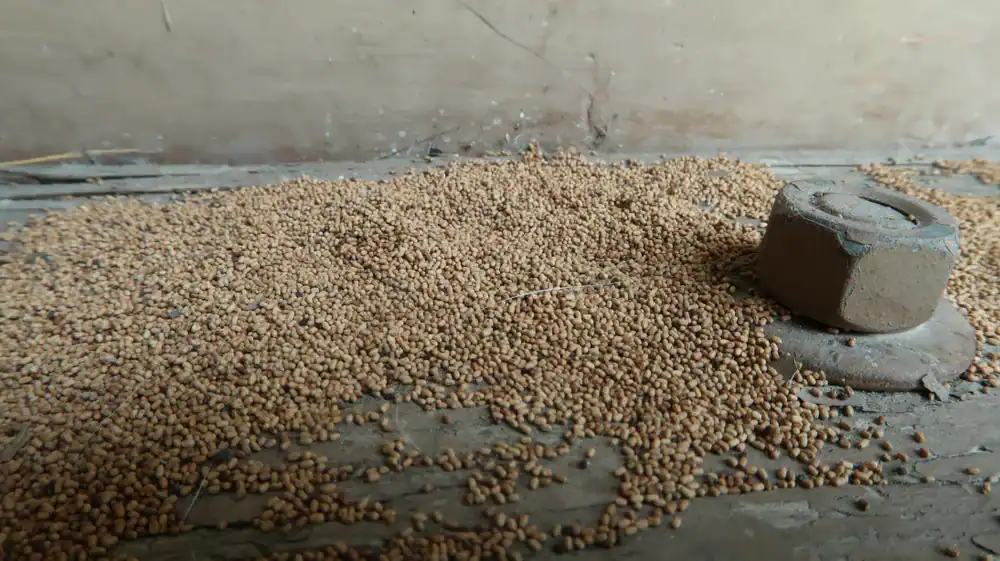
Active infestation evidence includes mud tubes along foundation walls (a signature of subterranean termites), frass or small pellets near baseboards or windowsills (drywood termites), discarded wings near entry points, exit holes in wood, and live insects. Existing damage means structural wood that has already been compromised — an inspector will probe suspicious areas to assess the extent, not just note the visual surface.
Prior treatment history matters because a previous termite treatment changes how a new infestation should be interpreted and what remediation options make sense. Conducive conditions — things like wood-to-soil contact, moisture intrusion at the foundation, or improper drainage — don’t mean an infestation is present, but they signal elevated risk that a buyer should understand before closing.
Formosan termites are actively spreading into Hernando County and Pasco County. These aren’t the same as the Eastern subterranean termites most people picture. Formosan colonies are significantly larger, more aggressive, and capable of causing structural damage in months rather than years. A qualified local inspector who knows what’s present in this market isn’t just checking a box — they’re looking for something that a less experienced or less local operator might miss entirely.
The inspection results are documented on FDACS Form 13645, which is also called the NPMA-33 at the national level. This form has sections covering each category of finding, and it’s the document your lender, realtor, and closing agent will review. It’s a snapshot of what was visible and accessible on the day of inspection — which is also why the report is only valid for 30 days.
Want live answers?
Connect with a Around The Clock Pest Service expert for fast, friendly support.
Most mortgage lenders — FHA, VA, and the majority of conventional loan programs — require a WDO inspection as part of the closing process. Even when it isn’t strictly required, it’s standard practice in Florida real estate for good reason. The state ranks first in the country for termite activity, and the financial exposure of skipping the inspection dwarfs the cost of getting one.
Hernando County’s real estate market is active. Thousands of homes change hands here every year, and a meaningful share of buyers are relocating from out of state — people who may be buying their first Florida home and have no frame of reference for what termite activity in this climate actually looks like. For those buyers especially, a WDO inspection isn’t optional in any practical sense.
Finding evidence of wood destroying organisms during a real estate inspection doesn’t automatically kill a deal. What it does is give the buyer information — and options.
In most cases, a buyer who receives a WDO report with active findings has three realistic paths: negotiate with the seller to require professional treatment before closing, request a price reduction to account for the cost of treatment and any necessary repairs, or walk away from the transaction if the damage is severe enough to change the value proposition. Which path makes sense depends on the extent of the findings, the type of organism involved, and how the seller responds.
Sellers have their own considerations under Florida law. The Johnson v. Davis standard — Florida’s foundational case on real estate disclosure — requires sellers to disclose all known material defects, and that includes known termite damage or prior treatment history. A seller who knows about termite damage and doesn’t disclose it is exposed to significant legal liability. That’s one of the stronger arguments for sellers to get a WDO inspection before listing rather than waiting for the buyer to order one. A pre-listing inspection lets you find and address problems on your own terms, price the home accordingly, and avoid the kind of last-minute surprises that derail closings.
It’s also worth understanding what a WDO inspection is not. It is not a termite bond or a service agreement. A termite bond is an ongoing protection and retreatment contract — valuable in its own right, but it does not constitute a WDO inspection and will not satisfy lender requirements. If you have an existing termite bond on your property, that’s useful information for a buyer, but it doesn’t replace the formal inspection.
A WDO inspection report is only valid for 30 days from the date it’s issued. For real estate transaction purposes, if the report expires before closing, a new inspection is required — at the buyer’s expense.
In Hernando County, where homes are sitting an average of 76 days before selling, that window matters more than it might in a faster market. Delayed financing approvals, renegotiations after inspection findings, title issues, and scheduling backlogs can all push a closing timeline past the 30-day mark. When that happens, the buyer needs a new WDO inspection quickly — and “quickly” in real estate terms often means within 48 hours.
This is one of the less-discussed pain points in local transactions, but it’s a real one. Communities like Timber Pines, Sterling Hill, Silverthorn, Woodland Waters, and the Villages of Avalon all have active resale markets, and any of those transactions can run into timeline complications. Having a local, responsive provider who can reschedule and turn around a report fast enough to keep a deal on track is genuinely useful — not just a nice-to-have.
The practical answer is to work with a provider who can give you a phone quote, schedule quickly, and deliver the report in a format your lender will accept. That means an FDACS-licensed operator issuing the official Form 13645 — not an informal inspection letter, not a verbal assurance, and not a home inspector’s general observations. The form is specific, the license is verifiable, and the 30-day clock starts the moment the inspection is complete.
A WDO inspection is one of the smaller line items in a real estate transaction, but it protects against one of the largest potential losses. In Hernando County — with its sandy soil, subtropical climate, aging housing stock, and the ongoing spread of Formosan termites into the area — it’s not a formality. It’s one of the few things standing between a buyer and a repair bill that insurance won’t cover.
The inspection itself is straightforward when you work with someone who’s licensed, local, and actually knows what they’re looking at. The report is a legal document. The findings are real. And the 30-day clock is unforgiving if your closing runs long.
If you’re buying or selling in Spring Hill, Brooksville, Weeki Wachee, Hernando Beach, or anywhere else in Hernando County and need a WDO inspection scheduled, Around The Clock Pest Service is licensed by the Florida Department of Agriculture, answers every call personally, and can give you a quote over the phone. Reach out when you’re ready.
Summary:
Article details:
Share: