
Fast, reliable pest control from Hernando County’s most trusted family-owned team—with most quotes given over the phone.
Contact Info
Fast, reliable pest control from Hernando County’s most trusted family-owned team—with most quotes given over the phone.
Contact Info
Carpenter ants aren't just a nuisance—they're excavating your home's wood structures. Discover when it's time to stop spraying and start calling an ant exterminator.
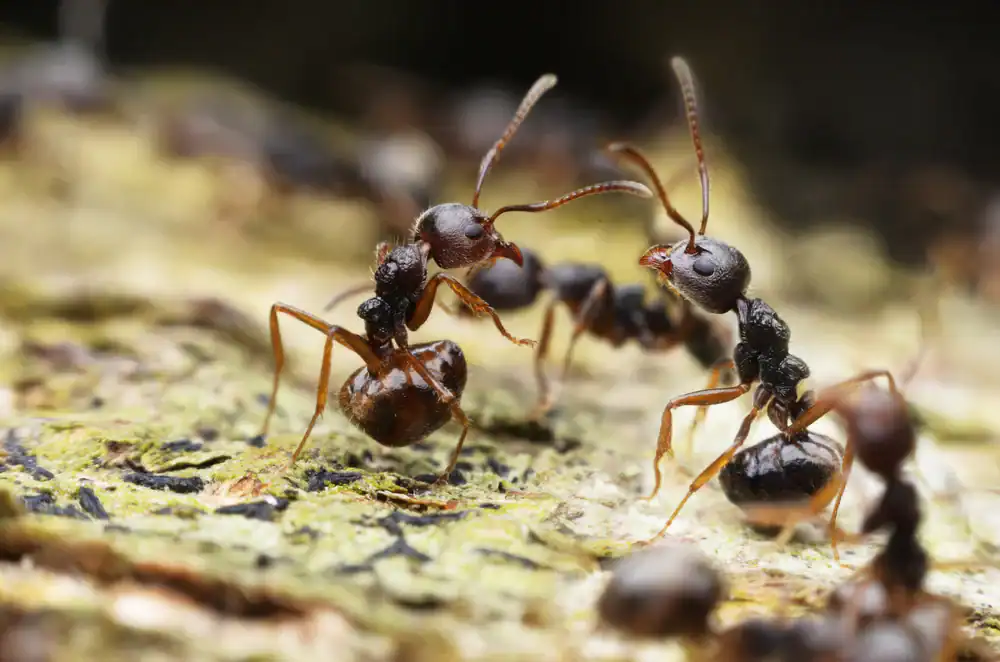
You’ve wiped down the counters. Sealed the cracks. Bought three different ant sprays. And yet, there they are again—trailing along your baseboards like they own the place. If you’re seeing large, reddish-brown and black ants in your Hernando County home, especially near windows or in areas with past water damage, you’re likely dealing with carpenter ants. And here’s the thing: these aren’t the ants you can just spray away. They’re excavating tunnels in your wood structures right now, and the longer they stay, the more expensive the fix becomes. This isn’t about scaring you—it’s about helping you understand when a problem has outgrown the DIY aisle and needs someone who knows how to find the colony, eliminate the queen, and stop the damage before it costs you thousands.
Not every ant situation needs a professional ant exterminator. A few sugar ants near the sink? That’s usually a cleanup and prevention issue. But carpenter ants operate on a completely different level.
Unlike the small ants attracted to crumbs, carpenter ants are after your home’s structure. They don’t eat wood like termites do, but they excavate it—carving out smooth tunnels and galleries to house their colony. Over time, this weakens beams, window frames, and any wood that’s been softened by moisture. In Florida’s humid climate, that’s a lot of vulnerable wood.
These ants are also nocturnal. They forage at night, which means you might only see a few during the day while thousands are active in your walls after dark. By the time you’re noticing them regularly, the colony is likely well-established.
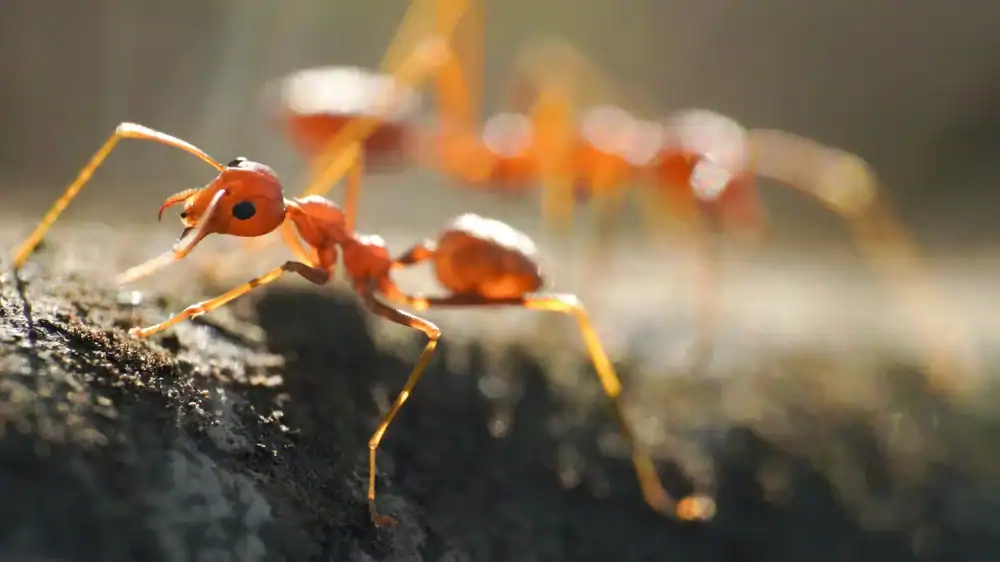
Florida carpenter ants are one of the largest ant species you’ll encounter. Workers range from a quarter-inch to half an inch long, and they’re distinctly bicolored—reddish-brown or rust-colored on the head and thorax, with a dark brown or black abdomen. If you’re seeing big ants, that’s your first clue.
But size isn’t the only giveaway. Look for small piles of sawdust-like material near wooden structures, window sills, or door frames. This is called frass, and it’s the debris carpenter ants push out as they excavate their nests. You might also hear faint rustling sounds inside walls at night when the colony is most active.
Winged carpenter ants are another red flag. These are reproductive ants, and if you see them indoors—especially during winter or early spring—it means there’s a mature colony somewhere inside your home, not just scouts coming in from outside. Swarming season in Florida runs from April to June, and it’s one of the most common times homeowners first realize they have a problem.
The tricky part is that carpenter ants don’t always nest where you see them. They’ll travel up to 100 yards from their colony to forage for food, which means the nest could be in your attic, crawlspace, or even in a tree stump outside with a satellite colony indoors. That’s why tracking them back to the source requires more than just following a trail—it takes experience and the right approach.
Carpenter ant damage doesn’t happen overnight, but it happens steadily. Because they prefer wood that’s already been softened by moisture, leaks, or decay, they often target areas you can’t easily see—inside walls, under insulation, around plumbing, or in attic beams. By the time you notice visible signs, the colony has likely been there for months, if not years.
Florida carpenter ants typically don’t cause the same level of destruction as termites, but that doesn’t mean they’re harmless. They hollow out wood to create nesting space, and over time, that can compromise structural integrity. Window frames start to feel soft. Support beams lose strength. In severe cases, homeowners have discovered extensive damage during renovations or when selling their home, leading to repair costs that run into the thousands.
What makes this especially frustrating is that carpenter ants are drawn to the same conditions that create other home problems—moisture. If you’ve had a roof leak, plumbing issue, or poor ventilation in your crawlspace, you’ve essentially rolled out the welcome mat. And because Florida’s humidity is relentless, even minor moisture problems can create ideal conditions for these ants to thrive year-round.
The other issue is that carpenter ants establish satellite nests. A mature colony will send out groups to create secondary nests nearby, which means treating one area might not solve the problem. You could eliminate the ants you see in your kitchen while a satellite nest continues thriving in your attic. That’s why professional ant control focuses on finding all nesting sites and eliminating the entire colony, including the queen.
Want live answers?
Connect with a Around The Clock Pest Service expert for fast, friendly support.
There’s nothing wrong with trying to handle an ant problem yourself—at first. Store-bought ant baits and sprays can work for minor infestations, especially with smaller ant species. But there’s a point where DIY stops being effective and starts wasting your time and money.
If you’ve been treating the same ant problem for more than two or three weeks with no improvement, that’s your signal. You’re not failing—you’re just up against a problem that needs professional-grade tools and expertise. Carpenter ants, in particular, don’t respond well to surface treatments because the colony is hidden and the workers you’re killing are just a fraction of the population.
The bigger risk with DIY is making the problem worse. Some sprays cause ant colonies to “bud,” which means they split into multiple smaller colonies and spread throughout your home. What started as one problem area suddenly becomes three or four.
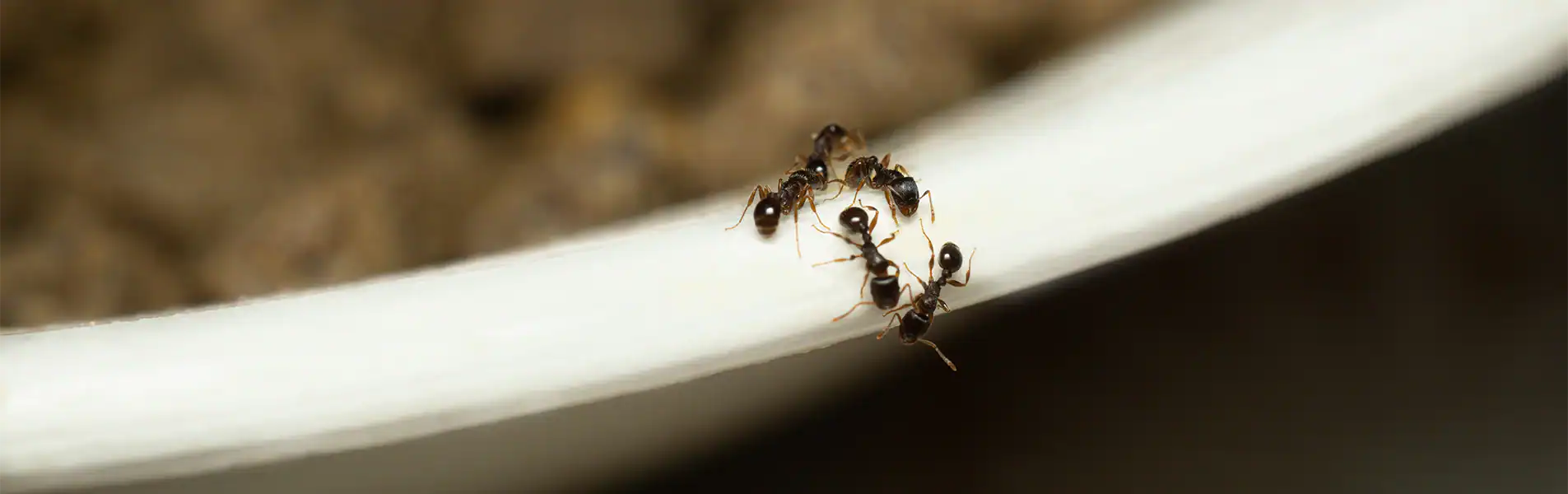
Professional ant control isn’t just about stronger chemicals. It’s about knowing what you’re dealing with and where to look. We start with species identification because carpenter ants, fire ants, and sugar ants all require different treatment approaches. Using the wrong method won’t just fail—it can make the infestation harder to control.
Once the species is identified, the next step is tracking the colony. We know how to follow foraging patterns, especially at night when carpenter ants are most active. We look for entry points, moisture sources, and nesting sites that homeowners typically miss. This might involve inspecting attics, crawlspaces, wall voids, and exterior areas where satellite nests could be hiding.
Treatment itself is targeted. Instead of spraying visible ants, we use baits that worker ants carry back to the colony, eventually reaching the queen. This eliminates the entire colony from the inside out. We also apply residual treatments to entry points and nesting areas, creating long-term protection that prevents re-infestation.
But maybe the most important difference is follow-through. We don’t just treat the problem and leave. We identify what attracted the ants in the first place—moisture issues, structural vulnerabilities, landscaping that creates bridges into your home—and give you a plan to prevent it from happening again. That’s the difference between a temporary fix and actually solving the problem.
If you have pets or young children, the safety of ant control treatments is probably one of your biggest concerns. And it should be. Not all pest control methods are created equal, and some products that are effective against ants can pose risks to the furry members of your family.
We have access to pet safe ant control options that homeowners don’t. These include targeted baits placed in areas pets can’t reach, low-toxicity treatments that break down quickly, and application methods that minimize exposure. The key is precision—treating only where necessary and using products designed to eliminate ants without creating hazards for anyone else in your home.
Diatomaceous earth is one example of a pet-safe option we use strategically. It’s a natural powder that’s safe for mammals but deadly to insects. When applied correctly in cracks, crevices, and wall voids, it can help control ant populations without chemical exposure. Similarly, boric acid-based baits can be effective when placed in enclosed bait stations that keep pets and children out.
But here’s what most people don’t realize: professional application matters more than the product itself. Even a pet-safe treatment can become a problem if it’s applied incorrectly or in areas where pets have access. That’s why working with a certified technician who understands both pest behavior and safety protocols gives you the best of both worlds—effective ant control that doesn’t put your family at risk.
In Hernando County, where many families have both indoor and outdoor pets, this becomes especially important. You need someone who can treat your home’s interior without forcing you to board your pets for days, and who can address outdoor ant colonies without making your yard off-limits. We’ll walk you through exactly what’s being used, where it’s being applied, and how long you need to keep pets away from treated areas.
Not every ant problem needs professional help, but carpenter ants do. If you’re seeing large bicolored ants, finding sawdust piles near wood, or hearing rustling in your walls, you’re past the point where DIY is going to cut it. The colony is established, and every day you wait is another day they’re excavating your home’s structure.
The good news is that professional ant control works when it’s done right. Species identification, colony elimination, moisture source correction, and prevention strategies—that’s what stops carpenter ants for good. And in Florida’s year-round pest climate, working with someone who knows local ant behavior and has the certifications to back it up makes all the difference.
If you’re tired of spraying the same ants every week or worried about what’s happening inside your walls, it’s time to call Around The Clock Pest Service. We’re state-certified, family-owned, and available 24/7—even on weekends—because ant problems don’t wait for business hours.
Summary:
Article details:
Share: