
Fast, reliable pest control from Hernando County’s most trusted family-owned team—with most quotes given over the phone.
Contact Info
Fast, reliable pest control from Hernando County’s most trusted family-owned team—with most quotes given over the phone.
Contact Info
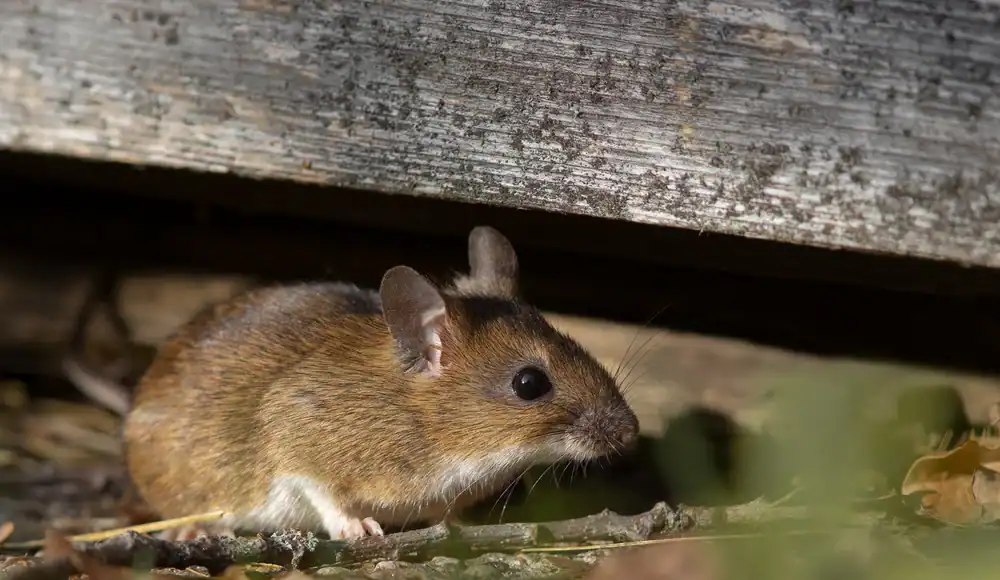
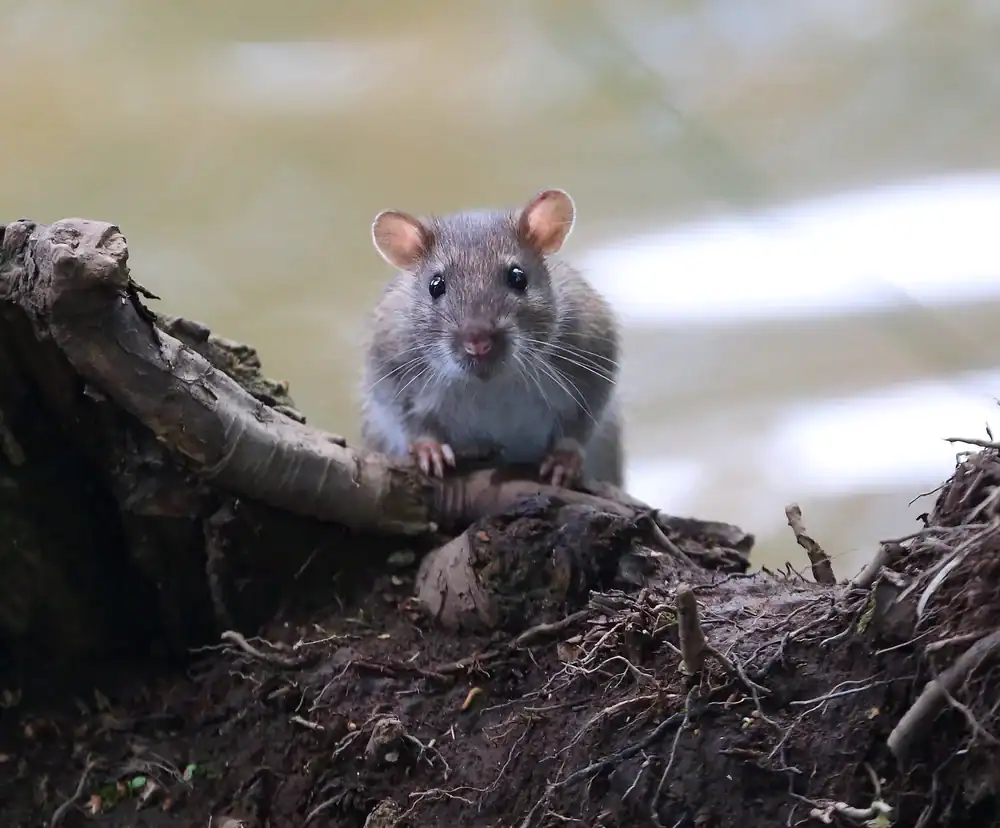
That sound in your attic at night — the one you’ve been trying to explain away — is almost never one animal. Roof rats in northeast Pasco County live in family groups. By the time you’re hearing them clearly in a Clay Sink home, there’s already an established colony up there, and the Richloam Wildlife Management Area bordering your property isn’t going to stop sending more.
What changes after a proper removal isn’t just the noise. It’s the air quality in your home. Rodent droppings soaked into attic insulation get pulled through your HVAC system every time your air runs — and in a Florida summer, that system runs constantly. Cleaning up the contamination left behind is what actually protects your family, not just removing the animals themselves.
The older rural housing stock in the Clay Sink area also means more entry points than most homeowners realize. Weathered soffits, aging roof vents, gaps around utility lines — a roof rat needs a half-inch opening. After a thorough inspection and removal, you’ll know exactly where every one of those vulnerabilities is, so the problem doesn’t quietly restart from the forest edge the moment the traps come down.
We’re a family-owned business serving Hernando County and the neighboring Florida counties that share its border — including the northeast corner of Pasco County where Clay Sink sits, just minutes from the Hernando County line off Richloam Clay Sink Road.
Every client works directly with us. Not a dispatcher, not a rotating technician, not a call center. The owner answers, the owner quotes you over the phone, and the owner is personally responsible for the outcome. That structure isn’t a tagline — it’s how we actually run, and it’s why over 100 five-star Google reviews from real Hernando and Pasco County homeowners back it up.
We hold an A+ rating from the Better Business Bureau and a valid Florida Department of Agriculture and Consumer Services license through 2027. We respond within 24 hours, including weekends, because a rodent problem at a rural Clay Sink property doesn’t pause until Monday morning.
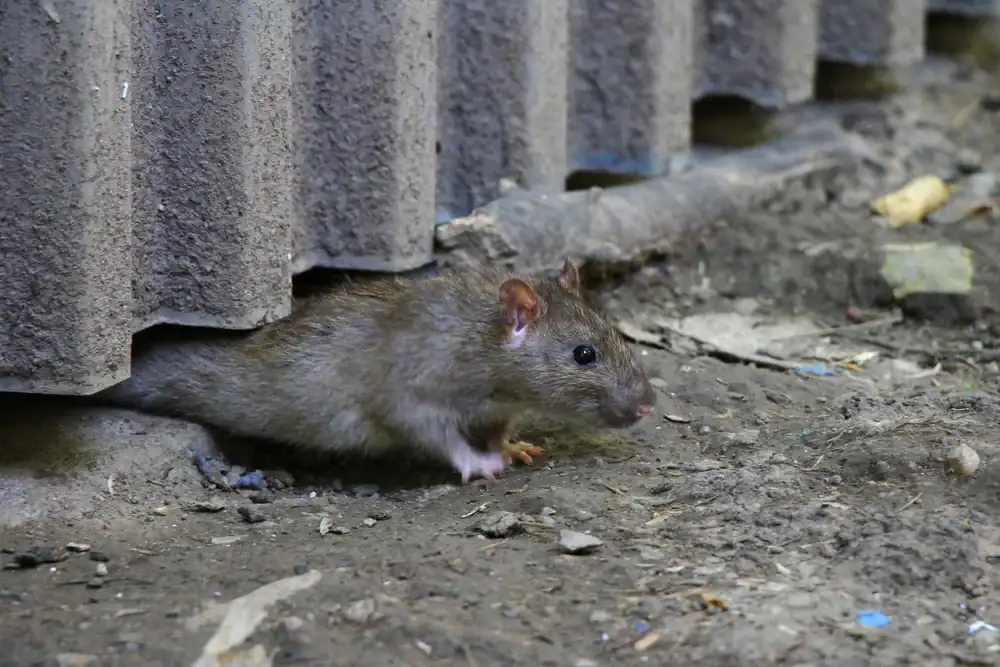
It starts with a thorough inspection — not a quick walkthrough, but a real assessment of your attic, crawl spaces, wall voids, and full exterior. In Clay Sink, that means paying close attention to the structural vulnerabilities that accumulate in older rural homes over time: deteriorating fascia, aged roof vents, gaps where utility lines enter the structure. These are the exact spots roof rats exploit, and they’re more common here than in newer subdivisions.
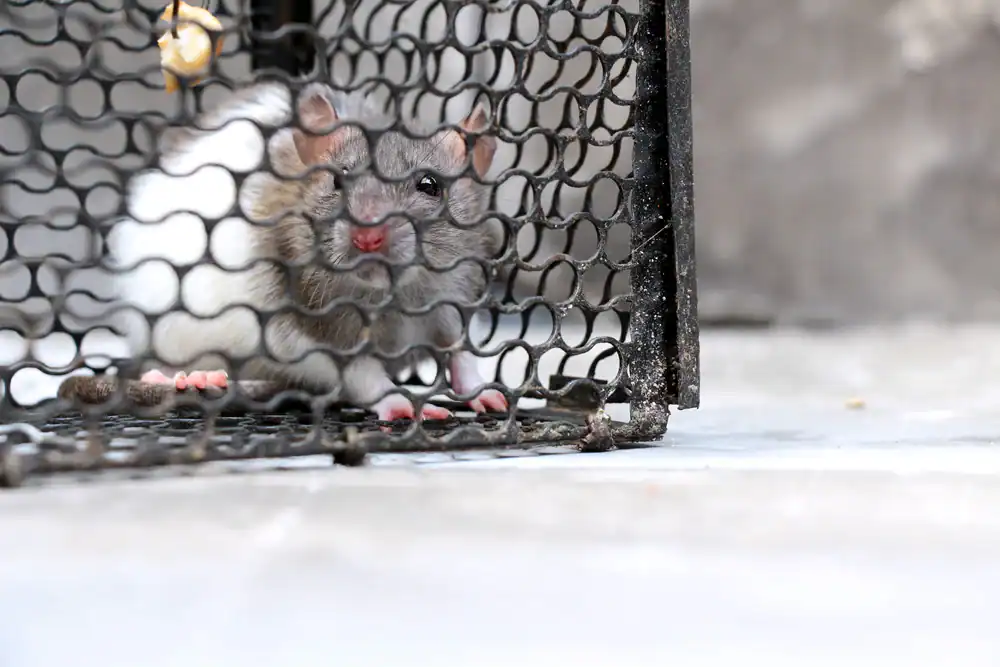
From there, we place professional-grade mechanical traps — not rodenticide bait stations. This is a deliberate choice. Poison bait creates a different problem: a dead rat inside your wall cavity that you can’t reach, producing an odor that lasts for weeks. It also puts your pets at real risk if they come into contact with a poisoned animal. Traps eliminate that entirely.
Once the animals are removed, the work isn’t done. Rodent urine leaves chemical scent trails that guide new rodents back to the same entry points — especially when you’re living at the edge of 58,000 acres of active wildlife habitat. We neutralize those trails through sanitization. Then you get a complete, specific list of every entry point we found during the inspection, so you know exactly what structural repairs will keep the problem from returning.
Ready to get started?
Our rodent control service in Clay Sink covers the full cycle — not just the removal. We include a detailed inspection of your attic, wall voids, crawl spaces, and exterior; mechanical trap placement calibrated to the infestation level we find; attic rodent decontamination to address the waste left behind; and a written accounting of every structural entry point we identify during the inspection.
The trap-only approach matters more in this area than most. Clay Sink homeowners typically have dogs, cats, or livestock on their property. Secondary poisoning — when a pet ingests a rodent that consumed rodenticide — is a documented risk, and it’s one we eliminate entirely. Florida law requires all structural pest control work to be performed by a licensed operator under Chapter 482 of Florida Statutes. We hold that license through 2027, which you can verify directly through the FDACS public portal before you ever pick up the phone.
We offer special discounts for new homeowners and military families. If you’ve recently purchased property in the Clay Sink area and you’re encountering the forest-edge wildlife pressure of northeast Pasco County for the first time, ask about new homeowner pricing when you call — most quotes are handled right over the phone.
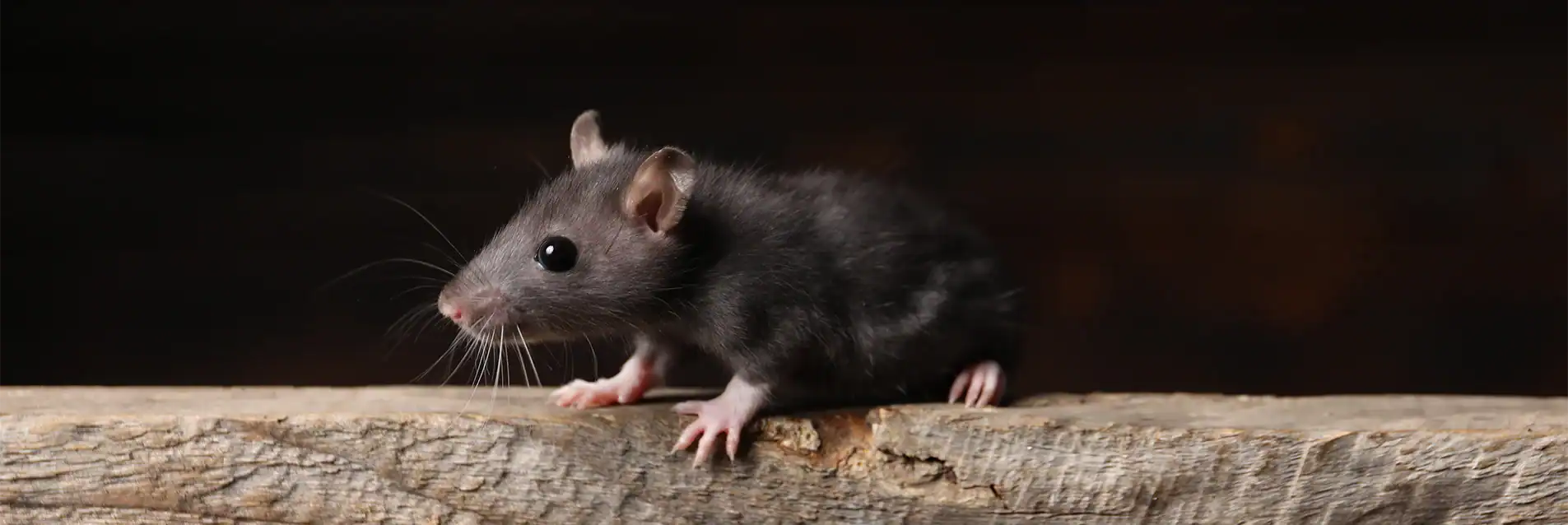
Nocturnal scratching in an attic almost always means roof rats — and in Clay Sink, the source is rarely a mystery. Your property sits at the edge of the Withlacoochee State Forest and Richloam Wildlife Management Area, which together cover tens of thousands of acres of active wildlife habitat. Roof rats nest in dense vegetation, palm trees, and woodpiles outdoors, and they move toward residential structures when temperatures shift or food sources thin out. The forest is always there, and it continuously replenishes the rodent population at your property’s edge.
One scratching sound at night typically means an established family group, not a single animal. Roof rats in Florida attics generally number between five and fifteen individuals by the time a homeowner notices them. Florida’s year-round climate means they breed without seasonal interruption — a small group in October can be a colony of a dozen or more by spring. The longer you wait, the larger the population and the more extensive the damage to your insulation and wiring.
For most Clay Sink homeowners, rodenticide bait stations create more problems than they solve. The most immediate concern is secondary poisoning — if your dog, cat, or any outdoor animal eats a rodent that consumed rodenticide, the toxin transfers. For rural properties with pets or livestock, that risk is real and well-documented.
The second issue is containment. A poisoned rat doesn’t die in the trap — it dies wherever it happens to be when the toxin takes effect, which is often inside a wall cavity or deep in the attic. That means a decomposing animal in a space you can’t access, producing an odor that can last for weeks and is nearly impossible to address without opening walls. We use mechanical traps exclusively, which eliminates both of these problems. The animal is caught in a known location, removed cleanly, and there’s no toxic residue left behind in the spaces where your family and animals live.
Reinfestation after a DIY removal almost always comes down to two things: entry points that were never found, and scent trails that were never eliminated. Rodent urine leaves chemical markers that signal safe passage to other animals. Even after the original population is gone, those trails remain active — and when you’re living at the edge of the Richloam Wildlife Management Area, there’s no shortage of new rodents following them back in.
Entry points in older rural homes like those common in the Clay Sink area are easy to miss without a trained inspection. A gap of half an inch in a weathered soffit, a roof vent with a deteriorated screen, a small crack where a utility line enters the structure — these are all the access a roof rat needs, and they accumulate over time in homes that haven’t had a systematic exclusion inspection. A professional rodent control service addresses both issues: it eliminates the scent trails through sanitization and identifies every entry point so you know exactly what needs to be sealed to break the cycle.
The damage that gets homeowners’ attention first is usually the noise — scratching, scurrying, or gnawing sounds at night. But the physical damage happening in your attic or walls is often more serious than the sound suggests. Roof rats chew through electrical wiring, which is a documented fire risk. They shred attic insulation for nesting material, reducing its thermal performance and contaminating it with droppings and urine. In Florida’s summer heat, attic temperatures regularly exceed 130 degrees, and contaminated air from that space gets drawn through your HVAC system into your living areas every time your air conditioning runs.
In the older rural homes typical of the Clay Sink area, the damage can compound over time before it’s visible. By the time you see a water stain from chewed pipe insulation or smell something off in your HVAC output, the colony has usually been active for weeks or months. The cost of professional rodent removal — typically in the $200 to $700 range for most Florida jobs — is a fraction of what electrical repair, insulation replacement, or structural remediation costs after extended activity.
Most infestations are resolved within one to three service visits when the process is done correctly — meaning inspection, trap placement, removal, sanitization, and entry point identification are all addressed, not just the trapping step alone. The number of visits depends on the severity of the infestation and how long it’s been active. A recently established group may clear in a single visit. A colony that’s been in place through a full Florida breeding season will take longer.
What matters more than the visit count is what happens after removal. In Clay Sink, where the surrounding forest creates ongoing wildlife pressure, the sanitization step and the entry point report are what determine whether the problem stays solved. If the scent trails aren’t neutralized and the structural vulnerabilities aren’t addressed, the forest will keep sending replacements. We provide a specific, complete list of every entry point found during inspection — not a general recommendation to “seal gaps,” but an exact accounting of what needs attention and where.
Yes — we offer discounted pricing for new homeowners, and it’s worth asking about when you call. The Clay Sink area has attracted buyers looking for affordable rural land and privacy, particularly since 2020, and many of them are encountering the forest-edge wildlife pressure of northeast Pasco County for the first time. A property that backs up to the Withlacoochee State Forest or sits along Clay Sink Road near the Richloam WMA boundary has a different pest profile than a suburban home in a newer development, and getting a professional inspection early saves you from discovering that profile the hard way — through attic damage, chewed wiring, or contaminated insulation.
Military families also qualify for a discount. If you’re active duty, a veteran, or a military family member who has settled in the Clay Sink area, mention it when you call. Most quotes are handled over the phone, so you’ll know what you’re looking at before anyone comes to your property. There’s no in-home consultation required just to get a number — that transparency is part of how we operate.