
Fast, reliable pest control from Hernando County’s most trusted family-owned team—with most quotes given over the phone.
Contact Info
Fast, reliable pest control from Hernando County’s most trusted family-owned team—with most quotes given over the phone.
Contact Info
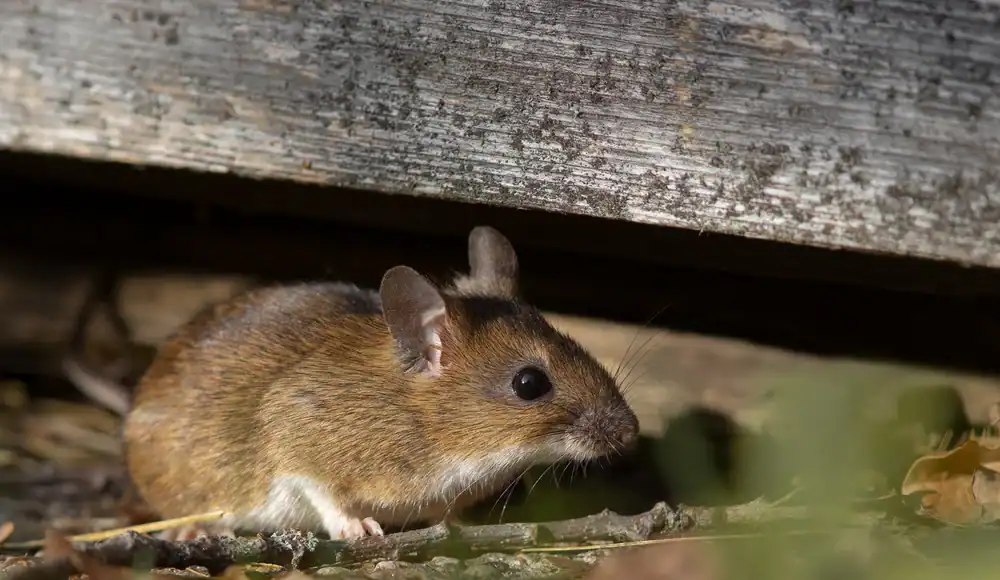

The scratching stops. The chewed wires stop being a fire risk. The feed in your storage shed stops disappearing. That’s what a complete rodent removal looks like — not just a few traps dropped in the attic and a follow-up call that never comes.
For properties in Darby, the challenge isn’t just getting rid of the rodents you already have. It’s the fact that Thomas Prairie, Chocochatti Prairie, and the surrounding ranch land create a continuous source population that doesn’t shrink in winter. Florida’s year-round warmth means roof rats breed without a seasonal pause — a small group in October becomes a full colony by spring. Solving this right means sealing every entry point, eliminating the scent trails that guide new rodents in, and treating secondary structures like barns and sheds, not just the main house.
When that’s done properly, you stop managing the problem and actually end it. No more second-guessing whether the traps are working. No more wondering if the smell in the wall is what you think it is. You get your home back.
Around The Clock Pest Service is a family-owned, owner-operated pest control company serving Hernando and Pasco County — including the rural communities along Darby Road and Bellamy Brothers Boulevard that larger companies treat as afterthoughts. There’s no call center here. When you call, the owner answers. When the job gets done, it’s the owner doing it.
That matters more than it sounds. You’re not describing your property to a dispatcher who relays it to a technician who shows up with a generic plan. You’re talking directly to the person who will inspect your attic, identify your entry points, and tell you exactly what needs to happen. Most quotes are handled over the phone — no waiting days for someone to schedule a visit before you find out what anything costs.
Over 100 five-star Google reviews, a BBB A+ rating, and FDACS licensing through 2027 back up what clients in Darby and the surrounding area already know: this is a company that shows up, does the job right, and picks up the phone when you call back.
It starts with a thorough inspection — not just a walk through the living areas, but a real look at your attic, crawl spaces, wall voids, and any outbuildings on the property. On a rural Darby property, that means checking the barn, the storage shed, and anywhere else rodents might be staging before they move into the main structure. Entry points get documented. Active areas get identified. Nothing gets assumed.
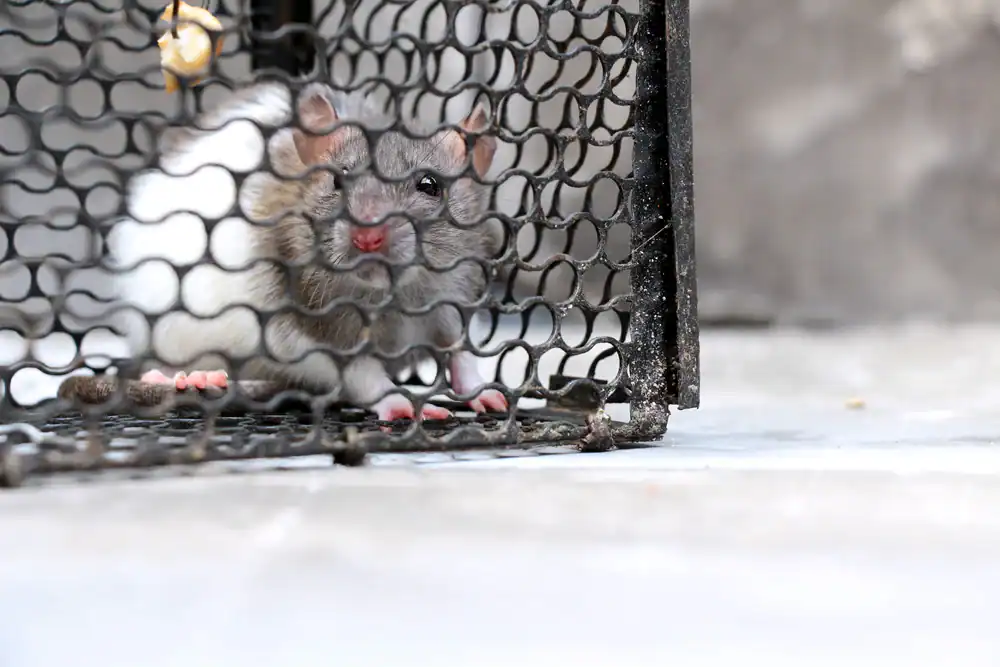
From there, we place professional-grade mechanical traps in the locations where activity is confirmed. This is worth being direct about: we use traps, not rodenticide bait. On a property where dogs, cats, horses, or chickens are part of daily life, poison bait isn’t a reasonable option. A poisoned rat eaten by a working dog or a barn cat creates a secondary poisoning risk that’s well-documented and completely avoidable. Traps eliminate that risk entirely — and they don’t leave dead rodents decomposing inside your walls for weeks.
Once the rodents are removed, we clear the chemical markers that would otherwise guide new rodents back in through scent trail sanitization. Entry points get sealed. If attic decontamination is needed, that’s addressed as part of the same process. You’re not handed a report and left to figure out next steps — the job isn’t done until the structure is actually protected.
Ready to get started?
Most pest control services are designed around a suburban three-bedroom home with a two-car garage. That template doesn’t fit a Darby property with outbuildings, agricultural structures, and open land on three sides. Our rodent control service is built to account for what’s actually on your property — not what’s on a standard inspection form.
The full service covers property-wide inspection including secondary structures, mechanical trap placement in attics and wall voids, scent trail sanitization, attic decontamination where needed, and complete entry point identification and sealing. Because Darby sits in unincorporated Pasco County with no municipal pest control resources, the only line of defense is what gets done on your property — and that means exclusion work matters as much as removal. Sealing the gaps in aging soffits, deteriorating fascia boards, and utility penetrations is what keeps the surrounding field population from simply moving back in after treatment.
There are no hidden fees and no in-home sales visit required before you get a number. Special pricing is available for new homeowners and military families in the area. If you have questions about what your specific property needs, call and ask — you’ll get a straight answer from the owner, not a script.
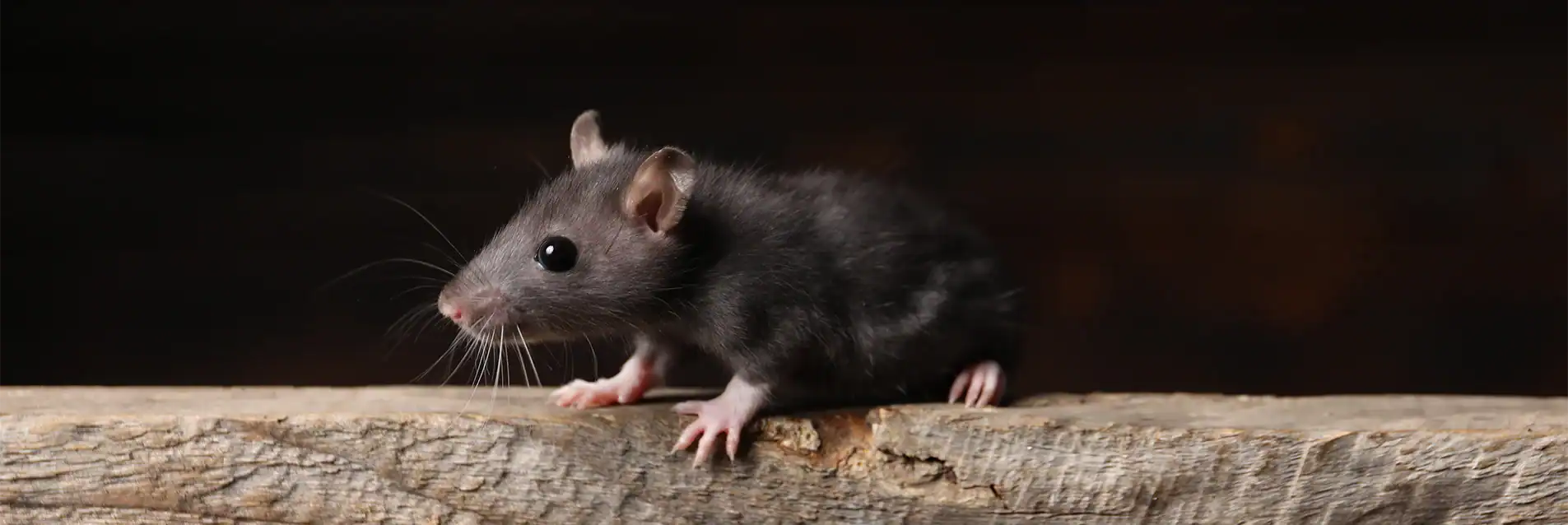
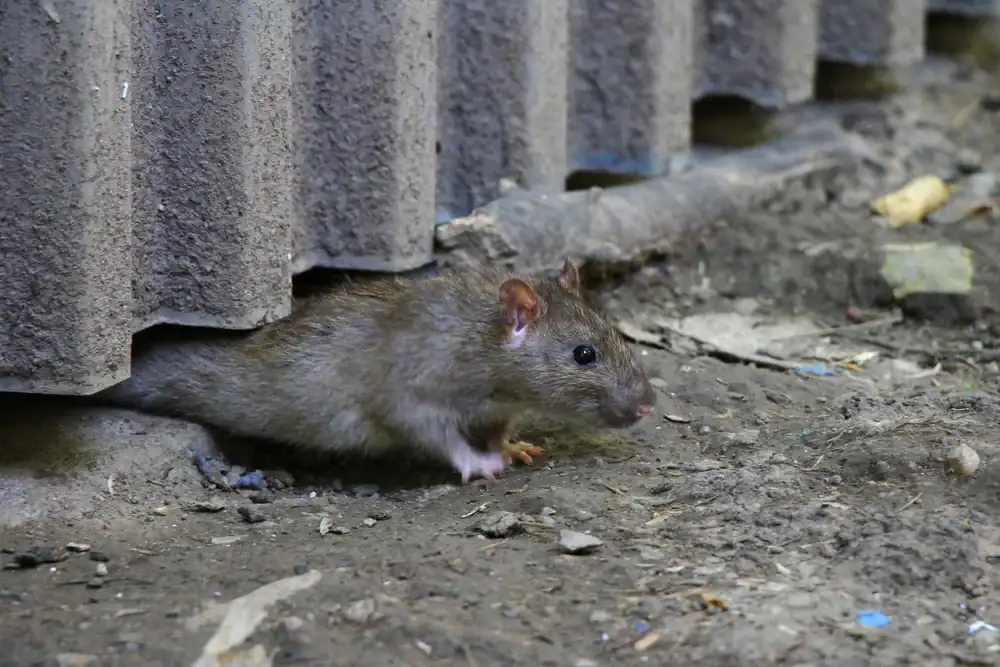
The species matters because it changes where you look and how you treat. Roof rats — the most common in Florida — are climbers. They enter through rooflines, soffits, gaps around utility lines, and any elevated opening they can find. You’ll typically hear them in the attic or upper walls, and activity is often most noticeable at night. Norway rats are ground-burrowers and tend to stay lower — in crawl spaces, along foundation edges, or in outdoor burrows near structures.
In Darby, roof rats are the more common culprit inside homes, but properties near the agricultural land surrounding Thomas Prairie or storage structures can see Norway rats establishing in outbuildings and then migrating inward. The inspection process identifies which species you’re dealing with based on droppings, entry point location, gnaw marks, and activity patterns — and the trap placement and exclusion strategy gets adjusted accordingly. Guessing and treating generically is how you end up with a problem that keeps coming back.
The short answer is no — not without real risk. Rodenticide bait creates two problems that are particularly relevant on a rural Pasco County property. The first is secondary poisoning: a dog, cat, barn cat, or bird of prey that eats a poisoned rodent can be seriously harmed or killed by the toxin still present in the rodent’s body. The second is that poisoned rodents often die inside wall cavities, creating weeks of odor and sometimes requiring costly remediation to locate and remove.
We use mechanical traps exclusively — no poison on your property, no secondary poisoning risk, and no dead rodents rotting in places you can’t reach. For a Darby homeowner with animals, this isn’t a minor preference. It’s the only method that doesn’t introduce a new problem while solving the original one. If a company you’re considering uses bait stations as their primary method, that’s worth asking about directly before you agree to anything.
Two reasons, and they work together. First, rodents leave scent trails — urine-based chemical markers that signal safe passage to other rodents. A home that’s been treated without sanitizing those trails is still chemically marked as a known entry route. Other rodents from the surrounding population will follow those trails back in, often within days or weeks. Second, if the physical entry points haven’t been sealed, there’s nothing stopping reinfestation regardless of how many traps were set.
In a rural area like Darby, this problem is compounded by the surrounding habitat. Thomas Prairie and the agricultural land along the Darby Road corridor sustain large rodent populations year-round. There’s no seasonal die-off to give you a natural reset. DIY treatments often remove the rodents that are already inside but do nothing about the source population or the trails that lead them back. Professional exclusion work — identifying and sealing every entry point — combined with scent trail sanitization is what breaks the cycle rather than just interrupting it temporarily.
Yes, and it’s one of the more serious risks that gets underestimated because it’s not visible. Roof rats chew constantly — it’s a biological necessity related to keeping their teeth worn down. Electrical wiring in attics is a common target because the insulation is accessible and the material has the right texture. A chewed wire with exposed copper in contact with attic insulation is a documented fire ignition point.
This risk is worth taking seriously on a rural Darby property for a specific reason: fire response times in unincorporated Pasco County are longer than in densely populated suburban areas. The nearest station coverage for properties along Darby Road or Bellamy Brothers Boulevard means that if something ignites in your attic, you have less margin than a homeowner in Wesley Chapel or Land O’ Lakes. An active rodent infestation isn’t just a nuisance — every day it continues is another day of accumulated damage to wiring, insulation, and structural materials that you can’t see until something goes wrong.
Attic decontamination addresses what’s left behind after the rodents are removed. Rodent droppings, urine, nesting material, and the scent trails embedded in insulation don’t go away on their own — they remain as both a health hazard and a reinfestation signal. Decontamination involves removing contaminated insulation where necessary, treating surfaces with appropriate sanitizing agents, and eliminating the odor and chemical markers that would otherwise continue attracting new rodents.
In Darby’s climate, this step matters more than it might in a cooler region. Florida’s heat and humidity accelerate the breakdown of organic material, which intensifies odors and can create air quality issues in living spaces below the attic. On older rural properties — which make up a significant portion of Darby’s housing stock — attic insulation is often already aged and may have been compromised by a rodent population that’s been active longer than the homeowner realized. Decontamination isn’t always required on every job, but when it is, skipping it leaves the single biggest reinfestation trigger in place.
Yes — we offer special pricing for new homeowners and military families. Darby and the surrounding rural Pasco County area have a strong working-land and service-member presence, and those are communities we actively want to support with straightforward, honest pricing from the start of the relationship.
New homeowners in particular benefit from getting a professional rodent inspection early. Rural properties in this area — especially older homes with aging soffits, gaps around utility penetrations, or outbuildings that haven’t been thoroughly inspected — often have entry vulnerabilities that aren’t obvious on a standard home inspection. Finding and addressing those before an infestation takes hold is significantly less expensive than treating an established colony and repairing the damage that comes with it. If you’ve recently purchased property along Darby Road or anywhere in the Bellamy Brothers Boulevard corridor, calling early is the right move — and the discount makes that easier to justify.