
Fast, reliable pest control from Hernando County’s most trusted family-owned team—with most quotes given over the phone.
Contact Info
Fast, reliable pest control from Hernando County’s most trusted family-owned team—with most quotes given over the phone.
Contact Info
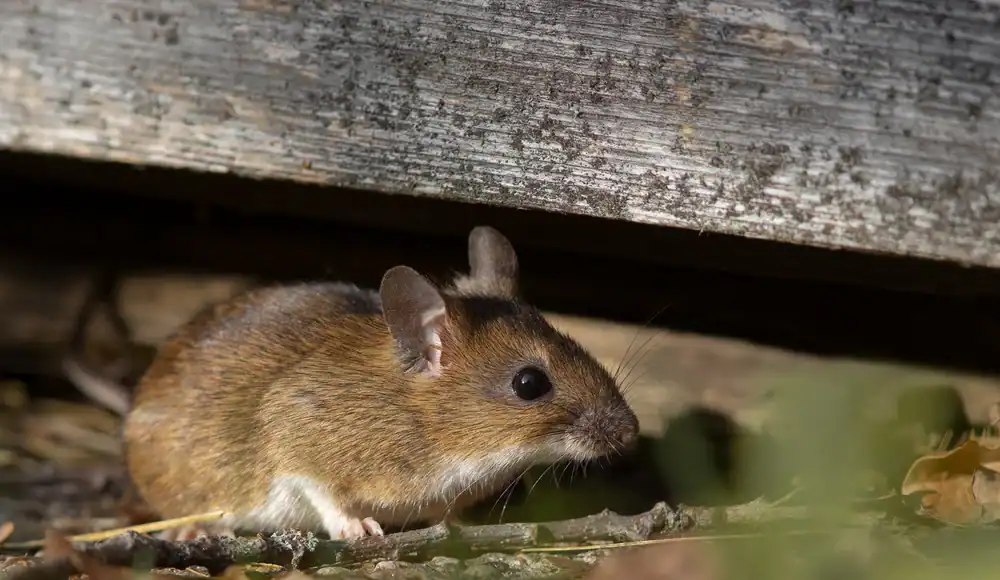

The moment you stop hearing scratching at night, something shifts. You stop wondering what is living above your ceiling. You stop worrying about what it is chewing through. That is what rodent control in St. Leo, FL is supposed to deliver — and it is exactly what we focus on every time.
St. Leo sits in one of the more wooded pockets of Pasco County. The mature trees around Saint Leo University, the abbey grounds, and the shoreline of Lake Jovita create ideal conditions for roof rats, which are arboreal climbers that use overhanging branches to reach your roofline. This is not a generic Florida pest problem. It is a specific one tied to the landscape you live in, and it does not go away on its own.
Because we use mechanical traps instead of rodenticide bait, there is no risk of a poisoned rat dying inside your wall cavity and creating an odor problem that outlasts the infestation itself. There is also no secondary poisoning risk for your pets or the hawks and owls that are part of living near wooded, open land. You get the problem solved without creating a new one in the process.
We are a family-owned, owner-operated business built around Hernando and Pasco County. St. Leo is not a stretch of our service map — it is squarely in the territory we know and work in every week. We understand what drives rodent pressure in east Pasco County’s wooded, hilly terrain, and we know how older structures near the abbey corridor and the CR 52 area behave differently than newer construction elsewhere in the county.
When you call, the owner answers. Not a dispatcher, not a call center — the person actually responsible for your job. Most quotes are given right over the phone. We hold a BBB A+ rating, FDACS licensure through 2027 under Florida’s Chapter 482 structural pest control requirements, and over 100 five-star Google reviews from real customers in Pasco and Hernando County. We also offer discounts for military families and new homeowners, because those are the people who deserve a straight deal most.
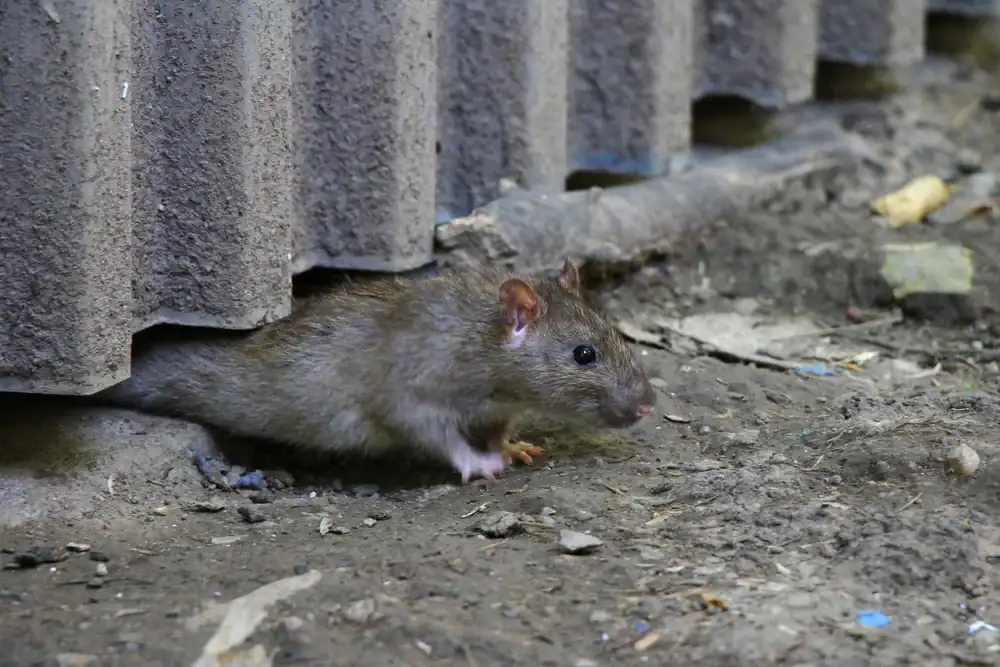
It starts with a phone call. You describe what you are hearing, where you are hearing it, and how long it has been going on. In most cases, we can give you a price range right there before anyone sets foot on your property. No consultation appointment required just to find out what something costs.
When we arrive, the inspection covers your attic, crawl spaces, wall voids, and the full exterior of the structure. In St. Leo specifically, we pay close attention to roofline clearance from surrounding trees, the condition of soffits and roof vents on older structures, and any utility line penetrations that have lost their seal over time. Homes near the university grounds and the abbey corridor tend to face higher ongoing pressure from roof rats migrating out of the surrounding vegetation — we account for that in how we set traps and where we focus the inspection.
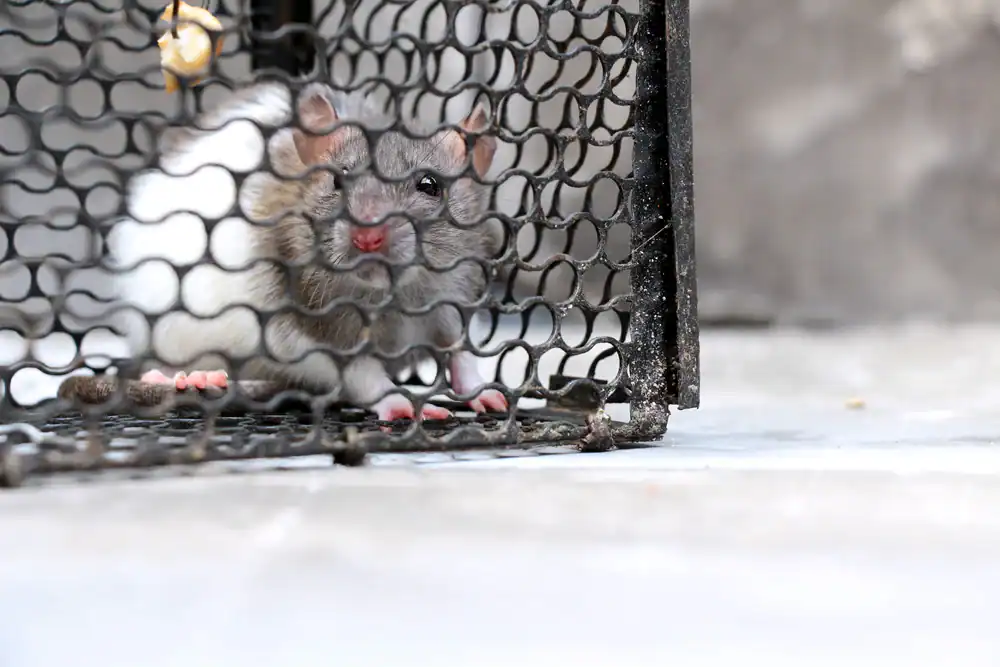
After trapping, we address scent trails. Rodents follow chemical pathways back to entry points they have used before, which is why removing the animals without sanitizing those trails often leads to a repeat infestation. We also provide a complete written list of every entry point found so you know exactly what needs to be sealed. We do not perform the structural repairs ourselves, but you will leave with a clear, specific picture of what needs to happen next — not a vague recommendation to “call a contractor.”
Ready to get started?
Rodent control in St. Leo, FL through our service covers the full scope of what a real infestation requires. That means a thorough inspection of attics, crawl spaces, and wall voids — not a quick walk-through. It means professional-grade trap placement in the zones where activity is highest, scent trail sanitization to cut off the chemical signals that guide new rodents back in, and a detailed written accounting of every structural entry point found during the inspection.
For homes where rodents have been active in the attic long enough to contaminate insulation, we also offer attic decontamination. Rodent droppings and urine saturate insulation over time, and in St. Leo’s summer heat, that contamination gets pulled through HVAC systems into your living space. It is a health issue, not just a cleanliness one. Decontamination addresses it directly.
All work is performed under FDACS Chapter 482 structural pest control licensing — the state-required credential for any pest control company legally operating in Florida, including in St. Leo and throughout Pasco County. No additional municipal permits are required for rodent control services in St. Leo beyond that state licensure. If you are a new homeowner in the area or a military family, ask about our discounts when you call — they apply here and we do not make you jump through hoops to use them.
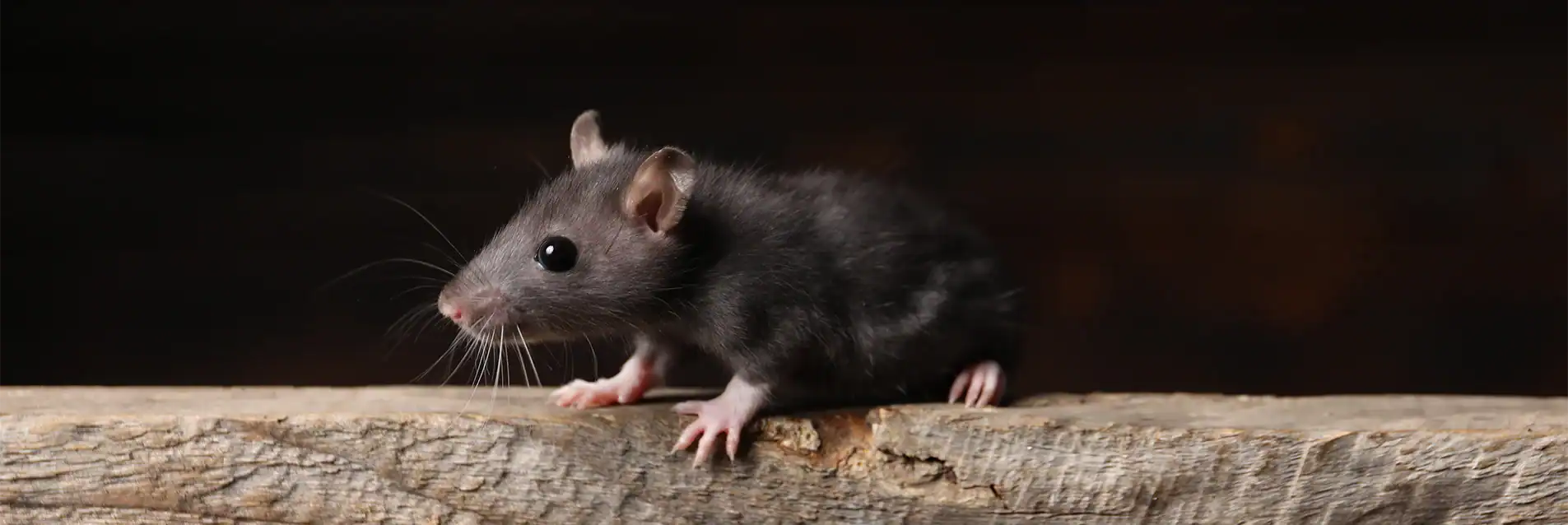
Night-time scratching in your attic almost always points to roof rats. Roof rats are nocturnal, which is why the noise tends to start after the house gets quiet. They are also the dominant rodent pest in Florida and are particularly well-suited to environments like St. Leo’s — wooded, vegetated, with mature trees that give them direct access to your roofline.
What most homeowners do not realize is that a single set of scratching sounds rarely means a single animal. Roof rat family groups in Florida attics typically range from 5 to 15 individuals. Florida’s year-round warm climate means there is no winter slowdown in their breeding cycle — a colony that moved in during October will have produced multiple litters by spring. The sooner the inspection happens, the smaller the problem you are dealing with.
Yes — and the reason is straightforward. Roof rats are arboreal, meaning they live and nest in trees and elevated vegetation before they ever enter a structure. The wooded grounds surrounding Saint Leo Abbey, the university campus, and the Lake Jovita shoreline provide exactly the kind of canopy habitat where roof rat populations establish and grow. Once those populations reach a certain density, nearby structures become the next logical step.
This is not a problem that resolves itself when the weather changes. Florida has no true winter in terms of pest suppression, so the pressure from surrounding vegetation is continuous. Homes and properties on the edges of wooded areas in St. Leo face a higher baseline of rodent activity than properties in open, cleared suburban developments — and that ongoing pressure is exactly why exclusion matters as much as trapping. Removing the animals without addressing entry points just means the next wave moves in.
Rodent proofing starts with a thorough inspection to find every point where a rodent can get into your structure. That includes obvious gaps, but also the less obvious ones: aging roof vents that have lost their integrity, gaps around utility line penetrations where pipes or wires enter the structure, deteriorating soffits and fascia boards, and low-clearance roofline areas where tree branches come close enough to serve as a bridge.
In St. Leo, older homes near the abbey corridor and the CR 52 area tend to have more of these vulnerabilities simply because of their age. A structure that has been standing for decades has gone through enough settling and material degradation that gaps exist today that were not there when the house was built. The inspection process documents every one of them. We do not perform the structural sealing ourselves, but you receive a complete written list of every entry point found so the work can be done systematically — not guessed at.
We use mechanical traps — not rodenticide bait. This is a deliberate choice, and it matters for a few specific reasons that are especially relevant in St. Leo’s environment.
Rodenticide bait kills rodents by internal bleeding, and a poisoned animal will often die inside a wall cavity rather than in an accessible location. The resulting odor can persist for weeks and is extremely difficult to eliminate without opening walls. Beyond that, a poisoned rodent that exits your home before dying can be eaten by a pet or a bird of prey — hawks, barn owls, and other raptors are documented secondary poisoning victims. In a community like St. Leo, where wooded abbey grounds and open land support active wildlife, that is not an abstract risk. Mechanical traps eliminate both problems entirely: no carcasses in walls, no secondary poisoning risk, and a clear confirmation that the animal has been removed.
Most residential rodent control jobs in Pasco County run between $200 and $700, depending on the size of the home, the extent of the infestation, and how many service visits are needed to resolve it. Attic decontamination, when the infestation has been active long enough to contaminate insulation, typically adds $600 to $1,000 on top of that.
The more important cost comparison is what happens if the problem goes unaddressed. Roof rats chew through electrical wiring, HVAC components, and insulation. Electrical damage alone from a rodent infestation can run into the thousands of dollars — and that does not account for the fire risk that comes with chewed wiring inside a wall cavity. Getting an inspection done early, before the colony has time to grow and the damage compounds, is almost always the more cost-effective path. Call us and describe what you are experiencing — in most cases, we can give you a realistic price range right over the phone without requiring an in-home consultation first.
Yes — both discounts are available and apply to customers in St. Leo and throughout Pasco County. If you are a new homeowner in the area, discovering a rodent issue shortly after moving in is more common than most people expect, especially in older homes near the abbey and university corridor where structural vulnerabilities have had decades to develop. The new homeowner discount is a straightforward way to get the problem handled without the added financial pressure of everything else that comes with a new property.
The military discount applies to active duty, veterans, and military families. Pasco County has a meaningful military-connected population, and this is a discount that exists because it should — not as a promotional hook. When you call, just mention it. There is no paperwork process or qualification hoops to jump through.
Other Services we provide in St. Leo