
Fast, reliable pest control from Hernando County’s most trusted family-owned team—with most quotes given over the phone.
Contact Info
Fast, reliable pest control from Hernando County’s most trusted family-owned team—with most quotes given over the phone.
Contact Info
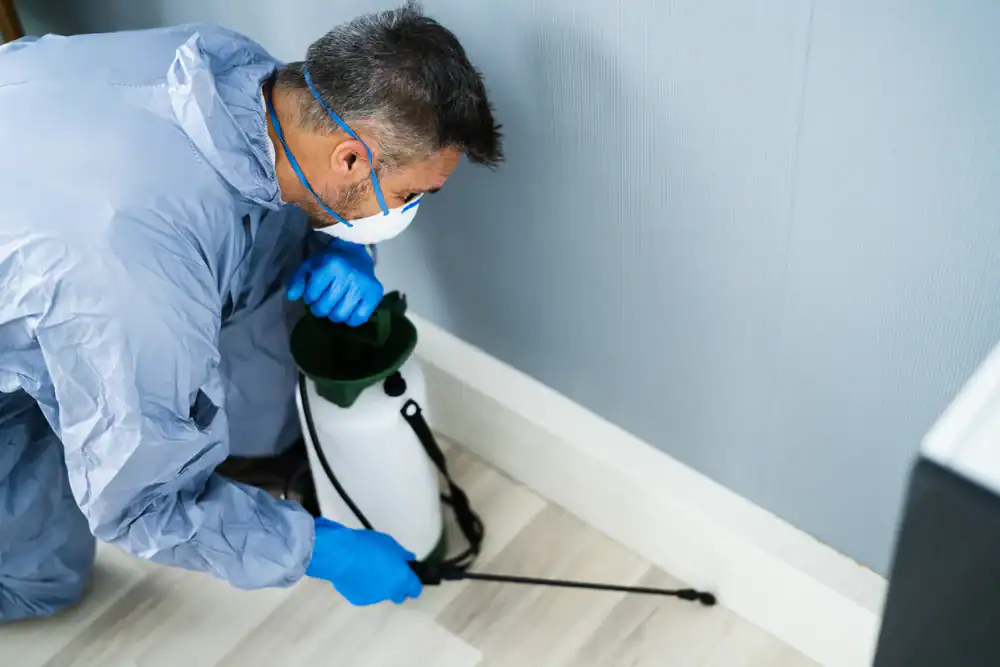
You’re not just avoiding repair bills. You’re protecting the equity you’ve built, the place your family calls home, and the investment you’ve worked for.
Termite prevention services in Dupree Gardens mean regular inspections catch problems when they’re small, not after years of hidden damage. It means treatments create barriers that keep colonies out before they ever reach your foundation. And it means you’re not lying awake wondering what’s happening inside your walls.
Florida has up to 13 subterranean termite colonies per acre. Dupree Gardens sits right in the middle of prime termite territory, where warm temperatures and humidity create year-round conditions for these pests to thrive. Prevention isn’t optional here—it’s the difference between a protected home and a costly disaster your insurance won’t cover.
When you invest in an annual termite protection plan, you’re buying peace of mind that someone’s actually watching for the warning signs most homeowners miss until it’s too late.
Around The Clock Pest Service isn’t a call center or a franchise. When you call, you reach George or Mary directly—even at 3 AM on a Saturday if that’s when you need help.
We’ve built our reputation in Hernando County and surrounding areas by showing up fast, communicating clearly, and treating your home like it’s our own. Our 100+ five-star reviews come from homeowners in Dupree Gardens and across Spring Hill who needed real answers, not sales pitches.
We’re state-certified, fully licensed through 2027, and BBB accredited with an A+ rating. More importantly, we live and work in the same communities we serve. We know what termite pressure looks like in Dupree Gardens because we see it every day.
First, we schedule an inspection at a time that works for you—often same-day if you need it. George or Mary will walk your property, checking your foundation, crawl spaces, wood structures, and other vulnerable areas where termites typically enter.
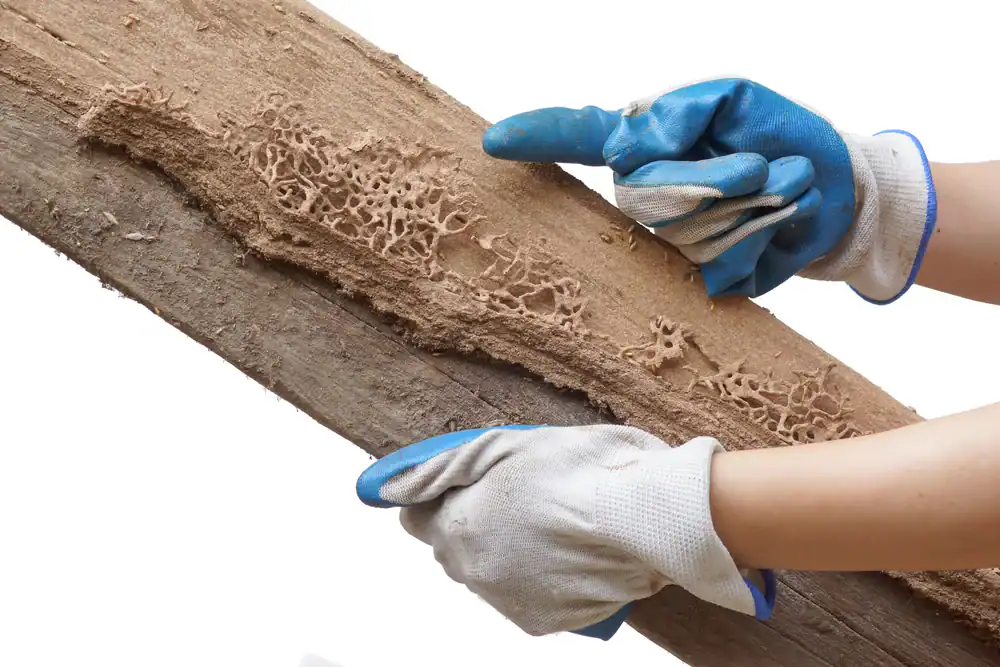
We’re looking for mud tubes, wood damage, moisture issues, and active termite presence. If we find evidence of termites, we’ll show you exactly what we’re seeing and explain what it means in plain terms.
Then we talk about treatment options. For active infestations, that usually means liquid termiticides applied to create a barrier around your foundation, or baiting systems that eliminate the colony at its source. For prevention, we set up a protective treatment plan that keeps termites from ever getting inside.
You’ll get a clear quote over the phone or on-site—no surprises, no pressure. If you move forward, we handle the treatment quickly and thoroughly, then set up a follow-up schedule to make sure your home stays protected long-term. You’ll have our number for questions anytime, and we mean that literally.

Ready to get started?
Residential termite defense in Dupree Gardens starts with a thorough inspection of your entire property. We check every vulnerable point—foundation cracks, wood-to-ground contact, moisture areas, and entry points as small as 1/32nd of an inch.
Treatment depends on what your home needs. Liquid treatments create a chemical barrier in the soil around your foundation that termites can’t cross. Baiting systems use strategically placed stations that worker termites carry back to the colony, eliminating it from within. Both methods work, and we’ll recommend what makes sense for your property and budget.
You’ll also get honest education about what attracts termites to homes in this area. Florida’s humidity and Dupree Gardens’ mix of older and newer construction create conditions where termites thrive year-round. Subterranean termites are the biggest threat here—they live underground and can feed on your home’s structure for three to five years before you notice anything’s wrong.
We offer annual termite protection plans that include regular inspections and retreatments as needed. We also provide WDO inspections for real estate transactions, so you know exactly what you’re buying or selling. And if you’re a new homeowner or military family, ask about our discounts.
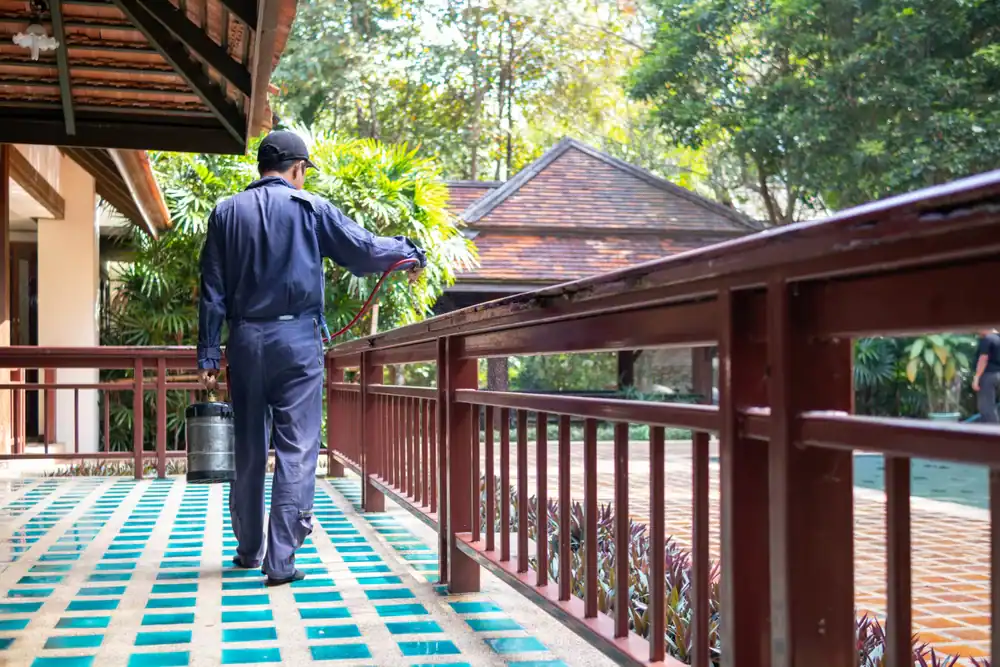
Termite prevention typically costs a few hundred dollars per year, depending on your home’s size and the treatment method. That’s a fraction of what you’d pay to repair termite damage, which averages $8,000 to $12,000 in Florida and can exceed $20,000 in severe cases.
We give quotes over the phone once we know your property details, so you’re never surprised by the price. Initial treatments cost more than annual renewals because they involve a full inspection and comprehensive application. After that, your annual termite protection plan costs less and keeps your home continuously defended.
Compare that to the alternative: homeowner’s insurance doesn’t cover termite damage because insurers consider it preventable. If termites get into your walls, you’re paying for repairs, remediation, and treatment all at once—out of pocket.
Most homeowners don’t see termites until the damage is already serious. Subterranean termites work inside your walls and foundation, so by the time you notice sagging floors or hollow-sounding wood, they’ve been feeding for years.
Look for mud tubes on your foundation—these are pencil-thin tunnels termites build to travel between soil and wood. Check for discarded wings near windows and doors in spring, when termites swarm to start new colonies. You might also notice small holes in wood, peeling paint that looks like water damage, or wood that sounds hollow when you tap it.
If you see any of these signs, call us immediately. The longer termites feed, the more expensive the damage becomes. We can inspect your property same-day in most cases and tell you exactly what you’re dealing with—no charge for the honesty, even if you don’t hire us.
Annual inspections are the standard recommendation in Florida, and for good reason. Termites are active year-round here, and Dupree Gardens has the warm, humid conditions that keep colonies thriving in every season.
An annual termite protection plan means we’re checking your property regularly and catching problems early. If you’ve had termites before, or if your home has conditions that attract them—like wood mulch, moisture issues, or wood-to-ground contact—you might benefit from more frequent checks.
New homeowners should get an inspection right away, even if the previous owner said there were no issues. Termites can move in quickly, and what was clear six months ago might not be clear today. Real estate transactions should always include a WDO inspection so you know what you’re buying before you close.
DIY termite products might kill the termites you can see, but they don’t address the colony or the conditions that brought them to your home in the first place. Termites live underground in colonies that can contain hundreds of thousands of insects—killing a few workers doesn’t solve the problem.
Professional termite treatment in Dupree Gardens uses products and application methods that aren’t available at retail stores. We create continuous barriers around your foundation, treat the soil where colonies live, and monitor for ongoing activity. We also know where to look for hidden damage and entry points you’d likely miss.
The bigger issue is that DIY attempts delay real treatment. Termites cause $5 billion in damage across the U.S. every year, and most of that happens because homeowners didn’t realize how serious the problem was until it was too late. If you’re seeing termites, you need a licensed professional who knows how to eliminate the entire colony and prevent them from coming back.
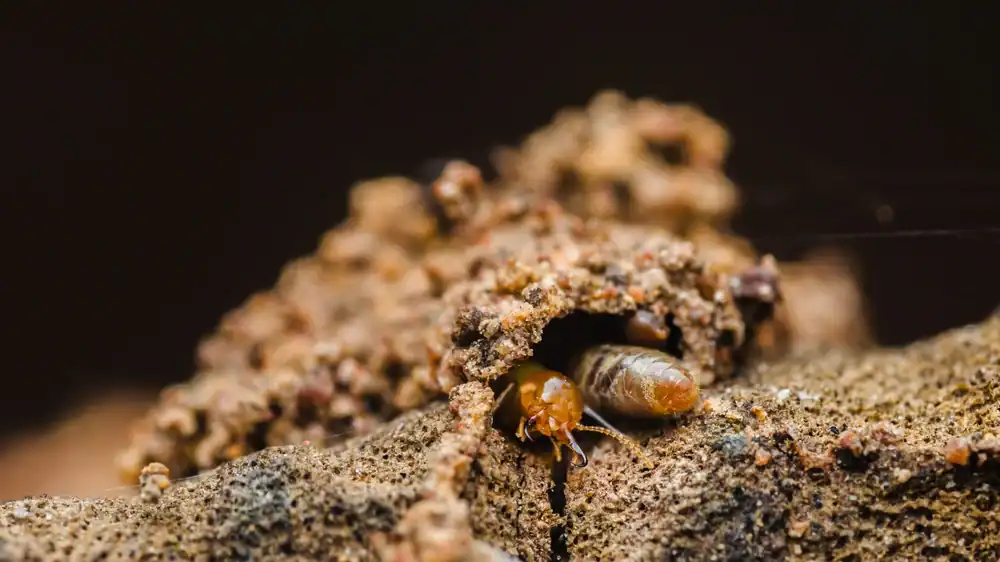
Subterranean termites live in the soil and build mud tubes to reach the wood in your home. They’re the most common type in Dupree Gardens and cause the most damage because their colonies are huge—sometimes hundreds of thousands of termites feeding on your structure at once.
Drywood termites live directly inside the wood they’re eating. They don’t need soil contact, so they can infest attics, furniture, and framing. They’re less common here but still a threat, especially in older homes. You’ll usually find them by spotting tiny fecal pellets that look like sawdust near wood.
Both types require professional treatment, but the methods differ. Subterranean termites need soil treatments and barrier applications around your foundation. Drywood termites often require localized wood treatments or fumigation in severe cases. We’ll identify which type you’re dealing with during the inspection and recommend the right approach for complete elimination.
You’re working directly with George and Mary, not a technician who’s following a script from corporate. We answer our phones 24/7, provide same-day service when you need it, and give you straight answers about what’s happening with your home.
We’ve earned over 100 five-star reviews by showing up when we say we will, doing thorough work, and treating people with respect. We’re not the cheapest option in Hernando County, but we’re the one that’ll answer when you call at 8:37 on a Saturday night because you just found mud tubes on your foundation.
Our state licensing, BBB accreditation, and A+ rating matter, but what really matters is that we care about protecting your home as much as you do. We live here, we work here, and our reputation depends on doing right by our neighbors. That’s why we offer military and new homeowner discounts, why we provide phone quotes, and why we’ll always give you the honest recommendation—even if it means less money for us.
Other Services we provide in Dupree Gardens