
Fast, reliable pest control from Hernando County’s most trusted family-owned team—with most quotes given over the phone.
Contact Info
Fast, reliable pest control from Hernando County’s most trusted family-owned team—with most quotes given over the phone.
Contact Info
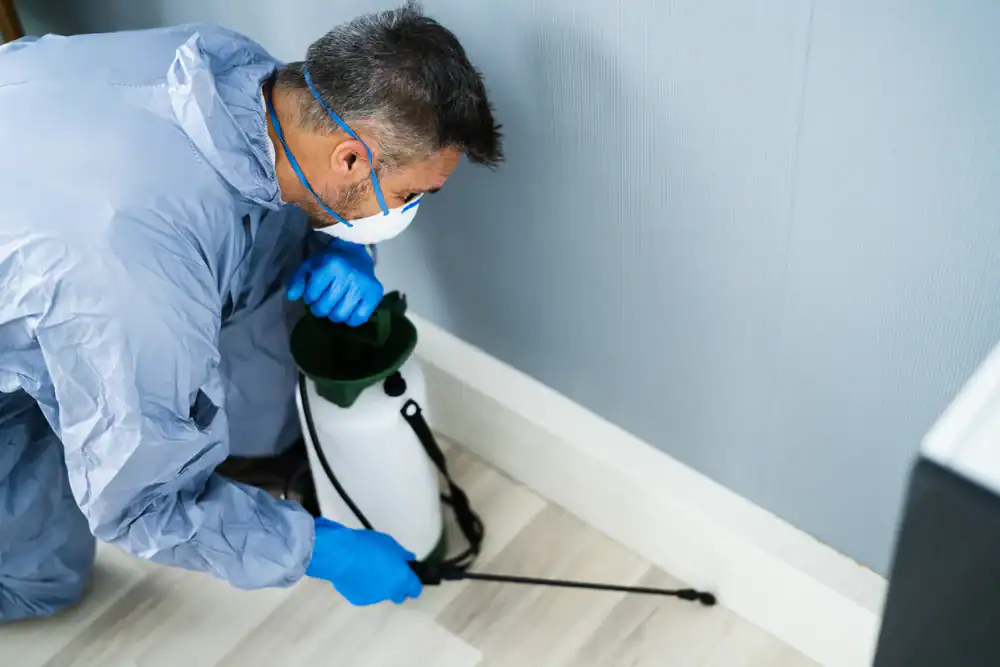
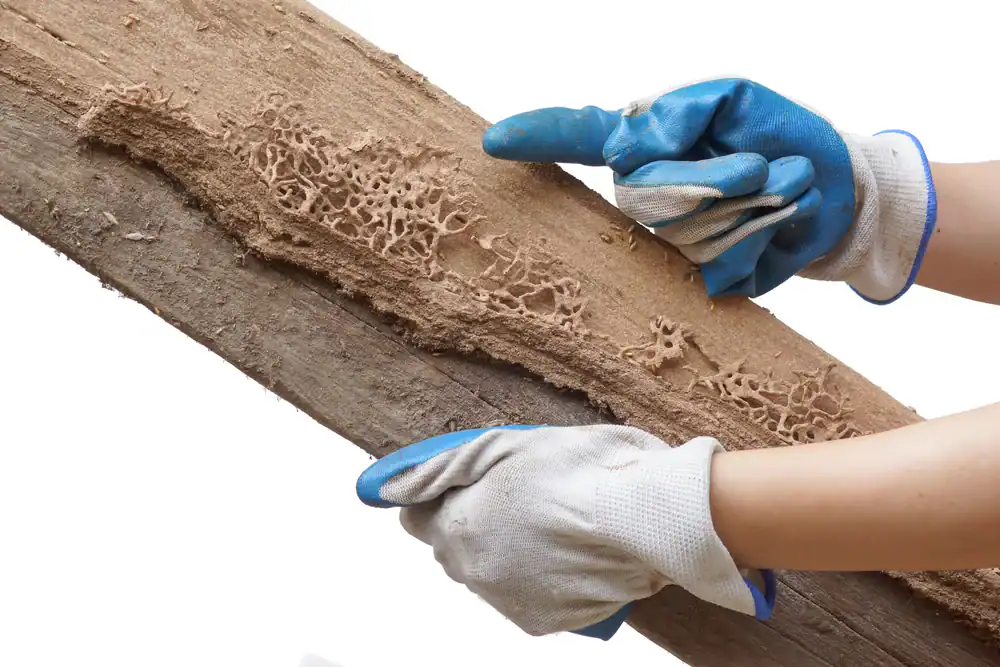
You’re not dealing with termites after they’ve already eaten through your walls. You’re stopping them at the barrier, catching them during inspections, and keeping them out year-round with a system that actually works.
That’s what termite prevention in San Antonio, FL does when it’s done right. No surprise damage. No scrambling for repair money. No wondering if your home is being eaten from the inside out while you sleep.
Florida’s warm, humid climate means termites stay active all year. In San Antonio, both subterranean and drywood termites are common, and they only need a crack 1/32nd of an inch to get inside. Once they’re in, they can feed on your structure for three to five years before you even notice. By then, the damage is done and the bill is waiting.
Prevention stops that cycle. It gives you a monitored perimeter, regular inspections, and treatments designed for the specific termite species in Pasco County. You’re not reacting to a problem. You’re making sure it never becomes one.
We’re a family-run business serving San Antonio, FL and the surrounding Hernando County area. When you call, you talk directly to the owner. When you schedule service, the owner shows up. That’s how we operate.
We’re state-certified, fully licensed by the Florida Department of Agriculture, and we’ve built a reputation on over 100 five-star Google reviews. We answer calls 24/7, even on weekends, because termite concerns don’t wait for business hours.
San Antonio homeowners face the same termite pressure as the rest of Pasco County—high humidity, year-round activity, and neighborhoods where pests move easily from property to property. We know the local conditions. We know what works here. And we know how to communicate clearly without the runaround.
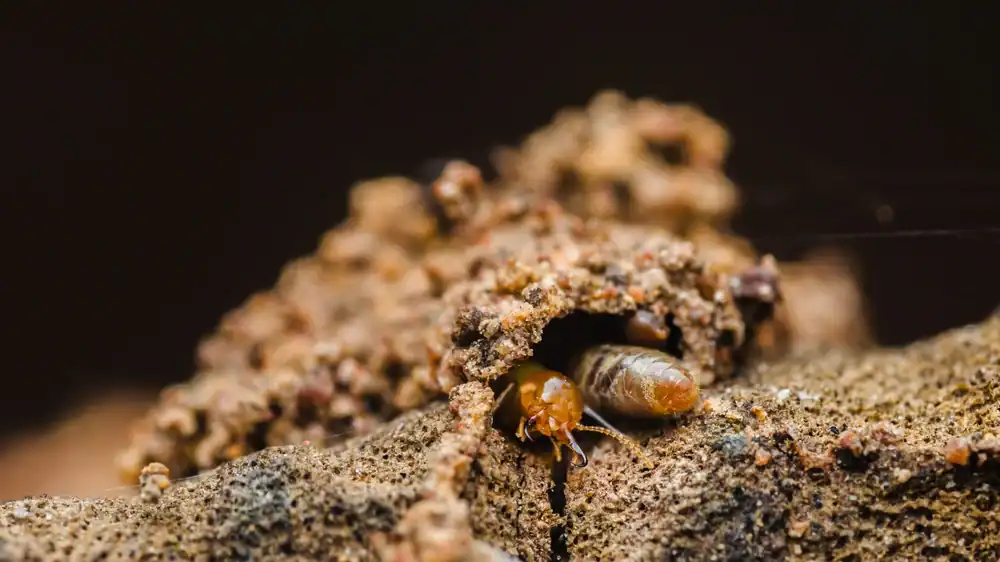
First, we inspect your property. That means checking the foundation, crawl spaces, attic, and any areas where termites typically enter or nest. We’re looking for active infestations, conditions that attract termites, and vulnerabilities in your home’s defenses.
If we find termites, we identify the species—subterranean or drywood—because treatment differs. Subterranean termites live in the soil and build mud tubes to access wood. Drywood termites nest inside the wood itself. Each requires a different approach.
Treatment depends on what we find. For subterranean termites, we apply liquid termiticides around your foundation to create a barrier they can’t cross. For drywood termites, we may use localized treatments or fumigation depending on the extent of the infestation. We explain everything before we start, including costs, timelines, and what you should expect.
After treatment, we recommend an annual termite protection plan. That includes regular monitoring, inspections, and preventive treatments to keep your home protected long-term. Most termite damage happens because homeowners didn’t know there was a problem until it was too late. Prevention changes that.

Ready to get started?
An annual termite protection plan gives you scheduled inspections, monitoring stations around your property, and treatments as needed throughout the year. You’re not paying for a one-time fix and hoping it holds. You’re paying for ongoing protection.
In San Antonio, FL, that matters. Termites are active year-round here, and they consume wood up to seven times faster in Florida’s climate than in cooler states. One treatment isn’t enough when the pressure is constant.
We also provide WDO (Wood Destroying Organism) inspections for real estate transactions. If you’re buying or selling a home in Pasco County, a WDO inspection is often required by lenders and buyers. We deliver fast, thorough reports so your closing doesn’t get delayed.
We offer discounts for military families and new homeowners, and we provide most quotes over the phone so you know what you’re looking at before we ever show up. No surprises. No pressure. Just clear information so you can make the right call for your property.
Most termite prevention treatments in San Antonio, FL range from $500 to $1,500 depending on the size of your home, the type of treatment needed, and whether you’re dealing with an active infestation or setting up preventive protection. Annual protection plans typically cost less than the initial treatment because they focus on monitoring and maintenance rather than full-scale intervention.
We provide most quotes over the phone after asking a few questions about your property. That way, you know what you’re looking at before scheduling anything. The cost of prevention is always lower than the cost of repairs, which average $8,000 to $12,000 in Florida when termites go undetected.
Homeowners insurance doesn’t cover termite damage because termites are considered preventable. That means every dollar of repair comes out of your pocket. Prevention is the only way to avoid that bill.
Subterranean termites live in the soil and build mud tubes to travel between their colony and your home. They’re the most destructive termite species in Florida and the most common in San Antonio. They need contact with soil to survive, so treatments focus on creating a barrier around your foundation.
Drywood termites nest directly inside the wood they’re eating. They don’t need soil contact, which makes them harder to detect. You might notice small piles of pellets that look like sawdust near wooden furniture, window frames, or attic beams. Drywood termites swarm mainly from May to September in Florida.
Both species are active in Pasco County, and both require different treatment methods. That’s why identification matters. If you treat for the wrong species, you’re wasting money and leaving your home exposed. We identify the species during inspection so treatment actually works.
You should get a termite inspection at least once a year in Florida. Termites are active year-round here, and they can cause significant damage in just 12 months if conditions are right. Annual inspections catch problems early, before they turn into expensive repairs.
If you’re buying or selling a home, you’ll need a WDO inspection as part of the transaction. Lenders and buyers typically require it to ensure there’s no hidden termite damage that could affect the property’s value or safety.
If you’re in a high-risk area—like neighborhoods with older homes, lots of wood-to-ground contact, or previous termite activity—you might want inspections twice a year. San Antonio’s humid climate and dense neighborhoods make it easier for termites to spread from property to property, so staying ahead of the problem is smarter than reacting to it.
No. Homeowners insurance in Florida does not cover termite damage. Termites are considered preventable pests, which means insurance companies classify damage as a maintenance issue, not a covered loss.
That puts the full cost of repairs on you. If termites damage your floor joists, wall studs, or roof framing, you’re paying out of pocket to fix it. In Florida, those repairs average $8,000 to $12,000 per incident, and severe cases can exceed $20,000.
This is why prevention matters so much. You can’t rely on insurance to bail you out after the fact. The only way to protect yourself financially is to stop termites before they get inside. An annual protection plan costs a fraction of what you’d pay to repair termite damage, and it keeps your home’s value intact.
Liquid termiticide treatments typically last five to ten years depending on the product used, soil conditions, and how much termite pressure your property faces. However, we recommend annual inspections and monitoring even after treatment because Florida’s climate keeps termites active year-round.
Bait systems require ongoing monitoring and maintenance. The stations stay in place permanently, but they need to be checked and refilled as needed. That’s part of what an annual protection plan covers.
Drywood termite treatments vary. Localized treatments target specific areas and may need retreatment if new colonies form. Fumigation eliminates all drywood termites in the structure at once, but it doesn’t prevent future infestations. You still need monitoring and prevention after fumigation to keep termites from coming back. In San Antonio, FL, ongoing protection is the only way to stay ahead of the constant termite pressure.
The most common sign of subterranean termites is mud tubes running along your foundation, basement walls, or crawl space. These tubes are about the width of a pencil and protect termites as they travel between soil and wood. You might also notice soft or hollow-sounding wood, sagging floors, or doors and windows that suddenly stick.
Drywood termites leave small piles of pellets that look like sawdust or coffee grounds near wooden furniture, baseboards, or window frames. You might also see discarded wings near doors or windowsills after a swarm, which usually happens between May and September in Florida.
The problem is that most termite damage happens out of sight. Termites can feed inside walls, under floors, or in attics for years before you notice anything. By the time you see visible signs, the damage is often extensive. That’s why regular inspections matter. You catch the problem before it becomes obvious—and expensive.