
Fast, reliable pest control from Hernando County’s most trusted family-owned team—with most quotes given over the phone.
Contact Info
Fast, reliable pest control from Hernando County’s most trusted family-owned team—with most quotes given over the phone.
Contact Info
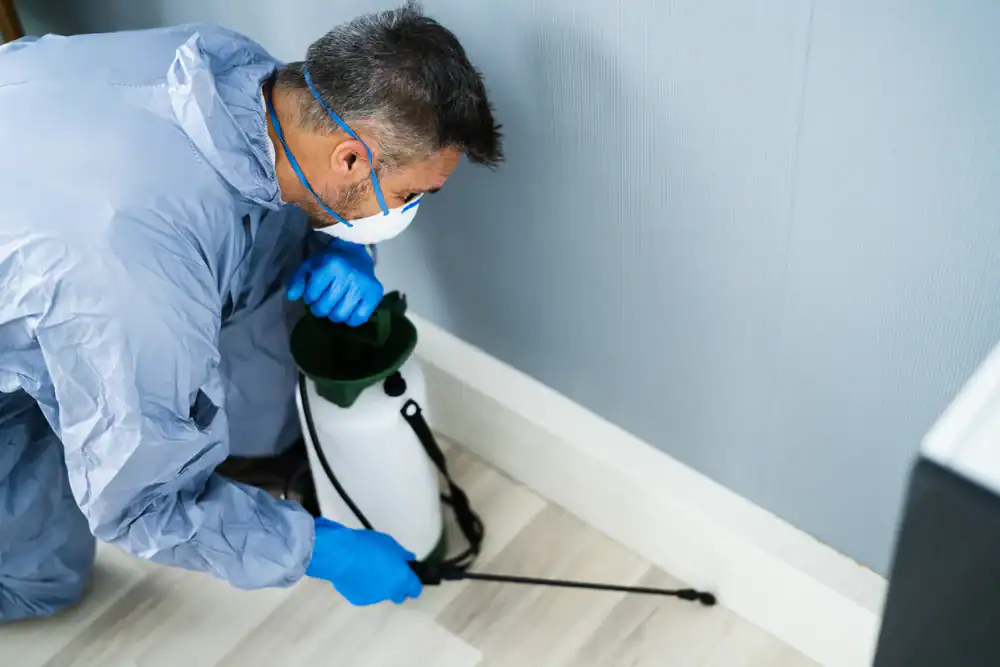
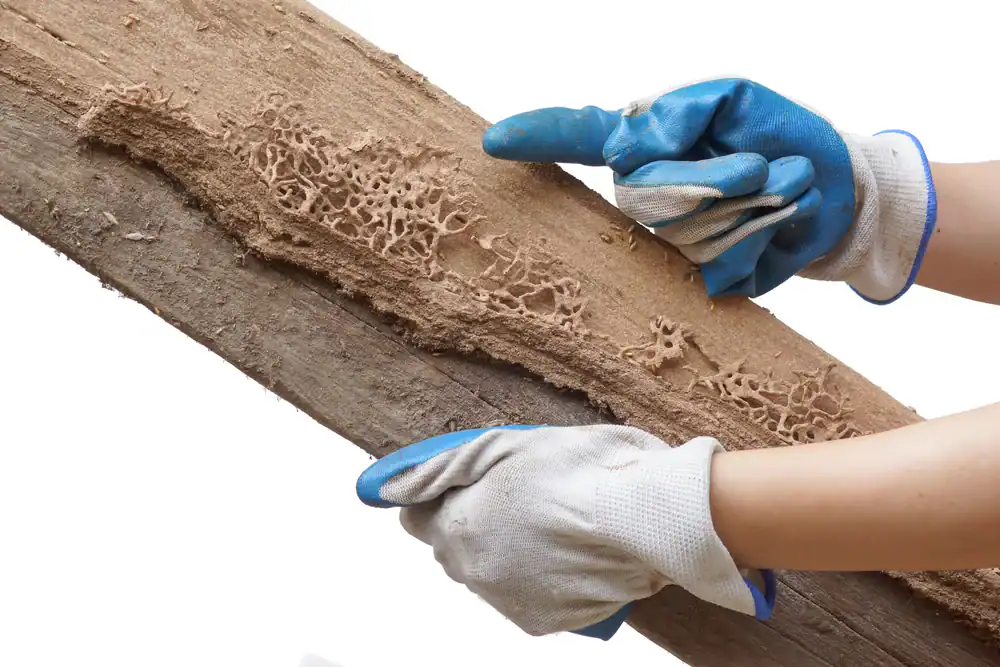
Termites don’t take breaks in Florida. The warm climate means colonies stay active 365 days a year, and they only need a crack 1/32nd of an inch to get inside. By the time you see damage, they’ve likely been feeding on your structure for three to five years.
An annual termite protection plan in Zephyrhills North, FL gives you continuous defense against subterranean termites—the species responsible for most damage in Pasco County. You’re not just getting a one-time treatment. You’re getting ongoing monitoring, early detection, and immediate response if activity shows up.
Most homeowners don’t realize their insurance won’t cover termite damage. Insurance companies consider it preventable, which means repairs come straight from your pocket. In Florida, average repair costs run between $8,000 and $12,000 per incident. Prevention costs a fraction of that, and it keeps your home off the list of half of all South Florida structures expected to face termite risk by 2040.
We operate differently than corporate pest control companies. When you call, the owner answers—even on weekends. When you need a quote, you get it over the phone. When you have a question at 9 PM, someone picks up.
We’ve built our reputation in Hernando and Pasco Counties on direct communication and real accountability. Over 100 five-star Google reviews reflect what happens when a family-owned business treats every client like they matter. You’re not handed off to a call center or a rotating crew. You work with the same person from start to finish, and that person has state certifications and years of experience protecting homes in Zephyrhills North, FL from termite damage.
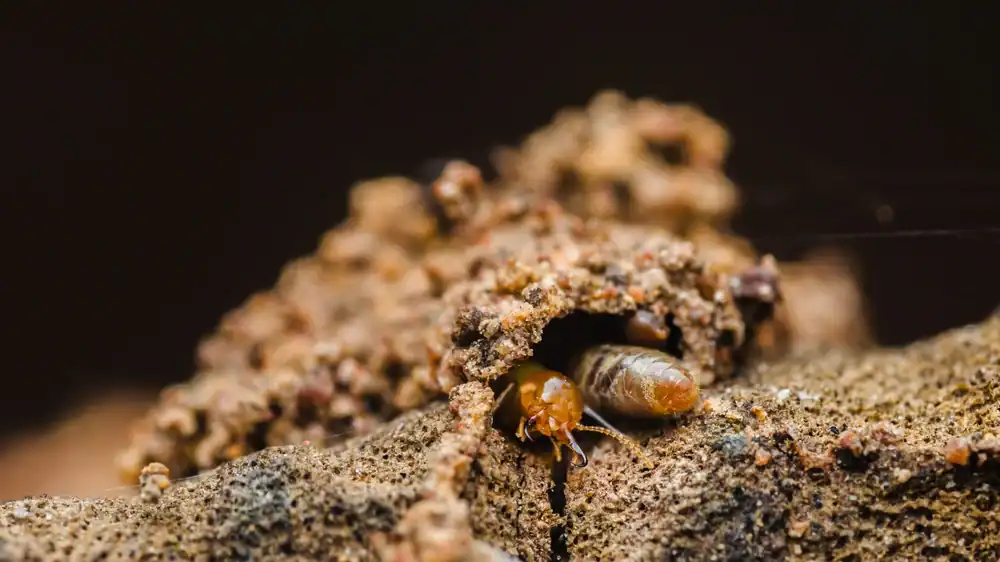
Termite prevention services in Spring Hill, FL and surrounding areas start with a thorough inspection of your property. We check foundation walls, crawl spaces, wood-to-soil contact points, and moisture sources—anywhere termites are likely to enter or establish colonies. If we find activity, you’ll know exactly where it is and what it means.
Treatment depends on what we find. Liquid termiticides create a barrier in the soil around your foundation. Baiting systems target colonies directly. Both methods work, and both are designed for Florida’s subterranean termite species. We’ll explain which option makes sense for your property and why.
After treatment, monitoring continues. Termites don’t disappear permanently just because you treated once. Annual inspections catch new activity before it turns into structural damage. If you’re buying or selling a home, we also provide WDO (Wood Destroying Organism) inspections required for real estate transactions in Florida. You get a detailed report, and if there’s an issue, you’ll know what needs to happen next.

Ready to get started?
Every termite prevention plan includes a full property inspection, customized treatment based on your home’s construction and risk factors, and ongoing monitoring to catch new activity early. You also get direct access to the owner for questions, follow-ups, or emergency calls—24/7, not just during business hours.
Florida has 13 subterranean termite colonies per acre. In Zephyrhills North, FL, the humid climate accelerates termite activity and wood consumption. Termites here can consume wood up to seven times faster than in cooler regions, which means the window between “no problem” and “expensive problem” is shorter than most homeowners realize.
We also offer WDO inspections for real estate transactions. Whether you’re buying, selling, or refinancing, lenders and buyers often require proof that your home is termite-free. Our inspections meet Florida’s regulatory standards, and we provide clear reports that satisfy all parties involved. If we find an issue, we’ll explain what it takes to resolve it before closing.
Military families and new homeowners in Pasco County qualify for special discounts. If you’ve recently purchased a home or you’ve served, ask about pricing when you call.
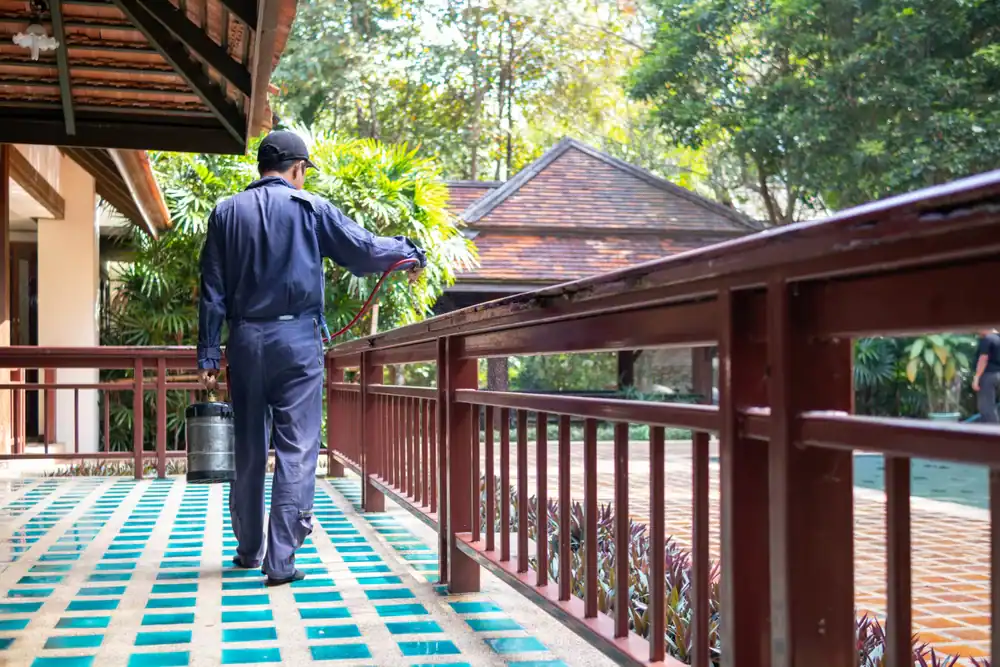
Cost depends on your home’s size, construction type, and whether you need treatment or just preventive monitoring. Most residential termite prevention services in Spring Hill, FL and nearby areas range from a few hundred dollars for an annual inspection and monitoring plan to over a thousand for full treatment and ongoing protection.
If you’re comparing quotes, pay attention to what’s included. Some companies charge separately for inspections, treatments, and follow-up visits. We provide most quotes over the phone so you know what to expect before anyone shows up. The real cost to consider isn’t just the service—it’s what happens if you skip prevention. Average termite damage repair in Florida runs $8,000 to $12,000, and insurance won’t cover it.
Prevention is always cheaper than repair. If your home already has termite activity, treatment costs more upfront but stops damage from getting worse. If you’re starting fresh with no current infestation, an annual termite protection plan keeps it that way.
Annual inspections are standard for residential termite defense in Pasco County and throughout Florida. Termites stay active year-round here, so the “termite season” never really ends. An annual check catches new colonies before they cause visible damage.
If you’re in a high-risk area—near wooded lots, water sources, or older construction with wood-to-soil contact—you might benefit from more frequent monitoring. Some homeowners opt for quarterly pest prevention plans that include termite checks along with other pest control services.
Real estate transactions require WDO inspections regardless of when your last termite check happened. Lenders and buyers want current proof that the property is clear, so if you’re selling or refinancing, plan for a fresh inspection even if you had one done recently. We provide WDO reports that meet Florida’s requirements and turn them around quickly so closings don’t get delayed.
Treatment addresses an active infestation. Prevention stops termites from getting in or catches them early before damage happens. If you already have termites feeding on your home, you need treatment first—liquid termiticides or baiting systems that eliminate the colony and create a protective barrier.
Prevention assumes your home is currently termite-free (or will be after treatment). It involves regular inspections, monitoring stations, and sometimes a preventive barrier treatment applied to the soil around your foundation. The goal is to catch termite activity at the earliest possible stage, ideally before they even reach your structure.
Most homeowners in Zephyrhills North, FL benefit from both. If we find activity during an inspection, we treat it. Then we set up ongoing prevention so it doesn’t come back. Florida’s termite pressure is too high to treat once and assume you’re done. Continuous monitoring is the only way to stay ahead of new colonies, especially with 13 subterranean termite colonies per acre in this state.
No. Insurance companies in Florida rarely cover termite damage because they classify it as preventable. If termites destroy part of your floor joists, wall studs, or roof framing, you’re paying for repairs out of pocket.
This is why prevention matters so much. Termites cause over $5 billion in property damage annually across the U.S., and Florida accounts for a significant portion of that. Tampa was named one of the top three most termite-infested cities in 2024, and Zephyrhills North, FL sits right in the same high-risk zone.
The average repair bill in Florida runs $8,000 to $12,000 per incident, but severe infestations can cost much more—especially if structural components need replacing. Compare that to the cost of an annual termite protection plan, and the math is clear. Prevention isn’t optional in Florida. It’s the only financially smart move if you want to protect your home investment.
Liquid termiticide treatments typically last five to ten years, depending on soil conditions, rainfall, and the product used. Baiting systems work differently—they target active colonies and remain effective as long as stations are monitored and replenished when needed.
Florida’s climate affects treatment longevity. Heavy rain can dilute soil treatments over time, and the state’s sandy soil in some areas doesn’t hold chemicals as long as clay-heavy soil does. That’s why ongoing monitoring matters. Even if your treatment is still active, new colonies can form nearby and find gaps in coverage.
An annual inspection confirms your treatment is still working and catches any new termite activity before it becomes a problem. If we see signs that protection is weakening, we’ll recommend a retreatment or adjustment to your plan. The goal isn’t just to treat once and hope for the best—it’s to maintain continuous defense against a pest that never stops looking for a way in.
Yes. Most lenders require a WDO (Wood Destroying Organism) inspection before they’ll approve a mortgage in Florida, and buyers should insist on one even if it’s not required. Termites can be feeding on a structure for three to five years before visible damage appears, so a home that looks fine might already have a costly problem.
A WDO inspection checks for active termites, termite damage, and conditions that make future infestations likely—things like wood-to-soil contact, moisture issues, or previous damage that wasn’t properly repaired. If we find termites, the seller typically handles treatment before closing, or the sale price gets adjusted to cover it.
Even if you’re not financing the purchase, getting a WDO inspection protects you from inheriting someone else’s termite problem. Florida’s termite pressure is too high to skip this step. We provide detailed reports that meet state requirements, and we turn them around quickly so your closing stays on schedule. If treatment is needed, we can handle that too—before you take ownership and the problem becomes yours.
Other Services we provide in Zephyrhills North