
Fast, reliable pest control from Hernando County’s most trusted family-owned team—with most quotes given over the phone.
Contact Info
Fast, reliable pest control from Hernando County’s most trusted family-owned team—with most quotes given over the phone.
Contact Info
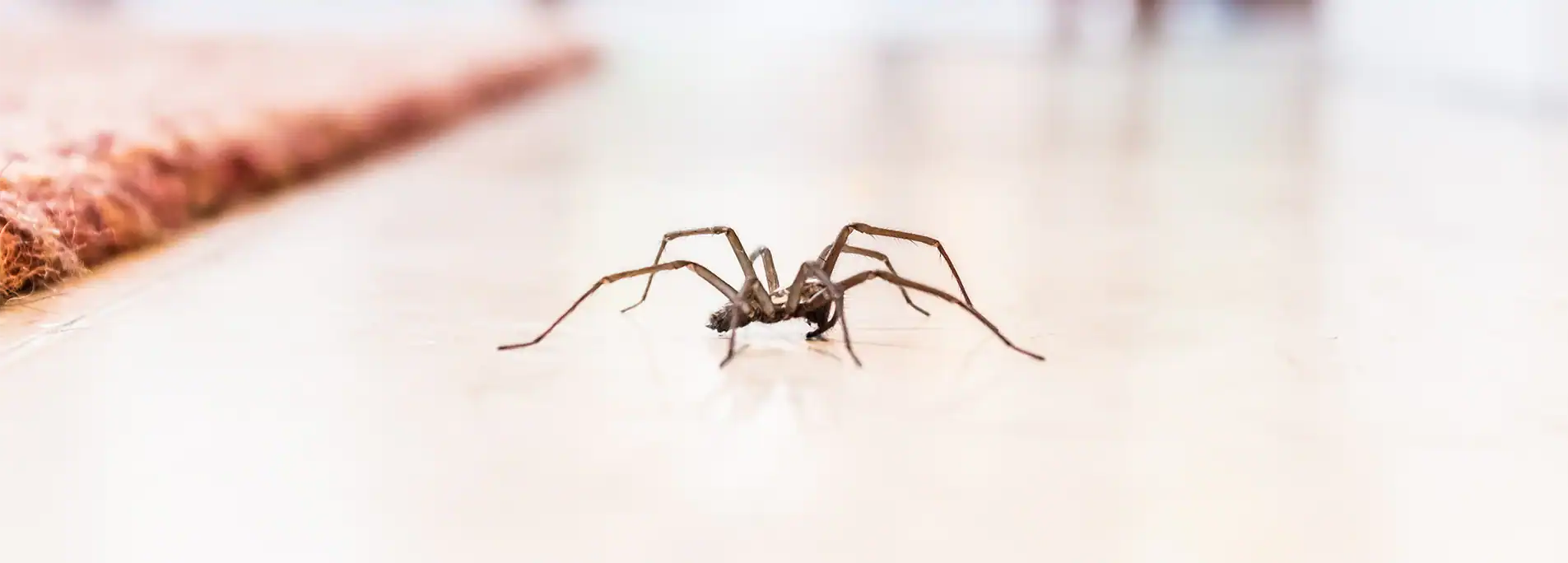
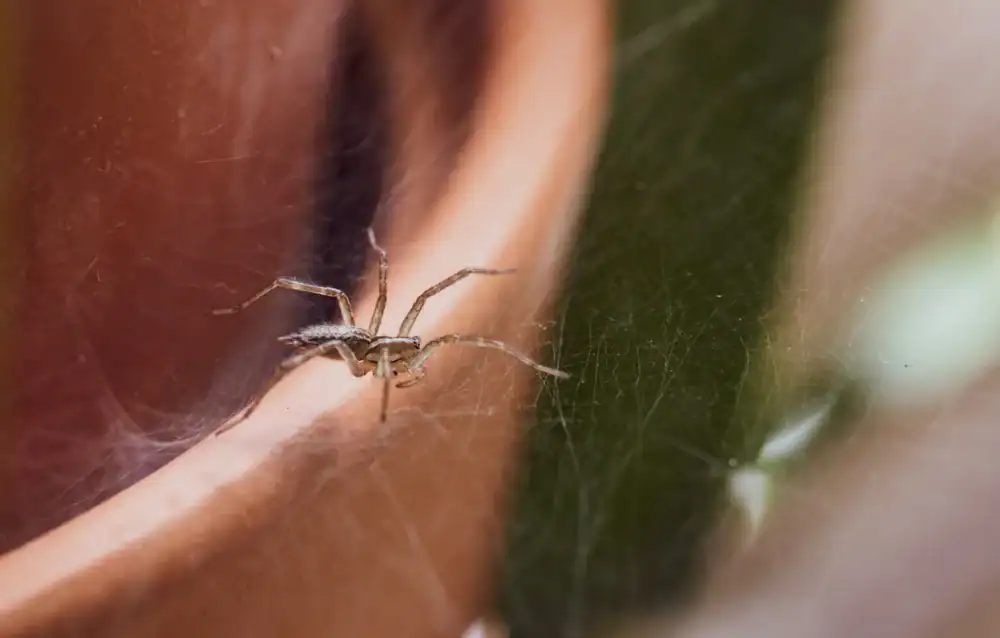
Covered carports are one of the most overlooked spider hotspots in any condo community — dark, sheltered, rarely disturbed, and right next to the outdoor lighting that pulls in flying insects every night. In Beacon Lakes, that combination creates ideal conditions for black widows and brown widows to set up in spots you reach past every single day. A carport spider problem is not a minor inconvenience when the spider in question is venomous.
The lakes that give this community its name are genuinely beautiful. They’re also a sustained source of the mosquitoes, midges, and flying insects that orb-weavers and wolf spiders feed on. That prey base doesn’t disappear in winter — not in Pasco County, not along the Gulf Coast. What that means practically is that spider pressure around your unit stays active all year, not just in summer. A single treatment helps, but without a maintained outdoor barrier, new spiders move in as soon as the residual breaks down.
After professional spider control, the difference is straightforward: you’re not doing a visual sweep of your carport ceiling before you grab your groceries. You’re not finding webs strung across your entry door every few days. You’re not wondering whether the spider you just spotted near your patio is something you need to worry about. That peace of mind matters more when you’re 65 and a bite carries more risk than it did at 35.
We’re a family-owned, owner-operated business serving Hernando and Pasco County — which means Beacon Lakes is squarely in our territory, not a stretch of it. Every call goes directly to the owner. Not a dispatcher. Not a call center. The person who answers is the person who shows up.
That matters in a community like Beacon Lakes, where residents talk to each other. When one unit owner has a good experience, it travels — to the pool, to the clubhouse, to the next person who spots something in their storage unit and doesn’t know who to call. Our 109 five-star Google reviews and BBB Accreditation since 2022 reflect what happens when a business actually does what it says it will. We also hold an active FDACS pest control license (LF286842), which any Pasco County resident can verify independently before making a single call.
We offer special discounts for new homeowners and military families — and given the veteran population that tends to settle into 55+ communities like Beacon Lakes along the US-19 corridor, that discount gets used here more than you might expect.

It starts with a phone call. In most cases, we can give you a quote on the spot without needing to schedule a separate visit first. You describe what you’re seeing — where the spiders are, how often, what they look like — and we give you a straight answer on what treatment makes sense and what it costs. No sales visit required, no pressure to commit before you’re ready.
When we arrive at your Beacon Lakes unit, the first thing we do is assess the actual harborage zones: carport ceiling and walls, storage areas, building eaves, patio edges, and the perimeter around your entry points. In a waterfront condo community, the exterior perimeter matters most because that’s where spiders enter from — following the insect activity that the lakes sustain year-round. We physically remove existing webs as part of the service, which eliminates the habitat alongside the spiders themselves. Leaving webs in place just invites the next spider to move in.
Treatment includes an EPA-registered residual barrier applied to the exterior surfaces and entry points most likely to harbor or admit spiders. Professional-grade products work differently than what’s on the shelf at the hardware store — they’re formulated to eliminate rather than just repel, which means spiders aren’t pushed further into your unit or into adjacent spaces. For ongoing protection in a Gulf Coast environment where pest pressure doesn’t have an off-season, a quarterly prevention program keeps that barrier active and catches new activity before it becomes a visible problem.

Ready to get started?
Pasco County is home to both the black widow and the brown widow — two venomous species that are genuinely common in the New Port Richey area, not just theoretical concerns. Both species favor the same environments that Beacon Lakes units offer in abundance: covered carports, storage sheds, undisturbed corners near exterior lighting, and the eaves of low-rise condo buildings. If you’ve spotted a dark spider with a rounded abdomen in your carport or storage area, it’s worth getting a professional identification before deciding whether to handle it yourself.
Wolf spiders are the other species that generate most of the calls we receive from condo communities in this area. They’re large, fast, and alarming — but they’re not medically significant in the way widow spiders are. What they do signal is an active insect population in and around your unit. Wolf spider extermination in Beacon Lakes addresses the spider you can see, but the outdoor barrier treatment addresses the prey population drawing them in.
One thing worth knowing: the brown recluse is not an established Florida species. It doesn’t maintain a local population in Pasco County. If you’ve read about it online and are worried, that’s a reasonable thing to ask about — and we’ll give you an honest answer rather than use the fear to sell you a treatment you don’t need. That’s the kind of straightforward communication you should expect from any pest control company you let onto your property.
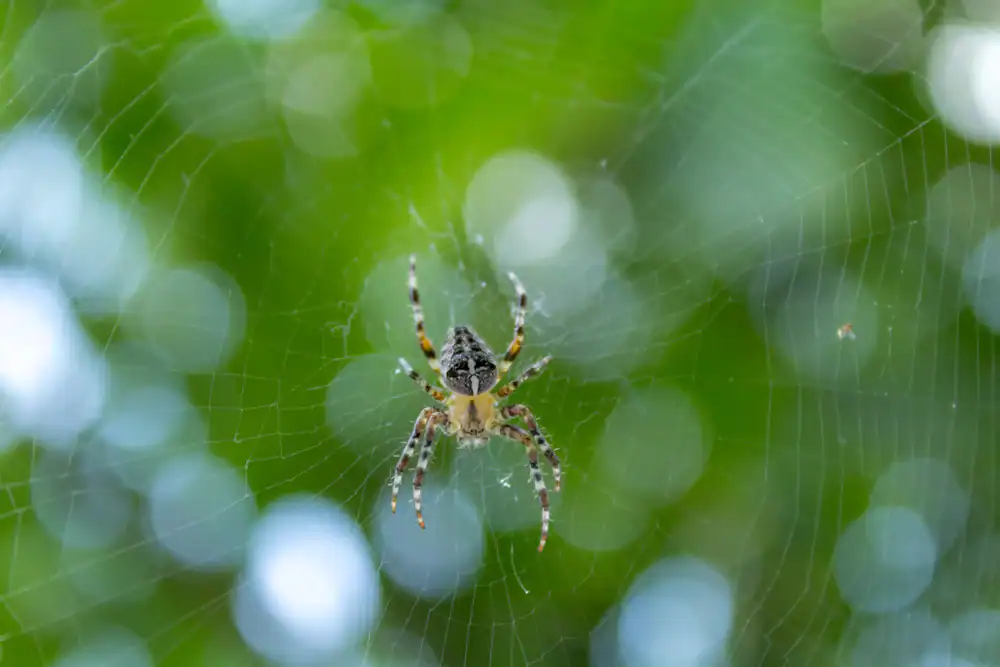
Yes — both black widows and brown widows are documented in Pasco County and are genuinely common in the New Port Richey area. The brown widow in particular has expanded its range significantly across Florida over the past two decades and is now found in most coastal and suburban communities, including condo developments like Beacon Lakes. They tend to favor sheltered, low-traffic spots: the underside of carport ledges, corners of storage sheds, behind outdoor furniture, and around entry door frames.
The risk isn’t hypothetical. A widow spider bite is a painful medical event for anyone, and for older adults with cardiovascular conditions or compromised immunity, it can escalate quickly. If you’re seeing spiders in your carport or near your unit’s entry and you’re not certain what species you’re dealing with, that’s reason enough to call. Correct identification is the first step — and it’s something we can do on-site rather than leaving you guessing from a photo you found online.
Spider de-webbing is exactly what it sounds like — physical removal of existing webs from the surfaces where spiders have been active. In a Beacon Lakes condo unit, that typically means carport ceilings and walls, the eaves directly above your entry door, patio corners, and any exterior storage areas. Removing the web matters because an empty web is still a habitat signal. Another spider will move into an established web location faster than it will build a new one from scratch.
De-webbing is performed as part of the overall spider control treatment, not as a standalone cosmetic service. After the webs are cleared, a residual product is applied to the same surfaces to prevent reinfestation. In a community where appearance matters and shared spaces are part of daily life, keeping your unit’s exterior clean of webs is both a pest control outcome and a quality-of-life one. Residents in Beacon Lakes who maintain quarterly service rarely deal with visible web buildup between visits.
The short answer is no — not in the way you might think. The brown recluse is not native to Florida and does not maintain an established population in Pasco County or anywhere else in the state. Florida’s climate is actually too warm and humid for brown recluse populations to thrive long-term. The spiders you’re most likely encountering in and around your Beacon Lakes unit are wolf spiders, orb-weavers, brown widows, or black widows — all of which are actually present here.
That said, brown recluse spiders can occasionally arrive in Florida via shipped boxes, furniture, or belongings moved from out of state where the species is endemic. If you’ve recently received a large shipment or moved items from out of state, it’s a reasonable thing to mention when you call. We’ll assess what you’re actually dealing with rather than defaulting to worst-case assumptions. Honest identification is more useful to you than an alarming diagnosis that drives an unnecessary treatment.
In most parts of the country, pest pressure has a seasonal rhythm — activity spikes in warm months and drops off in winter. That’s not how it works in Pasco County. The Gulf Coast proximity and subtropical climate keep insect populations active year-round, which means the spider populations that feed on them stay active too. A single treatment provides real relief, but the residual barrier it creates breaks down over time — typically within a few months depending on weather exposure and rainfall.
For a waterfront community like Beacon Lakes, where the on-site lakes sustain a continuous insect population, quarterly treatments are the practical answer. That schedule keeps the outdoor barrier active, addresses any new activity before it becomes visible, and means you’re not starting from scratch every time you notice a problem. Many residents in 55+ communities along the US-19 corridor find that quarterly service is the most cost-effective approach over a full year — fewer emergency calls, no surprise infestations, and consistent exterior protection without having to think about it.
In a condo building with shared walls and shared exterior spaces, spider activity in one unit can absolutely affect adjacent units. Spiders don’t respect property lines — they move along building exteriors, through shared eave spaces, and between carport structures. If one unit has an active widow spider population in the carport, spiders from that population can and do migrate to neighboring carports and entry areas. This is one reason why addressing a spider problem promptly matters in a condo community setting.
It’s also worth understanding how your HOA’s pest control responsibilities interact with your own. Community-wide pest contracts typically cover common areas and building exteriors at a general level, but they often don’t include the targeted, unit-specific treatments that address active spider harborage in your individual carport or storage area. We provide exactly that kind of targeted service — treating the specific surfaces and zones around your unit rather than a broad general application that may not reach the spots where spiders are actually living.
Yes — we offer discounts for new homeowners and for military families. Both come up regularly in communities like Beacon Lakes. New residents moving into the community — especially those coming from northern states — often haven’t dealt with Florida’s spider species before and want to get ahead of the problem early. The new homeowner discount is a straightforward way to make that first treatment more accessible before you’ve even fully settled in.
The military discount reflects something real about this community. Pasco County has a significant veteran population, and 55+ communities along the New Port Richey corridor tend to have a higher concentration of retired military residents than most. If you or your spouse served, the discount applies — no complicated process, just mention it when you call. Both discounts are available on initial treatments and can be applied toward a quarterly prevention program if that’s the direction you want to go after the first visit.
Other Services we provide in Beacon Lakes