
Fast, reliable pest control from Hernando County’s most trusted family-owned team—with most quotes given over the phone.
Contact Info
Fast, reliable pest control from Hernando County’s most trusted family-owned team—with most quotes given over the phone.
Contact Info
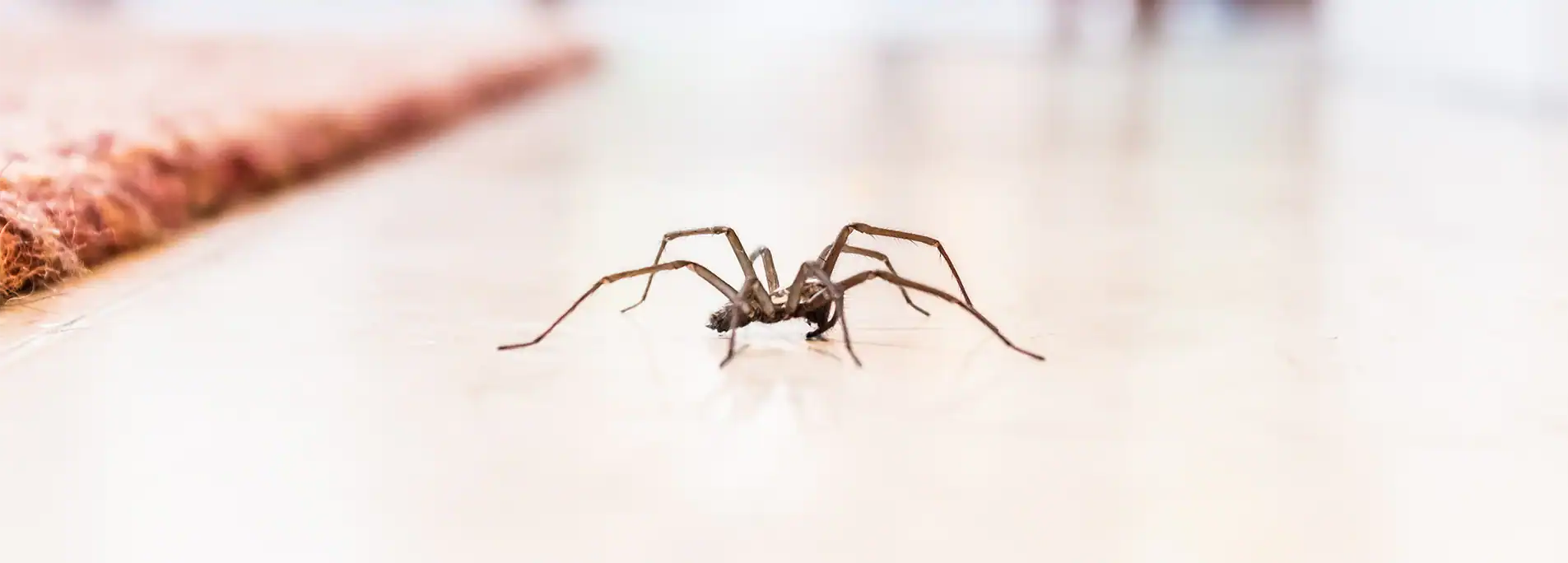
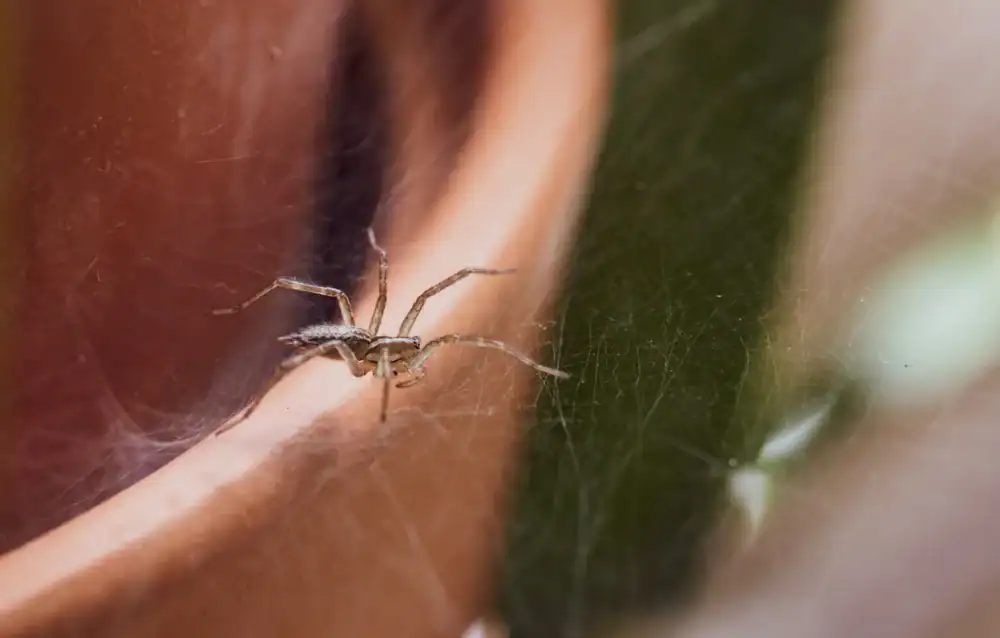
Living at the edge of the Withlacoochee State Forest puts your Clay Sink home in a different category than most of Pasco County. Pine flatwoods, cypress swamp, and oak hammocks are prime spider habitat — and they sit right outside your door. Wolf spiders, black widows, brown widows, and orb weavers aren’t occasional visitors here. They’re a constant cycle that no amount of store-bought spray is going to break.
What changes after a real treatment is the cycle itself. You stop finding webs rebuilt in the same spots every few days. You stop reaching into your shed and wondering what’s hiding in the corner. Your kids and pets can use the yard without you scanning every surface first. That’s significant when you’re dealing with venomous species on a rural property where outbuildings, wood piles, and heavy tree canopy give spiders exactly what they need to thrive.
The homes in Clay Sink — older structures on larger lots, many with crawl spaces, sheds, and equipment storage — face a level of spider pressure that a suburban home in Wesley Chapel simply doesn’t. A treatment plan that accounts for your actual property, your actual surroundings, and the species you’re actually dealing with is what makes the difference between temporary relief and a home you stop worrying about.
Around The Clock Pest Service is a family-owned, owner-operated business serving Hernando County and Pasco County — including the rural communities along the northeastern Pasco corridor where Clay Sink sits, just minutes from the Hernando and Sumter county lines. When you call, you speak directly to the owner. Not a dispatcher. Not a call center. The person who holds the license and knows the work.
That matters more in a place like Clay Sink than it does almost anywhere else in the county. Remote rural properties don’t get prioritized by national chains optimizing for suburban route density. We built this business around the opposite model — personal, direct, and available 24 hours a day, seven days a week, including weekends.
With a 5.0 rating across 109 Google reviews, active FDACS license LF286842, and BBB Accreditation since 2022, the track record is there. But what keeps people calling back is simpler than credentials: you get honest answers, a real quote over the phone, and someone who actually shows up.

It starts with a phone call. Most quotes are handled right there — no in-home sales visit required, no pressure, no one walking through your house building up a larger estimate. You describe what you’re seeing, where you’re seeing it, and what kind of property you’re dealing with. From there, the process is straightforward.
When we visit, the first thing that gets done is a thorough inspection — not just the interior, but the full exterior, eaves, crawl spaces, outbuildings, and any wood piles or debris areas where black widows and brown widows commonly nest. On rural Clay Sink properties, that exterior inspection matters as much as anything done inside. The forest edge is where the pressure originates, and treating only the interior without addressing harborage points outside is why spider problems keep coming back.
Treatment includes spider de-webbing to physically remove existing webs and egg sacs from eaves, corners, and entry points, combined with an outdoor spider barrier applied around the foundation, windows, doors, and any structure where spiders are entering or nesting. The barrier is applied with the understanding that new spiders will keep arriving from the adjacent Richloam WMA — so the placement and coverage account for that ongoing pressure, not just what’s visible on the day of treatment. After the service, you get clear guidance on what to expect, what to watch for, and when a follow-up makes sense.

Ready to get started?
Spider control in Clay Sink covers more ground than a standard residential treatment — because the properties here demand it. Our service includes a full inspection of the home’s interior and exterior, targeted venomous spider removal with attention to black widow and brown widow harborage areas, complete spider de-webbing from eaves, soffits, porch structures, and outbuilding entry points, and an outdoor spider barrier treatment applied around the perimeter of the home and any additional structures on the property.
Black widow prevention is a specific focus for rural properties in this area. Sheds, equipment storage, wood piles, and the undersides of outdoor furniture are the first places to check — and they’re the places most homeowners walk past every day without realizing what’s nesting there. Brown recluse control is also addressed where evidence is found, though brown recluses are less commonly confirmed in Florida than black widows and brown widows. If you’re seeing large ground-hunting spiders in and around the home, wolf spider extermination is part of the same treatment — wolf spiders are displaced frequently from the pine flatwoods habitat in the Richloam area, especially following prescribed burns in the wildlife management area.
Spider web removal from eaves and outdoor structures is handled as part of every treatment, not as an add-on. Leaving existing webs in place after a chemical treatment reduces its effectiveness — the webbing itself provides a physical barrier that limits contact. Removing it is part of doing the job right, and it’s included every time.
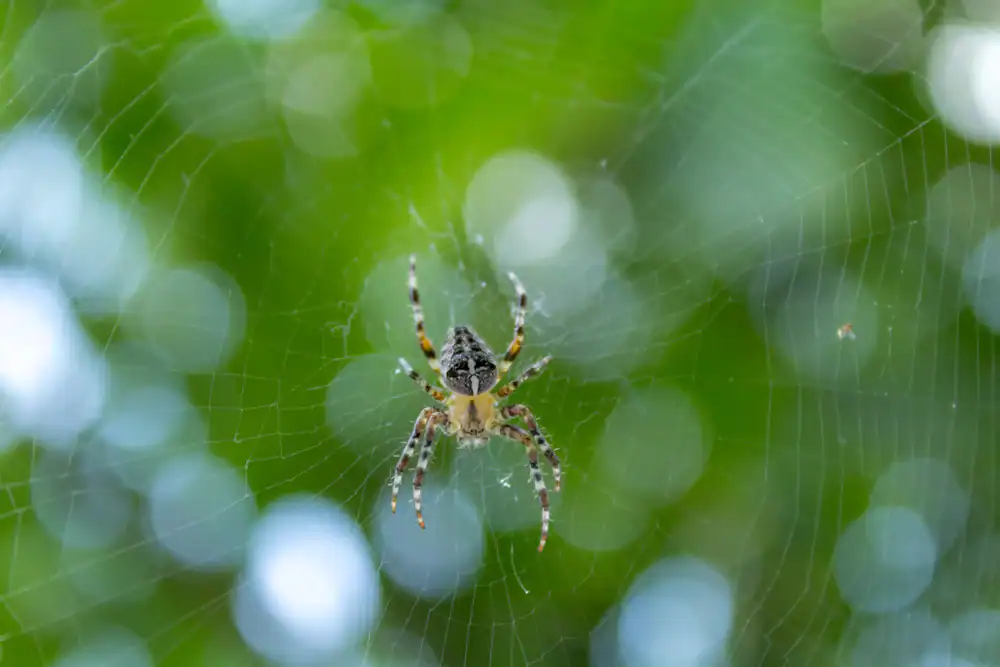
The Richloam Wildlife Management Area — which borders Clay Sink directly — contains pine flatwoods, oak hammocks, bottomland hardwoods, and cypress swamp. Every one of those habitats supports large, active spider populations year-round. Florida’s subtropical climate means there’s no winter dieback to reset the population. Spiders that live and breed in the forest don’t stay there — they move toward structures, especially as insect prey populations build up around the edges of cleared residential land.
There’s also a factor most homeowners don’t know about: prescribed burns. The Richloam WMA is actively managed with prescribed fire by the Florida Forest Service, and those burns displace ground-dwelling spiders — particularly wolf spiders — from their natural habitat toward the nearest structures. If you’ve noticed a spike in spider activity around your Clay Sink home after a burn event in the adjacent forest, that’s not a coincidence. It’s a direct result of habitat disruption pushing wildlife toward your property line.
Black widows are genuinely common on rural properties in northeastern Pasco County, and Clay Sink is no exception. They favor exactly the conditions that older rural homesteads provide — dark, undisturbed spaces like the undersides of shelves, the corners of storage sheds, wood piles, and debris areas. If your property has outbuildings or exterior storage, there’s a reasonable chance black widows have established themselves somewhere you haven’t looked recently.
Their venom is a neurotoxin, and while fatalities are rare in healthy adults, bites are painful and can be serious for children, elderly individuals, and pets. The real risk on a rural property isn’t the spider you see — it’s the one you don’t see when you’re reaching into a shed or moving firewood without gloves. Professional inspection and treatment identifies harborage areas you might never think to check, and targeted black widow prevention significantly reduces the population in and around structures where contact risk is highest.
It’s a meaningful difference. A suburban home on a quarter-acre lot with a single attached garage has a fraction of the harborage area that a rural Clay Sink property typically offers. Detached sheds, barns, equipment storage, wood piles, and crawl spaces all create the kind of dark, undisturbed, low-traffic spaces that spiders — especially black widows and brown widows — actively seek out. Treating only the main residence and ignoring those structures leaves the biggest part of the problem untouched.
A thorough spider control service for a rural property includes inspecting and treating all structures on the lot, not just the house. That means checking the interior and exterior of outbuildings, treating the eave lines and entry points of every structure, and applying the outdoor spider barrier in a way that accounts for the full footprint of the property. It also means looking at the areas between structures — wood piles, debris, equipment stored outside — where harborage conditions are often at their worst. The goal is to reduce the overall population on the property, not just move it from one building to another.
In the Clay Sink area, the two species that warrant the most attention are the black widow and the brown widow. Both are present in Pasco County, both are venomous, and both are commonly found on rural properties with the kind of structural and environmental characteristics that Clay Sink homes typically have. Black widows are the more widely known of the two, but brown widows have become increasingly prevalent throughout Florida and are often found in similar harborage locations — eaves, outdoor furniture, porch structures, and the undersides of outdoor storage.
Wolf spiders are large, fast, and alarming when encountered indoors, but they are not medically significant in the way black widows are. That said, they are a sign of a larger pest population on the property — wolf spiders follow their prey, so a heavy wolf spider presence usually means a significant insect population is supporting them. Brown recluse spiders are frequently misidentified in Florida; confirmed brown recluse populations are far less common here than in states further north, but any unidentified spider with a fiddle-shaped marking on its back should be treated with caution and identified by a professional before assuming it’s harmless.
For a property in Clay Sink that borders the Richloam Wildlife Management Area, a one-time treatment is not a long-term solution. The forest is a continuous source of new spider activity, and the outdoor barrier applied during treatment will degrade over time — typically faster in Florida’s heat and humidity than it would in a northern climate. For most rural properties in this area, a quarterly prevention plan keeps the barrier active and addresses any new activity before it becomes a reinfestation.
That said, the right frequency depends on your specific property, how severe the initial infestation was, and how much harborage area exists on the lot. Some properties with heavy outbuilding coverage or significant wood pile storage benefit from more frequent attention early on, then transition to quarterly maintenance once the population is under control. The honest answer is that it’s a conversation — and one you can have over the phone before committing to anything. We don’t push a plan that doesn’t fit what you actually need.
Yes — Clay Sink falls within the Pasco County service territory that we cover alongside Hernando County. We’re owner-operated, which means there’s no franchise route map determining which addresses are worth a technician’s time. If you’re on Clay Sink Road or anywhere in that northeastern corner of Pasco County, you’re not too far out and you’re not going to be told to try someone else.
This is actually one of the more common questions from residents in this part of the county, and it’s a fair one. National chains and larger regional operators concentrate their routes in high-density suburban areas like Zephyrhills or Dade City, and rural calls often get deprioritized or handed off. That’s not how we work. The owner takes the call, gives you a straight answer on price over the phone, and comes to the property. Military families and new homeowners in the area also qualify for discounts — worth asking about when you call.