
Fast, reliable pest control from Hernando County’s most trusted family-owned team—with most quotes given over the phone.
Contact Info
Fast, reliable pest control from Hernando County’s most trusted family-owned team—with most quotes given over the phone.
Contact Info
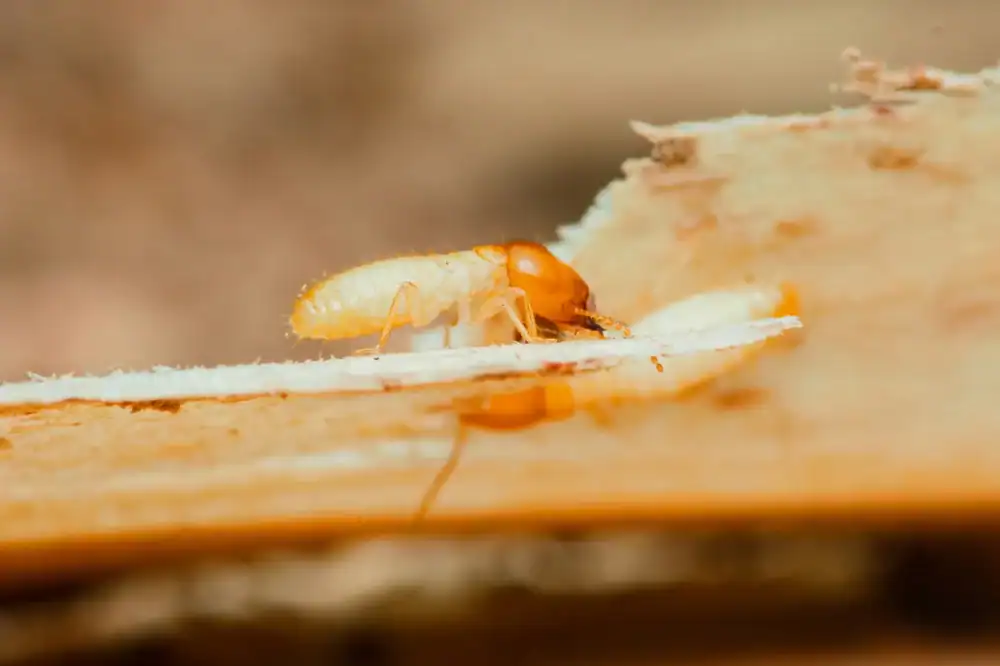
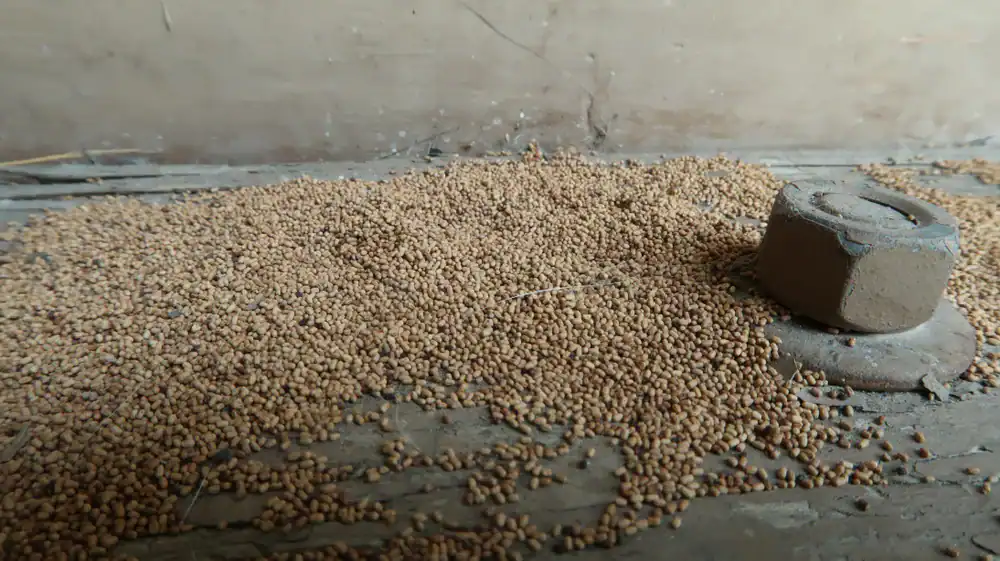
Termites in Florida don’t take a season off. In San Antonio, that risk is year-round — and it’s compounded by the area’s geography. Older homes near Lake Jovita sit on consistently moist soil, which is exactly what subterranean termites need to build their colonies and start feeding. Most homeowners don’t see a single sign until the damage is already deep inside the walls, floor joists, or structural framing.
For buyers closing in the Mirada development, the stakes are just as real. A brand-new home doesn’t come with a termite guarantee — Florida’s subterranean termites live in the soil and can target a new structure within its first few years, especially if construction debris or wood materials were left in ground contact during the build. Standard homeowner’s insurance won’t cover it. Neither will your builder’s warranty.
A professional termite inspection in San Antonio, FL gives you documented proof of what’s there — or confirmation that it isn’t. That documentation matters to your lender, your realtor, and your own peace of mind. Catching a colony early costs a fraction of what structural repairs run later, and in Pasco County’s active real estate market, a clean WDO report can be the difference between a smooth closing and a delayed one.
We’re a family-owned, owner-operated business serving Pasco County and Hernando County — including San Antonio and the surrounding east Pasco corridor along SR 52. George Lundin founded the company in 2020 after seeing too many pest companies treat customers like a transaction: no callbacks, hidden fees, and technicians who didn’t know the property. That’s not how we work.
When you call, George answers. Not a call center, not a scheduling assistant — the owner. Most quotes are given right there on the phone, so you’re not sitting through a sales visit just to find out what something costs. We hold FDACS License #LF286842, are BBB A+ accredited, and have earned over 100 five-star Google reviews from real families across Pasco and Hernando counties. For new homeowners and military families, documented discounts are available — no hoops to jump through.

It starts with a phone call. George will ask a few straightforward questions about your property — whether it’s a new build in Mirada, an older home near the historic core, or something in between — and give you a quote on the spot. No appointment needed just to get a number. Once you’re scheduled, the inspection itself typically runs one to two hours depending on the property’s size and accessibility.
During the inspection, every accessible area gets examined — attic, garage, crawlspace, structural framing, exterior foundation, and any wood-to-soil contact points. In San Antonio, that last one matters more than most people realize. Properties adjacent to older landscaping, tree stumps, or remnant agricultural structures carry a higher risk of subterranean termite entry, and those areas get close attention. The inspection covers all wood-destroying organisms required under Florida law: subterranean termites, drywood termites, wood-boring beetles, powderpost beetles, and wood-decaying fungi.
Once the inspection is complete, you receive the official FDACS Form 13645 — the state-mandated WDO report accepted by VA, FHA, and conventional lenders in Florida. If you’re on a closing timeline, this is the document your lender needs. If you’re doing this for your own peace of mind, it’s the most reliable picture of your home’s current condition that exists.

Ready to get started?
In Florida, VA loans require a wood-destroying insect inspection on every purchase — no exceptions, statewide. FHA and conventional lenders frequently require them too, particularly in Pasco County where termite pressure is well-documented. The report has to come from an FDACS-licensed pest control operator, and it has to be issued on FDACS Form 13645. A report from an unlicensed provider or a standard home inspector who isn’t also certified for WDO work will be rejected by your lender — and that rejection can stall or kill a closing.
We hold FDACS License #LF286842, which is publicly verifiable and valid through June 2027. Every inspection is performed by in-house, certified staff — no subcontractors, no third parties. That matters when your lender or VA underwriter needs to confirm the credentials behind the report.
For San Antonio homeowners not in the middle of a transaction, annual termite monitoring is the standard in Florida — and it’s the smarter long-term play. Termite damage averages $8,000 to $12,000 per incident, with severe cases running well past $20,000. Homeowner’s insurance doesn’t cover it. A yearly inspection in Pasco County typically runs $75 to $300. The math isn’t complicated — and in a community where most people own their homes and have real equity on the line, that annual check is one of the lowest-cost protections available.
If you’re using VA financing, the answer is yes — it’s required by law for every VA-financed purchase in Florida, including San Antonio. The seller typically covers the cost in VA transactions, but the inspection has to be completed and the FDACS Form 13645 has to be in the lender’s hands before the loan can close. FHA loans and many conventional loans also require a WDO inspection, especially in Pasco County where termite activity is well-established and lenders know it.
Even if your loan doesn’t technically require one, skipping a WDO inspection in San Antonio isn’t a risk worth taking. Termites in east Pasco County are active year-round, and a standard home inspection doesn’t cover wood-destroying organisms — those are two completely separate reports. If you’re buying in Mirada or anywhere in the San Antonio area and your home inspector didn’t specifically mention a WDO report, you likely still need one.
A home inspection covers the general condition of the property — roof, HVAC, plumbing, electrical, and structural systems. It does not cover wood-destroying organisms, and the person performing it is not licensed to issue a WDO report. Those are two different licenses, two different scopes of work, and two different documents.
A WDO inspection is performed exclusively by an FDACS-licensed pest control operator and results in FDACS Form 13645 — the official Florida statewide report that documents the presence or absence of subterranean termites, drywood termites, wood-boring beetles, powderpost beetles, and wood-decaying fungi. This is the document VA, FHA, and conventional lenders require. In San Antonio’s active real estate market, buyers sometimes assume their home inspection covered termites — it didn’t. If your lender is asking for a WDO report, that’s a separate inspection entirely, and it needs to come from a licensed pest control operator like us.
Once a year is the professional standard in Florida — and in Pasco County specifically, there’s no such thing as a “safe season” to skip it. Unlike northern states where termites slow down in winter, Florida’s climate keeps them active 365 days a year. In San Antonio, properties near Lake Jovita face consistent soil moisture year-round, which is one of the primary conditions that sustains subterranean termite colonies. The rainy season from June through September makes things worse, but the risk doesn’t disappear when the rain stops.
Annual monitoring is the only way to catch an infestation before it becomes a structural problem. Termites work from the inside out — by the time you notice warped floors, hollow-sounding walls, or doors that suddenly won’t close right, a colony has often been active for a year or more. A yearly inspection in Pasco County typically costs $75 to $300. That’s a small number compared to the average repair bill, which runs $8,000 to $12,000 and isn’t covered by homeowner’s insurance.
Yes — and this is one of the most common misconceptions among new homebuyers in San Antonio’s Mirada development. A brand-new home doesn’t come with immunity. Florida’s subterranean termites live underground and can begin targeting a new structure within its first few years, particularly if wood debris, concrete forms, or landscaping materials were left in soil contact during the construction process. Builders in Mirada — including Lennar, D.R. Horton, and Homes by WestBay — are required to apply soil treatments during construction, but those treatments have a limited lifespan and don’t guarantee permanent protection.
Your builder’s warranty does not cover termite damage. Your homeowner’s insurance policy doesn’t either. The only reliable way to know your new home is clear is a professional termite inspection, and the only way to stay ahead of the problem over time is annual monitoring. Starting that habit in year one — before any damage has a chance to develop — is significantly cheaper than addressing it after the fact.
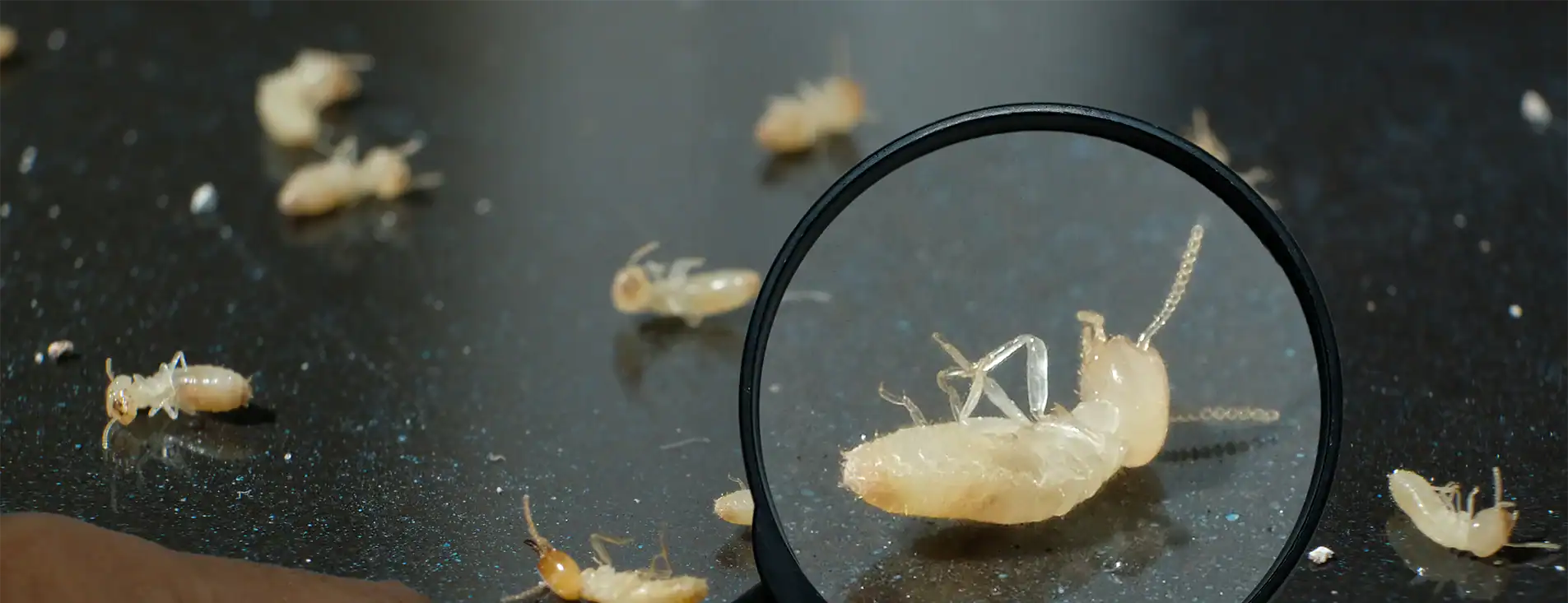
The most visible sign is a termite swarm — typically in spring and early summer in Pasco County, when winged reproductive termites emerge to start new colonies. If you see flying insects near windows, doors, or light sources between March and June, that’s worth taking seriously. Discarded wings on windowsills or along baseboards are another indicator that a swarm has already happened nearby.
Beyond swarming season, the signs of termites in Florida homes are often subtle until the damage is significant. Mud tubes along your foundation, crawlspace walls, or garage framing are a direct sign of subterranean termite activity. Hollow-sounding wood when you knock on it, floors that feel soft or slightly springy underfoot, paint that bubbles without moisture exposure, and doors or windows that suddenly stick for no obvious reason are all worth investigating. In San Antonio’s older homes near the historic core, these signs can be easy to dismiss as general wear — which is exactly why a professional inspection with trained eyes matters more than a self-check.
San Antonio is growing fast, and a meaningful portion of that growth is coming from first-time buyers and veteran families putting down roots in communities like Mirada. Pasco County has a real veteran population, and many of the buyers using VA loans to close on homes along the SR 52 corridor are doing so on tight budgets after stretching to make a purchase work. A WDO inspection is a required step in that process — it’s not optional — and the cost shouldn’t feel like one more obstacle at the finish line.
The new homeowner discount reflects the same thinking. Buying a home in San Antonio — whether it’s a new build in Mirada or an established property near Lake Jovita — already comes with a long list of expenses. We offer a fair price upfront, without a sales visit or pressure tactics. These discounts aren’t a marketing angle. They’re a straightforward acknowledgment that the people building their lives here deserve honest service from the start.
Other Services we provide in San Antonio