
Fast, reliable pest control from Hernando County’s most trusted family-owned team—with most quotes given over the phone.
Contact Info
Fast, reliable pest control from Hernando County’s most trusted family-owned team—with most quotes given over the phone.
Contact Info
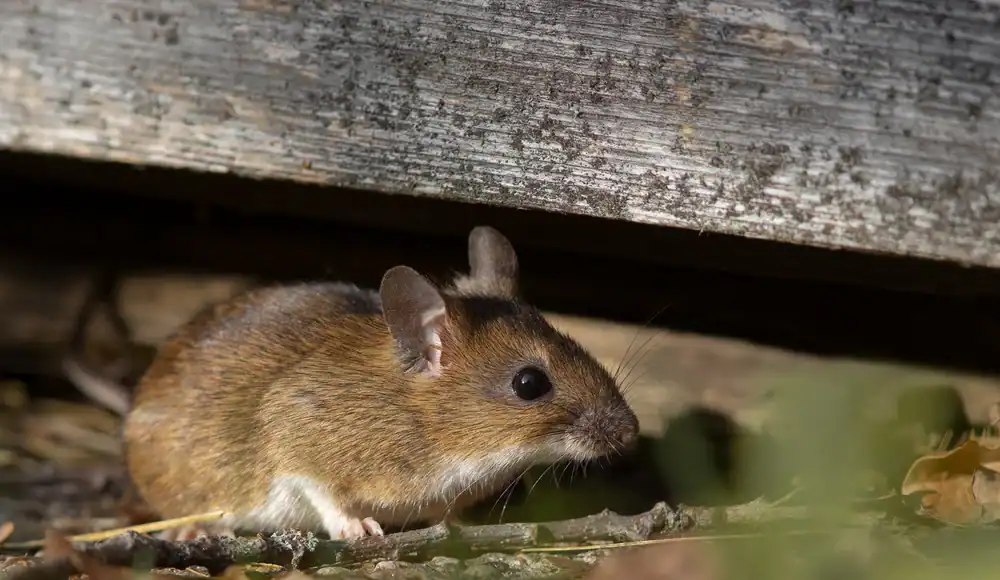
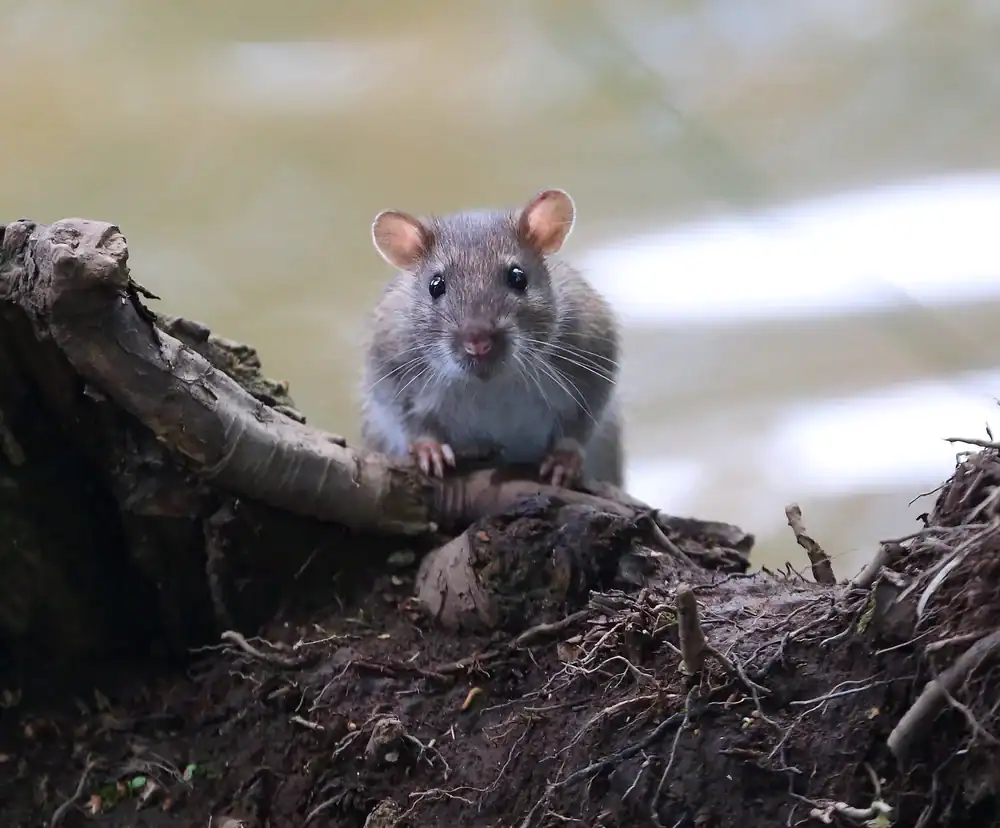
The scratching stops. The smell clears. You stop wondering what’s moving around above your ceiling at 2 AM. That’s what a real rodent removal job in Odessa, FL looks like when it’s done right — not just a bait station dropped in the garage and a follow-up call that never comes.
For homeowners in Starkey Ranch and the Keystone-Odessa corridor, the pressure doesn’t come from one stray animal. The Jay B. Starkey Wilderness Park borders residential development directly, and that 8,300-acre preserve is a permanent wildlife reservoir. Roof rats living in that preserve don’t disappear — they find the nearest warm, dry attic. When a new construction phase breaks ground nearby, displaced rodents move fast. Your home is often the first shelter they reach.
What most people don’t realize is that once rodents are gone, the scent trails they leave behind continue broadcasting an open invitation to the next wave. Eliminating those chemical markers is what separates a real fix from a temporary one. It’s also what keeps Odessa homeowners from calling a second company six weeks after the first one left.
We’re a family-owned operation serving Pasco, Hernando, and neighboring Florida counties. There’s no dispatcher, no franchise layer, no call center routing your concern to whoever’s available. When you call, you reach the owner — and that’s true on Saturday night just as much as Tuesday morning.
That matters in Odessa specifically. Whether you’re in a newer Starkey Ranch home built on land that was wildlife habitat five years ago, or you’ve owned a Gunn Highway property for two decades with mature oaks hanging over your roofline, the rodent pressure here is real and it’s year-round. Florida’s climate doesn’t give you a winter reset. You need someone who understands that — and who treats your home like it’s worth protecting.
Over 100 five-star Google reviews, a BBB A+ rating, and an active FDACS license reflect what happens when a business actually follows through. Most quotes are handled over the phone, so you’re not waiting on a sales appointment just to find out what this costs.
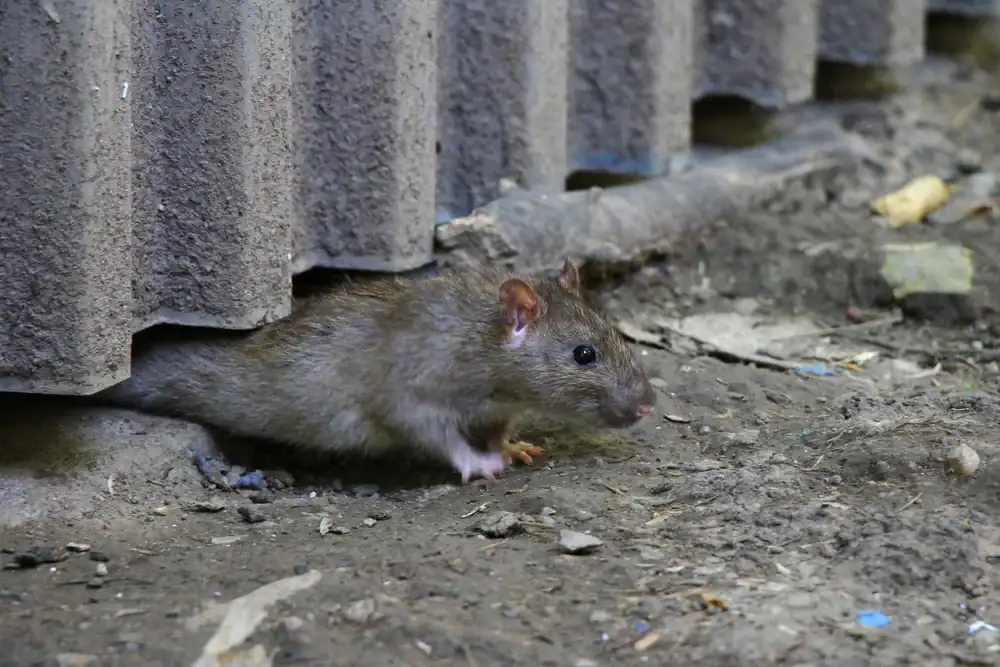
It starts with a thorough inspection — attic, crawl spaces, wall voids, and the full exterior envelope of your home. In Odessa, that inspection includes areas we often find overlooked: beneath rooftop solar panels, which have become a documented roof rat runway in this area, and along the roofline overhangs where mature oaks and palms on larger Keystone-corridor properties give rats a direct bridge into your soffit. Every gap, crack, and compromised vent screen gets identified and documented.
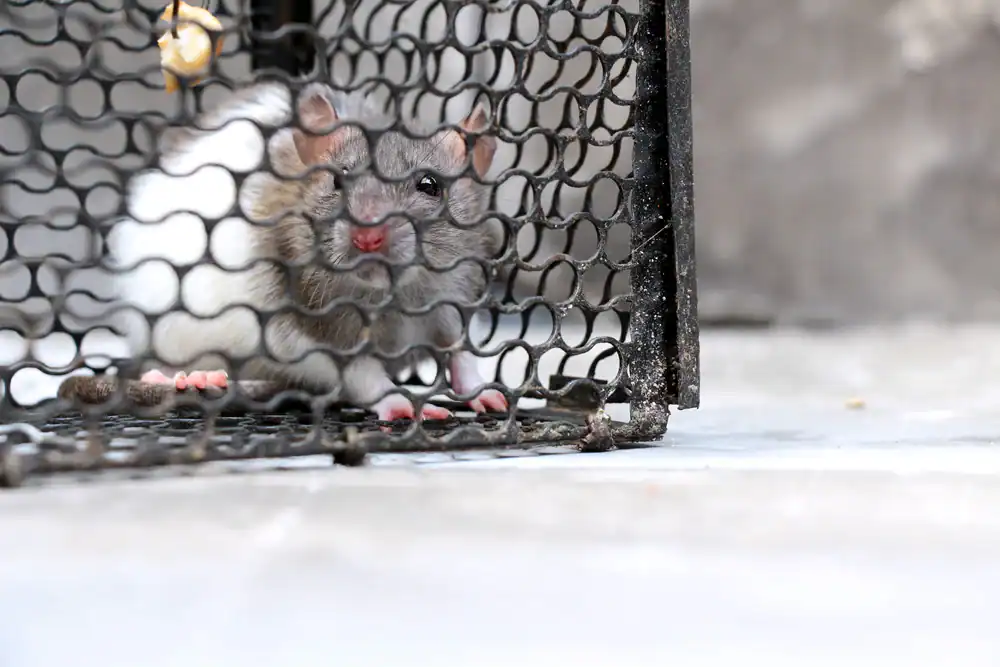
From there, we place professional-grade mechanical traps in the areas of highest activity. We use traps — not rodenticide bait — which means no risk of a poisoned animal dying inside your wall cavity and no secondary poisoning risk to your dogs or cats. For a household in Odessa with kids and pets, that’s not a minor detail. It’s the whole reason some families choose us over another company.
Once the active infestation is cleared, the job moves to sanitization. Rodent urine leaves chemical scent trails that guide other rodents back into a treated home. Those trails get eliminated as part of our standard service. You also receive a clear report of every entry point found — repairs aren’t performed by us, but you’ll know exactly what needs to be addressed so the problem doesn’t return through the same door.
Ready to get started?
Rodent control in Odessa, FL covers the full arc of the problem — not just the animals you can hear. Our inspection phase is comprehensive: attics, wall voids, crawl spaces, utility line penetrations, and the exterior roofline. Homes in communities like Ivy Lake Estates and Asturia often have dense ornamental landscaping installed right against the foundation — exactly the kind of ground-level harborage that Norway rats exploit. That gets flagged during inspection along with everything else.
Trapping is mechanical and targeted. Placement is based on what the inspection reveals about activity patterns, not a one-size-fits-all setup. After the infestation is cleared, attic rodent decontamination addresses the contaminated insulation and residual scent markers that remain after rodents are removed. In Odessa’s summer heat — attic temperatures can exceed 130°F — contaminated insulation off-gasses directly into the air your HVAC system pulls through every room. That’s a health concern that doesn’t go away on its own.
Every entry point identified during the inspection is documented and communicated clearly. Structural repairs fall outside the scope of our service, but you’ll leave with a complete picture of your home’s vulnerabilities — which is information you need regardless of who does the repair work. All services are performed under an active Florida Department of Agriculture and Consumer Services (FDACS) license, as required by Florida Statutes Chapter 482 for any pest control company operating in Pasco County.
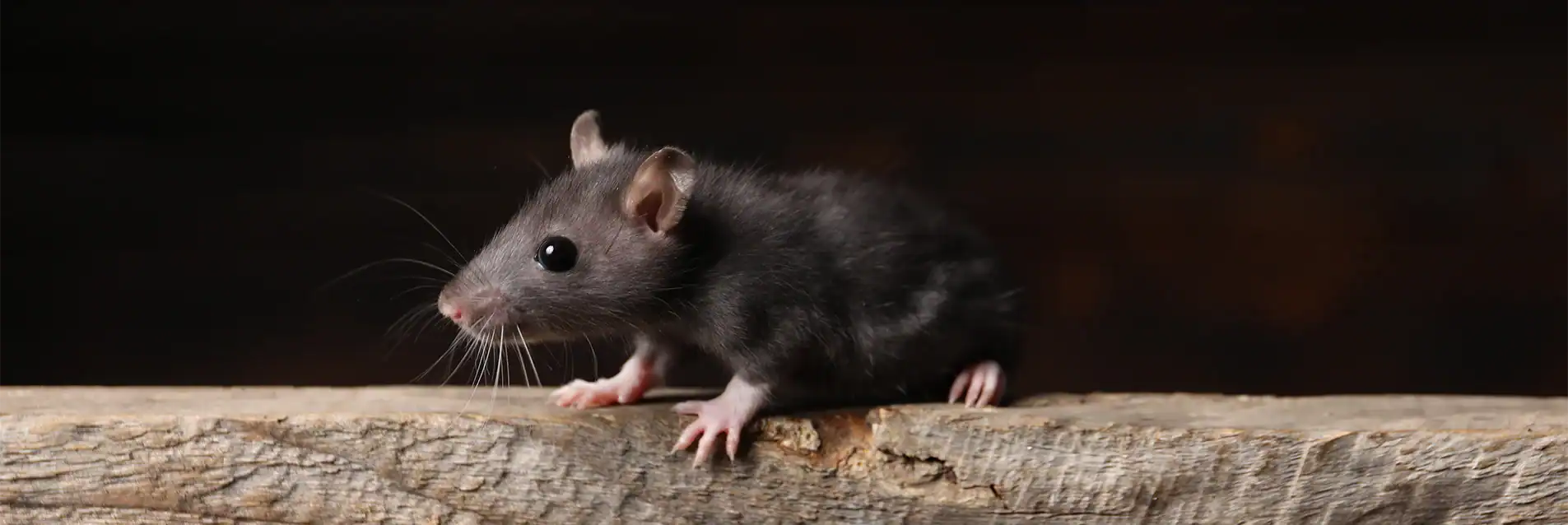
Nighttime scratching in an attic almost always points to roof rats, which are the dominant rodent species throughout the Tampa Bay area and Pasco County. Roof rats are nocturnal, so the activity you hear after dark is typically feeding, nesting, or movement between entry points. They’re agile climbers and they use tree branches, utility lines, and roofline overhangs as access routes — which is why homes along the Keystone-Odessa corridor with mature oak canopy overhead tend to see this problem more frequently than newer, less-treed properties.
One scratching sound doesn’t mean one rat. A roof rat family group in a Florida attic typically ranges from 5 to 15 individuals, and Florida’s subtropical climate means they breed year-round without the winter slowdown that suppresses populations in northern states. If you’ve been hearing it for more than a few nights, there’s likely an established group — not a single animal that wandered in. The sooner that’s addressed, the less remediation you’re looking at on the back end.
Rodenticide bait poses a real secondary poisoning risk to household pets. When a rat or mouse ingests bait and dies, the toxic compound remains active in the animal’s body. A dog or cat that finds and eats that rodent — or even mouths it — can be exposed to the same anticoagulant or neurotoxic compound. This is well-documented and it’s one of the primary reasons we use mechanical traps rather than bait stations for residential rodent control in Odessa, FL.
There’s also a separate problem with bait that most homeowners don’t think about until it happens: a poisoned rodent often retreats into a wall cavity or deep into the attic insulation before dying. In Odessa’s heat, that carcass creates an odor problem that can last weeks and is extremely difficult to locate and remove. Mechanical trapping keeps the process clean, controlled, and safe — for your pets, your family, and your home.
Roof rats can squeeze through a gap roughly the size of a quarter. Mice need even less — a hole about the size of a dime is enough. Common entry points in Odessa homes include damaged or aging soffit panels, roof vents with deteriorated screens, gaps around utility line penetrations, and the space where the roofline meets the fascia board. Homes in the Keystone-Odessa corridor that were built in the 1980s and 1990s often have aging exterior components that create more of these vulnerabilities than newer construction.
One entry point that frequently gets missed — especially in Odessa’s higher-income neighborhoods — is beneath rooftop solar panels. The enclosed, shaded space under a solar array creates a sheltered runway that roof rats use to travel along the roofline and access nearby vents and soffits. If your home has solar panels and you’re hearing attic activity, that’s one of the first places worth inspecting. A thorough entry-point assessment covers the full exterior envelope, including elevated and hard-to-access areas where these gaps are most commonly found.
In most cases, yes — and the reason matters more than people realize. Rodent urine and droppings don’t just sit inertly in your attic insulation. Over time, they soak into the material and break down. In Odessa specifically, attic temperatures during summer months can exceed 130°F. At those temperatures, contaminated insulation off-gasses, and your HVAC system pulls that air directly into your living space. That’s a documented health risk associated with rodent waste, including exposure to pathogens like hantavirus and leptospirosis.
Beyond the air quality issue, rodent urine also leaves chemical scent markers — pheromone trails that signal to other rodents that a space is safe and occupied. Even after every animal is removed, those trails remain active in untreated insulation. A home that hasn’t been sanitized after a rodent infestation is still broadcasting an open invitation. Attic decontamination removes the contaminated material, eliminates those scent markers, and closes the loop on the infestation rather than just pausing it.
For most residential rodent removal jobs in Florida, the range runs roughly $200 to $700 depending on the size of the infestation, the accessibility of affected areas, and what the inspection reveals. Attic decontamination, when needed, typically adds another $600 to $1,000. Those numbers can feel significant — until you factor in what deferred treatment costs. Chewed electrical wiring, damaged HVAC components, and insulation replacement in a larger Odessa home can run well into the thousands, and those are the outcomes that follow an infestation that was ignored through one or two breeding cycles.
We handle most quotes over the phone, which means you don’t have to schedule an in-home sales appointment just to get a ballpark number. For a busy household in Starkey Ranch or along the Gunn Highway corridor, that’s a practical difference. You call, you get a real person, and you get a real answer — not a form submission and a two-day wait.
Discounts are available for new homeowners and military families. Odessa has seen significant growth from families relocating — both from out of state and from the broader Tampa metro area — many of whom are setting up their first Florida home and don’t yet have a trusted local pest control relationship. New homeowners moving into Starkey Ranch or Asturia are often encountering Florida’s wildlife pressure for the first time, and having a reliable local contact from day one makes a real difference in how quickly problems get caught and handled.
Military families in the area benefit from the same discount. The intent is straightforward: if you’re new to the area or you’ve served, you shouldn’t have to pay full price to establish a relationship with a local pest control provider you can actually count on. If you’re not sure whether you qualify or what the current discount looks like, the fastest way to find out is to call — and as with everything else, a real person will pick up.