
Fast, reliable pest control from Hernando County’s most trusted family-owned team—with most quotes given over the phone.
Contact Info
Fast, reliable pest control from Hernando County’s most trusted family-owned team—with most quotes given over the phone.
Contact Info
Fire ants and venomous spiders don't wait for business hours. Learn how to identify Florida's most common nuisance pests and when to call for help.
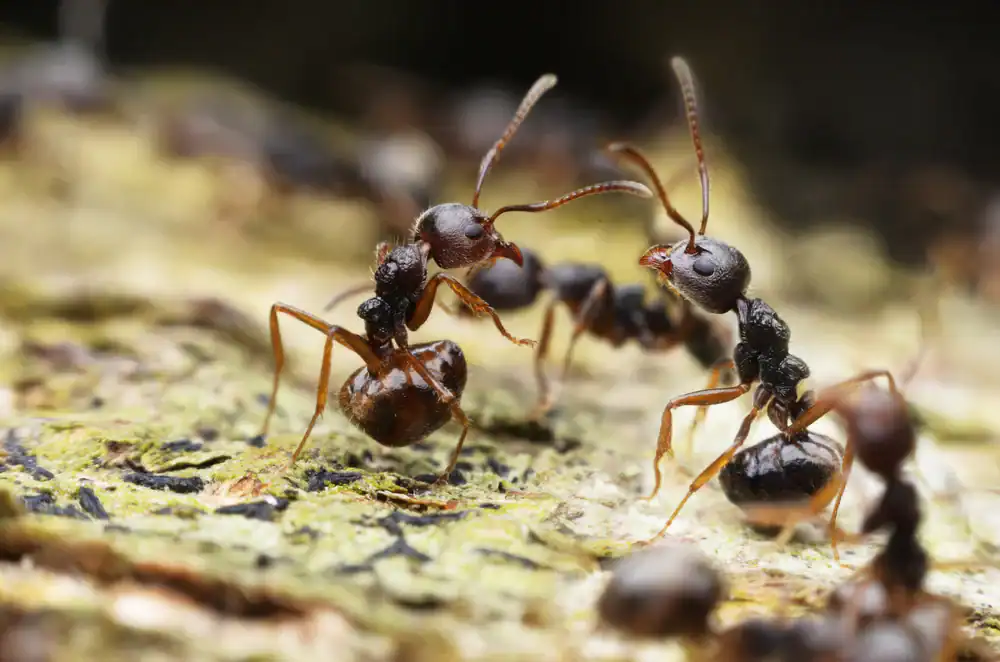
You stepped outside to water the plants and now your ankle’s on fire. Or you opened the pantry and saw a trail of tiny ants marching toward the sugar bowl. Maybe you spotted a spider with a red marking in the garage and now you’re wondering if your kids are safe.
Florida’s pest problems don’t wait for convenient timing. Between aggressive fire ants that swarm when disturbed and widow spiders hiding in dark corners, fast action matters. Professional ant control services can eliminate colonies at the source, while expert spider control services target webs, nesting areas, and entry points to keep your home protected.
Here’s what you should know about the ants and spiders causing problems in Pasco and Hernando County homes, and what actually works to get rid of them. Identifying the species, treating the infestation properly, and preventing re-entry are the keys to long-term protection.
Not all ants are the same. What works for sugar ants won’t touch a fire ant colony, and treating the wrong species wastes your time and money.
In Pasco and Hernando Counties, you’re most likely dealing with one of three types: sugar ants (usually ghost ants), fire ants, or carpenter ants. Ghost ants are tiny, nearly transparent, and show up in kitchens and bathrooms looking for sweets and moisture. Fire ants build mounds in your yard and deliver painful stings when disturbed. Carpenter ants tunnel through wood, often going unnoticed until the damage is done.
The first step in ant control is knowing what you’re up against. Once you identify the species, you can choose a treatment that targets the colony at its source instead of just killing the ants you see on the surface.
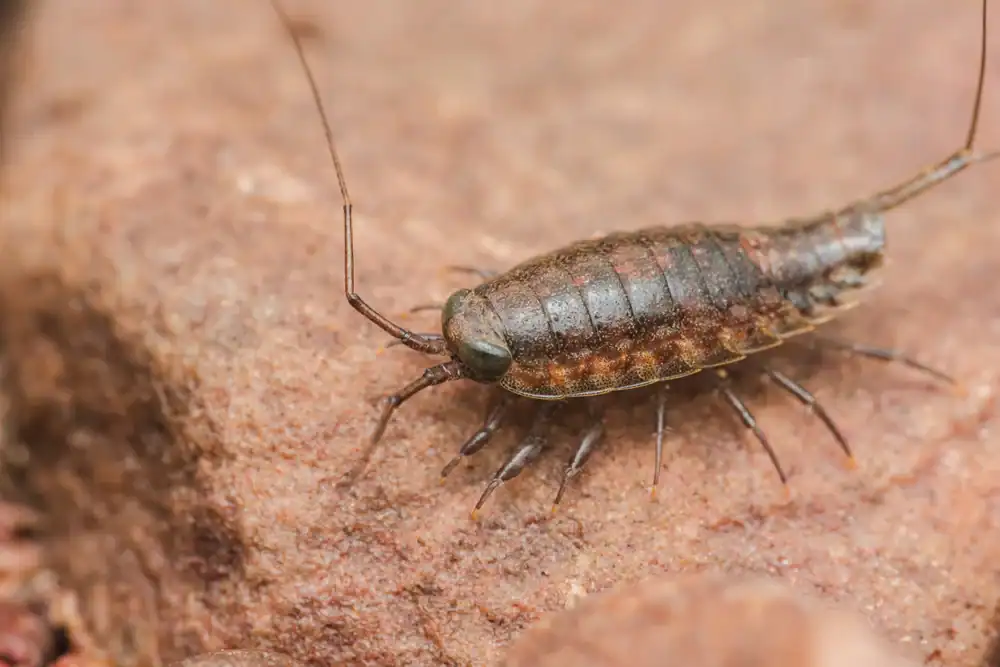
Sugar ants and fire ants behave completely differently, which is why the same treatment won’t work for both.
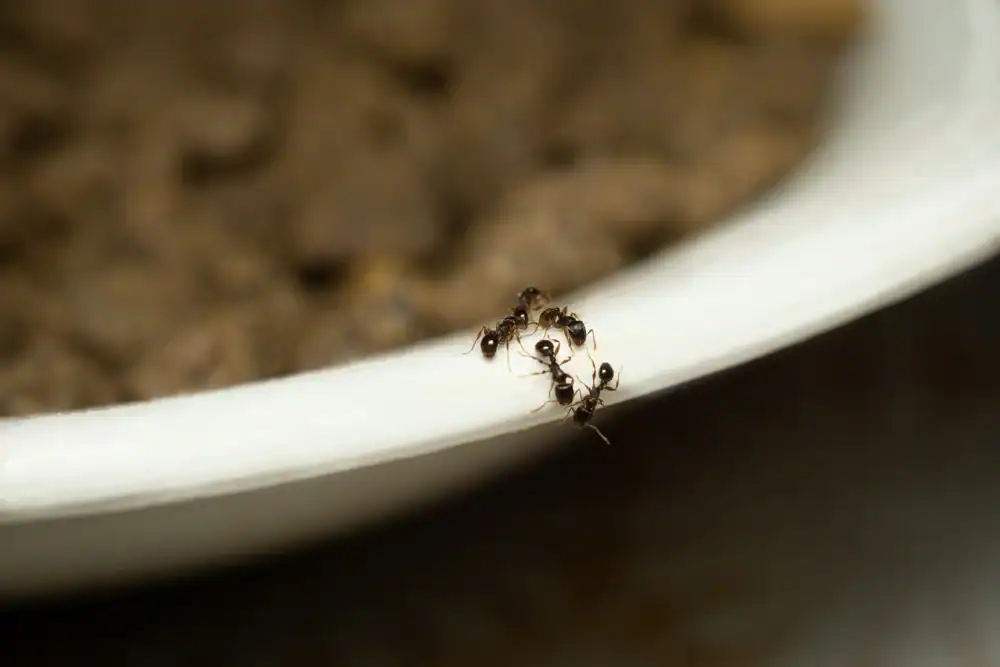
Sugar ants in Florida—usually ghost ants or pharaoh ants—are tiny, often pale or light brown, and they’re drawn to anything sweet. You’ll find them trailing along countertops, inside cabinets, or near leaky pipes. They don’t bite or sting, but they contaminate food and multiply fast. Their colonies are hidden inside walls, under baseboards, or in other tight spaces, which makes them tricky to eliminate without a sugar ant exterminator who knows where to look.
Fire ants, on the other hand, are reddish-brown and live outdoors in dome-shaped mounds with no visible opening on top. They’re aggressive. Disturb a mound and hundreds of ants will swarm out and sting repeatedly, injecting venom that burns and leaves itchy welts. Kids and pets are especially at risk because they don’t always recognize the danger before stepping too close.
Fire ants also eat more than just sweets. They’ll go after proteins, grease, pet food, and even small insects. That’s why you might see them near garbage cans, grills, or dog bowls left outside.
If you’re seeing ants indoors on your counters, you’re likely dealing with sugar ants. If you’re seeing mounds in the yard or getting stung while mowing the lawn, it’s fire ants. The treatment strategy changes depending on which one you’re facing, and using the wrong method just gives the colony time to grow.
Fire ants don’t respond to the same treatments that work indoors for sugar ants. Their colonies are massive, often containing multiple queens, and they can relocate if you only treat part of the problem.
The most effective fire ant yard treatment combines two approaches: broadcast baiting and targeted mound treatments. Broadcast baiting means spreading bait across your entire yard, not just near the mounds you can see. Worker ants pick up the bait and carry it back to the colony, where it eventually reaches the queen. If the queen dies, the colony collapses. This method takes time—usually a few weeks—but it targets the whole colony instead of just the ants on the surface.
Mound treatments work faster but only kill part of the colony. You apply insecticide directly to the mound, which kills the ants living near the surface. The problem is that fire ant colonies often have deep tunnels, and if the queen is deeper underground or if there are multiple queens, the colony survives and rebuilds.
Timing also matters. Fire ants are most active in the early morning and late afternoon when temperatures are cooler. Treating mounds during these times increases the chance that worker ants will come into contact with the treatment. After rain, mounds become more visible, which makes it easier to locate and treat them.
Some people try DIY methods like pouring boiling water on mounds or using home remedies, but these usually just scatter the colony. The ants relocate to another part of the yard, and the problem continues. For long-term control in Pasco County, especially if you have kids or pets who play outside, professional fire ant yard treatment is the most reliable option. It addresses both the visible mounds and the hidden colonies you haven’t spotted yet.
Want live answers?
Connect with a Around The Clock Pest Service expert for fast, friendly support.
Most spiders in Florida are harmless. They eat bugs, stay out of your way, and don’t cause problems. But a few species have venom strong enough to require medical attention if they bite.
The widow spiders—southern black widow, brown widow, and red widow—are the main concern in Hernando County and throughout Florida. All three have medically significant venom. That doesn’t mean every bite is life-threatening, but it does mean you should know how to recognize them and what to do if you find one in your home.
Widow spiders aren’t aggressive. They bite when they feel trapped or threatened, like when someone reaches into a box they’re hiding in or puts on a shoe they’ve crawled into. Knowing where they like to hide and what they look like can help you avoid accidental contact.

Widow spiders are easy to identify once you know what to look for. The southern black widow is the most dangerous of the three. Females have a shiny, jet-black body with a bright red hourglass shape on the underside of the abdomen. They’re about half an inch long, not counting the legs, and they build messy, irregular webs in dark, undisturbed areas like garages, sheds, woodpiles, and crawl spaces.
Brown widows are smaller and less dangerous, but their bites can still cause pain and discomfort. They’re tan to dark brown with an orange or yellow hourglass marking. One distinctive feature is their egg sacs, which are spiky and look like tiny sea mines. You’ll find brown widows in similar spots as black widows—around outdoor furniture, under eaves, in storage areas, and near foundations.
Red widows are less common and mostly found in central and southern Florida. They have a red-orange thorax, black abdomen with yellow rings, and long red legs. They don’t have the hourglass marking, but their coloring makes them stand out.
All three species prefer quiet, sheltered spots where they won’t be disturbed. They’re not interested in biting people—they’d rather avoid you entirely. But if you’re moving boxes, cleaning out a shed, or reaching into a dark corner, you might accidentally make contact. That’s when bites happen.
If you see a widow spider in your home, don’t try to handle it yourself. Keep kids and pets away from the area and call for professional spider removal service. We can safely remove the spider, check for others, and treat areas where they’re likely to return.
Not every spider sighting is an emergency, but some situations require immediate attention. If you’ve been bitten by a spider and you’re experiencing severe pain, muscle cramps, nausea, difficulty breathing, or spreading redness, seek medical help right away. These are signs of a serious reaction, especially if the spider was a black widow.
If you find a widow spider in a high-traffic area of your home—like a bedroom, bathroom, or play area—that’s also a situation where you want fast response. The risk of accidental contact is too high, especially if you have young children or pets who might not recognize the danger.
Even if you haven’t been bitten, finding multiple spiders or discovering an egg sac means there’s likely a larger problem. Widow spiders can produce hundreds of eggs, and once those eggs hatch, you’ll have a full infestation on your hands. Catching the problem early makes treatment faster and less invasive.
Some pest control companies only offer business-hour service, which doesn’t help if you discover a black widow in your child’s bedroom at 9 PM on a Saturday. That’s where 24/7 emergency response becomes critical. You shouldn’t have to wait until Monday morning to protect your family.
Florida spider identification is also important because not every dark spider is dangerous. Many harmless species get mistaken for widows, and killing beneficial spiders that eat mosquitoes and flies doesn’t help anyone. We can tell the difference and focus treatment on the actual threats.
If you’re dealing with widow spiders, brown recluses (which are rare in Florida but occasionally show up), or any spider you can’t identify, calling for professional spider removal service in Hernando County gives you peace of mind. You’ll know the job’s done right, the spiders won’t come back, and your family is safe.
Ants and spiders are part of life in Florida, but that doesn’t mean you have to live with them inside your home or worry about your kids getting stung in the yard.
The key is knowing what you’re dealing with, acting fast when you spot a problem, and using treatments that target the source instead of just the symptoms. Sugar ants need different strategies than fire ants. Venomous spiders require careful identification and safe removal. And both problems benefit from someone who answers when you call, shows up when they say they will, and treats your home like it’s their own.
If you’re tired of chasing ants around your kitchen or finding spiders in places they shouldn’t be, we’re here to help. You’ll work directly with the owner, get honest answers, and know exactly what to expect—no surprises, no runaround, just reliable service from people who care about keeping your family safe.
Summary:
Article details:
Share: