
Fast, reliable pest control from Hernando County’s most trusted family-owned team—with most quotes given over the phone.
Contact Info
Fast, reliable pest control from Hernando County’s most trusted family-owned team—with most quotes given over the phone.
Contact Info
Termite inspections in Florida protect your home from hidden damage. Discover the step-by-step process, what inspectors look for, how long it takes, and why annual checks save thousands.
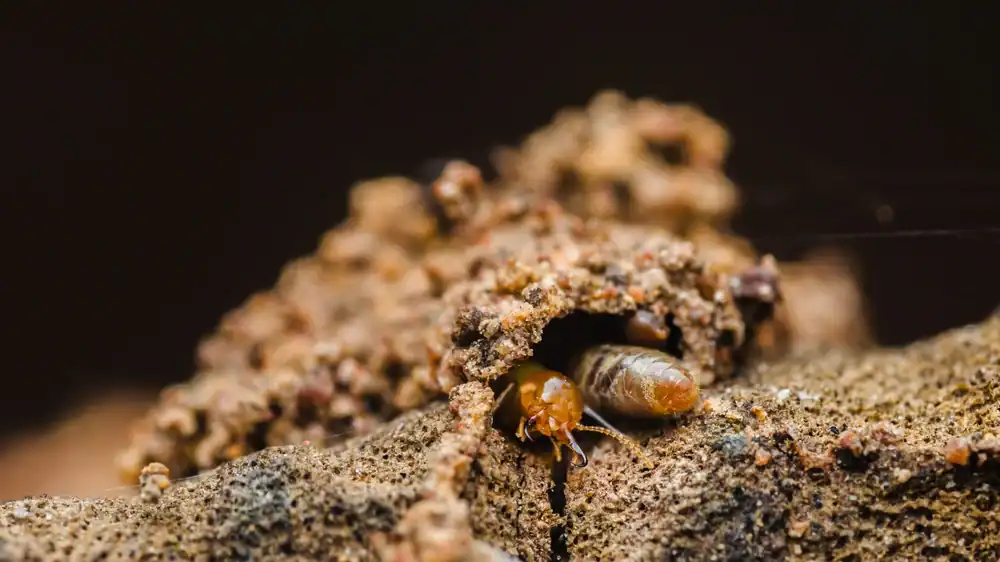
You know termites are a problem in Florida. But do you actually know what happens when a termite inspector shows up at your door?
Most homeowners in Pasco County, FL and Hernando County, FL don’t. And that uncertainty makes the whole process feel more stressful than it needs to be. Here’s the reality: a professional termite inspection isn’t invasive, doesn’t take all day, and delivers information that could save you thousands in repair costs. In Florida, where termites stay active 365 days a year and roughly one in five homes will experience termite damage, knowing what to expect during your annual inspection helps you stay ahead of problems before they turn into expensive disasters. Let’s walk through exactly what happens, what our inspectors are looking for, and how the process protects your biggest investment.
Florida isn’t just termite-friendly—it’s termite paradise. The warm, humid climate means these destructive pests never take a break. They’re feeding, breeding, and building colonies every single day, especially in areas like Spring Hill and surrounding Hernando and Pasco counties.
Here’s what catches most homeowners off guard: termites can actively feed on your home’s structure for three to five years before you notice any visible damage. By the time you spot the signs, repair bills start climbing fast. We’re talking thousands of dollars for structural work to fix beams, joists, and framing. And your homeowners insurance won’t cover a penny of it because termite damage is considered preventable.
Annual termite inspections catch infestations early. They give you a clear, honest picture of what’s happening inside your walls, under your floors, and around your foundation. In a state where there are roughly 13 termite colonies per acre and one in five homes will deal with termite damage at some point, that early warning system is worth every dollar.
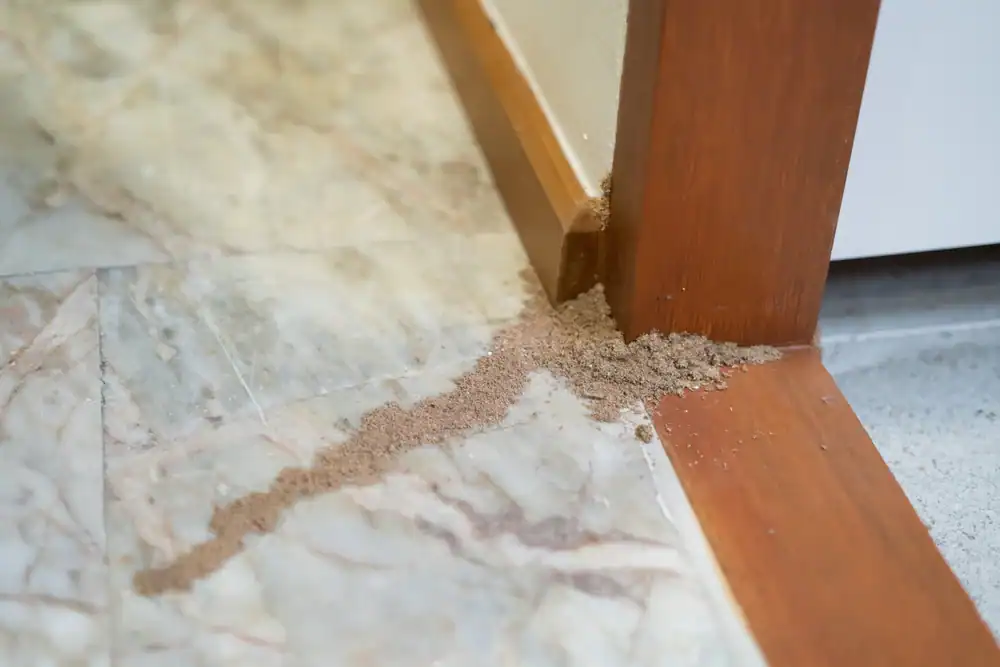
When our certified termite inspectors walk through your property in Pasco County, FL or Hernando County, FL, we’re not just glancing around hoping to spot something obvious. We’re trained to identify the subtle warning signs that most homeowners completely miss.
Mud tubes are one of the most common and visible indicators of termite activity. These pencil-width tunnels appear on foundations, walls, baseboards, and other surfaces where subterranean termites travel between their underground colony and your home’s wood. If you see mud tubes, you’ve got active termites working on your property right now. We also tap on wood throughout your home listening for a hollow sound. Termites eat wood from the inside out, leaving only a thin outer shell that sounds empty when tapped.
Discarded wings piled near windowsills, doors, or light fixtures are another major red flag. After termites swarm to start new colonies, they shed their wings in small piles. If you’re seeing wings, it means termites are establishing themselves nearby—or already inside. Frass is termite droppings that look like tiny wood-colored pellets or fine sawdust. This is a telltale sign of drywood termite activity. You’ll often find frass in small piles near infested wood or on windowsills below damaged areas.
Other warning signs include blistered or bubbling paint on walls, tight-fitting doors and windows that suddenly stick, buckling or sagging floors, and visible cracks in wood or drywall. All of these can point to moisture from termite feeding or structural damage happening underneath surfaces you can see.
We use specialized tools like moisture meters to detect elevated moisture levels that attract termites. We use probes to check wood for soft spots or hidden galleries. Infrared cameras can sometimes reveal temperature differences caused by termite activity behind walls. These aren’t wild guesses or hunches. We’re looking for specific, measurable evidence that termites are present or that the conditions in your home are perfect for an infestation to start.
Florida is home to several termite species, and each one behaves differently, which is why local expertise matters. Subterranean termites are the most common type in Pasco and Hernando counties. They live in underground colonies and need moisture to survive, so they build those mud tubes to reach wood above ground. Drywood termites don’t need any soil contact at all. They infest wood directly and can live inside attic beams, door frames, or furniture, making them much harder to detect until significant damage has already occurred. Formosan termites are especially aggressive and can cause serious structural destruction in a surprisingly short amount of time.
We know exactly what to look for based on the types of termites active in your specific area. That’s why working with someone who understands Florida’s unique pest pressures and local termite behavior matters so much. It’s not a cookie-cutter, one-size-fits-all process. It’s targeted, informed, and based on years of experience dealing with the exact conditions your home faces.
Most professional termite inspections take between 30 minutes and one hour for an average-sized home in Hernando County, FL or Pasco County, FL. Larger properties, homes with multiple levels, crawl spaces, attics, or complex layouts may take a bit longer. We’re not rushing through your home. We’re being thorough and methodical because missing something could cost you thousands later.
You don’t need to deep-clean every room or move all your furniture before we arrive. But giving us clear access to key areas makes the inspection process smoother and more comprehensive. That means clearing out items stored under sinks in kitchens, bathrooms, and utility rooms so we can check plumbing penetrations and the wood around pipes. Make sure attics and crawl spaces are accessible by removing boxes or items blocking entry points. Move anything that’s sitting against your foundation or exterior walls so we can examine those areas closely.
The inspection itself is primarily visual, but we’ll tap on wood to listen for hollow sounds, probe suspicious areas to check for soft spots, and use tools to measure moisture levels in wood and around the foundation. We’re not tearing into your walls, ripping up floors, or causing any damage to your home. We’re carefully examining what’s accessible and noting anything that raises concern or warrants further attention.
After the inspection is complete, you’ll receive a detailed written report. This document outlines exactly what was found, where it was found, and what—if anything—needs to be done next. If termites are present, the report will clearly explain the type of termite, the extent and severity of the infestation, the areas affected, and the recommended treatment options. If your property is clear of termites, you’ll have official documentation proving that, which is especially valuable if you’re buying, selling, or refinancing your home.
Some termite inspections are actually required for real estate transactions in Florida. VA loans, for example, require a WDO (wood-destroying organism) inspection on most Florida homes before the loan can be approved. FHA loans often require WDO inspections in high-risk termite areas, which includes most of Florida. Even if a termite inspection isn’t technically required for your situation, it’s still a smart financial move. You’re protecting your investment and avoiding costly surprises that could derail a real estate deal or hit you with unexpected repair bills down the road.
The inspection report also serves as your roadmap for termite prevention going forward. If we note conditions that attract termites—like wood-to-soil contact, moisture problems around the foundation, poor ventilation in crawl spaces, or gutters draining too close to the house—you can address those issues before termites ever move in. It’s a proactive approach, not a reactive scramble after damage has already been done.
Want live answers?
Connect with a Around The Clock Pest Service expert for fast, friendly support.
Understanding exactly what happens during a termite inspection helps you know what to expect and why each step matters. The process isn’t complicated, but it is detailed and systematic. Here’s how our professional termite inspections typically unfold from start to finish.
We start with a complete exterior inspection. We walk the entire perimeter of your home, carefully checking the foundation, siding, eaves, fascia, and any wooden structures like decks, porches, fences, sheds, or lattice work. We’re looking for mud tubes, soft spots in wood, visible cracks in the foundation, and any signs of moisture damage or wood decay. Areas where wood makes direct contact with soil get extra attention because that’s a primary entry point for subterranean termites.
From the exterior, we move inside your home. Common focus areas include basements, crawl spaces, attics, garages, and any rooms with plumbing like kitchens, bathrooms, and laundry rooms. These areas get priority because moisture from pipes, leaks, and poor ventilation creates the perfect environment for termites to thrive. We check baseboards, window frames, door frames, cabinets, exposed beams, floor joists, and any visible wood throughout your home.
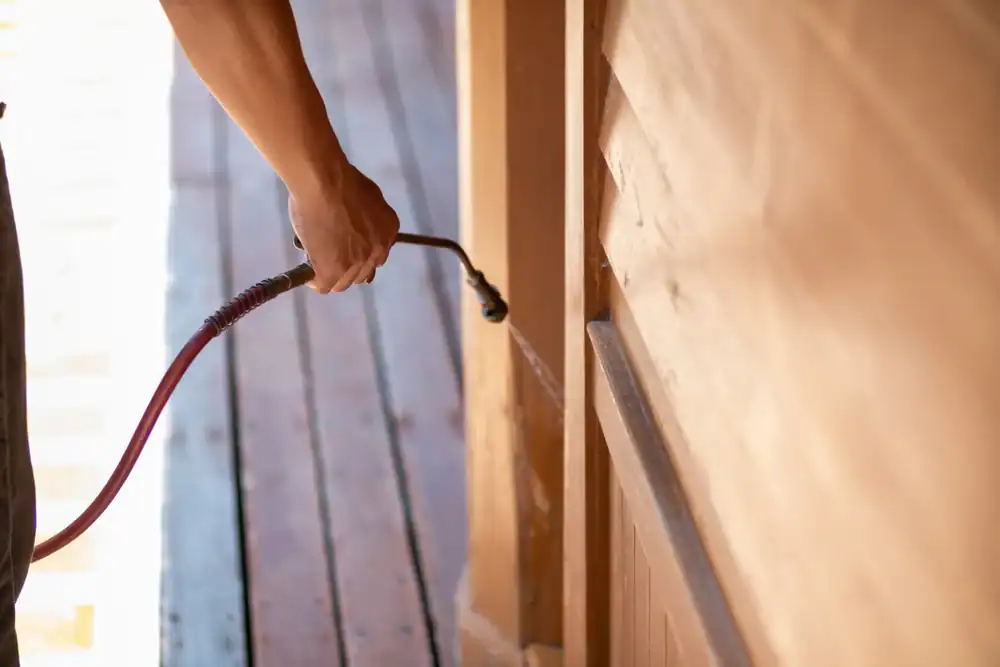
Discovering termites during your annual inspection isn’t the worst-case scenario—it’s actually the best possible outcome because you caught the problem before the damage became severe and expensive. Early detection is everything when it comes to termite control.
If termites are present in your Pasco County, FL or Hernando County, FL home, we’ll clearly explain the type of termite species involved, the severity and extent of the infestation, the specific areas affected, and all available treatment options. Different termite species require different treatment approaches, which is why proper identification matters so much.
Subterranean termites, which are the most common type in Florida, usually require either liquid barrier treatments or baiting systems. Liquid termite treatments create a continuous protective chemical barrier around the perimeter of your home that termites cannot cross. When termites come into contact with the treated soil, they die, and the barrier prevents new termites from entering. Baiting systems work differently by attracting termites to monitoring stations placed around your property. These stations contain slow-acting poison that termites carry back to their colony, eventually eliminating the entire nest at the source.
Drywood termites may need localized spot treatments if the infestation is confined to a specific area like a single beam or door frame. For widespread drywood termite infestations, fumigation may be necessary. Fumigation involves tenting your entire home and using specialized gas to penetrate all wood and eliminate termites throughout the structure. It’s the most thorough treatment option available, but it also requires you and your family to leave the home for a few days while the process is completed.
We’ll walk you through the pros and cons of each treatment method in detail. We’ll explain how long each treatment takes, what the process involves, what it costs, what kind of preparation is needed, and what follow-up monitoring or re-treatment might be necessary. The goal is to give you all the information you need to make an informed decision that fits your specific situation, your budget, and your timeline.
We offer warranties and annual termite protection plans. These programs include regular termite inspections, ongoing monitoring, and re-treatment if termites return within the coverage period. It’s ongoing protection and peace of mind, not just a one-time fix. If you’re living in a high-risk termite area like Pasco or Hernando County, that kind of long-term coverage can save you significant money and stress over the years.
Repairs may also be necessary depending on how much structural damage the termites have caused. Minor cosmetic damage—like surface scarring on baseboards, bubbling paint, or small holes—can typically be repaired for a few hundred dollars. Structural damage to load-bearing beams, floor joists, wall studs, or framing can run into the thousands or even tens of thousands of dollars depending on severity. The longer termites go undetected and untreated, the more extensive and expensive the repairs become. That’s exactly why annual termite inspections matter so much in Florida. They catch problems early when treatment is simpler, faster, and much more affordable.
Preparing your home for a termite inspection doesn’t require hours of cleaning or major effort. It’s really about providing clear access to the key areas we need to examine. The easier it is for us to reach crawl spaces, attics, plumbing areas, and the foundation, the more thorough and accurate your inspection will be.
Start by clearing out items stored under sinks in your kitchen, bathrooms, and utility rooms. We need to check plumbing penetrations through the slab and examine the wood around pipes because these are common entry points for subterranean termites. Move cleaning supplies, trash cans, boxes, or anything else that blocks access to the back and sides of the cabinets so we can see and probe the wood clearly.
If your home has a crawl space or attic, make sure we can easily get inside. Remove any boxes, storage items, or debris blocking the entrance. You don’t need to go in and clean it out yourself, but the opening should be clear and accessible. The same preparation applies to your garage. Move stored items, tools, and boxes away from the walls so we can examine the foundation, baseboards, and expansion joints without obstruction.
Outside your home, trim back any shrubs, plants, mulch, or landscaping that’s touching the exterior walls or siding. We need a clear, unobstructed view of your foundation and the lower portions of your siding to spot mud tubes, cracks, or moisture damage. If you have firewood, lumber, or construction materials stacked against the house, move them at least six feet away. Firewood and stacked wood are termite magnets, and keeping them close to your home is like leaving the front door wide open for pests.
Check your gutters and downspouts before the inspection. If they’re clogged with leaves and debris or draining too close to your foundation, fix those issues. Standing water, poor drainage, and moisture problems around the foundation create exactly the conditions termites love most. We’ll note these conducive conditions during the visit, but addressing them ahead of time shows you’re serious about termite prevention and protecting your investment.
You don’t need to be home during the termite inspection, but it definitely helps if you can be there. If you’re present, you can ask questions in real time, get immediate explanations about what we’re seeing, and understand exactly which areas of your home need attention or monitoring. We’re happy to walk you through our findings, point out specific areas of concern, and explain what you’re looking at. It’s your home and your investment. You absolutely should know what’s happening and why it matters.
Termite inspections aren’t a one-time task you check off and forget about. In Florida, where termites are active year-round and there are roughly 13 colonies per acre, annual inspections are your best line of defense against costly structural damage. They provide early detection, clear documentation for real estate transactions, and genuine peace of mind that your home is protected.
If you own a home in Pasco County, FL or Hernando County, FL, you’re living in an area where termites are a constant, year-round threat. Regular annual termite inspections help you stay ahead of infestations, catch problems before they spread throughout your home, and avoid repair costs that can easily climb into the tens of thousands of dollars. We provide state-certified termite inspections and WDO inspections with fast, personal service and direct access to the owner—no call centers, no runarounds, just honest communication and reliable protection you can count on.
Summary:
Article details:
Share: