
Fast, reliable pest control from Hernando County’s most trusted family-owned team—with most quotes given over the phone.
Contact Info
Fast, reliable pest control from Hernando County’s most trusted family-owned team—with most quotes given over the phone.
Contact Info
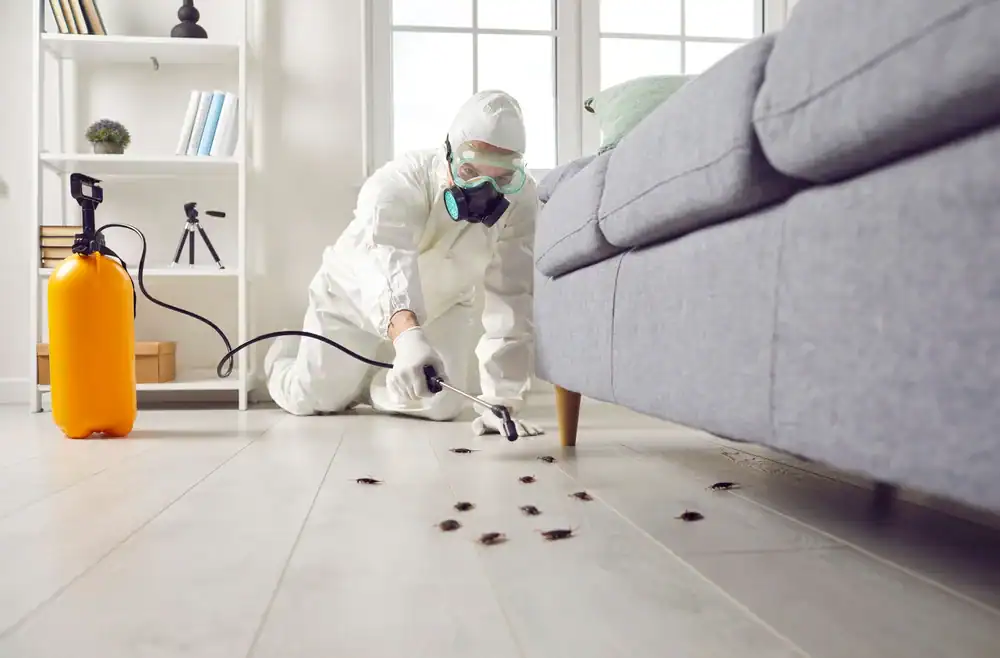
Your home is probably your biggest investment. And right now, there’s a good chance termites are sizing it up.
Florida’s warm, humid climate doesn’t just attract retirees and tourists—it creates perfect conditions for termites to thrive year-round. While homeowners up north get a break when temperatures drop, Florida termites stay active 365 days a year. They don’t need much to get inside, either. Just a crack 1/32nd of an inch wide.
The real problem? By the time you notice something’s wrong, they’ve usually been feeding on your home for years. This isn’t about scaring you—it’s about making sure you know what you’re up against and what you can actually do about it.
Florida ranks among the worst states in the country for termite infestations, and Hernando County is no exception. The reason comes down to three things: heat, humidity, and wood.
Termites need moisture to survive. Florida’s subtropical climate delivers that in abundance, especially during the rainy season from May through October. Combine that with year-round warm temperatures, and you’ve created a termite paradise. There’s no winter freeze to slow them down or force them into dormancy like in northern states.
Then there’s the density. Research shows Florida has approximately 13 subterranean termite colonies per acre. That means your property is surrounded. The question isn’t whether termites will try to get in—it’s when.
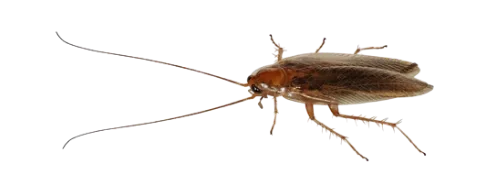
Subterranean termites are responsible for the majority of termite damage in Florida. These termites live in underground colonies that can contain millions of individuals. They travel from their nests in the soil to your home through mud tubes—narrow tunnels made from dirt, saliva, and feces that protect them from predators and keep moisture in.
You’ll typically find these mud tubes along your foundation, crawl spaces, or anywhere wood meets soil. They’re about the width of a pencil and often the first visible sign of a problem. But here’s the catch: just because you don’t see mud tubes doesn’t mean you’re in the clear. Subterranean termites are experts at staying hidden.
The Eastern subterranean termite is the most common species in Hernando County, but two invasive species are spreading fast. Formosan subterranean termites and Asian subterranean termites are both more aggressive than native species. University of Florida research published in early 2026 shows these invasive species are expanding their range faster than scientists predicted. Formosan termites are now established in most of Florida’s coastal counties and major urban centers, including the Tampa Bay area. The Asian subterranean termite has been confirmed as far north as Hillsborough County on the Gulf Coast.
What makes Formosan termites particularly dangerous is their appetite. A mature Formosan colony can consume over a pound of wood per day. They’ve earned the nickname “super termites” for good reason. They can also build aerial nests called cartons above ground, often on flat roofs, which means they don’t always need soil contact to establish a colony in your home.
Peak swarming season for subterranean termites in Florida runs from January through May, though swarms can occur year-round. During swarming, winged reproductives leave mature colonies to start new ones. If you see swarmers inside your home or find piles of discarded wings near windows and doors, that’s a red flag that a colony is nearby—possibly inside your walls.
While subterranean termites cause the most widespread damage, drywood termites are also a concern in Florida. Unlike their subterranean cousins, drywood termites don’t need contact with soil. They live entirely within the wood they’re eating, which makes them harder to detect until significant damage has occurred.
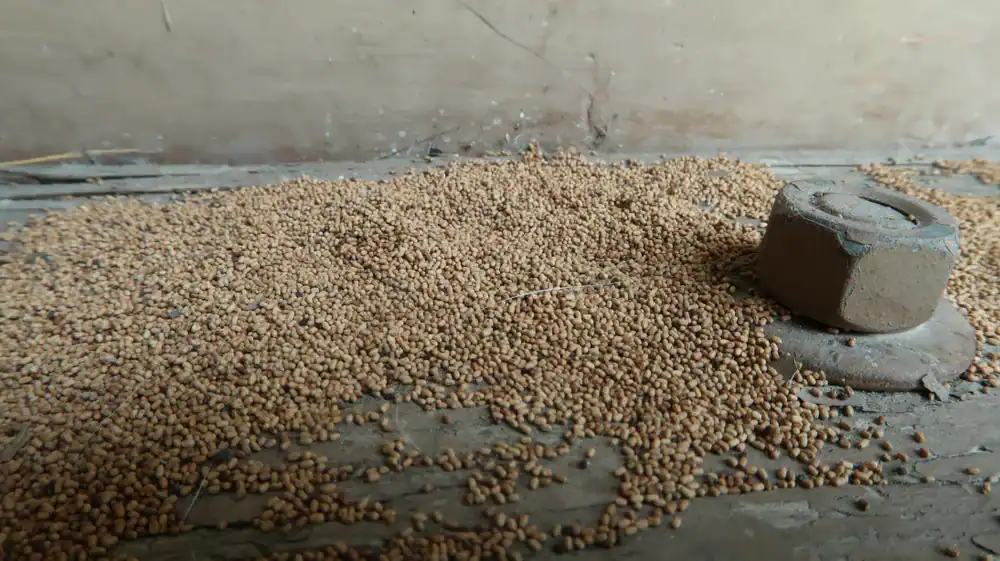
Drywood termites typically infest attics, wall voids, and wooden furniture. They’re more common in older structures and areas with aged wooden components. One of the telltale signs of drywood termites is frass—small, pellet-like droppings that resemble sawdust or coffee grounds. Drywood termites push this waste out of their galleries through tiny kick-out holes, and you’ll often find small piles of frass beneath infested wood.
The West Indian drywood termite is the primary drywood species in Florida. They swarm between April and June, usually at night. Their colonies are much smaller than subterranean colonies—typically just a few thousand individuals—but multiple colonies can infest a single piece of wood, causing substantial damage over time.
Florida is also home to dampwood termites, though they’re less of a structural threat. These larger termites require high moisture levels to survive and typically only infest wood that’s already compromised by water damage or leaks. If you find dampwood termites in your home, it’s usually a sign of a moisture problem that needs addressing.
Then there’s the conehead termite, an aggressive invasive species that was discovered in South Florida. The Florida Department of Agriculture and Consumer Services has been running an eradication program, and the original infestation site in Dania has been clear for over a year. However, homeowners should still be aware of this species and report any sightings, as conehead termites can cause rapid, extensive damage.
Florida has 21 established termite species in total—the highest number in the continental United States. Most homeowners will primarily deal with subterranean and drywood species, but understanding the full scope of the threat helps you stay vigilant.
Want live answers?
Connect with a Around The Clock Pest Service expert for fast, friendly support.
Termites are called “silent destroyers” for a reason. They can feed on your home for three to five years before you notice any visible damage. By that point, repair costs can easily run into the thousands—sometimes tens of thousands—of dollars.
The key is catching them early. That means knowing what to look for and checking your property regularly. Most termite damage happens behind walls, under floors, and in crawl spaces where you don’t see it during your daily routine. But termites leave clues if you know where to look.
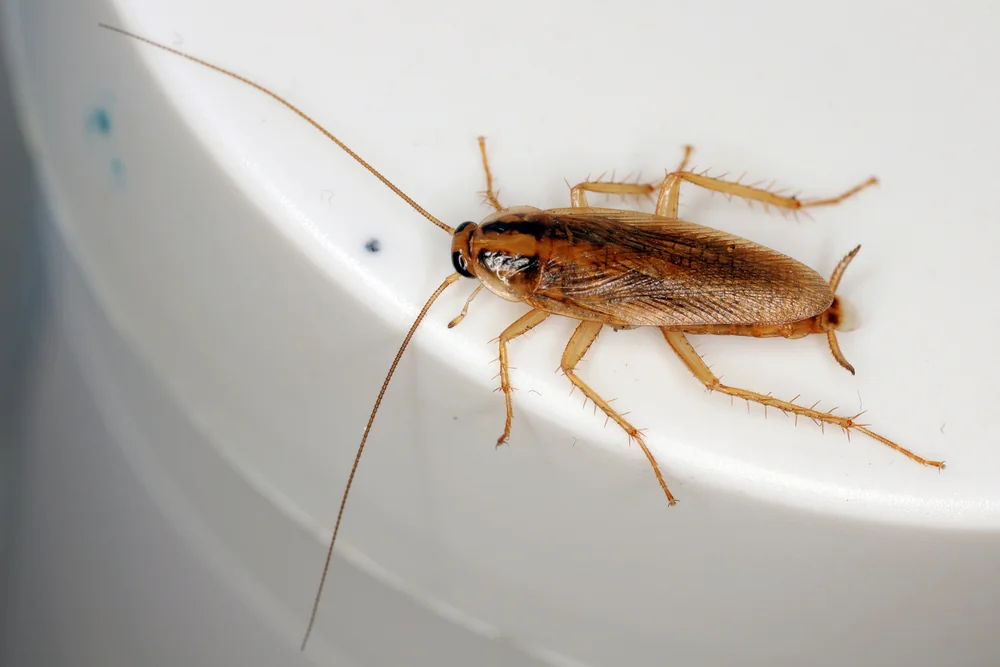
Start with your foundation. Walk around the exterior of your home and look for mud tubes running up from the ground to your siding or wooden components. These pencil-width tunnels are highways for subterranean termites. Even if a tube looks inactive or broken, don’t assume the problem is gone. Termites can build new tubes quickly, and an inactive tube might just mean they’ve found another route.
Next, check for swarmers or discarded wings. During swarming season, you might see winged termites emerging from the ground near your home or even inside. After they mate, swarmers shed their wings, leaving small piles that look like fish scales near windowsills, doors, or light fixtures. Finding discarded wings is often the first sign homeowners notice, and it means a mature colony is nearby.
Tap on wooden surfaces around your home—baseboards, door frames, window sills, and exposed beams. Healthy wood sounds solid. Termite-damaged wood sounds hollow because they eat from the inside out, leaving only a thin veneer. You can also use a screwdriver to gently probe suspect areas. If the wood feels soft or the screwdriver sinks in easily, that’s a problem.
Look for frass if you suspect drywood termites. These small, pellet-like droppings accumulate beneath infested wood. The color often matches the wood being eaten—light tan, brown, or darker depending on the wood type. Unlike sawdust, frass pellets are uniform in shape and size.
Pay attention to paint and drywall. Termite damage can cause paint to bubble or crack, similar to water damage. If you see areas that look slightly water-damaged but there’s no leak, termites might be the culprit. Wallpaper can also peel or show discoloration when termites are feeding behind it.
Check for sagging floors or stuck doors and windows. As termites eat away at subfloors, floor joists, and support beams, structural components weaken. Floors can start to sag, feel spongy, or develop a noticeable bounce. Doors and windows might suddenly become difficult to open or close because the framing has warped from moisture and termite damage.
Finally, trust your nose. Termite infestations can produce a musty, mold-like odor, especially in enclosed areas like attics and crawl spaces. If you smell something off and can’t identify the source, it’s worth investigating further.
Here’s the part that catches most homeowners off guard: your homeowners insurance almost certainly won’t cover termite damage. Insurance companies classify termite damage as preventable maintenance, not a sudden, accidental event. That means you’re on your own when it comes to repair costs.
And those costs add up fast. The average termite damage repair runs around $3,000, but that’s on the low end. If termites have been feeding on your home for years, you could be looking at $10,000 or more. Severe infestations that compromise major structural components—foundation timbers, primary beams, floor joists—can cost even more to repair properly.
Termites cause an estimated $1 billion to $7 billion in property damage annually across the United States. In Florida alone, homeowners spend over $500 million each year dealing with termite damage and treatment. The financial hit is real, and it’s one of the biggest reasons why prevention and early detection matter so much.
Consider what happens when termites target critical structural elements. They don’t just nibble on furniture or trim. They go after the wood that holds your house up—support beams, floor joists, wall studs, and foundation components. A one-foot section of a 2×4 stud can be compromised in just a few months. Significant structural weakening typically occurs within three to five years of infestation.
As termites hollow out these load-bearing members, you start seeing secondary problems. Floors sag or feel bouncy. Ceilings develop cracks or begin to bow. Doors and windows stick because the framing is no longer square. In extreme cases, you might see partial floor or ceiling collapse. Full structural collapse is rare, but localized failures—a sagging floor over a damaged beam, a collapsed porch, or a compromised deck—are well-documented.
The damage often resembles water damage, which can be confusing. Termite-damaged wood might appear swollen, blistered, or discolored. Paint bubbles. Drywall looks warped. But there’s no leak to fix. The moisture and decay come from the termites themselves and the fungal growth that often accompanies infestations.
Treatment costs are separate from repair costs, and both are necessary. Termite treatment in Florida typically ranges from $1,000 to $2,500 for initial service, depending on the size of your home and the treatment method used. Liquid barrier treatments, bait stations, and fumigation all have different price points. Annual monitoring and protection plans add another $200 to $400 per year, but that’s still far less than paying for major structural repairs.
The bottom line: an annual termite protection plan costs a fraction of what you’ll pay if termites go undetected for years. It’s not optional in Florida—it’s essential.
Termites are a fact of life in Florida, but that doesn’t mean you’re helpless. The homes that suffer the most damage are the ones where termites go undetected for years. Catching an infestation early—or better yet, preventing one in the first place—makes all the difference.
Start with annual inspections. A professional termite inspection identifies problem areas before they become expensive repairs. State-certified technicians know where to look and what signs matter. They can spot early activity that you’d miss, and they can recommend targeted treatments based on what they find.
Between inspections, stay vigilant. Walk your property regularly. Look for mud tubes, check for swarmers during peak season, and pay attention to changes in your home’s structure. Fix leaks promptly, manage moisture around your foundation, and eliminate wood-to-soil contact wherever possible. These simple steps reduce your risk significantly.
If you’re in Hernando or Pasco County and want straight answers about termite protection, we offer the kind of personal, transparent service that makes a difference. You’ll work directly with the owner, get most quotes over the phone, and have access to help 24/7—even on weekends. With over 100 five-star reviews and state-certified technicians, we’ve built our reputation on doing what we say and showing up when it matters.
Summary:
Article details:
Share: