
Fast, reliable pest control from Hernando County’s most trusted family-owned team—with most quotes given over the phone.
Contact Info
Fast, reliable pest control from Hernando County’s most trusted family-owned team—with most quotes given over the phone.
Contact Info
Florida's climate doesn't give pests a break—and that means your home needs protection every season. Here's what Spring Hill homeowners need to know about staying ahead of infestations.
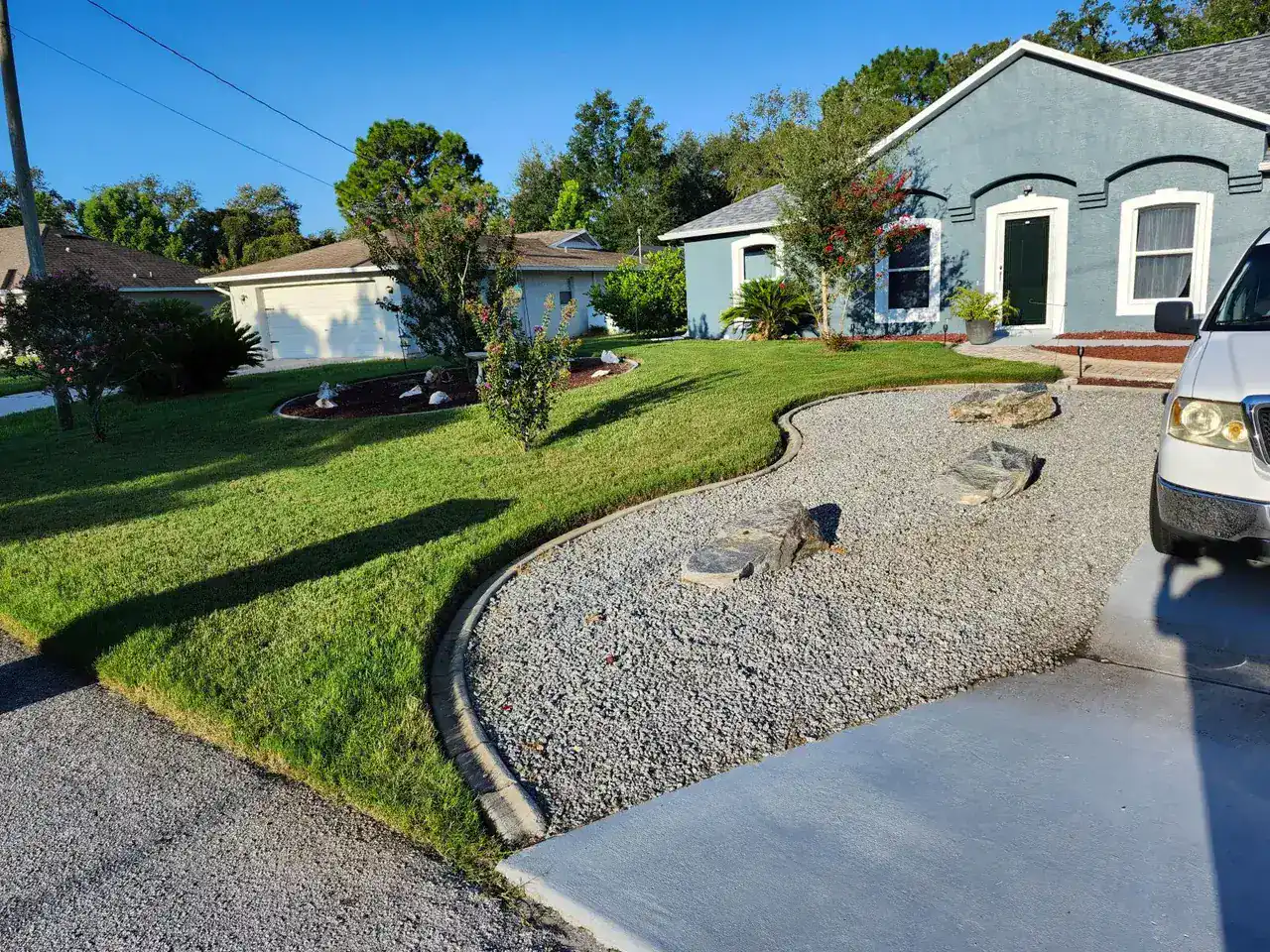
If you’ve lived in Florida for more than a few months, you already know the deal. The pests here don’t slow down when the weather cools. They don’t disappear in winter. They just keep coming.
Termites, roaches, ants, mosquitoes, rodents—they’re active in January just like they are in July. That’s because Florida’s climate doesn’t give them a reason to stop. High humidity, warm temperatures, and frequent rain create conditions where pests breed, feed, and multiply without interruption.
For homeowners in Spring Hill, Hernando County, and Pasco County, that means pest control isn’t something you handle once and forget about. It’s ongoing. Professional pest control services focus on year-round monitoring, targeted treatments, and preventative strategies designed specifically for Florida’s climate.
And if you’re serious about protecting your home and your family, understanding how seasonal pest management actually works here is where it starts.
Most people moving to Florida from northern states expect pest control to work the same way it did back home. Spray in spring, maybe again in summer, and you’re good until next year. That’s not how it works here.
Florida’s subtropical climate means pests stay active 12 months a year. There’s no hard freeze to kill off mosquito larvae. No extended cold snap to send termites into dormancy. Winter temperatures in Hernando County rarely drop low enough to slow down roach activity or stop ants from foraging.
Add in the humidity—especially during the rainy season from June through October—and you’ve got the perfect breeding ground. Moisture supports pest populations by keeping their habitats damp and their food sources abundant. That’s why you’ll see sudden waves of ants after a rainstorm or flying termites on humid evenings. The climate here isn’t just pest-friendly. It’s pest-perfect.
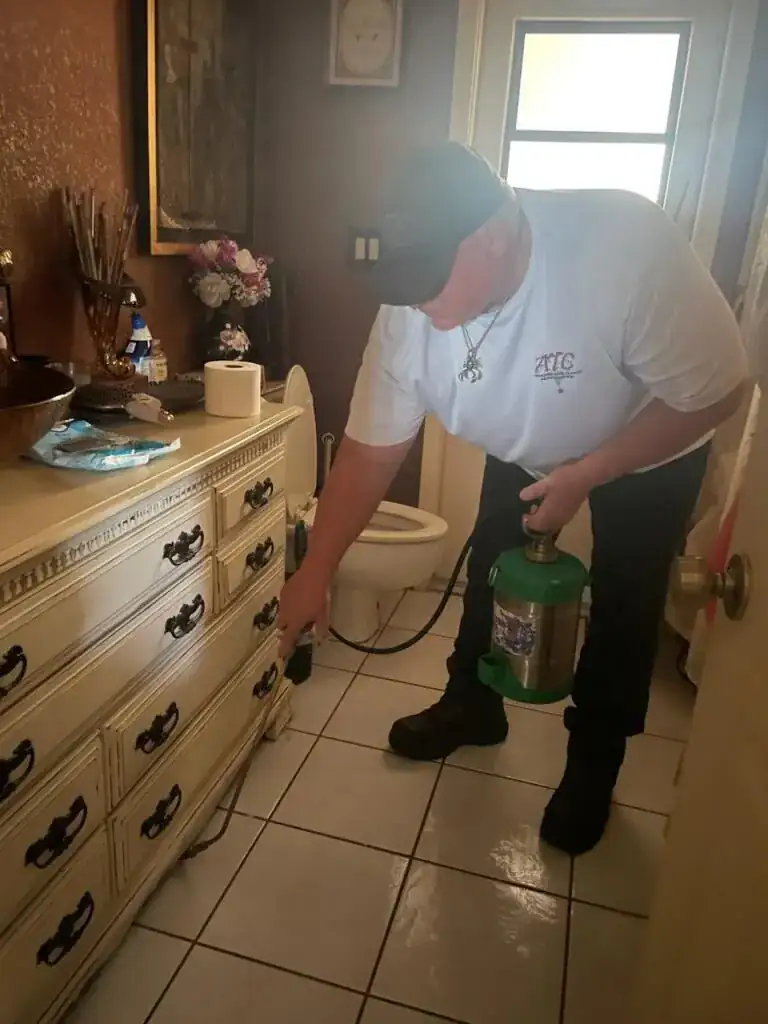
Humidity does more than make your hair frizz. It’s one of the main reasons Florida has such intense pest pressure compared to other states. High moisture levels allow insects to survive and reproduce faster. Termites need moisture to thrive, which is why subterranean termites are such a massive problem here. They live in damp soil and travel through mud tubes to reach the wood in your home.
Cockroaches love humidity too. Both American roaches (the big ones people call palmetto bugs) and German roaches seek out moist environments. You’ll find them near plumbing, in bathrooms, under sinks, and around water heaters. When it rains heavily, they move indoors looking for dry shelter.
Mosquitoes are even more dependent on water. They lay eggs in standing water, and with Florida’s frequent summer storms, there’s no shortage of breeding sites. Clogged gutters, birdbaths, potted plant saucers, even a bottle cap left outside can become a mosquito nursery within days.
Ants respond to rain by relocating their colonies. If their outdoor nest floods, they’ll move into your walls or under your foundation. Fire ants, in particular, become more aggressive after heavy rain as they defend their displaced colonies.
This isn’t a seasonal issue. Florida’s humidity stays high year-round, which means pest activity never truly stops. That’s why preventative treatments need to be consistent. Waiting until you see pests means they’ve already established themselves. And once that happens, getting rid of them costs more, takes longer, and causes more stress than it needed to.
Not all pests are created equal, and knowing which ones pose the biggest threats in your area helps you understand what you’re up against. In Hernando County and Pasco County, homeowners deal with a consistent lineup of invaders.
Subterranean termites top the list. They cause more structural damage than any other pest in Florida, and they’re incredibly difficult to detect until the damage is severe. These termites live underground and build mud tubes to access the wood in your home. By the time you notice hollow-sounding wood or see swarmer wings near windows, they’ve likely been feeding for months. Termite damage isn’t covered by homeowners insurance, which makes prevention critical.
Cockroaches are another major concern. American cockroaches, the large reddish-brown ones that can fly, are everywhere in Florida. They come inside through cracks, drains, and gaps around doors. German cockroaches are smaller but reproduce incredibly fast. A single female can produce thousands of offspring in a year. Both species spread bacteria, trigger allergies, and contaminate food.
Ants are relentless. Fire ants deliver painful stings and build large mounds in yards. Carpenter ants tunnel through wood, weakening structures over time. Ghost ants and sugar ants invade kitchens in search of food. Treating visible ants doesn’t solve the problem—you have to eliminate the colony, which is usually hidden.
Rodents, particularly roof rats and mice, are common in older homes and properties near wooded areas. They chew through wires (creating fire hazards), contaminate food, and spread disease through droppings and urine. Rodents are more active during cooler months when they seek warmth indoors, but in Florida’s mild winters, they remain a year-round problem.
Mosquitoes thrive in Florida’s wet climate. Beyond being annoying, they carry diseases like West Nile virus, dengue fever, and Zika. Standing water from frequent rain provides endless breeding opportunities.
Spiders, fleas, ticks, and occasional invaders like silverfish and centipedes round out the list. Each pest has its own behavior patterns and preferred conditions, but they all benefit from Florida’s warm, humid environment. That’s why a comprehensive approach to pest management—one that addresses multiple pest types and adapts to seasonal changes—is the only strategy that works long-term.
Want live answers?
Connect with a Around The Clock Pest Service expert for fast, friendly support.
Quarterly pest control isn’t just a marketing term. It’s based on how long professional-grade treatments actually last and how pest life cycles work. Most pesticides used in barrier treatments maintain their effectiveness for about 60 to 90 days. After that, the protective barrier weakens, and pests can start getting through again.
A quarterly plan means a licensed technician treats your property every three months—four times a year. Each visit is tailored to the season and the specific pests that are most active during that time. Spring treatments focus on termites and ants as colonies expand. Summer addresses mosquitoes and roaches during peak activity. Fall prevents rodents from moving indoors. Winter maintains the barrier and catches any issues before they escalate.
This approach stops infestations before they happen. It’s proactive, not reactive. And in Florida, where pests breed faster and stay active longer than almost anywhere else in the country, proactive protection is the only thing that works consistently.

One-time treatments might seem like a cost-effective solution, but they rarely solve the problem long-term. Here’s why.
First, a single treatment only addresses the pests that are present at that moment. It doesn’t account for eggs that haven’t hatched yet or new pests that will move in after the treatment wears off. Cockroaches, for example, lay eggs that can survive pesticide applications. Those eggs hatch weeks later, and suddenly you’re dealing with a new generation of roaches.
Second, one-time treatments don’t disrupt pest life cycles. Ants, termites, and roaches all have complex reproductive cycles. A single spray might kill the workers you see, but it won’t reach the queen or the colony. Within weeks, the population rebounds.
Third, Florida’s pest pressure is constant. Even if a one-time treatment completely eliminates every pest in your home, new ones will find their way in. Gaps around doors, cracks in the foundation, vents, plumbing lines—there are dozens of entry points. Without ongoing protection, it’s only a matter of time before you’re calling for another treatment.
Quarterly service, on the other hand, creates a continuous protective barrier. Each visit reinforces the treatment, addresses new pest activity, and adjusts the strategy based on what’s happening on your property. Your technician becomes familiar with your home’s specific vulnerabilities—whether that’s a drainage issue that attracts mosquitoes or a gap in the foundation where ants keep getting in.
The cost difference also makes quarterly service the smarter choice. One-time treatments typically cost $250 to $525 per visit. Quarterly plans average $110 to $250 per visit, and they come with guarantees. If pests return between scheduled treatments, most companies will come back at no extra charge. That kind of coverage doesn’t exist with one-time service.
For Florida homeowners, quarterly pest control isn’t an upsell. It’s the baseline level of protection needed to stay ahead of the problem. Anything less means you’re always playing catch-up, and by the time you notice pests, they’ve already done damage.
Not all pest control companies operate the same way, and understanding what quality service looks like helps you make a better decision. When you work with a professional pest control provider in Spring Hill or Hernando County, the process should start with a thorough inspection.
A licensed technician will walk your property—inside and out—looking for signs of current pest activity, potential entry points, and conditions that attract pests. We check under sinks, around plumbing, in crawl spaces, along the foundation, and in attics. We look for mud tubes (termites), droppings (rodents), shed skins (roaches), and nests (ants or wasps). This inspection isn’t a formality. It’s how we build a treatment plan that’s specific to your home.
After the inspection, you should get a clear explanation of what we found, what pests are present or likely to become a problem, and what treatment options are available. We provide upfront pricing with no hidden fees. We explain what’s covered under the service plan and what guarantees come with it.
The initial treatment is typically more comprehensive than follow-up visits. It involves treating the interior baseboards, exterior foundation, crawl spaces, and other key areas where pests enter or hide. We also apply granular treatments to the lawn and around the perimeter to create a multi-layered barrier.
Follow-up visits every three months focus on maintaining that barrier, inspecting for new activity, and addressing any pest issues that have come up since the last visit. These aren’t just spray-and-go appointments. We communicate with you, answer questions, and make adjustments based on what’s working and what’s not.
You should also expect accessibility. Pests don’t follow business hours, and neither do we. We offer weekend availability, fast response times, and direct communication so you can reach us when you need us—not just during standard office hours.
Finally, look for state certifications. In Florida, pest control professionals must be licensed by the Florida Department of Agriculture and Consumer Services. Termite work and WDO inspections require additional certifications. We carry all necessary licenses and certifications, and we’re happy to show them. You’re trusting us to protect your home and your family, so you deserve to know we’re qualified to do it.
Florida’s climate isn’t going to change, and neither is the pest pressure that comes with it. What you can change is how you respond to it. Waiting until you see termites swarming or roaches in the kitchen means you’re already behind. Preventative pest control—done consistently, done right—keeps you ahead of the problem.
Quarterly service isn’t about spending more. It’s about spending smarter. It’s about working with someone who knows your property, answers when you call, and treats your home like it matters. Because it does.
If you’re in Spring Hill, Hernando County, or Pasco County and you’re ready to stop reacting to pests and start preventing them, it’s time to talk to someone who can help. We’ve been serving local families for over 14 years with honest, reliable, and effective pest management. We’re available when you need us, and we’ll work with you to build a plan that fits your home and your budget.
Summary:
Article details:
Share: