
Fast, reliable pest control from Hernando County’s most trusted family-owned team—with most quotes given over the phone.
Contact Info
Fast, reliable pest control from Hernando County’s most trusted family-owned team—with most quotes given over the phone.
Contact Info
German roaches and palmetto bugs require completely different treatment approaches. Misidentifying them costs you time and money—here's how to tell them apart.
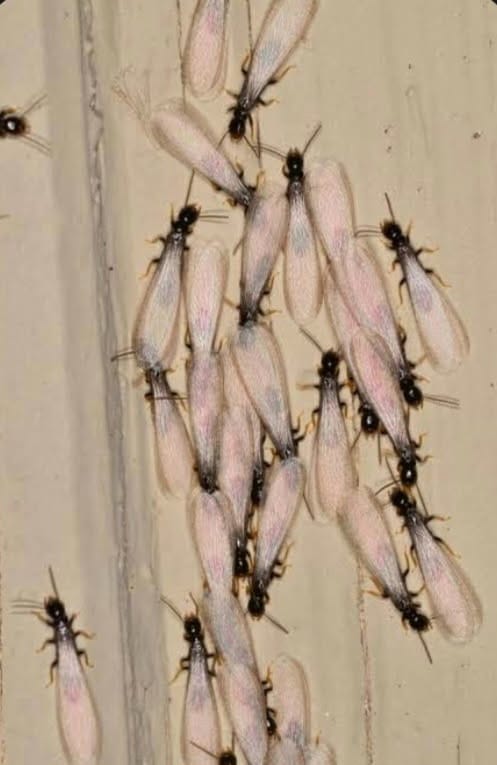
You flip on the kitchen light at 2 a.m. and see something scurry across the counter. Your neighbor calls it a palmetto bug. Your friend insists it’s a German roach. The pest control website you found lists five different species. Now you’re confused, frustrated, and wondering if you’re even treating the right problem.
Here’s what matters: German roaches and palmetto bugs aren’t interchangeable names for the same pest. They’re completely different species that live in different places, behave in different ways, and require different treatment approaches. Using the wrong method wastes your money and lets the problem get worse.
Professional roach control services focus on accurate species identification, targeted treatment plans, and long-term prevention strategies designed to eliminate the source—not just the roaches you see.
Let’s clear up the confusion so you know exactly what you’re dealing with.
The term “palmetto bug” is actually a nickname Floridians use for the American cockroach. These are the big ones—reddish-brown, up to two inches long, and yes, they can fly. They earned the name because they like to hang out under palmetto tree leaves and in outdoor vegetation.
German roaches are a completely different species. They’re small, light brown, about half an inch long, and have two dark stripes running down their back. Unlike palmetto bugs, German roaches don’t fly and they live almost exclusively indoors.
The confusion between these two causes real problems. Homeowners waste money on treatments designed for outdoor roaches when they actually have an indoor infestation, or vice versa. Understanding which species you have is the first step to getting rid of them.
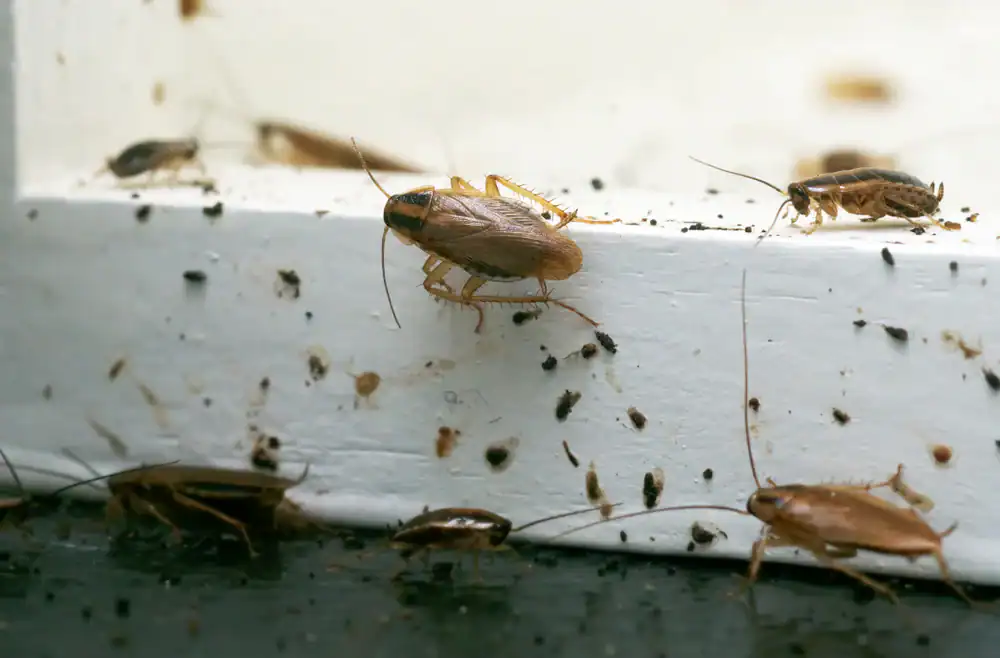
German roaches are indoor pests. Period. They don’t come in from your yard or fly through an open door. They hitchhike into your home in grocery bags, cardboard boxes, used furniture, or appliances. Once inside, they set up camp in your kitchen and bathroom because that’s where the warmth, moisture, and food are.
You’ll find them hiding in the smallest cracks—behind your refrigerator, under the sink, inside cabinets, around the dishwasher, and in the spaces around your stove. They can squeeze into gaps as thin as 1/16 of an inch. During the day, they stay hidden. At night, they come out to forage.
What makes German roaches particularly frustrating is how fast they reproduce. One female can produce hundreds of offspring in her lifetime, and those babies reach maturity in about 60 days. That means a small problem can explode into a full-blown infestation in just a few months. Even if you’re spotless with your cleaning, if your neighbor in the apartment next door has them, they’ll travel through shared walls and plumbing to reach you.
German roaches don’t respond to the same treatments that work on outdoor roaches. They ignore granular baits. They hide too deep for surface sprays to reach them. The most effective approach uses gel baits placed directly in the cracks where they live and breed, combined with insect growth regulators that disrupt their life cycle. Sanitation helps, but it’s rarely enough on its own. These roaches are resilient, and eliminating them usually requires professional-grade products and a targeted strategy.
The timeline matters too. Don’t expect overnight results. Because of their biology and reproduction cycle, it typically takes three weeks to two months to fully eliminate a German roach infestation. Anyone promising faster results probably isn’t being straight with you.
Palmetto bugs—American cockroaches—are outdoor roaches that occasionally wander inside. They live in mulch beds, under palm fronds, in leaf litter, around woodpiles, and in damp outdoor areas like gutters and storm drains. They prefer the outdoors, but they’ll come inside when it rains heavily, when it gets too hot, or when they’re searching for food and water.
When palmetto bugs do get inside, they gravitate toward dark, damp spots. Basements, crawl spaces, attics, bathrooms, and the areas under sinks are common hiding places. Unlike German roaches, they’re not trying to establish a breeding colony in your kitchen. They’re just passing through or seeking temporary shelter.
Because palmetto bugs are larger and more visible, people tend to panic when they see one. But spotting a single palmetto bug doesn’t necessarily mean you have an infestation. It might just mean one found its way in through a crack in your foundation, a gap around a pipe, or an unsealed door.
That said, even clean homes can have issues with palmetto bugs. It’s not about how tidy you are. It’s about access points and outdoor conditions. Florida’s warm, humid climate makes it prime territory for these roaches year-round.
The key to controlling palmetto bugs is prevention. Seal cracks and gaps around your home’s foundation, especially where pipes and utilities enter. Fix any leaky faucets or pipes, since moisture attracts them. Remove outdoor harborage by clearing away leaf litter, moving woodpiles away from your house, and keeping mulch beds tidy. Make sure door sweeps and weather stripping are in good condition.
If palmetto bugs are getting inside regularly, treating the exterior perimeter of your home with residual insecticides creates a barrier that keeps them out. You can also use bait stations around the outside of your home to reduce the population before they even think about coming in. Unlike German roaches, palmetto bugs do respond to granular baits placed in outdoor areas where they travel.
Want live answers?
Connect with a Around The Clock Pest Service expert for fast, friendly support.
When you treat the wrong species with the wrong method, you’re throwing money away. German roaches won’t eat granular bait meant for outdoor roaches. Palmetto bugs won’t be controlled by gel baits placed inside your cabinets. The products are designed for specific behaviors and habitats, and using the wrong one just doesn’t work.
Misidentification also delays the solution. While you’re trying treatments that don’t match the problem, the roaches keep reproducing. A small German roach issue that could have been handled in a few weeks turns into a months-long battle because the initial approach was wrong.
There’s also the frustration factor. You’re doing everything the internet told you to do, spending money on products, and still seeing roaches. It’s not that you’re doing it wrong—you’re just fighting the wrong fight.
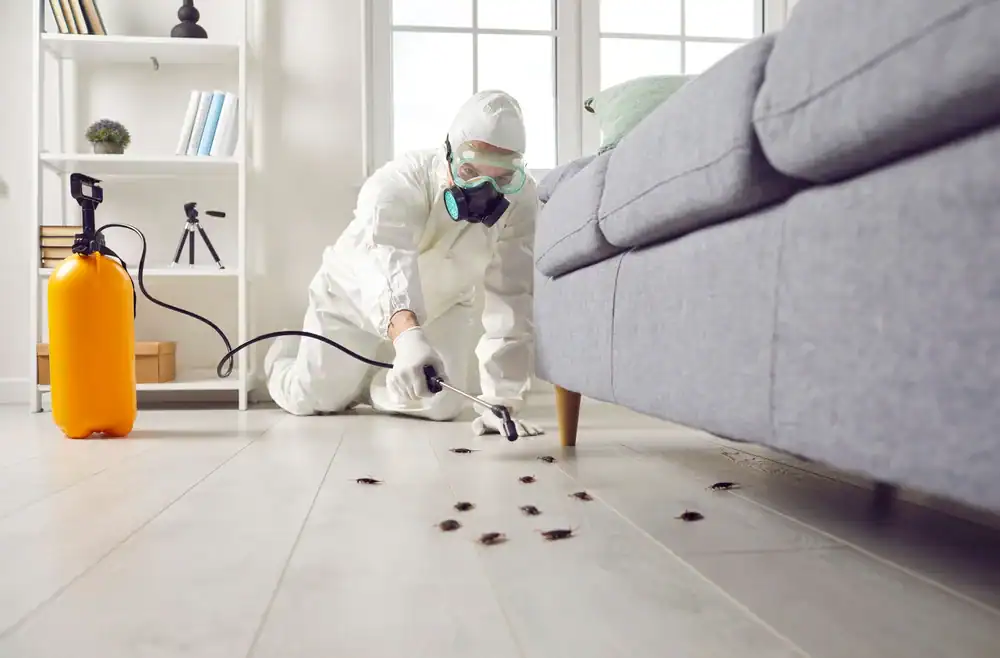
Start with size and color. If the roach is large—an inch and a half to two inches long—and reddish-brown with a yellowish figure-eight pattern behind its head, you’re looking at a palmetto bug (American cockroach). If it’s small—about half an inch—and light brown with two dark parallel stripes running down its back, that’s a German roach.
Location matters too. Where did you see it? If it was in your kitchen, especially near appliances, inside cabinets, or under the sink, it’s more likely a German roach. If it was in your bathroom, basement, or near an exterior door, and it’s large, it’s probably a palmetto bug.
Time of day can be a clue. Both species are nocturnal, but if you’re seeing small roaches during the daytime, that’s a red flag for a serious German roach infestation. They only come out in daylight when overcrowding forces them to compete for food and space.
Look for other signs. German roaches leave tiny droppings that look like black pepper or coffee grounds, usually in cabinets or along countertops. Palmetto bugs leave larger droppings that resemble small, blunt-ended ridges, often found in basements or under sinks. German roach egg casings are small and light-colored, while palmetto bug egg casings are dark reddish-brown and pill-shaped.
If you’re still not sure, take a photo and show it to a local pest control professional. A trained eye can identify the species in seconds and point you toward the right treatment. In Pasco County and Hernando County, most pros have seen thousands of both species and know exactly what you’re dealing with.
Don’t rely on generic advice from national websites. Florida has its own unique roach challenges, and local expertise makes a difference. We work directly with homeowners in Hernando and Pasco Counties and can identify your specific problem in many cases just by talking through what you’re seeing.
For German roaches, speed comes from using the right combination of products. Gel baits are your primary weapon. These baits contain slow-acting insecticides that roaches carry back to their hiding spots, spreading the poison to others through contact and feces. Place pea-sized drops in cracks and crevices, behind appliances, under sinks, and inside cabinets where you’ve seen activity.
Pair the gel bait with an insect growth regulator. IGRs disrupt the roach life cycle, preventing nymphs from maturing and reproducing. This cuts off the population at its source. Apply IGRs as a crack-and-crevice treatment in the same areas where you’ve placed bait.
Sanitation is critical for German roaches. They need food, water, and shelter. Eliminate crumbs, fix leaky pipes, dry sinks before bed, and reduce clutter. Even the best products won’t work if roaches have unlimited access to food and water.
For palmetto bugs, focus on exterior treatments. Apply residual insecticides around your home’s foundation, paying special attention to entry points like doors, windows, and utility penetrations. Use granular baits in outdoor areas where palmetto bugs travel—under decks, around trash cans, near mulch beds, and along fence lines.
Seal entry points. Caulk cracks in your foundation, install door sweeps, repair damaged screens, and seal gaps around pipes. Reducing outdoor harborage helps too. Move firewood away from your house, clear leaf litter, and keep gutters clean.
If palmetto bugs are already inside, you can use contact sprays to kill them on sight, but that’s just treating the symptom. The real solution is keeping them from getting in. Bait stations placed inside near entry points can catch stragglers, but the bulk of your effort should be focused outside.
Both species benefit from professional treatment, but for different reasons. German roaches require precision placement of baits and IGRs in hard-to-reach areas, plus follow-up treatments to break the reproductive cycle. Palmetto bugs need a comprehensive exterior barrier treatment that most homeowners don’t have the equipment or products to do effectively.
The fastest way to kill roaches isn’t always the DIY route. Professional exterminators have access to commercial-grade products that aren’t available to the public, and we know exactly where to apply them for maximum impact. For German roaches especially, professional treatment often saves you weeks or months of trial and error.
German roaches and palmetto bugs aren’t the same pest, and treating them like they are just prolongs the problem. German roaches are indoor pests that require targeted gel baits, IGRs, and relentless sanitation. Palmetto bugs are outdoor roaches that need exterior barriers and prevention to keep them from wandering inside.
If you’re in Pasco County or Hernando County and you’re tired of guessing which roach you have or why your treatments aren’t working, it’s time to talk to someone who knows the difference. We specialize in identifying and eliminating both species using the right methods for each. You’ll work directly with us, get honest answers, and receive a plan that actually matches your problem. Most quotes are provided right over the phone, and you can reach us 24/7—even on weekends.
Don’t waste more time and money on the wrong approach. Get it handled right the first time.
Summary:
Article details:
Share: