
Fast, reliable pest control from Hernando County’s most trusted family-owned team—with most quotes given over the phone.
Contact Info
Fast, reliable pest control from Hernando County’s most trusted family-owned team—with most quotes given over the phone.
Contact Info
That scratching sound above your bedroom isn't your imagination. Florida roof rats move into attics year-round, and the signs are specific.
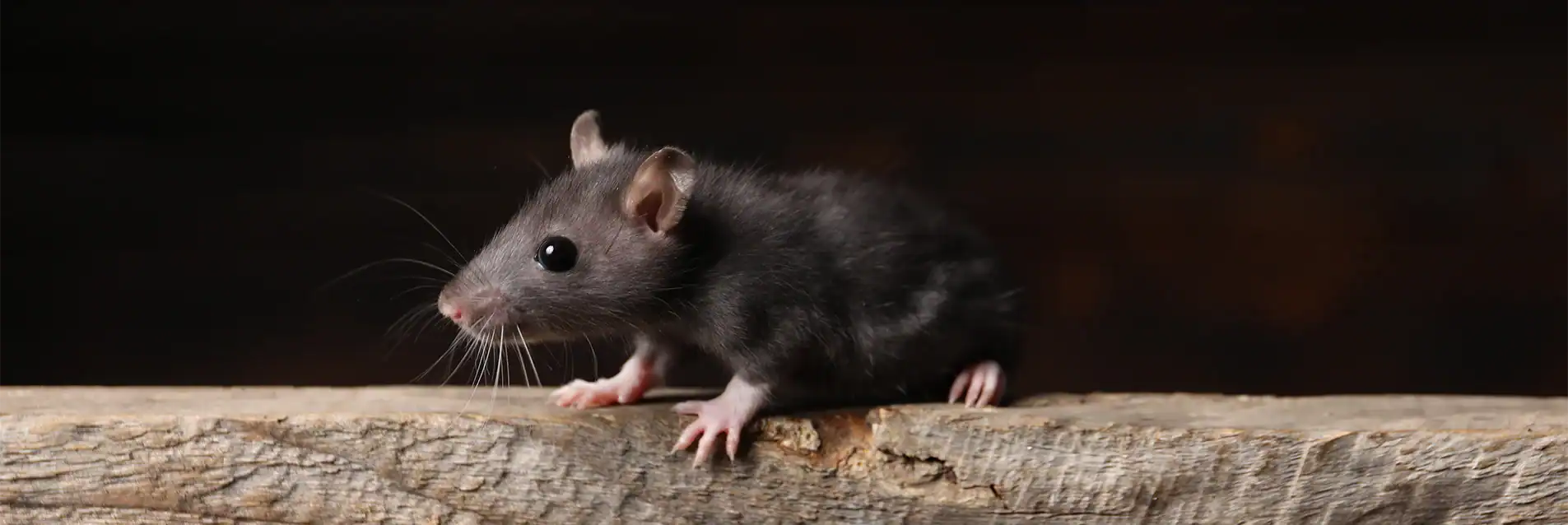
The scratching starts after dark. That’s the first clue. Roof rats are nocturnal, which means they sleep during the day and get active around dusk. The sounds you’re hearing aren’t random. They’re rats moving through insulation, running along rafters, or gnawing on wood and wires.
It’s not a light tapping. It’s heavier than mice. You might hear thumping, scurrying, or even squeaking if there’s more than one. The noises usually come from the same general area because rats follow the same pathways. They’re creatures of habit. Once they establish a route between their nest and an entry point, they’ll use it over and over.
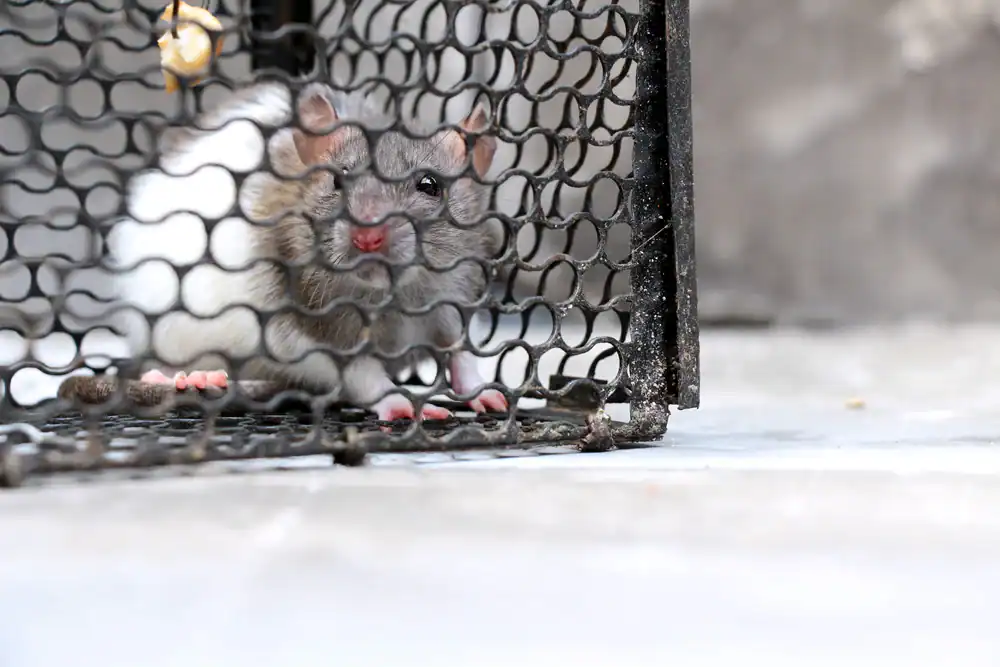
Roof rats aren’t called roof rats by accident. They’re climbers. In Florida, they use tree branches, power lines, and even stucco walls to reach your roofline. Once they find a gap—sometimes as small as half an inch—they’re in. And your attic offers exactly what they need: shelter, warmth, and safety from predators.
Florida’s climate is a huge factor. Unlike colder states where rodent activity slows in winter, roof rats breed year-round here. They can have babies every three months. That means a small problem in your attic can turn into a serious infestation in a matter of weeks. They’re not deterred by heat or humidity. If anything, the consistent temperatures make your attic even more appealing.
Pasco County, FL and Hernando County, FL have the perfect mix of suburban homes, fruit trees, and natural areas. Roof rats thrive in neighborhoods with citrus, mango, and avocado trees. They’ll eat the fruit, then head to your attic to nest. It’s not about how clean your house is. It’s about access. If there’s a way in, they’ll find it.
Once inside, they settle in fast. Roof rats prefer elevated spaces—attics, soffits, wall voids. They’ll chew through insulation to build nests, often in corners or near the roof perimeter. If you’ve got stored boxes or old insulation up there, that’s prime real estate for them. The longer they stay, the more damage they do. Chewed wires become fire hazards. Droppings and urine contaminate the space. And the smell? It gets worse over time.
Roof rats leave evidence. You don’t always see the rats themselves, but you’ll see what they leave behind. Start with droppings. Roof rat droppings are dark, shaped like grains of rice, and about half an inch long. You’ll find them along rafters, near nesting areas, or in corners of the attic. The more droppings you see, the bigger the problem.
Then there’s the grease. Roof rats have oily fur, and as they travel along walls and beams, they leave dark, greasy rub marks. These marks show up along their regular pathways. If you see streaks along the edges of your attic or near entry points, that’s a sign they’ve been using that route repeatedly.
The smell is harder to ignore. Rat urine has a strong, musky odor. If you’ve got an active infestation, you’ll notice it when you open the attic access. It’s not subtle. The smell gets stronger the longer they’re there. And if a rat dies in your attic or walls, the odor becomes unbearable. Dead rodents attract flies and create a whole separate problem.
Gnaw marks are another giveaway. Roof rats chew constantly to keep their teeth from overgrowing. You’ll see bite marks on wood beams, plastic pipes, and especially electrical wires. That’s where the fire risk comes in. Exposed wires can spark. It’s not just a nuisance—it’s a legitimate safety hazard. If you’re seeing chewed wires in your attic, you need to act fast.
Nests are usually tucked away in insulation or behind stored items. They’re made of shredded material—paper, fabric, insulation fibers. If you spot a nest, there’s a good chance there are baby rats nearby. Roof rats reproduce quickly, and a nest means they’ve been there long enough to settle in.
Want live answers?
Connect with a Around The Clock Pest Service expert for fast, friendly support.
Getting rid of roof rats isn’t just about setting a few traps. If you don’t address the entry points, new rats will move in as soon as you remove the current ones. Professional rodent control in Pasco County, FL and Hernando County, FL starts with a full inspection. That means checking the roofline, soffits, vents, chimneys, and any gaps around plumbing or electrical lines.
The goal is to find every possible entry point. Roof rats can squeeze through openings the size of a quarter. Once those gaps are identified, they need to be sealed with materials rats can’t chew through—steel mesh, metal flashing, or heavy-gauge wire. Foam and caulk alone won’t cut it. Rats will gnaw right through.
After the exclusion work, trapping begins. Snap traps are the most effective and humane method. They’re placed along the rats’ travel routes—usually near droppings, along rafters, or close to nesting areas. Poison is not the answer. If a rat eats poison and dies inside your wall or attic, you’re stuck with the smell and the cleanup. Professional trapping removes the rats without creating that problem.
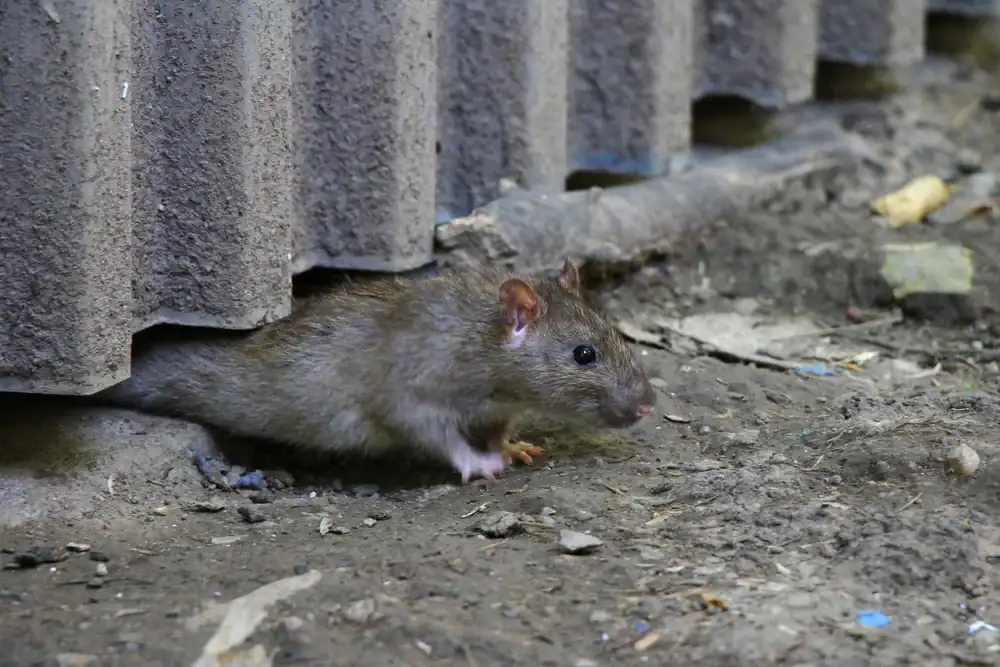
Rats don’t keep business hours. The scratching you hear at midnight isn’t going to wait until Monday morning. That’s why 24/7 rodent control services matter. When you’re lying awake at 2 a.m. listening to rats run across your ceiling, you want to talk to someone who can help—not leave a voicemail.
We answer calls around the clock, even on weekends. You’re not talking to a call center. You’re talking directly to the owner. That means real answers, not scripted responses. Most quotes are provided over the phone, so you know what to expect before we show up. There’s no runaround, no waiting days for a callback.
Fast response prevents small problems from becoming expensive disasters. Roof rats multiply quickly. A couple of rats can turn into a dozen in a few months. The longer they’re in your attic, the more damage they cause. Chewed wires, contaminated insulation, structural damage—it all adds up. Responding within 24 hours stops the problem before it spirals.
For homeowners in Spring Hill, FL, Brooksville, FL, or anywhere in Hernando County, FL and Pasco County, FL, having a local expert who understands Florida roof rats makes a difference. These aren’t Norway rats burrowing under your foundation. These are climbers. They get in through the roof. The approach has to match the pest. As a family-run business that specializes in rodent control, we know the difference. We’ve seen it hundreds of times. We know where to look, what works, and what doesn’t.
Cost depends on the severity of the infestation and the amount of work required. A minor issue with one or two rats and a couple of entry points might run a few hundred dollars. A larger infestation with multiple nests, extensive entry points, and attic cleanup can cost more. Most professional rodent control services in Florida range from $250 to over $1,000, depending on the scope.
Here’s what affects the price: the size of your home, the number of entry points, how many rats are present, and whether cleanup or insulation replacement is needed. Homes near wooded areas or with fruit trees tend to have more rodent activity, which can mean more work. Multi-story homes or properties with tight crawl spaces take longer to inspect and treat.
The investment is worth it when you consider the alternative. DIY traps might catch one or two rats, but if you haven’t sealed the entry points, more will come. Poison creates more problems than it solves. And the longer you wait, the more damage accumulates. Chewed wires cost money to repair. Contaminated insulation needs to be replaced. The health risks from rat droppings and urine are real.
Transparent pricing matters. We provide most quotes over the phone, so there are no surprises. You’re working directly with the owner, not a salesperson. That means honest communication about what needs to be done and what it will cost. We offer special discounts for new homeowners and military families, because the goal is to solve the problem, not upsell unnecessary services.
Professional rodent control isn’t just about trapping. It’s about exclusion, prevention, and long-term protection. When entry points are properly sealed and the current infestation is removed, the problem doesn’t come back. That’s the difference between a quick fix and a permanent solution.
If you’re hearing scratching sounds at night, seeing droppings in your attic, or noticing greasy rub marks along your walls, you’ve got roof rats. The signs are specific, and they don’t go away on their own. Florida’s climate makes this a year-round problem, and roof rats reproduce fast enough to turn a small issue into a serious infestation in weeks.
Professional rodent control addresses the root cause. That means sealing entry points, trapping and removing the rats, and cleaning up the mess they leave behind. It’s not about poison or temporary fixes. It’s about permanent solutions that protect your home and your family.
We’re available 24/7 for rodent emergencies in Pasco County, FL and Hernando County, FL. You’ll work directly with the owner, get transparent pricing over the phone, and receive a response within 24 hours. With over 100 five-star reviews and state certifications, we’ve built our reputation on honest communication and effective results. If you’re dealing with rats in your attic, reach out to us and get the problem solved.
Summary:
Article details:
Share: