
Fast, reliable pest control from Hernando County’s most trusted family-owned team—with most quotes given over the phone.
Contact Info
Fast, reliable pest control from Hernando County’s most trusted family-owned team—with most quotes given over the phone.
Contact Info
You’re not dealing with a minor inconvenience. Termites cause over $500 million in damage across Florida every year, and your homeowner’s insurance won’t cover a dime of it.
Here’s what matters: termites can feed on your home’s structure for 3 to 5 years before you even notice. They slip through cracks as thin as 1/32nd of an inch. And in Clay Sink’s warm, humid climate, they stay active all year long, consuming wood up to seven times faster than they would up north.
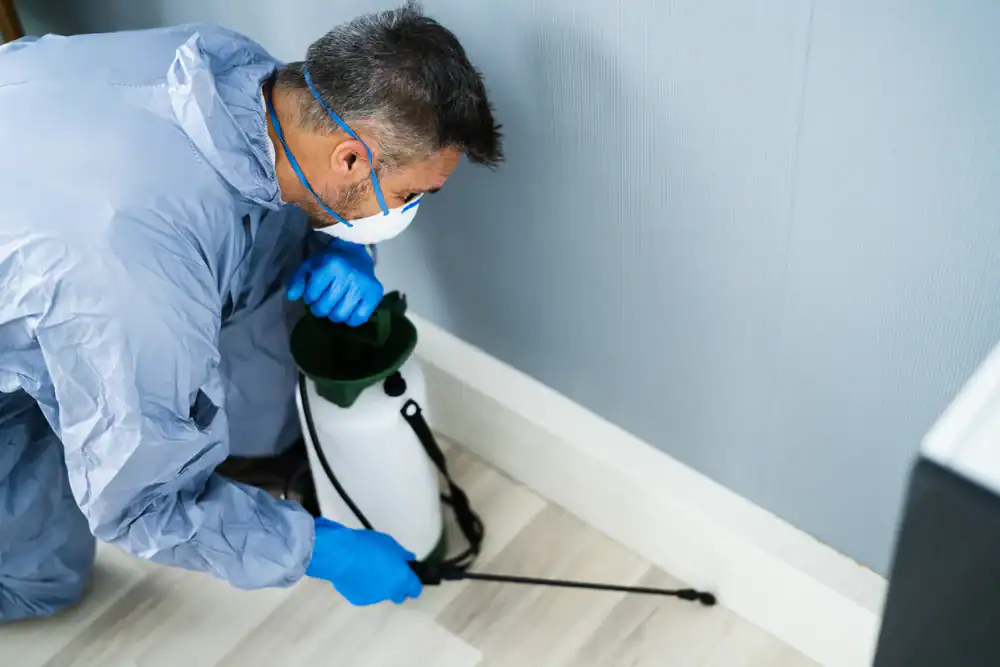
Professional termite prevention services in Spring Hill, FL and surrounding Hernando County areas create a protective barrier around your property. You get early detection before the damage starts. You avoid the $8,000 to $12,000 repair bills that come after an infestation takes hold. And you protect the equity you’ve worked hard to build.
Around The Clock Pest Service has been protecting homes across Hernando County with straightforward, honest termite prevention. We’re a family-run business, which means when you call, you’re talking directly to the owner—not a call center, not a sales rep who’s never done the work.
Every client gets the owner’s personal cell number. Most quotes happen over the phone so you’re not waiting around for someone to show up just to tell you a price. And if you call on a Saturday night with a concern, you’ll get a response—usually within 24 hours, often sooner.
Clay Sink sits in an area with sandy soil and high pest activity, which makes it prime territory for subterranean termites. We know the local conditions. We know what to look for. And we know how to protect your property without the corporate runaround or the pressure tactics.
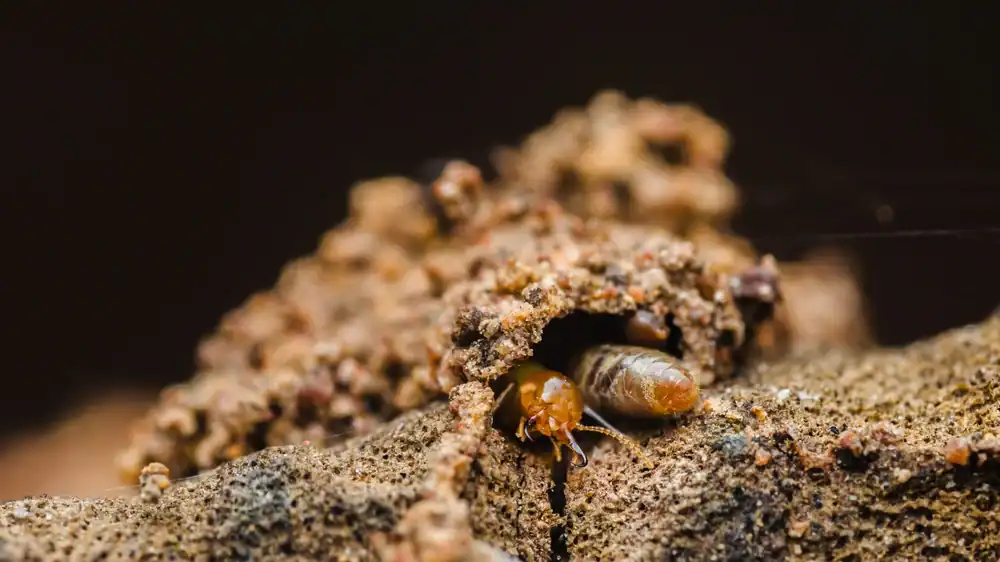
First, we do a thorough inspection of your property. That means checking the foundation, crawl spaces, wooden structures, and any areas where moisture collects. Termites leave signs—mud tubes, damaged wood, discarded wings—and we know where to look.
Next, we create a treatment plan based on what your property actually needs. If you’re dealing with subterranean termites, we establish a barrier treatment around your home’s perimeter. For drywood termites, the approach is different. We don’t use a one-size-fits-all method because your home isn’t a cookie-cutter situation.
After treatment, we set you up with an annual termite protection plan. Florida’s climate means termites don’t take a break, so neither should your protection. Regular monitoring catches new activity early, and you get ongoing peace of mind without having to remember to schedule it yourself.

Ready to get started?
You get a state-certified inspection that covers every vulnerable area of your property. We’re licensed by the Florida Department of Agriculture and Consumer Services, which means our work meets the standards required for real estate transactions and refinancing.
If you’re buying or selling a home in the Spring Hill area, you’ll likely need a WDO (Wood-Destroying Organism) inspection. We handle those, and we do them fast—because we know how quickly real estate deals move and how frustrating delays can be.
Clay Sink properties face unique challenges. The area’s sandy soil makes it easier for subterranean termites to build colonies—Florida has an estimated 13 colonies per acre. High-density neighborhoods mean termites can move from property to property if your neighbors aren’t treating. And the year-round warmth means there’s no off-season where termites slow down.
Our annual protection plans are built for this reality. You get scheduled inspections, retreatment as needed, and direct access to the owner if something doesn’t look right between visits. We also offer military discounts and special pricing for new homeowners, because we’d rather help you prevent damage than watch you deal with expensive repairs later.
Most termite prevention treatments in the Clay Sink and Hernando County area range from a few hundred to a couple thousand dollars, depending on the size of your property and the type of treatment needed. That might sound like a lot until you compare it to the alternative.
The average termite damage repair costs between $8,000 and $12,000. Some homeowners end up paying significantly more if the infestation goes undetected for years. And remember, your homeowner’s insurance doesn’t cover termite damage—you’re paying that bill out of pocket.
We provide most quotes over the phone once we know your property size and specific concerns. No need to wait days for someone to come out just to give you a number. If the situation requires an in-person assessment, we’ll let you know upfront and schedule it fast.
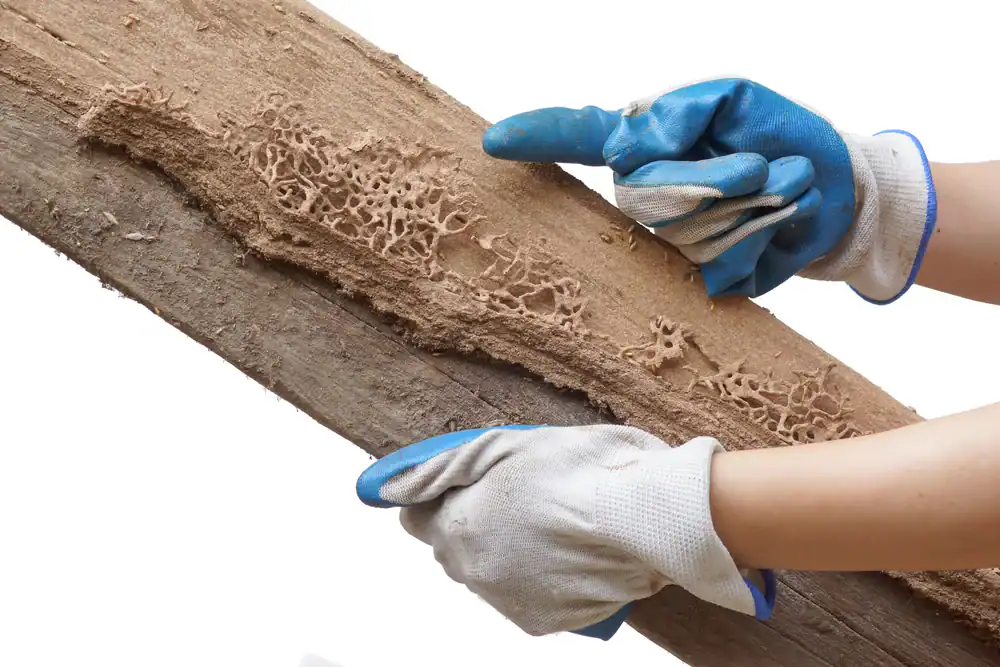
Termites are sneaky, but they do leave clues. One of the most common signs is mud tubes running along your foundation or walls—these are highways termites build to travel between their colony and your home’s wood.
You might also notice wood that sounds hollow when you tap it, or see small piles of what looks like sawdust near wooden structures. If you spot winged insects swarming around your property in late winter or early spring, those are likely termite swarmers looking to start new colonies. Discarded wings near windowsills or doors are another red flag.
The problem is that termites often do their worst damage inside walls and under floors where you can’t see it. By the time visible signs appear, they’ve usually been feeding for years. That’s why regular professional inspections catch problems before they become expensive disasters.
Annual inspections are the standard recommendation for Florida homeowners, and for good reason. Unlike northern states where termites slow down in winter, Florida’s climate keeps them active year-round.
If your home has had termite activity in the past, or if you’re in a neighborhood where other properties have dealt with infestations, you might want inspections twice a year. Clay Sink’s sandy soil and warm temperatures create ideal conditions for subterranean termites, which means the risk stays high.
Our annual termite protection plans include scheduled inspections as part of the service. You don’t have to remember to call—we reach out when it’s time. And if you notice anything concerning between scheduled visits, you can contact the owner directly to get it checked out.
In most Florida real estate transactions, yes. Lenders and buyers typically require a WDO (Wood-Destroying Organism) inspection before closing. If termites or termite damage are found during that inspection, it can delay or even derail the sale.
Getting ahead of this with a pre-listing inspection is smart. If there’s an issue, you can address it on your timeline instead of scrambling to fix it during negotiations. And if your home is clear, you can market it with confidence.
We handle WDO inspections for real estate transactions throughout Hernando County. We know the urgency involved when you’re trying to close on a home, and we move fast. Most inspections are scheduled within a day or two, and you get the report quickly so your transaction keeps moving.
Subterranean termites live in the soil and build mud tubes to access the wood in your home. They need contact with moisture, which is why they’re often found near foundations, crawl spaces, and areas with water damage. These are the most common termites in Clay Sink and across Hernando County.
Drywood termites don’t need soil contact. They infest dry wood directly—attic framing, furniture, even wooden window frames. They’re harder to detect because they don’t build mud tubes, and they can cause significant damage before you realize they’re there.
The treatment approach is different for each type. Subterranean termites usually require barrier treatments around your home’s perimeter. Drywood termites might need localized treatments or, in severe cases, fumigation. A proper inspection identifies which type you’re dealing with so the treatment actually solves the problem instead of just masking it.
You can reduce your risk with some basic maintenance—fixing leaky pipes, keeping mulch away from your foundation, removing wood debris from your yard, and making sure your gutters drain properly. Those steps help, but they’re not enough on their own.
Professional termite prevention services in Spring Hill, FL and surrounding areas use treatments and monitoring systems that aren’t available to homeowners. We create protective barriers that stop termites before they reach your home’s structure. We know where to look for early warning signs that most people miss. And we catch problems when they’re still small and inexpensive to fix.
Florida’s termite pressure is relentless. With an estimated 13 subterranean termite colonies per acre and year-round activity, DIY prevention just doesn’t provide the protection your home needs. The cost of professional prevention is a fraction of what you’d pay to repair termite damage after it happens.