
Fast, reliable pest control from Hernando County’s most trusted family-owned team—with most quotes given over the phone.
Contact Info
Fast, reliable pest control from Hernando County’s most trusted family-owned team—with most quotes given over the phone.
Contact Info
You’re not dealing with termite damage. You’re not scrambling to find repair money that insurance won’t reimburse. You’re not watching your property value drop by 20% because of a history of infestation.
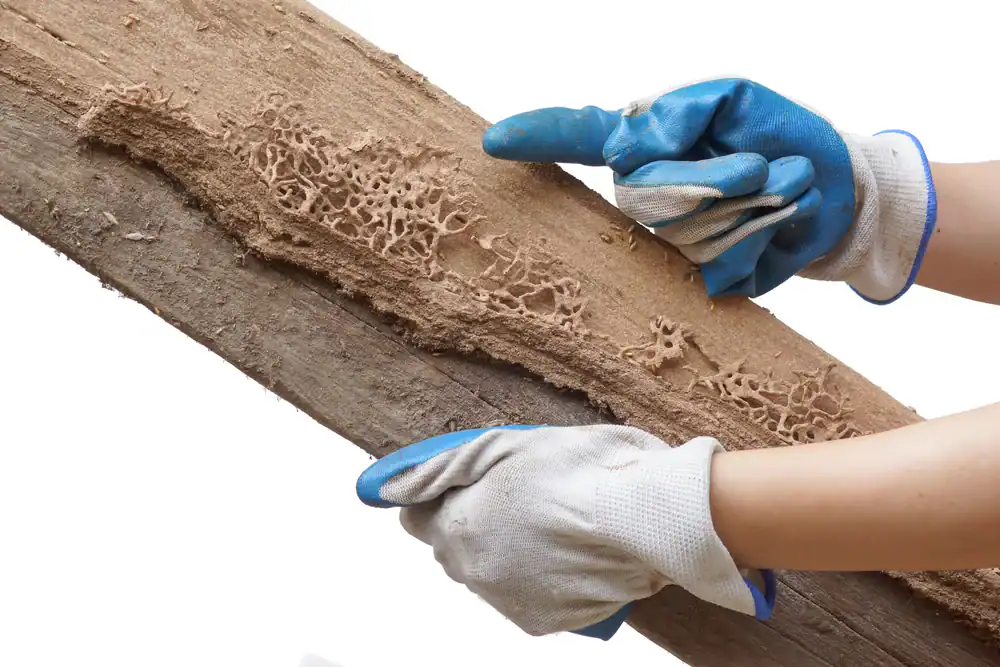
Instead, you’ve got a licensed professional who knows Hernando County’s termite patterns checking your property regularly. Someone who catches the early signs—the mud tubes, the frass, the soft wood—before colonies spread through your walls. You’ve invested a few hundred dollars in prevention instead of $8,000 to $12,000 in repairs.
Your home stays structurally sound. Your equity stays protected. And you sleep better knowing that the 13 subterranean termite colonies per acre in Florida aren’t quietly eating away at your biggest investment.
That’s what termite prevention services in Spring Hill, FL and surrounding areas actually deliver. Not just treatments—actual protection that keeps your home off the wrong side of Florida’s $500 million annual termite damage bill.
Around The Clock Pest Service is a family-run operation serving Darby, FL and throughout Hernando County. You work directly with the owner, George—not a call center, not a different technician every visit. Just consistent, knowledgeable service from someone who answers his phone, even on weekends.
We’re BBB accredited with an A+ rating and licensed by the Florida Department of Agriculture (License #LF286842). Over 100 five-star Google reviews back up what we tell you here: we show up when we say we will, we explain what we find, and we give you honest pricing over the phone before we ever schedule.
We’ve built our reputation in Hernando County by treating your home like it’s our own. That means thorough inspections, clear communication about what you’re actually dealing with, and annual termite protection plans that make sense for Florida’s year-round termite activity. No upselling. No scare tactics. Just real protection from someone who lives and works in the same community you do.
First, we do a complete termite inspection of your property. We’re checking your foundation, crawl spaces, attic, anywhere termites typically enter or nest. We’re looking for active infestations, previous damage, and conditions that attract termites in the first place.
If we find activity, we’ll explain exactly what’s happening and what it’ll take to eliminate it. If your home is clear, we’ll recommend a prevention plan based on your property’s specific risk factors. Most quotes happen right over the phone once we understand your situation.
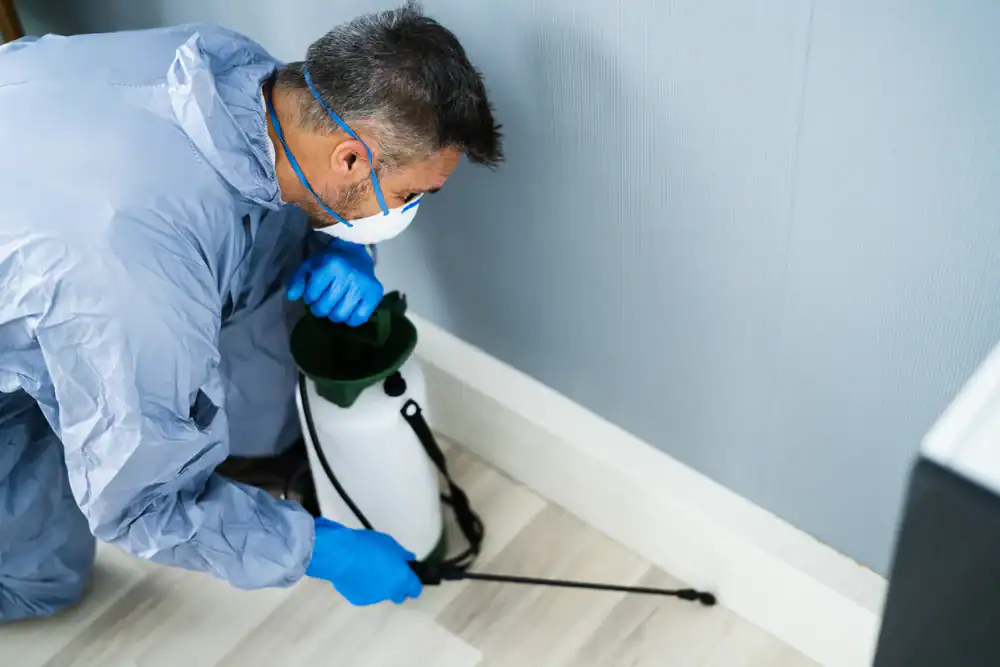
Treatment typically involves applying a termiticide barrier around your foundation and treating any vulnerable wood. For drywood termites, we may recommend localized treatments or fumigation depending on the extent. We’re state-certified for WDO inspections, so if you’re buying or selling, we can handle that too.
After initial treatment, annual termite protection plans keep you covered. We come back regularly to inspect, retreat as needed, and catch any new activity before it becomes expensive. You get a termite bond that provides coverage if they come back—filling the gap your homeowners insurance won’t touch.

Ready to get started?
You’re getting licensed inspections that cover both subterranean and drywood termites—the two main threats in Darby, FL. Subterranean termites are the ones building mud tubes from the ground up into your structure. Drywood termites nest directly in your wood and are harder to detect until damage is visible.
Our annual protection plans include scheduled inspections, retreatment as needed, and a termite bond that covers you if termites breach the barrier. That bond matters because standard homeowners insurance in Florida doesn’t cover termite damage. Insurance companies consider it preventable maintenance, which means you’re paying 100% of repairs out of pocket if you’re not protected.
We also provide WDO (Wood Destroying Organism) inspections required for real estate transactions. If you’re buying in Hernando County, you need to know what you’re getting into. If you’re selling, you need documentation that your home is protected.
Florida’s climate lets termites stay active year-round, feeding up to seven times faster than in cooler states. That’s why one-time treatments don’t cut it here. You need ongoing monitoring from someone who understands how quickly things can go wrong in this environment—and who’ll be there when you call, not three days later.
Prevention typically runs a few hundred dollars annually depending on your property size and treatment type. Termite damage repairs in Florida average $8,000 to $12,000 per incident, with severe cases exceeding $20,000. That’s the full cost to you since homeowners insurance doesn’t cover termite damage.
The math is straightforward. You can invest in annual termite protection or risk paying 20 to 50 times that amount when an infestation goes undetected for years. Most homeowners don’t realize termites can feed on their structure for three to five years before visible damage appears.
Prevention also protects your property value. Homes with termite damage history typically see a 20% decrease in value. Buyers get nervous, inspections reveal problems, and you’re either dropping your price or paying for repairs before you can close. An active termite bond from a licensed company is actually a selling point—it shows you’ve maintained the property correctly.
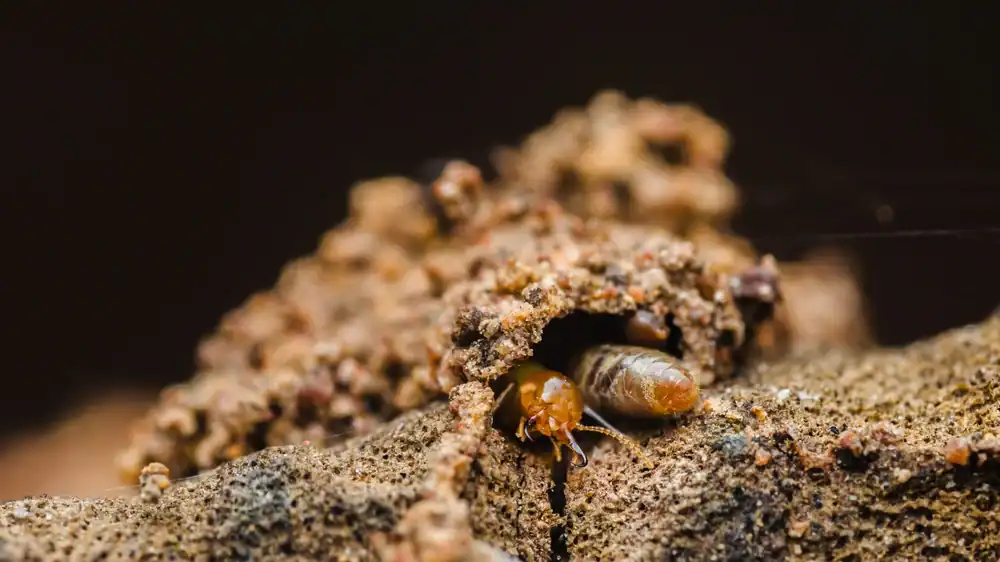
Subterranean termites live in the soil and build mud tubes up into your home’s structure. They need contact with ground moisture to survive. These are the most common and most destructive termites in Florida—there are 13 colonies per acre on average in this state. They’re the ones you’ll find in foundations, crawl spaces, and any wood touching soil.
Drywood termites don’t need ground contact. They infest the actual wood in your walls, attic, and furniture, creating colonies inside the wood itself. You’ll see small piles of pellet-like droppings (frass) as a sign of activity. They’re harder to detect and often require different treatment methods than subterranean termites.
Both types are active year-round in Darby, FL because of our climate. Both can cause serious structural damage. And both require professional treatment—DIY methods don’t reach the colony, they just kill the termites you can see. A comprehensive termite prevention plan addresses both threats with the right treatments for your property’s specific vulnerabilities.
No. Standard homeowners insurance policies in Florida and nationwide do not cover termite damage or treatment costs. Insurance companies classify termites as a preventable maintenance issue, not accidental damage. That means 100% of treatment and repair bills fall on you as the homeowner.
This is why termite bonds and warranties matter. When you have an annual termite protection plan with a licensed pest control company, you get coverage if termites breach the treatment barrier. That bond fills the gap your insurance won’t touch. Without it, you’re fully exposed to Florida’s termite risk.
Given that termites cause over $500 million in damage annually to Florida homeowners, this isn’t a small gap in coverage. It’s a major financial vulnerability that most people don’t think about until they’re already dealing with damage. Prevention isn’t just smart—it’s the only way to protect yourself since your insurance policy won’t.
Annual inspections are the standard recommendation for Florida homes, and it’s what most termite bonds require to stay active. Some properties need more frequent monitoring depending on previous termite activity, construction type, and surrounding landscape conditions.
Florida’s year-round termite activity means there’s no “off season” when your home is safe. Termites can enter through cracks as small as 1/32nd of an inch. They can be actively feeding for three to five years before you notice damage. By the time you see sagging floors, hollow-sounding wood, or visible mud tubes, you’re looking at significant repairs.
Annual professional inspections catch early warning signs before colonies establish and spread. Your technician checks all the vulnerable areas—foundation, crawl spaces, attic, anywhere moisture or wood-to-ground contact creates risk. If you’re on an annual protection plan, these inspections are included, along with retreatment if needed. It’s ongoing monitoring, not just a one-time check.
Start with licensing. Florida requires pest control companies to be licensed by the Department of Agriculture for termite work. Ask for their license number and verify it’s current. You also want someone certified to perform WDO inspections if you’re buying or selling property.
Look for local experience. Termite behavior, species prevalence, and treatment needs vary by region. A company that understands Hernando County’s specific conditions—soil type, climate, common construction vulnerabilities—will give you better protection than a national chain following a generic script.
Check reviews and credentials. BBB accreditation, Google reviews, and local reputation tell you how they actually treat customers. Do they show up on time? Do they explain what they find? Do they pressure you into unnecessary treatments? You want someone who answers their phone, provides clear pricing upfront, and stands behind their work with a real warranty. Family-owned companies often provide more consistent service because you’re working with the owner directly, not whoever’s available that day.
Yes, depending on scheduling and urgency. We offer 24/7 availability including weekends, and we often provide same-day service when you need it. If you’re seeing signs of termite activity or you’re in the middle of a real estate transaction with a tight timeline, we’ll work with your schedule.
Most termite situations aren’t true emergencies—the damage happens slowly over years, not overnight. But we understand that once you know you might have termites, you want answers fast. We can typically provide quotes over the phone once we understand your situation, and we’ll get someone to your property quickly to assess what’s actually happening.
When you call, you’re talking directly to the owner, not a call center. That means faster decisions, clearer communication, and service that actually fits your timeline. We’re local to Hernando County, so we’re not driving in from two hours away. If you need us today, there’s a good chance we can make it happen.