
Fast, reliable pest control from Hernando County’s most trusted family-owned team—with most quotes given over the phone.
Contact Info
Fast, reliable pest control from Hernando County’s most trusted family-owned team—with most quotes given over the phone.
Contact Info
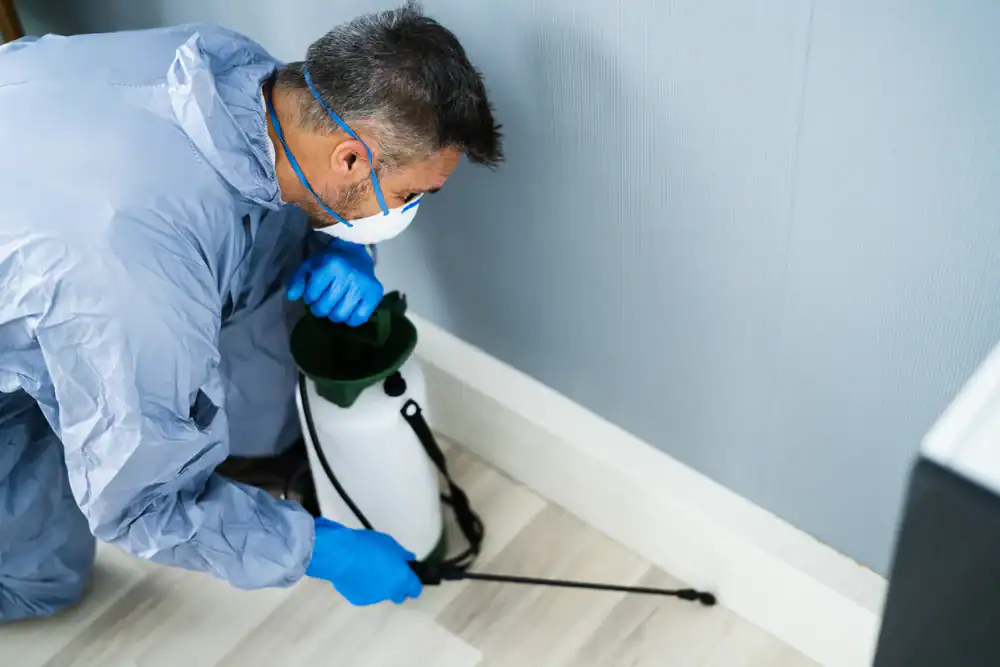
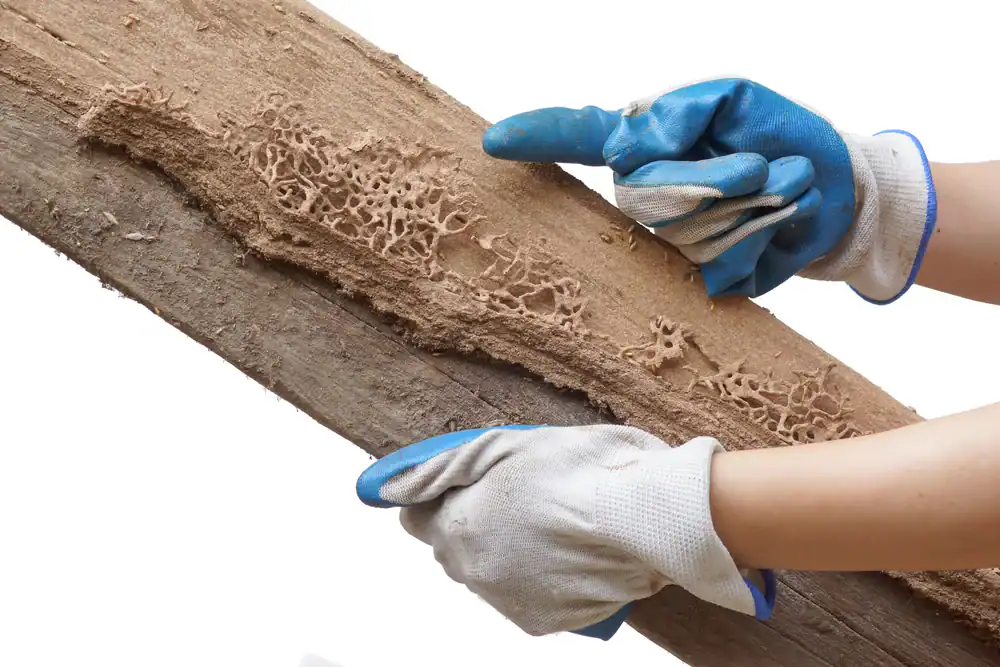
You’re not dealing with termites because you did something wrong. You’re dealing with them because you live in Florida, where 13 termite colonies exist per acre and the weather keeps them active all year. That’s not a scare tactic—it’s just reality in Pasco County, FL.
Real termite prevention means you’re not waiting for swarms or wood damage to show up. You’re getting ahead of it with soil treatments, monitoring systems, and routine inspections that catch activity early. Your home stays protected, your equity stays intact, and you’re not stuck with repair bills that insurance won’t touch.
The difference is simple: prevention costs hundreds. Damage costs thousands—sometimes tens of thousands. And in a place like Spring Hill or New Port Richey, where termites don’t take a break, waiting isn’t a strategy. It’s a gamble.
Around The Clock Pest Service isn’t a call center or a franchise. We’re George and Mary—two people who answer the phone ourselves, show up when we say we will, and give you a straight answer about what your property needs.
We’ve built our reputation in Pasco County, FL on being available 24/7, even on weekends. That means when you call about a termite swarm or need a WDO inspection for closing, you’re talking to someone who knows your area and can move fast. Over 100 five-star reviews back that up.
We work with homeowners across Spring Hill, Hudson, Land O Lakes, Wesley Chapel, and Dade City. If you’re new to the area or just tired of dealing with companies that don’t return calls, you’ll notice the difference immediately.
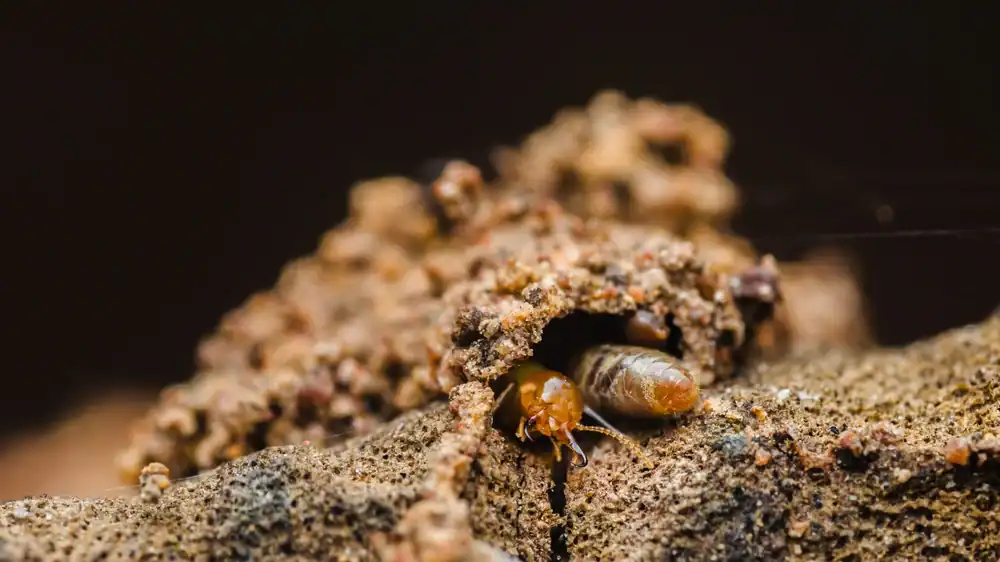
First, we inspect your property to identify current termite activity, conducive conditions, and vulnerable areas. That includes checking your foundation, crawl spaces, wood-to-ground contact points, and moisture issues that attract subterranean termites. You’ll know exactly what we find and what it means.
Next, we recommend a treatment plan based on your property and risk level. That might be a liquid soil treatment around your foundation, a baiting and monitoring system, or both. We explain the options, the costs, and what each approach does—so you can make the call.
Then we apply the treatment and set up ongoing monitoring if needed. For most homes in Pasco County, FL, an annual termite protection plan makes sense. It keeps your property covered year-round and catches new activity before it becomes a bigger problem. You’re not guessing. You’re protected.

Ready to get started?
Every termite prevention service starts with a full inspection of your property. We’re looking for active termites, signs of past damage, and conditions that make future infestations more likely. In Pasco County, FL, that often means checking for moisture problems, wood debris near the foundation, and cracks in your slab or block.
Treatment options depend on what we find. Liquid soil treatments create a barrier around your home that kills termites on contact and prevents new colonies from entering. Baiting systems use monitoring stations placed around your property to detect and eliminate termite activity over time. Both work—we’ll tell you which makes sense for your situation and budget.
If you’re buying or selling a home, we also provide WDO (Wood Destroying Organism) inspections required for real estate transactions. We’re state-certified, and our reports meet lender and closing requirements. Most quotes are provided over the phone, and if you’re military or a new homeowner, we offer discounts. No runaround, no upselling—just honest pricing and real protection.
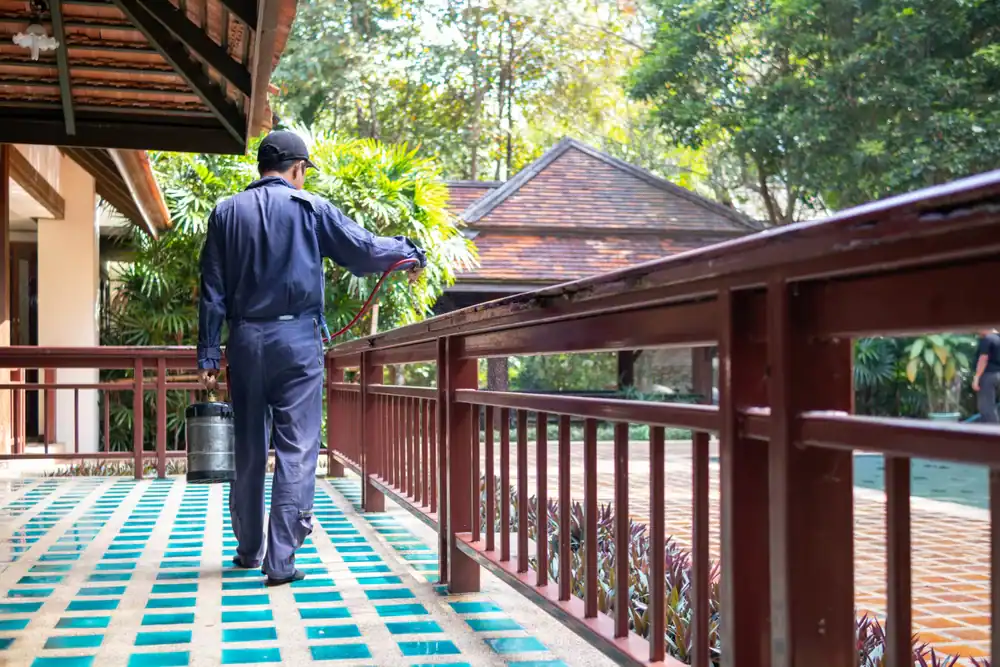
Termite prevention typically costs between $400 and $1,200 depending on your property size, the treatment method, and whether you’re setting up an annual protection plan. A one-time liquid soil treatment for an average-sized home in Spring Hill or New Port Richey usually runs $600 to $900. Baiting systems with ongoing monitoring cost a bit more upfront but include regular service visits.
Compare that to termite damage repair, which averages $8,000 to $12,000 per incident in Florida—and can go much higher if the infestation goes undetected for years. Your homeowner’s insurance won’t cover it, so prevention is the only real financial protection you have.
We give most quotes over the phone once we know your property size and any specific concerns. If you’re military or a new homeowner, we offer discounts. No hidden fees, no pressure—just a clear number and a plan that makes sense.
Prevention means treating your property before termites show up or cause damage. Treatment means you already have an active infestation and need to eliminate it. Both use similar methods—liquid barriers, baiting systems, or targeted applications—but the timing and urgency are different.
If you’re buying a home, moving into a new property, or just want to avoid problems down the road, prevention is the move. It’s proactive, less stressful, and way cheaper than dealing with damage later. If you’ve seen swarms, found mud tubes, or noticed wood that sounds hollow when you tap it, you need treatment now.
In Pasco County, FL, where termites are active year-round, waiting to “see if it gets worse” usually means it will. We handle both scenarios, but we’d rather get to you before the damage starts. That’s the whole point of residential termite defense—stopping the problem before it costs you.
Yes. Florida’s warm, humid climate means termites don’t go dormant like they do in colder states. Subterranean termites stay active through winter, and drywood termites don’t slow down at all. That’s why you’ll see swarms in spring after a warm rain, but also why damage can happen any month of the year.
Pasco County, FL has one of the highest termite population densities in the state—about 13 colonies per acre. That’s not a worst-case scenario. That’s normal. So if you’re thinking you can wait until “termite season” to worry about it, there isn’t one. It’s always termite season here.
That’s also why annual termite protection plans make sense. You’re not just treating once and hoping for the best. You’re maintaining a barrier and monitoring for new activity throughout the year, which is what it takes to stay ahead of the problem in this climate.
Most people don’t know until they see a swarm, find mud tubes on their foundation, or notice wood damage during a renovation. Termites work inside walls, under floors, and in places you don’t see during your daily routine. By the time the damage is visible, they’ve usually been there for years.
Common signs include discarded wings near windows or doors (left behind after a swarm), hollow-sounding wood when you tap it, and small mud tunnels running up your foundation or along baseboards. You might also notice sagging floors, tight-fitting doors, or small holes in drywall. If you’re seeing any of that, you need an inspection now.
Even if you’re not seeing signs, it’s worth getting an inspection if you’ve never had one—or if it’s been more than a year. We check the areas termites target first, and we’ll tell you exactly what’s going on. If you’re clear, great. If not, we’ll walk you through what needs to happen next. Either way, you’ll know.
No. Homeowner’s insurance in Florida specifically excludes termite damage because it’s considered preventable. That means if termites destroy your floor joists, damage your framing, or compromise your foundation, you’re paying for repairs out of pocket. And those repairs aren’t cheap—most homeowners in Pasco County, FL spend $8,000 to $12,000 fixing termite damage, with severe cases going much higher.
That’s exactly why professional termite protection matters. It’s the only financial safety net you have. A few hundred dollars a year for prevention beats a five-figure repair bill that hits you all at once.
Some people assume their home warranty or pest control plan covers it, but most don’t unless you specifically added termite coverage. If you’re not sure what you have, check your policy or ask us. We’ll tell you straight up whether you’re covered or not—and what it’ll take to actually protect your investment.
Liquid soil treatments typically last 5 to 10 years depending on soil conditions, weather, and the product used. In Pasco County, FL, where we get heavy rain and high humidity, treatments on the lower end of that range are more common. That’s why most professionals recommend annual inspections even after a full treatment—you want to catch any new activity before it becomes a problem.
Baiting systems work differently. They’re monitored and maintained on a regular schedule—usually every few months—so they stay effective as long as you keep up with the service. The stations themselves can last years, but the bait and monitoring are ongoing.
If you’re setting up an annual termite protection plan, we’ll inspect your property, refresh treatments as needed, and make sure your coverage stays intact. You’re not waiting for something to go wrong. You’re staying ahead of it, which is the only approach that actually works in Florida.