
Fast, reliable pest control from Hernando County’s most trusted family-owned team—with most quotes given over the phone.
Contact Info
Fast, reliable pest control from Hernando County’s most trusted family-owned team—with most quotes given over the phone.
Contact Info
Discover the 7 things your exterminator wishes every Florida homeowner knew about preventing ants and roaches—practical steps you can take today.
Florida is essentially a giant, humid petri dish. While other states get a “winter break” where bugs politely freeze to death, Florida pests treat December like it’s Spring Break. Our humidity—which usually feels like walking through a warm soup—provides the perfect hydration station for ants and roaches to multiply at terrifying speeds.
When you mix that “air you can wear” with tropical heat and those 4:00 PM rainstorms that arrive like clockwork, you’ve created a Pest Paradise. German cockroaches can pump out 50 kids every few weeks, and fire ants are basically the “Type A” overachievers of the insect world. And those palmetto bugs? They’re just American cockroaches with a better PR agent and an appetite for your damp drywall.
This means prevention isn’t a “one and done” Saturday project. It’s a lifestyle. No matter if you’re holding down the fort in Spring Hill or Brooksville, the mission is the same: stay more annoying than the environment is inviting.
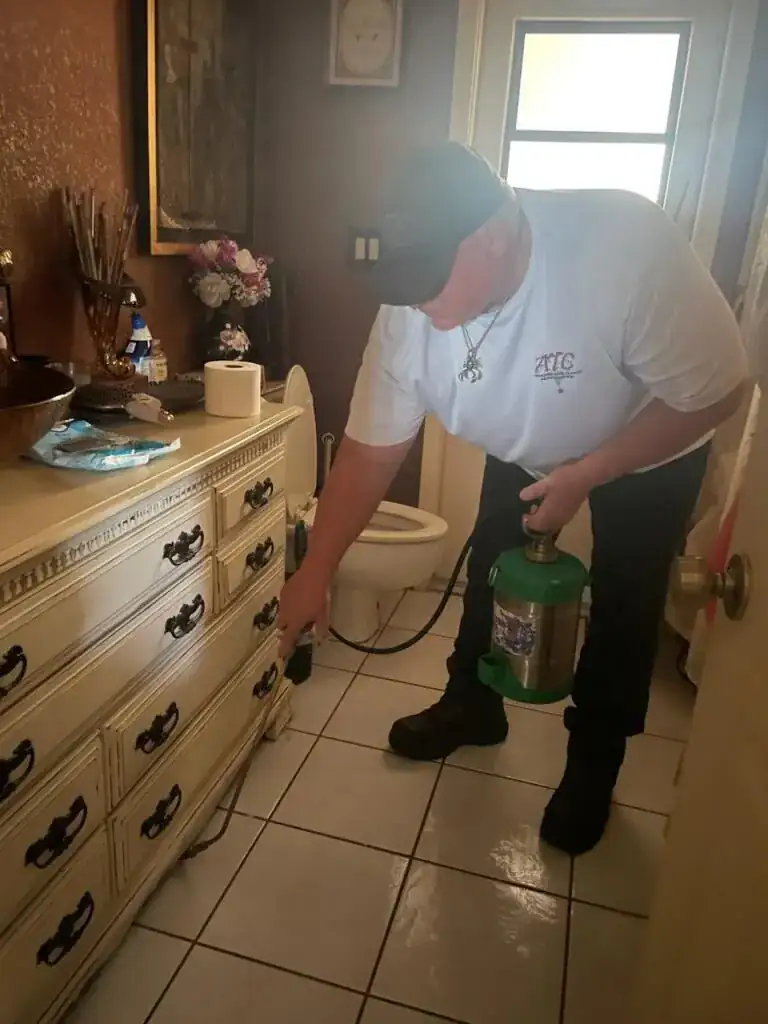
Pests don’t just wander into your house because they like your interior design. They’re motivated by the “Big Three”: snacks, drinks, and a place to hide. If your home is a 5-star resort for these, don’t be surprised when they check in.
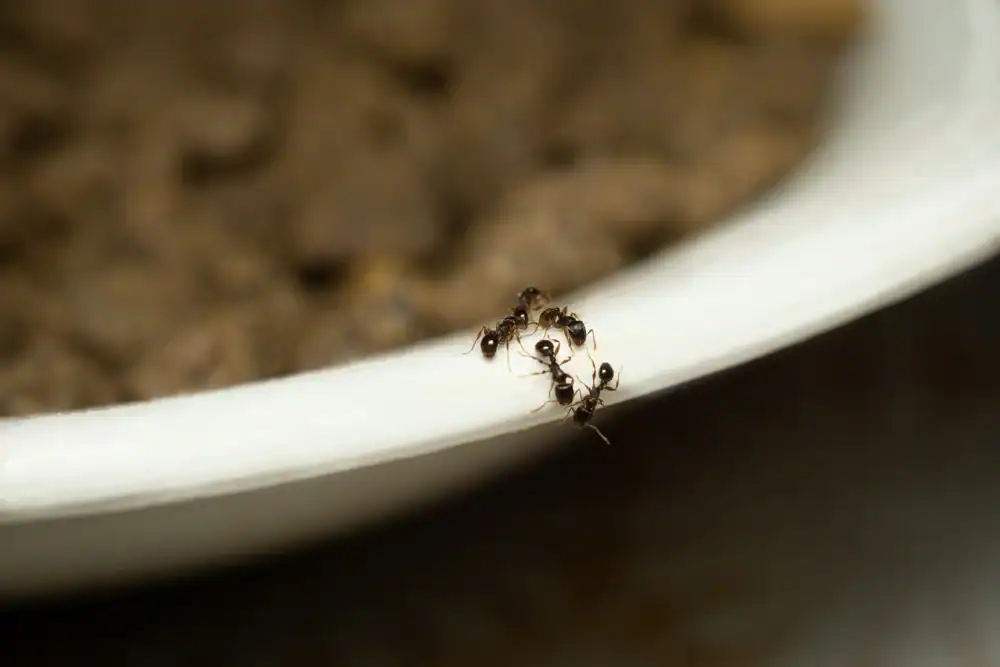
Food is everywhere. That one drop of soda you missed? That’s a feast. The crumbs under the toaster? That’s an all-you-can-eat buffet. Ants are basically the bloodhounds of the kitchen; once a scout finds your spilled honey, they leave a pheromone trail that’s basically a neon “Eat Here” sign for the rest of the colony. Roaches are even less refined—they’ll eat cardboard, book glue, or even their own cousins if things get desperate.
Water is the real deal-breaker. A roach can go weeks without a snack, but they’ll go “legs up” in seven days without a drink. That’s why your bathroom and laundry room are hotspots. A leaky faucet or a pet’s water bowl is basically a community pool. In Florida, moisture is our middle name. Leaky pipes and clogged gutters aren’t just home maintenance issues; they’re invitations for a pest party.
Shelter is the final piece. They want a quiet, dark spot where they won’t get squashed. Wall voids, the back of the oven, and those cardboard moving boxes you’ve been meaning to throw away are prime real estate. Cardboard is especially bad—it’s like a damp, edible hotel.
The kicker? You can have a home so clean you could eat off the floors, but if you have a gap under the door and a leaky sink, you’re still on the “Must Visit” list. Effective control is a cocktail of cleaning, fixing leaks, and playing bouncer at the door.
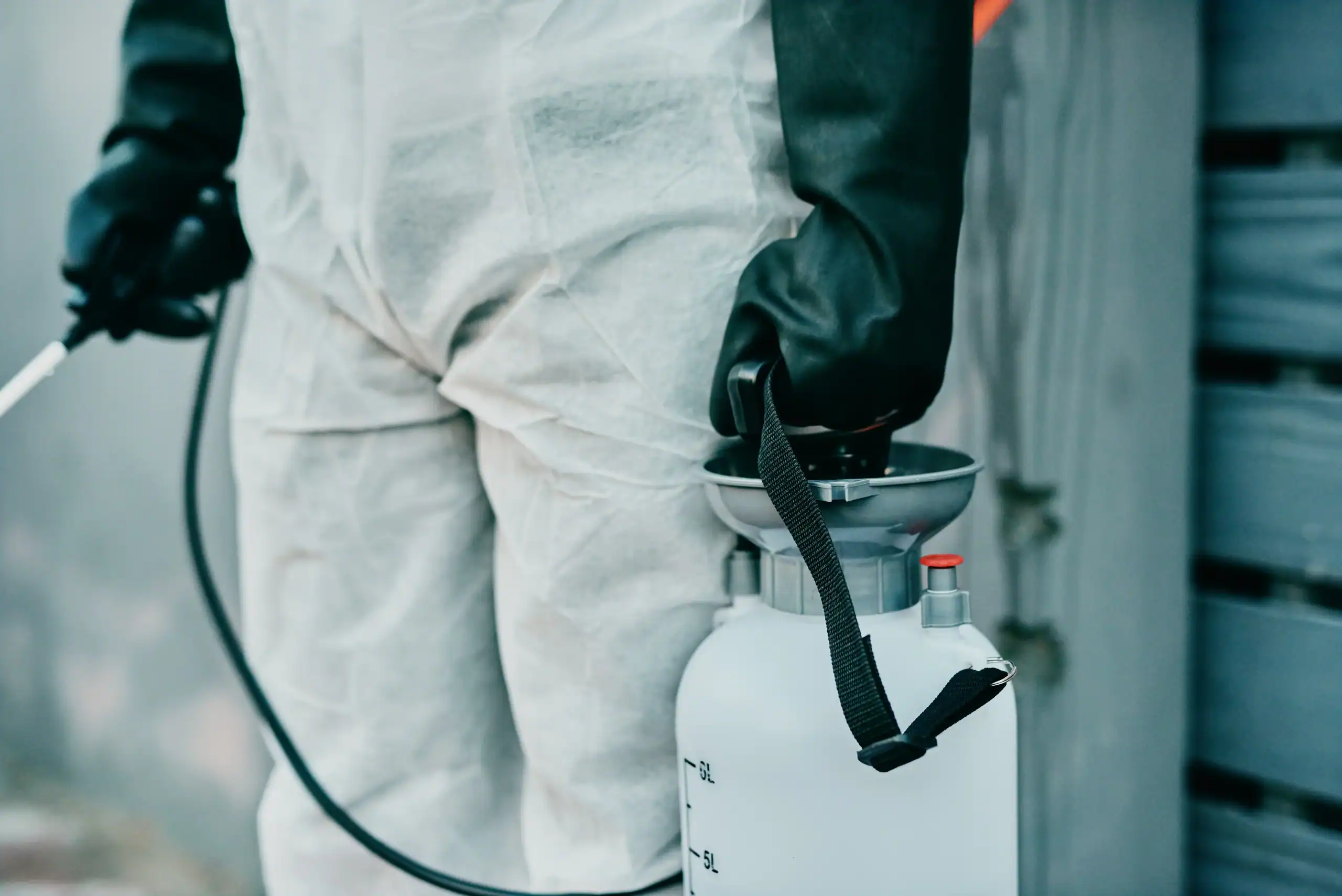
We’ve all been there: you see a bug, you panic, and you buy the biggest can of “Death Spray” at the hardware store. But playing Rambo in your kitchen usually backfires. Most DIY sprays are “repellents,” which sounds good until you realize all you’re doing is scattering the ants. You spray the kitchen, so they move into the pantry. You’ve just turned one problem into a game of hide-and-seek.
Baits are the smarter play, but they require the patience of a saint. Ant baits work because the ants take the “gift” back to the queen. If you spray the ants while they’re taking the bait, you’ve just killed the delivery driver. Nobody gets the package, and the colony stays alive. You have to let them eat in peace so they can take the poison home to the boss.
Roaches are even craftier. They’re skeptical. If you change products every three days, they’ll just avoid the area. It’s like a person seeing a different “Free Pizza” sign every day in a dark alley—eventually, you realize it’s a trap.
The biggest face-palm we see is ignoring the yard. Treating the inside of your house without checking the outside is like trying to dry off while you’re still standing in the shower. If you have mulch piled high against your foundation and branches touching your roof, you’ve built a bridge for the local ant population to march right into your attic.
Strategy beats strength every time. It’s not about how much stuff you spray; it’s about understanding that these bugs have a plan, and you need a better one. That is the difference between a “bug-free weekend” and a bug-free year.
Want live answers?
Connect with a Around The Clock Pest Service expert for fast, friendly support.
Now that we’ve established that Florida is a bug’s favorite vacation spot, let’s talk about how to cancel their reservation. These are the seven things we wish we could whisper to every homeowner in Pasco and Hernando County. They aren’t fancy, but they’re the “secret sauce” to a pest-free life.
You don’t have to turn into a survivalist overnight. Just start with one or two. Even minor tweaks to your routine can make your home about as attractive to a roach as a salad bar is to a five-year-old. When you combine these, you build a fortress.
Think of your home as a high-security vault. To an ant, a crack the width of a credit card is a four-lane highway. Roaches are even more impressive; they can flatten themselves out like they’re doing bug-yoga to slide through gaps you didn’t even know existed.
Grab a flashlight and do a “perimeter walk.” Look at where your pipes enter the house and where the AC lines come through. If there’s a gap, you’re basically leaving the front door open. Use caulk for the small stuff. For the bigger holes, use steel wool—bugs hate chewing on it—or expanding foam.
Check your door sweeps. If you can see sunlight under your back door, a roach can see a “Vacancy” sign. Replace those worn-out sweeps! And don’t forget the windows; a tiny tear in a screen is all a palmetto bug needs to make a grand entrance into your living room.
Then there are the “stealth” entries. Electrical outlets and light switches often lead directly into the wall voids where roaches love to commute. If you’re seeing bugs pop out of the walls in multiple rooms, they’re using your wiring like a subway system.
Finally, look at your landscaping. If your bushes are hugging your house, you’ve given the ants a ladder. Trim them back so there’s a “dead zone” between your plants and your walls. It makes it much harder for them to sneak up on you, and it gives the local lizards more room to do their job (bless those hungry little guys).
If I could tattoo one thing on every homeowner’s arm, it would be: “Dry is the Enemy of the Roach.” Moisture is the lifeblood of Florida pests. You can hide the crackers all you want, but if you have a damp crawl space, you’re still hosting the party.
Start under your sinks. A “slow drip” isn’t a minor fix; it’s a 24/7 watering hole. Fix those leaks! Wrap pipes that sweat with insulation so you don’t have “dew” dripping inside your cabinets. And please, for the love of all that is holy, don’t leave the dog’s water bowl out overnight. That’s just a late-night bar for every roach in a three-block radius.
The bathroom is often the “Water Park” of the house. Use your exhaust fans to suck out that humidity, or you’re basically inviting roaches to a sauna. Wipe down the shower after use. If you don’t have a fan, a small dehumidifier can go a long way in making the air too “crispy” for a roach’s liking.
Don’t forget the AC drain lines. If they get clogged, they create little puddles near your foundation that act as a homing beacon for ants. Outside, keep your gutters clean. When gutters overflow, they dump water right next to your foundation, turning your soil into a damp nursery for subterranean pests.
Empty those plant saucers! Standing water is a bug’s best friend. Even a small puddle in a low spot of your yard can sustain thousands of pests. Moisture management isn’t just about bugs, either—it stops mold and rot, too. If you’re seeing roaches during the day, it usually means their “wet spots” are getting overcrowded. That’s your cue to call in the professionals for a real eviction notice.
Winning the war against Florida bugs doesn’t require a miracle—just a plan. When you stop giving away free food and water, the “guests” usually move on to someone else’s house. The steps we’ve talked about today—sealing gaps, drying things out, and being smarter than the spray can—are the foundations of a bug-free life.
Think of it as a marathon, not a sprint. Florida’s weather is relentless, so your defense needs to be too. Simple habits, like fixing a leak today or trimming a bush tomorrow, pay off in a big way. And when you realize the bugs have a head start, having a pro on your side makes the fight much fairer.
If you’re in Pasco, Hernando, or anywhere near Spring Hill and Brooksville, and your “DIY” has turned into “OMG,” give us a shout at Around The Clock Pest Service. We’re a family-run outfit, which means we treat your kitchen like it’s our own. With over 100 five-star reviews, we’ve seen it all and squashed it all. Let’s get your home back to being a place for people, not pests.
Summary:
Article details:
Share: