
Fast, reliable pest control from Hernando County’s most trusted family-owned team—with most quotes given over the phone.
Contact Info
Fast, reliable pest control from Hernando County’s most trusted family-owned team—with most quotes given over the phone.
Contact Info
From swarm panic to real estate closings, here's what a termite inspection actually covers — and why it matters more in Hernando County than most homeowners realize.
Most homeowners in Spring Hill or Brooksville don’t think about termites until something happens — a swarm erupts from a window frame, a realtor mentions a WDO report, or a neighbor’s horror story hits a little too close to home. By that point, the question isn’t whether to get an inspection. It’s how fast you can get one scheduled.
Hernando County sits in one of the highest termite-risk zones in the country. The climate never gives colonies a reason to slow down, the soil stays moist year-round, and a significant portion of the county’s housing stock is exactly the age where problems tend to surface. Here’s what you actually need to know.
These terms get used interchangeably, but they’re not the same thing — and the difference matters, especially if you’re buying or selling a home in Hernando County. A general termite inspection is a visual assessment of accessible areas for signs of termite activity. A Wood Destroying Organism inspection, or WDO inspection, is a formal, licensed evaluation that produces an official state document: Florida Form 13645.
That form is what lenders, real estate agents, and VA loan processors actually recognize. It covers not just termites but also wood-boring beetles, wood-decaying fungi, and conditions that make your home vulnerable to future infestations. If someone hands you an “inspection report” that isn’t Form 13645, it may not hold up when it counts.
In Florida, only inspectors licensed through the Department of Agriculture and Consumer Services can issue this document. We hold that credential, and when we issue a WDO report, it’s the real document — the one your lender, your realtor, and your closing attorney will accept without question.
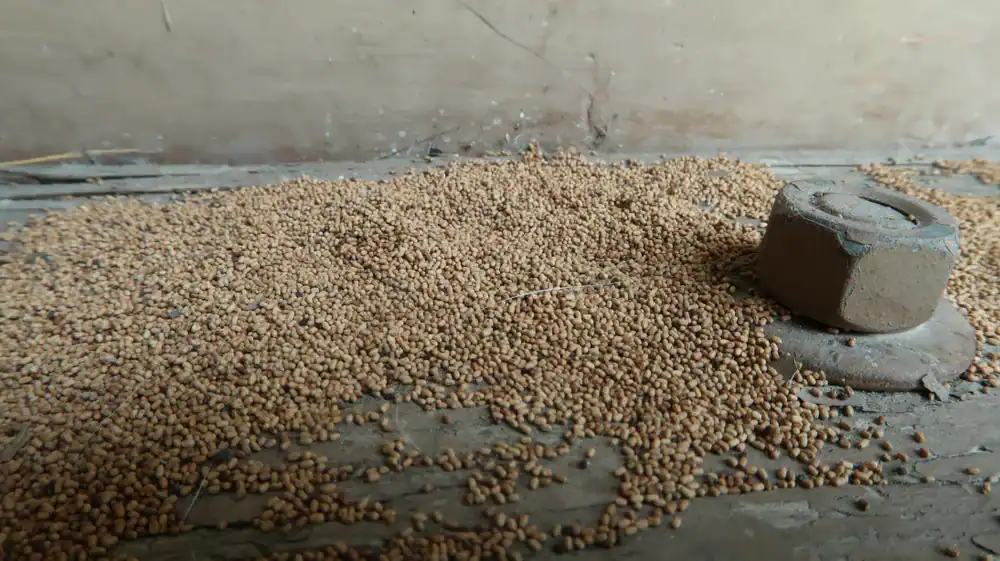
A thorough WDO inspection covers the full accessible structure — interior living areas, the attic, the garage, exterior foundation, and the surrounding grounds. We’re looking for mud tubes along foundation walls (a telltale sign of subterranean termites moving up from the soil), frass or termite droppings near baseboards or window sills, exit holes in wood surfaces, shelter tubes, and any wood that sounds hollow when tapped. We also assess conducive conditions — things like wood-to-soil contact, inadequate ventilation in crawlspaces, or moisture damage that hasn’t yet attracted termites but will.
The distinction between active infestation and old damage matters enormously in a real estate transaction. An inspector who can’t tell the difference — or who doesn’t clearly document it — can leave a buyer exposed. Form 13645 separates those findings into categories: current activity, previous treatment, previous damage, and areas that couldn’t be accessed. That specificity is what gives the report its legal and financial weight.
For Hernando County homeowners not in a transaction, the same inspection serves a different purpose: it tells you what’s actually happening in your home right now, before you have a visible problem. Subterranean termites feed from the inside out. By the time you notice buckling floors or hollow-sounding walls, the colony has usually been active for years. An annual inspection catches activity early, when treatment is simpler and far less expensive than structural repair.
If you’re buying a home in Hernando County with a VA or FHA loan, a WDO inspection is typically required — not just recommended. Florida’s classification as a high-risk termite state means lenders won’t skip this step, and for good reason.
One thing that trips up VA buyers specifically: as of 2022, VA loan buyers can now pay for their own WDO inspections. Prior to that rule change, the cost had to be covered by the seller. A lot of buyers — and some agents — still don’t know this. It matters because it removes a potential negotiation point from the transaction and puts the buyer in control of who they hire for the inspection.
For home buyers relocating from out of state — a significant portion of Hernando County’s growing population — this whole process can feel unfamiliar. Florida has termite risk categories that simply don’t exist in most northern states. The county falls under Termite Infestation Probability Zone 1, which is the highest classification under the International Residential Code. That designation exists because the soil conditions, climate, and species present in Hernando County create a genuine year-round risk that isn’t comparable to what buyers may have experienced in other markets.
If you’re under contract on a home in Spring Hill, Brooksville, or anywhere else in Hernando County and you need a WDO report before closing, we can typically schedule quickly and deliver the documentation your lender needs. When you call, you’re talking directly to the owner — not a scheduling system or a call center. That matters when you’re working against a closing deadline.
Want live answers?
Connect with a Around The Clock Pest Service expert for fast, friendly support.
In most of the country, “termite season” is a real thing — a defined window when colonies become active and inspections make sense. In Florida, that concept doesn’t apply the same way. Termites here don’t go dormant. The temperatures never drop low enough to slow them down, and Hernando County’s Gulf Coast humidity keeps soil conditions favorable for subterranean activity every month of the year.
What Florida does have is a swarming season — a period when reproductive termites (called alates) emerge in large numbers to start new colonies. That’s a different event than feeding activity, and understanding the difference changes how you respond to what you’re seeing.
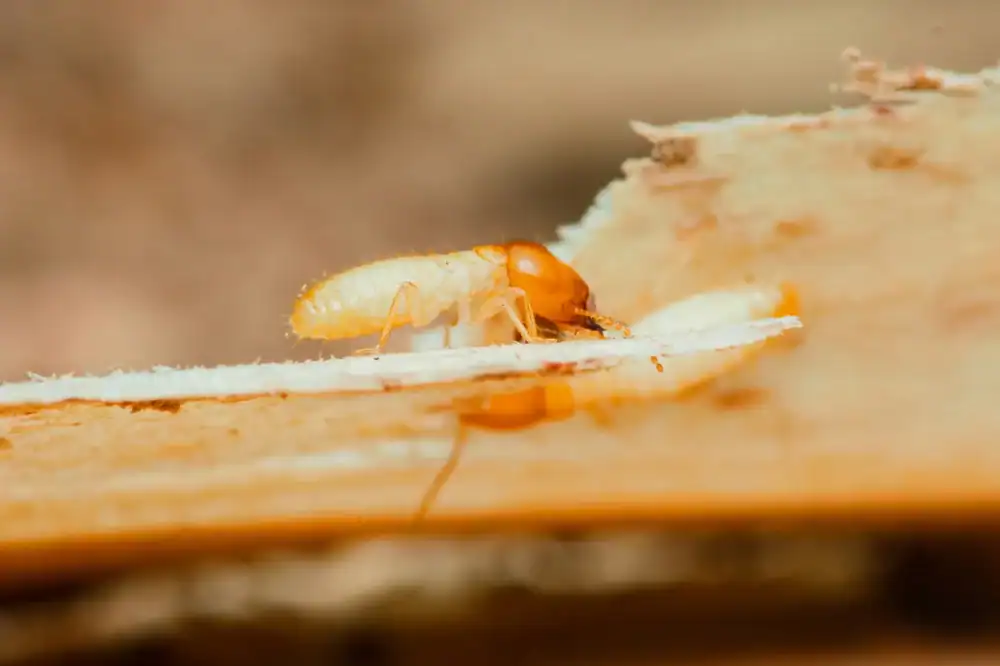
Florida’s termite swarming season runs from February through November — essentially eleven months of the year. Different species peak at different times, and knowing which one you’re dealing with affects what happens next.
Eastern subterranean termites are the most common species in Hernando County. They typically swarm from February through May, with the peak in March and April, usually in the afternoon following a warm rain. Formosan subterranean termites — sometimes called “super termites” because of their large colony size and aggressive feeding — swarm from April through June, typically in the evening after rainfall. Drywood termites, which live inside the wood itself rather than in the soil, swarm from June through September, with the peak in midsummer. West Indian drywood termites and cone-headed termites extend the active swarming window through November.
If you’ve seen what looks like flying ants emerging from your walls, your window frames, or the soil around your foundation, that’s almost certainly a termite swarm. It’s alarming to witness, but the swarm itself isn’t the damage — it’s the signal. Swarmers are reproductive termites looking to start new colonies. The existing colony that produced them has likely been active for years.
Swarms have been documented in Florida every month except December. In Weeki Wachee and Hernando Beach, where soil moisture stays high due to Gulf Coast proximity and shallow water tables, subterranean termite pressure is particularly intense. Homes in these areas, and throughout Hernando County, should be inspected annually — not just when something alarming appears. The right move when you spot a swarm is to call for an inspection quickly, not to wait and see if it happens again.
Tent fumigation is specific to drywood termites — it’s not the default treatment for every termite problem, despite how often it gets assumed. If an inspection confirms a drywood infestation throughout the structure, fumigation may be the most effective option. For most Florida homes, termite tenting costs range from $1,500 to $5,000 or more. In the Tampa Bay suburban market — which includes Hernando County — the typical range runs closer to $2,500 to $4,000 for a standard single-family home.
Tenting requires vacating the property for 24 to 72 hours. Pets, plants, and any food not sealed in airtight containers need to be removed before treatment. If you’re weighing tenting against a targeted treatment approach, that decision should follow a proper inspection — not precede it. The right treatment depends on the species identified and how far the infestation has spread, and that’s exactly what a WDO inspection is designed to determine.
If you’ve seen swarmers, you’re in the middle of a real estate transaction, or you’ve simply never had a professional inspection done on your Hernando County home — the next step is straightforward. Call and talk to someone who can actually answer your questions, give you a ballpark over the phone, and schedule quickly.
Termite damage isn’t covered by homeowners insurance. Repairs can run into the tens of thousands of dollars. An inspection that costs $75 to $300 is a small number against that kind of exposure — but only if you don’t wait until the damage is already done.
Around The Clock Pest Service is based in Spring Hill and serves all of Hernando County. We’re state-certified for WDO inspections, we answer every call personally, and we can usually give you a quote before anyone ever sets foot on your property. If you’re ready to schedule or just want to know what you’re dealing with, give us a call.
Summary:
Article details:
Share: