
Fast, reliable pest control from Hernando County’s most trusted family-owned team—with most quotes given over the phone.
Contact Info
Fast, reliable pest control from Hernando County’s most trusted family-owned team—with most quotes given over the phone.
Contact Info
Not all termite inspections are equal — and in Hernando County, the difference can cost you thousands. Here's what you need to know before closing.
If you’re buying a home in Spring Hill, Brooksville, Weeki Wachee, or anywhere else in Hernando County, there’s a good chance someone has already told you that you need a termite inspection. What they probably didn’t explain is what kind, how much it should cost, or why the free one your realtor mentioned might not be enough. That gap between “you need this” and “here’s what it actually means” is exactly where costly mistakes happen. This page gives you the full picture — what a WDO inspection covers, what it costs, and how to make sure you’re getting the real thing.
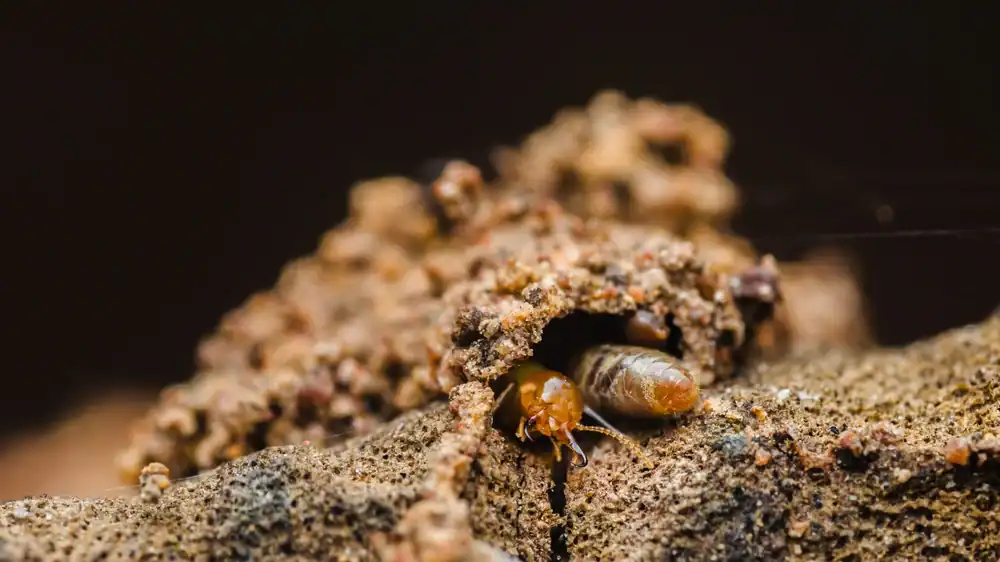
Most people use “termite inspection” and “WDO inspection” interchangeably, but they’re not quite the same thing. A WDO inspection — short for Wood Destroying Organism — is broader. It covers subterranean termites, drywood termites, wood-boring beetles, and wood-decaying fungi like white rot and brown rot. A standard termite inspection might only look at termite activity, full stop.
In Hernando County and across Florida, the official document that lenders, title companies, and VA and FHA loan processors actually require is Form FDACS-13645, issued by a licensed pest control operator certified by the Florida Department of Agriculture and Consumer Services (FDACS). If someone hands you a report that isn’t that form, it may not satisfy your lender — and you could find yourself scrambling to get the right paperwork days before closing.
In Hernando County, WDO inspection costs typically range from $75 to $300, depending on your property’s size and how accessible it is for the inspector. Larger homes, crawlspaces, and properties with limited attic access tend to land at the higher end of that range.
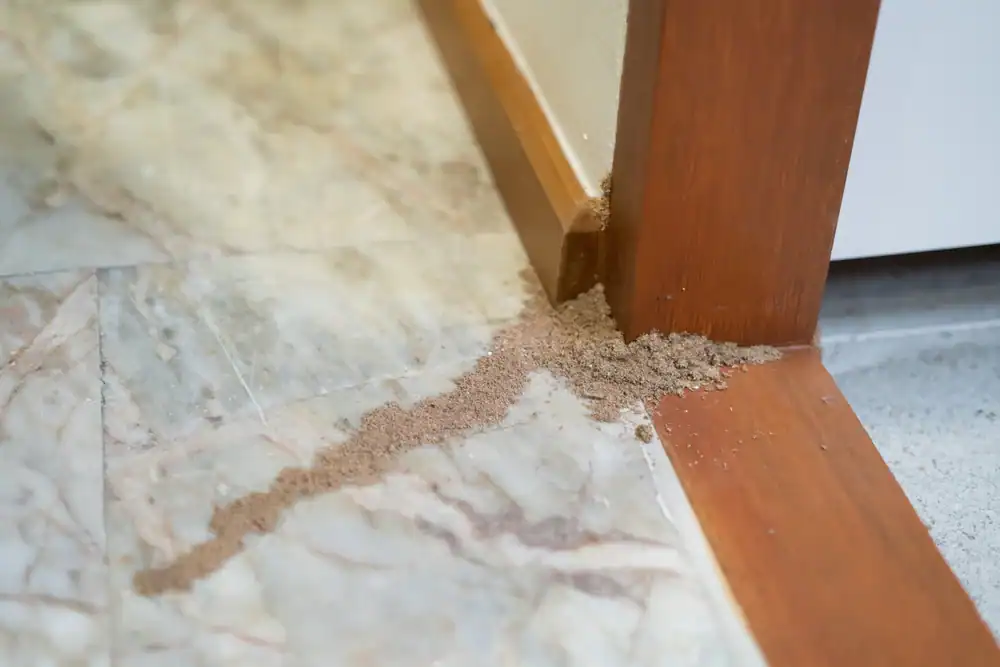
What you’re paying for isn’t just someone walking around your yard. A quality WDO inspection covers every accessible area of the home — attic, garage, all interior living spaces, the exterior foundation, and the surrounding grounds. The inspector is looking for mud tubes, frass (termite droppings), exit holes, discarded wings, live or dead insects, and moisture conditions that attract wood-destroying organisms. A thorough inspection on an average-sized home takes one to two hours. If someone’s in and out in under twenty minutes, that’s a red flag worth paying attention to.
One thing that surprises a lot of buyers: your standard home inspection doesn’t cover any of this. Home inspectors aren’t licensed to perform WDO inspections in Florida, and their reports won’t satisfy a lender’s requirement. You need a separate, FDACS-licensed pest control operator to conduct the WDO inspection and issue the official form. This is a legal requirement under Chapter 482 of Florida Statutes — not a suggestion.
The report itself is typically valid for 30 days in Hernando County real estate transactions, so timing matters. If your closing date shifts, you may need a fresh report. A provider who understands how real estate timelines work — and communicates directly with your lender or title company — makes a real difference when things move fast.
Free termite inspections are everywhere in Hernando County, and there’s nothing inherently wrong with them. Many reputable companies offer them as a way to introduce themselves to potential customers. If you’re a homeowner who just wants a general sense of whether you have a problem, a free inspection from a licensed provider can be a reasonable starting point.
Where it gets complicated is in real estate transactions. Free inspections are typically marketing tools — they’re designed to open a conversation about treatment services, not to produce independent documentation for a lender. The inspector works for a company that profits from finding problems, which creates a conflict of interest that’s worth being honest about. That doesn’t mean every free inspector will steer you wrong, but it does mean the incentive structure isn’t working in your favor.
More practically: many free inspections don’t result in the official FDACS Form 13645 that your mortgage lender requires. Some providers exclude large portions of the home from the report, citing limited accessibility, which leaves you with a document that looks official but covers very little. If a lender rejects the report, you’re starting over — and potentially delaying your closing.
For a real estate transaction, a paid WDO inspection from an FDACS-licensed operator who will issue Form 13645 and stand behind their findings is the cleaner, safer choice. The cost — somewhere between $75 and $300 in Hernando County — is a small number relative to what’s at stake. Termites cause more than $5 billion in property damage annually across the U.S., and the average cost of treatment and repairs runs over $9,000 per incident. Homeowner’s insurance won’t cover it. What the inspection costs is almost beside the point when you frame it that way.
For homeowners not in the middle of a real estate deal, the calculus is a little different. Florida has roughly 13 termite colonies per acre statewide, and termites can feed on a home’s structure for three to five years before any visible damage appears. An annual inspection — paid or free, as long as it’s thorough and conducted by a licensed operator — is smart practice regardless of whether you’re selling.
Want live answers?
Connect with a Around The Clock Pest Service expert for fast, friendly support.
If you’ve been talking to realtors or sellers in Hernando County, you’ve probably heard the term “termite bond” come up. It sounds reassuring — like the home is protected. But a termite bond is not the same as a WDO inspection, and the coverage it provides can vary significantly depending on what’s actually in the contract.
Understanding the difference before you close is worth the few minutes it takes, because assuming a bond means full protection is one of the more common and expensive mistakes Hernando County homebuyers make.
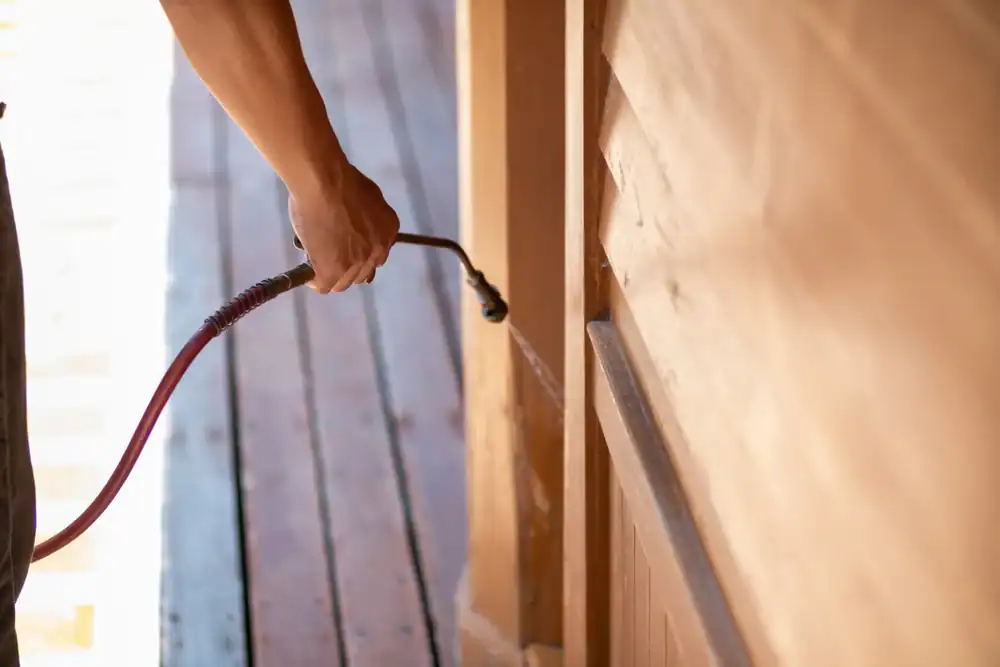
A termite bond in Florida — sometimes called a termite warranty or termite service agreement — is a contract between a homeowner and a pest control company. It typically involves regular inspections and a guarantee that the company will retreat the property if termites are found. Initial setup costs generally run between $700 and $1,000, which usually includes an inspection and any necessary initial treatment. Annual renewal fees typically fall in the range of $300 to $400.
Here’s the critical detail: not all termite bonds are created equal. Some cover retreatment only — meaning if termites come back, the company will treat again at no charge, but they won’t pay for any structural damage that occurred in the meantime. Others include a repair warranty, which means the company is also on the hook for damage repair up to a specified limit. The difference between those two types of coverage is enormous, and it’s buried in the contract language.
Formosan termites, which are particularly aggressive and increasingly common in Florida, are sometimes excluded from standard bond coverage. If you’re buying a home in Hernando County — especially an older home in communities like Timber Pines or Sterling Hill, where the housing stock includes a lot of 1970s and 1980s wood-frame construction — it’s worth asking specifically whether Formosan termites are covered under any existing bond.
One more thing worth knowing: a termite bond is not a substitute for a WDO inspection at closing. Lenders don’t accept a bond in place of Form FDACS-13645. The two serve completely different purposes. The WDO report tells you the condition of the home at a specific point in time. The bond is an ongoing service agreement for future protection. You may end up wanting both — but they’re not interchangeable.
This is the question buyers are most afraid to ask, because they assume the answer is “the deal falls through.” It usually doesn’t. A WDO finding gives you information — and information is leverage.
When an inspection turns up evidence of active termites, prior termite activity, or wood damage, you have options. You can ask the seller to pay for treatment before closing. You can negotiate a price reduction to account for the cost of remediation. You can request repairs to damaged structural elements as a condition of the sale. In some cases, buyers walk away — but that’s a choice, not an automatic outcome. The inspection puts you in a position to make that choice with full knowledge of what you’re buying.
The alternative — skipping the inspection or accepting a cursory free one — means you absorb all of that risk yourself. Repair costs for termite damage in Florida range from $600 for minor fixes to more than $7,000 for structural work, and full fumigation for a drywood termite infestation can run considerably higher. None of that is covered by homeowner’s insurance. The insurance exclusion exists precisely because Florida’s climate makes termite infestation so predictable — it’s considered a preventable condition, not an unforeseen event.
For buyers using VA loans, there’s an additional layer to understand. A 2022 rule change now allows VA borrowers to pay for their own WDO inspections and any required repairs, which gives buyers more control over the process and the timeline. If you’re a military family relocating to Hernando County — and there are many, given the area’s proximity to Tampa — knowing this rule exists can prevent a lot of unnecessary friction at closing.
The bottom line is that a WDO inspection finding is not a verdict. It’s information. The buyers who benefit most from the process are the ones who treat it that way.
The cost of a WDO inspection in Hernando County — $75 to $300 depending on your property — is one of the smaller numbers in a real estate transaction. What it buys you is certainty about a risk that homeowner’s insurance won’t cover and that can stay invisible for years before it becomes expensive.
If you’re buying in Spring Hill, Brooksville, Weeki Wachee, or anywhere else in Hernando County, make sure the provider you hire is FDACS-licensed, will issue Form FDACS-13645, and actually understands what your lender needs. Those aren’t unreasonable standards — they’re the minimum.
Around The Clock Pest Service is a family-owned, state-certified pest control and WDO inspection company based in Spring Hill. We answer every call personally, most quotes are provided over the phone, and same-day scheduling is available when you call before noon. If you have questions about what a WDO inspection covers or what your specific situation requires, reach out — we’re here to give you a straight answer.
Summary:
Article details:
Share: