
Fast, reliable pest control from Hernando County’s most trusted family-owned team—with most quotes given over the phone.
Contact Info
Fast, reliable pest control from Hernando County’s most trusted family-owned team—with most quotes given over the phone.
Contact Info
Termite treatment costs in Florida vary widely — and most homeowners don't know why until they're already dealing with damage. Here's a clear breakdown for Hernando County.
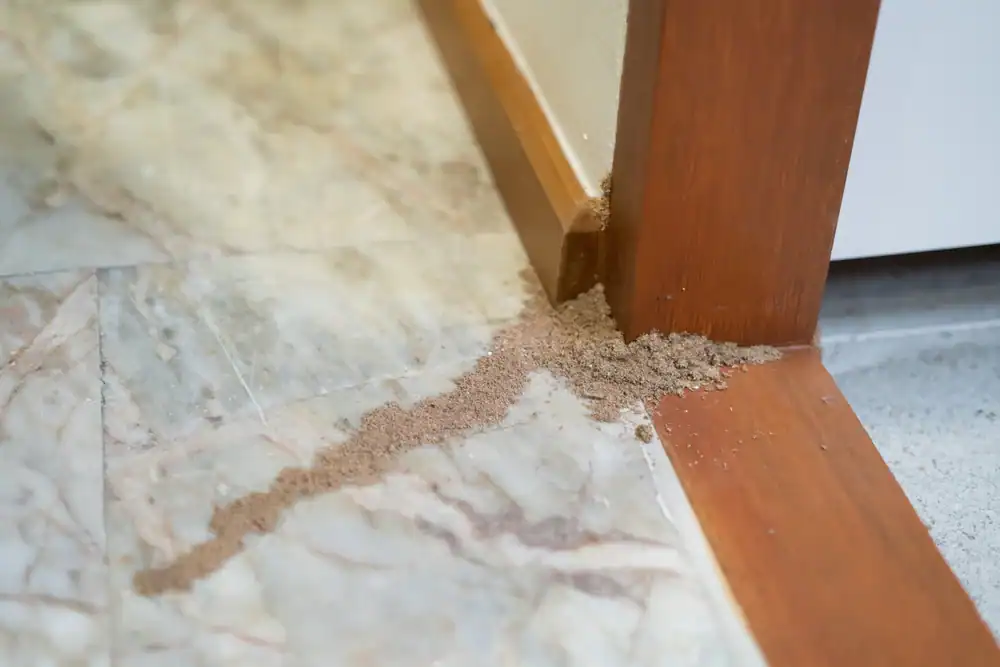
If you’ve started searching what termite removal costs, something probably prompted it — a swarm near a window, a neighbor’s experience, or a WDO report that came back with findings you weren’t expecting. Whatever brought you here, you’re right to look into it before things go further.
The honest answer is that costs vary, and the range is wide enough to be genuinely confusing. But the factors that drive pricing aren’t complicated once you understand them. This guide walks through what Hernando County homeowners actually pay, what affects the final number, and what it means for your situation.
Nationally, termite treatment costs typically fall somewhere between $264 and $1,032, with a commonly cited average around $621. But that number reflects a broad range of situations — from a small spot treatment on a minor infestation to a full liquid barrier application on a larger home.
In Florida, the range shifts upward. The combination of multiple active termite species, year-round activity, and older housing stock means treatments here tend to be more involved than in cooler, drier states. For Hernando County homeowners, estimates from pest control sources put the average treatment cost between $1,300 and $2,500, with more extensive cases reaching $5,000 or more.
What matters more than the average is understanding what’s driving the cost in your specific situation — because two homes on the same street can receive very different quotes depending on the species involved, the treatment method required, and how far the infestation has spread.
Florida has more established termite species than any other state in the continental U.S. — twenty in total, with six of those classified as invasive. In Hernando County, homeowners are dealing with both subterranean and drywood termites, which is a dual-species challenge that not every Florida county faces at the same intensity.
Subterranean termites live in the soil and build mud tubes to access wood above ground. Drywood termites, by contrast, live entirely within the wood they’re consuming — no soil contact required. Each species calls for a different treatment approach, and getting that wrong isn’t just ineffective, it’s expensive.
The Nature Coast geography adds to this pressure. Hernando County sits along the Gulf Coast, surrounded by springs, rivers, and consistently moist soil — exactly the conditions subterranean termite colonies need to establish and expand. There’s no dry season that slows them down. There’s no winter cold that kills a colony. Pest activity here runs twelve months a year without interruption.
Spring Hill, the county’s largest community, was developed starting in 1967. A significant portion of its housing stock is now forty to fifty years old — homes that have had decades of potential termite exposure, sometimes without consistent treatment history. If you’ve purchased an older home in Spring Hill or Brooksville without a recent inspection on record, that’s worth taking seriously.
There’s also the insurance reality that most homeowners don’t find out about until it’s too late: standard homeowner’s insurance policies specifically exclude termite damage. Every dollar of treatment and every dollar of structural repair comes directly out of your pocket. In a county where the median home value sits around $314,000, that’s a financial exposure worth understanding before you’re in the middle of it.
The good news is that early treatment is dramatically less expensive than remediation after significant damage has occurred. Termites can feed on a structure for three to five years before a homeowner notices anything. By the time you see visible damage — soft wood, sagging floors, hollow-sounding walls — the colony has typically been there for a while. Treatment at that stage still works, but it’s rarely as straightforward or as affordable as catching the problem earlier.
One of the most common questions we hear is whether ongoing termite protection is worth the cost, or whether it’s better to treat once and revisit the question later. In most parts of the country, that’s a reasonable debate. In Hernando County, it isn’t really a debate at all.
Because termite pressure here is continuous — not seasonal — a one-time treatment without any follow-up monitoring leaves your home unprotected the moment that treatment’s coverage begins to degrade. Soil barriers break down over time. Bait station activity needs to be checked and refreshed. Without annual inspection and maintenance, you’re essentially starting the clock over on undetected exposure.
Annual bait station monitoring typically runs in the range of $200 to $400 per year, depending on the size of the property and the number of stations. That’s a known, predictable cost. Compare that to the average structural repair bill for termite damage in Florida — sources put that figure between $8,000 and $12,000 per incident — and the math becomes straightforward. Prevention is not an upsell. It’s the cheaper option by a wide margin, and the only one that keeps your home continuously protected.
For homeowners in Hernando County who are buying or selling, there’s another layer to this: WDO inspections are a standard part of the real estate closing process in Florida. A WDO report documents the presence or absence of wood-destroying organisms and is typically required before a sale can close. If you’re listing a home and termite activity is found at inspection, you’re dealing with treatment costs, repair costs, and potential closing delays — all at once, and under deadline pressure. Having a current treatment history and an active protection plan on record makes that process significantly smoother.
The cost of a WDO inspection in Hernando County typically ranges from $75 to $300, depending on property size and accessibility. That’s a relatively small number compared to what it reveals — and what it protects you from if you’re on either side of a real estate transaction.
Want live answers?
Connect with a Around The Clock Pest Service expert for fast, friendly support.
When you get a termite treatment quote, it’s worth understanding what’s actually going into that number — because not all treatments are the same, and the method matters as much as the price.
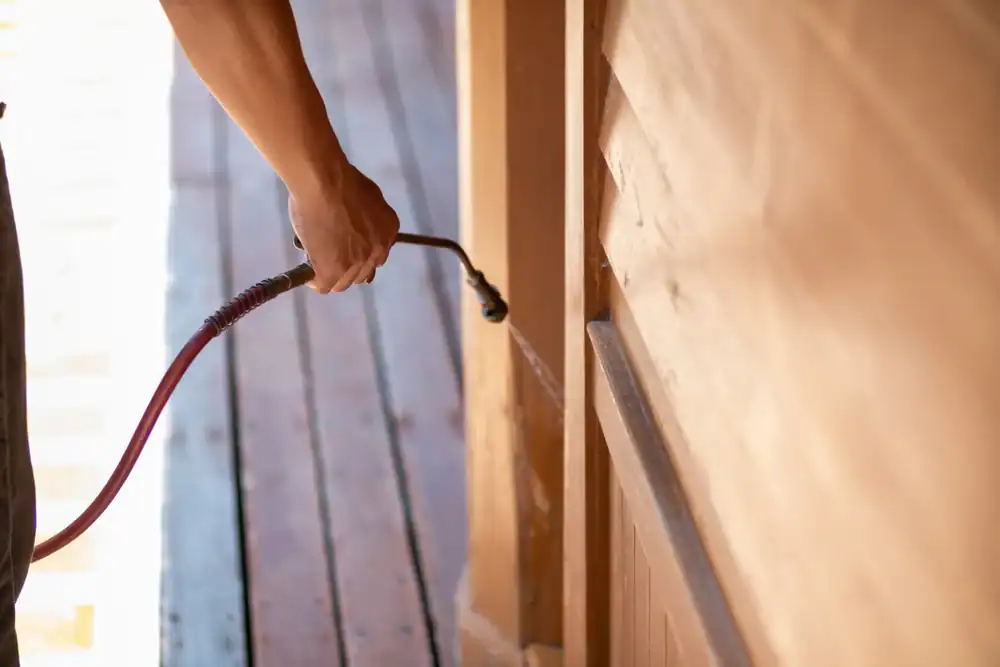
The two most common approaches for subterranean termites are liquid soil barriers and bait station systems. Liquid barriers involve applying termiticide to the soil around and beneath the structure, creating a treated zone that termites can’t cross. Bait stations are placed in the ground around the perimeter of the home and work by attracting termites to a slow-acting bait that gets carried back to the colony. For drywood termites — which live inside the wood itself — treatment options include spot treatments and, in more severe cases, whole-structure fumigation.
Each method has a different cost profile, a different timeline, and a different set of trade-offs. A licensed inspector can tell you which approach is appropriate for your situation, but it helps to go into that conversation knowing the basics.
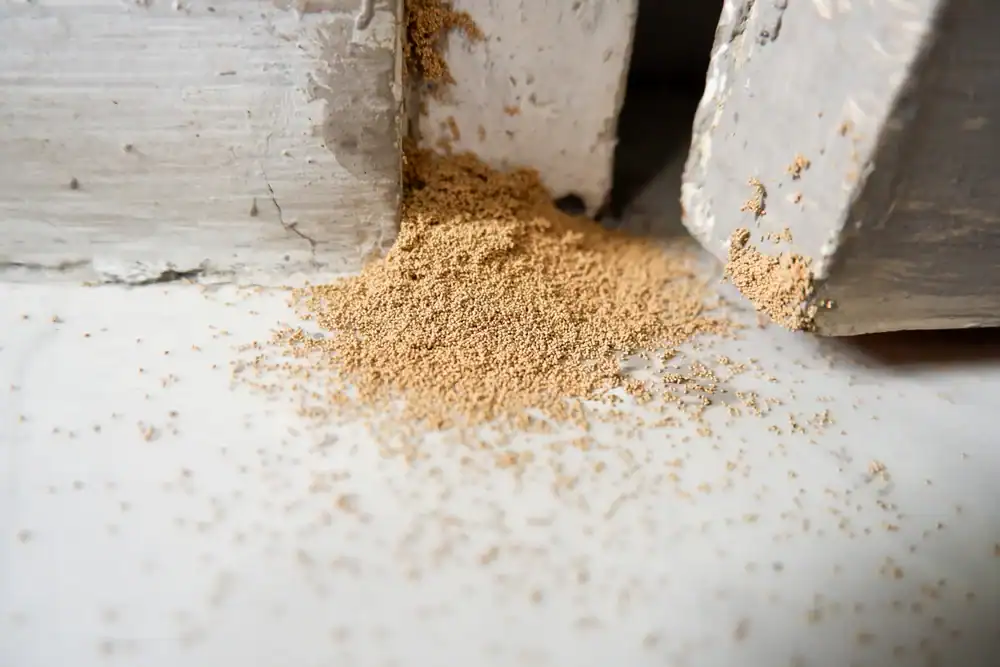
If you’ve received more than one quote and the numbers don’t match, that’s actually normal — and it doesn’t automatically mean someone is overcharging you. Several legitimate factors can move the price significantly in either direction.
The size of your home is one of the biggest variables. Liquid barrier treatments are typically priced by linear footage of the structure’s perimeter, not by square footage. A larger footprint means more termiticide, more labor, and a higher total cost. Bait station systems are similarly priced based on the number of stations required to cover the perimeter, which scales with the size of the property.
The species involved matters too. Subterranean termite treatment and drywood termite treatment are fundamentally different processes with different materials and different labor requirements. If your home has evidence of both — which is possible in Hernando County — the treatment plan will reflect that added complexity.
Severity and accessibility are the other major drivers. A localized infestation in an accessible area of the structure is a very different job than widespread activity in a crawl space, under a slab, or in structural framing that requires significant access work. The more extensive the infestation and the harder it is to reach, the more the treatment will cost — not because the company is padding the bill, but because the work genuinely takes more time, materials, and expertise.
One thing worth asking any company you’re evaluating: what does the quote include after the initial treatment? A warranty or re-treatment guarantee matters. If termites return within a defined period and the company retreats at no additional charge, that has real value. If the quote doesn’t include any post-treatment coverage, the lower number may not actually be the better deal.
This question comes up often, and it deserves a straight answer. Consumer-grade termite products are available at hardware stores, and some homeowners try them before calling a professional. The results are generally disappointing, and in Florida specifically, there are structural reasons why.
Professional termiticide formulations are more concentrated and more effective than what’s available to the general public. Certain restricted-use pesticides registered for termite control aren’t available to consumers at all under federal law. The products you can buy off the shelf are designed for surface-level pest management — not for treating an established colony that may extend several feet into the soil or deep into the framing of your home.
Florida law also requires that anyone performing termite control for compensation hold a current license issued by the Florida Department of Agriculture and Consumer Services under Chapter 482 of the Florida Statutes. That licensing requirement exists because termite treatment — when done correctly — requires training, equipment, and knowledge of application methods that go well beyond what a product label can convey.
Beyond the regulatory and efficacy issues, there’s the diagnostic problem. Knowing you have termites is only the first step. Knowing which species, where the colony is centered, how far activity has spread, and which treatment method is appropriate for your structure — that’s what a licensed inspection provides. Treating the wrong species with the wrong method, or treating a symptom while missing the source, doesn’t solve the problem. It delays it while the damage continues.
We’re state-certified by the Florida Department of Agriculture for pest control, termite inspections , and WDO real estate inspections. When you call Around The Clock Pest Service, you’re talking directly to the owner — not a call center, not a dispatcher — and we can walk you through what we’re seeing, what we’d recommend, and what it’s likely to cost, often right over the phone.
The cost of termite removal in Hernando County is real, but it’s manageable — especially when you catch the problem early and work with someone who gives you a straight answer about what you’re dealing with.
For homeowners here, the combination of year-round termite activity, aging housing stock, and the insurance gap that leaves repair costs entirely on your shoulders makes this one of those situations where waiting genuinely costs more than acting. The difference between a treatment bill and a treatment-plus-major-repair bill can be years of undetected activity.
If you have questions about what you’re seeing, need a WDO inspection before a closing, or just want to understand your options without sitting through a sales pitch, reach out to Around The Clock Pest Service . We’ll tell you what we think, give you a real answer, and let you decide from there.
Summary:
Article details:
Share: