
Fast, reliable pest control from Hernando County’s most trusted family-owned team—with most quotes given over the phone.
Contact Info
Fast, reliable pest control from Hernando County’s most trusted family-owned team—with most quotes given over the phone.
Contact Info
Stop seasonal spider invasions with expert control strategies. Learn what works, what doesn't, and how to protect your Florida home year-round.
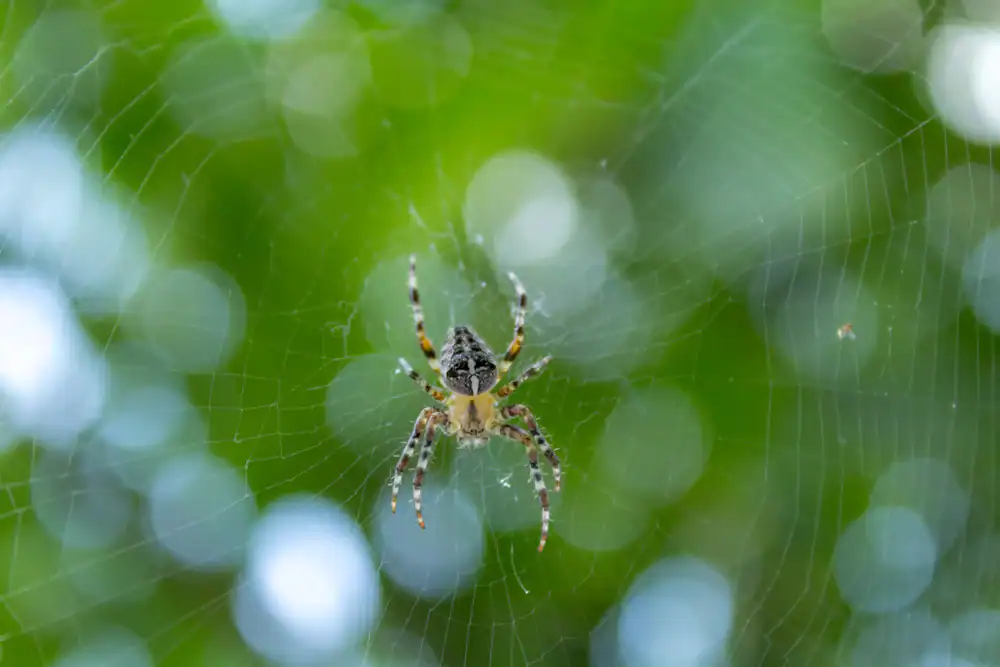
You sweep down the webs on Monday. By Friday, they’re back in the same corners. You spot movement near the ceiling and wonder if it’s harmless or something your kids shouldn’t get near. Florida’s spider season doesn’t take breaks, and the constant battle gets old fast.
The truth is, spiders follow patterns. They show up when conditions are right, and they’ll keep coming back until something changes. This isn’t about killing every spider you see. It’s about understanding what draws them in, how to disrupt their cycle, and when professional spider control makes more sense than another can of spray.
Let’s talk about what actually works for homeowners in Pasco County, FL and Hernando County, FL.
Spiders don’t randomly pick your house. They’re following food, seeking shelter, or looking for mates, and Florida’s climate makes timing predictable.
Late summer into early fall marks peak spider season. August and September bring mating activity, which means male spiders leave their hiding spots and become visible. After spiders hatch in spring, populations build through summer and hit full force by the time fall approaches.
But it’s not just about reproduction. When Florida’s late-summer rains push other insects indoors, spiders follow. Your home becomes a hunting ground stocked with flies, ants, and roaches. Add Florida’s year-round warmth and humidity, and you’ve got an environment where spiders never truly disappear. That’s why pest control in Pasco County, FL and Hernando County, FL requires different strategies than northern states that get winter breaks from pest pressure.

Spiders go where the food is. If you’re seeing spiders regularly, you’ve got other insects they’re feeding on. Flies near trash bins, ants in the kitchen, roaches in damp areas—all of these create a buffet that keeps spiders interested. This is why comprehensive pest control addresses more than just spiders.
Your home’s structure matters too. Cracks around windows and doors, gaps in weather stripping, spaces where utility lines enter—these are highways for spiders. They don’t need much room. A worn door seal or a small foundation crack works just fine.
Clutter gives them cover. Boxes in the garage, piles of storage in the attic, stacks of firewood against the house—spiders love undisturbed spaces where they can build webs without interference. The more hiding spots you provide, the more comfortable they get.
Outdoor conditions play a role. Overgrown shrubs touching your walls, dense vegetation near the foundation, mulch piled high against the house—all of this creates shelter for both spiders and the insects they hunt. When outdoor spaces connect directly to your home, spiders treat it like an extension of their territory.
Lighting attracts their prey. Bright outdoor lights draw moths, beetles, and flying insects, which then attract spiders. It’s a chain reaction that starts with a porch light and ends with webs covering your entryway.
Moisture is a magnet. Leaky faucets, clogged gutters, damp basements, humid crawl spaces—spiders and their prey both need water. Fix moisture problems, and you remove one of the main reasons they stick around. This same moisture also attracts termites and rodents, which is why termite inspections and rodent control often go hand-in-hand with spider prevention.
Understanding these attractants gives you leverage. You’re not just reacting to spiders you see. You’re changing conditions that make your home appealing in the first place.
Not all spiders pose the same risks, and knowing what you’re dealing with helps you respond appropriately. Here are the species most common to Pasco County, FL and Hernando County, FL homes.
Wolf spiders are large, fast ground hunters that don’t build webs. You’ll see them darting across floors or popping up in garages and crawlspaces. They look intimidating because of their size and speed, but they’re not aggressive toward people. Their bites can be painful but aren’t medically dangerous.
Jumping spiders are small, fuzzy, and curious. They have large front eyes and quick movements. You’ll find them on windowsills and walls hunting small insects. They’re harmless and actually help with ant control and flea control by eating these smaller pests, but their sudden jumps can startle you.
Common house spiders build messy cobwebs in corners, basements, and garages. They’re small, brown or gray, and prefer quiet spaces. These are the webs you’re constantly sweeping down. The spiders themselves are harmless, but their webs collect dust and make your home look neglected.
Cellar spiders, often called daddy longlegs, have tiny bodies and extremely long, thin legs. They build large, tangled webs in basements, attics, and garages. Despite myths about their venom, they’re completely harmless to humans and actually help control other spider populations.
Southern black widows are the ones that demand caution. Females have glossy black bodies with a distinctive red hourglass marking on the underside of their abdomen. They build irregular webs in undisturbed areas like woodpiles, sheds, mailboxes, and garages. Their venom is potent and can cause severe reactions requiring medical attention, though bites are rare when you’re not directly threatening them. If you spot these, call an exterminator rather than attempting removal yourself.
Brown widows have become increasingly common throughout Florida’s Gulf Coast, including both Pasco and Hernando counties. They’re tan to dark brown with orange or yellow hourglass markings and black-and-yellow banded legs. Their venom is actually more potent than black widows, but they inject less of it. Bites are painful but typically less dangerous. You’ll find them around outdoor furniture, fences, and sheltered corners.
Huntsman spiders can grow up to four inches with legs extended. They’re flat-bodied, fast-moving, and often found behind furniture, in attics, or in garages. Despite their size, they’re not aggressive and help control other pest populations. They don’t build webs—they actively hunt.
Orb weavers, including the golden silk spider (often called banana spiders), build large, impressive webs. These are the webs you walk into across walkways and between trees. The spiders themselves are beneficial, controlling mosquitoes and flies, and they’re not dangerous. But their webs are a nuisance when they block high-traffic areas.
Knowing the difference between harmless spiders and venomous ones changes how you respond. Most spiders you encounter won’t hurt you. But when you spot black widows or brown widows, especially in areas where kids or pets play, that’s when professional spider control makes sense.
Want live answers?
Connect with a Around The Clock Pest Service expert for fast, friendly support.
Controlling spiders requires more than swatting what you see. You need to disrupt their environment, eliminate their food sources, and create barriers they won’t cross.
Start with sanitation. Remove webs as soon as you see them. Use a vacuum with a hose attachment to reach corners, ceilings, and behind furniture. Don’t just knock webs down—remove them completely, including egg sacs. Each egg sac can contain 30 to 100 baby spiders.
Seal entry points. Walk your home’s perimeter and identify cracks, gaps, and openings. Caulk around windows and door frames. Replace worn weather stripping. Install door sweeps on exterior doors. Check where utility lines enter and seal those gaps. Spiders need very little space to get inside. This same sealing also helps with termite prevention and keeps out other pests.
Control their food source. If you’re dealing with flies, ants, roaches, or other insects, address those problems through proper pest control. Spiders follow prey. Eliminate what they’re hunting through ant control, flea control, and general pest management, and spiders will move on to find food elsewhere.

DIY methods have their place, but understanding their limitations helps you decide when to call a professional exterminator.
Over-the-counter sprays and natural repellents like peppermint oil require frequent reapplication—often weekly, especially outdoors where rain and sunlight break them down quickly. Many homeowners use these products indoors only, which leaves outdoor spaces as open invitations for spiders to return. The effectiveness of natural deterrents like vinegar, chestnuts, or essential oils isn’t well-established by scientific research. They might work temporarily in small areas, but they don’t address the root cause.
Sticky traps help monitor activity and catch wandering spiders, but they’re passive. They don’t prevent new spiders from entering or address existing populations in wall voids and hidden spaces. Traps work best as part of a larger spider control strategy, not as a standalone solution.
Professional-grade treatments last significantly longer—typically 30 to 90 days depending on the product and environment. We use residual insecticides that not only kill spiders on contact but leave a lingering barrier that continues working long after application. We target both spiders and the insects spiders feed on, creating a dual approach that keeps populations from bouncing back.
Quarterly pest control service is standard in Pasco County, FL and Hernando County, FL because of year-round pest pressure. Unlike regions that get a winter break from pests, Florida’s climate means spiders, roaches, termites, and ants remain active all year. Quarterly treatments maintain a protective barrier without gaps in coverage.
Professional exterminators also identify species correctly. Most people can’t tell the difference between a harmless house spider and a venomous brown recluse. We know what we’re looking at, where different species hide, and which treatment methods work best for each situation. We can also spot signs of other issues during service calls, like termite activity requiring termite inspections or evidence of rodent control needs.
Web removal is often included with professional spider control service. We use specialized tools to reach high eaves, attic spaces, and other difficult areas. We remove not just the webs but also egg sacs that DIY efforts often miss.
Treatment plans get customized to your home’s specific needs. A well-sealed newer home might stretch comfortably to quarterly service, while an older house with crawlspaces might need treatments every other month. Properties near water or with chronic moisture problems may require bi-monthly visits.
The real value comes from consistency. One-time treatments can knock down active populations, but without follow-up, spiders return as soon as conditions allow. Regular professional pest control creates ongoing protection that adapts to seasonal changes and prevents problems before they escalate.
Treatment frequency depends on your home’s specific conditions, but patterns exist across most Florida properties.
Quarterly treatments work for most residential homes in Pasco County, FL and Hernando County, FL. This schedule aligns with Florida’s pest pressure and the lifespan of professional-grade products. Treatments applied every three months maintain a protective barrier without letting spider populations rebuild between visits. Many pest control companies bundle spider control with ant control, flea control, and general pest management in quarterly plans.
Bi-monthly service makes sense for homes with persistent issues. Properties near water, older homes with multiple entry points, structures with chronic moisture problems, or homes surrounded by heavy vegetation often need more frequent attention. If you’re still seeing significant spider activity six weeks after treatment, your home likely falls into this category.
Monthly service is rarely necessary unless you’re dealing with severe infestations or commercial properties with high standards for appearance. Most residential situations don’t require this level of frequency, and it’s not cost-effective for typical spider control.
Seasonal treatments target peak activity periods. If you’re only treating once or twice a year, focus on late summer (August) before spider season peaks. A second treatment in early spring addresses populations before they build through summer. This approach works for homes with minimal spider pressure, but it leaves gaps in protection.
One-time reactive visits handle immediate problems but don’t prevent recurrence. If you spot a black widow near your patio or discover a major infestation in your garage, a single treatment from an exterminator eliminates what’s there. But without follow-up, conditions that attracted spiders in the first place remain unchanged.
The right schedule also considers what you’re seeing between treatments. Spotting an occasional dead spider is normal and actually means the residual product is working. But if you’re seeing multiple live spiders weekly, webs rebuilding in the same spots, or egg sacs appearing indoors, your current frequency isn’t keeping up with the problem.
Environmental factors influence timing too. After heavy rains, spider activity often increases as insects get pushed indoors. Following hurricanes or tropical storms, expect a surge in spider sightings. Homes in areas with poor drainage or standing water see more consistent pressure year-round.
Your tolerance matters. Some homeowners are fine with an occasional spider as long as it’s not venomous. Others want zero sightings. Your comfort level should factor into how often you treat, along with practical considerations like budget and the presence of children or pets.
Talk to your pest control provider about what you’re experiencing. We can adjust frequency based on results. If quarterly isn’t holding, move to bi-monthly for a few cycles and see if that brings populations under control. Once you’ve got the problem managed, you might be able to stretch back to quarterly maintenance.
Consistency beats intensity. Regular treatments at appropriate intervals work better than sporadic intensive treatments with long gaps between. Spiders reproduce quickly, and egg sacs left behind can restart infestations within weeks. Maintaining coverage prevents those cycles from taking hold.
Spiders are part of living in Florida, but they don’t have to be part of living in your home. Understanding what attracts them, recognizing which species pose actual risks, and knowing when to handle it yourself versus when to call a professional exterminator—that’s what separates ongoing frustration from actual spider control.
Start with the basics. Seal entry points, remove webs regularly, control moisture, and address other insect problems through proper ant control and general pest management. These steps reduce spider pressure regardless of what else you do. But if you’re dealing with venomous species, persistent infestations, or you’re simply tired of the constant battle, professional pest control changes the equation.
We work with homeowners throughout Pasco County, FL and Hernando County, FL who face these exact challenges. Whether you need spider control, termite inspections, rodent control, or comprehensive pest management, working directly with us means you get fast, personal service with transparent communication. When you’re ready for a solution that lasts longer than your next cleaning session, reach out. Sometimes the best approach is letting someone who deals with this daily take it off your plate.
Summary:
Article details:
Share: