
Fast, reliable pest control from Hernando County’s most trusted family-owned team—with most quotes given over the phone.
Contact Info
Fast, reliable pest control from Hernando County’s most trusted family-owned team—with most quotes given over the phone.
Contact Info
Ghost ants plague Florida kitchens year-round. Discover why DIY methods fail and how professional baiting systems stop these persistent invaders permanently.
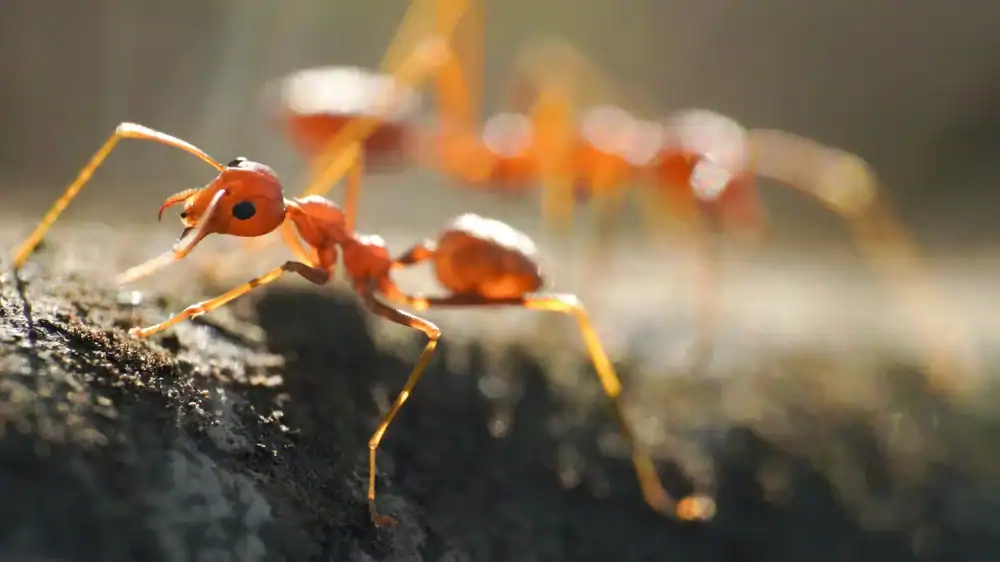
The term “sugar ant” isn’t scientific. It’s what most Florida homeowners call any small ant attracted to sweets. In Spring Hill, New Port Richey, and Brooksville, when you spot tiny ants in your kitchen, you’re almost always looking at ghost ants.
Ghost ants earned their name from their pale, translucent legs and abdomen. Their dark heads are the only part you can easily spot. They measure around 1.5 millimeters—small enough to slip through microscopic cracks around windows, doors, or plumbing lines.
They love moisture and sugar, which makes your kitchen prime real estate. Countertops near the sink, spills by the stove, even a sticky spot on the floor you missed—it’s all an invitation. And in Florida’s humid climate, they thrive year-round without any seasonal die-off.
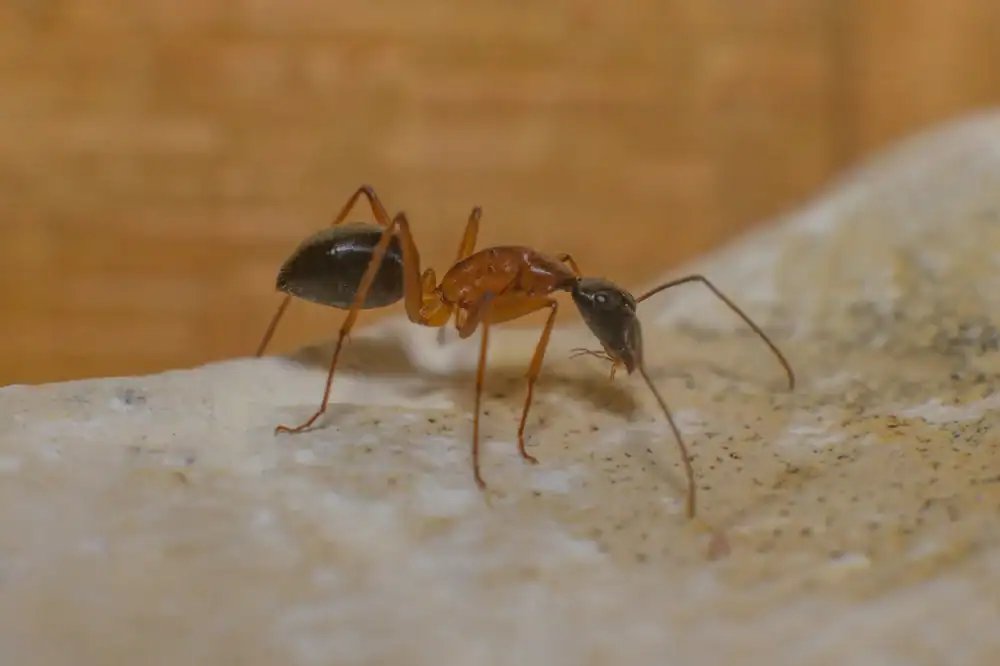
You keep a clean kitchen. So why are ghost ants still showing up?
Here’s the thing: they don’t need much. A few crumbs under the toaster. A drip of syrup on the pantry shelf. A damp spot near the faucet. Florida’s humidity makes homes in Pasco County and Hernando County even more appealing because these ants need moisture to survive.
They’re also incredibly good at finding entry points. Gaps around windows, cracks in door frames, openings where pipes enter walls—ghost ants squeeze through spaces you’d never notice. Once a scout finds food or water, it leaves a scent trail for the rest of the colony to follow. That’s when you see the lines.
Worker ants trail back and forth, carrying bits of food to feed colonies hidden in your walls, cabinets, or even inside potted plants near the house. And here’s what makes them so frustrating: ghost ants don’t live in one central nest. They form multiple colonies throughout your home.
When one nest feels threatened—say, by a spray or sudden disturbance—it splits. This behavior is called budding. Now you’ve got two problems instead of one. That’s why spraying the ants you see often makes the problem worse. You’re not eliminating the colony. You’re scattering it.
Florida’s warm climate means ghost ants stay active every single month. No winter break. No seasonal relief. They’re foraging, reproducing, and expanding their territory constantly. That’s why sugar ant removal in Spring Hill becomes such a persistent challenge for homeowners.
The truth is, ghost ants are drawn to the same things that make your kitchen functional: food, water, and warmth. Eliminating every trace is nearly impossible. But understanding what brings them in is the first step toward keeping them out.
Not all ants behave the same way. If you’ve dealt with fire ants in your yard, you know they build visible mounds and deliver painful stings. Carpenter ants chew through wood and cause structural damage. Ghost ants don’t do either.
They’re not aggressive. They don’t bite. They won’t destroy your home. But they spread faster than most other species, and they’re incredibly hard to eliminate once they’ve established multiple nesting sites inside your walls.
Ghost ants prefer sweet foods, but they’ll also go after grease and proteins if that’s available. They’re opportunistic. If there’s food, they’ll find it. And because they’re so small, they can access containers you thought were sealed tight.
Their nesting habits set them apart too. While fire ants build outdoor mounds and carpenter ants tunnel into wood, ghost ants nest in hidden, hard-to-reach places. Wall voids. Behind baseboards. Inside electrical outlets. Under appliances. Even in the soil of houseplants sitting on your kitchen windowsill.
This makes them nearly impossible to eliminate without targeting the colony directly. You can kill a hundred worker ants on your counter, but if the queen and the rest of the nest are tucked away in your walls, they’ll just keep coming. That’s when professional ant mound treatment becomes necessary—though with ghost ants, you’re often treating hidden indoor colonies rather than visible outdoor mounds.
Florida’s high humidity and year-round warmth create perfect conditions for ghost ants to thrive both indoors and outdoors. They don’t need to choose. They move freely between outdoor colonies near your foundation and indoor nests inside your home.
That’s why you might see them one day, think they’re gone the next, and then find a new trail a week later in a completely different room. They’re not gone. They’ve just relocated to a different part of the structure. Understanding this behavior is key to knowing why most DIY methods fail.
Want live answers?
Connect with a Around The Clock Pest Service expert for fast, friendly support.
Walk into any hardware store and you’ll find shelves full of ant sprays, traps, and baits. Some work temporarily. But most homeowners in Hernando County and Pasco County find themselves right back where they started within days or weeks.
Here’s why. Most over-the-counter sprays are repellents. They kill ants on contact, which feels satisfying in the moment. But repellents also scatter the colony. The ants you didn’t spray pick up on the chemical and avoid the area, taking the infestation somewhere else in your home.
Even worse, spraying can trigger budding. When ghost ants sense danger, the colony splits into multiple smaller colonies. Now instead of one nest, you’ve got three or four, each with its own queen and workers. You just made your problem bigger.
Baits seem like the smarter option. The idea is simple: ants take the poison back to the nest, share it with the colony, and everyone dies. In theory, it works. In practice with ghost ants, it’s hit or miss.
Many store-bought baits kill too fast. The worker ants die before they make it back to the nest. That means the queen survives, and so does the colony. You’ve eliminated a few dozen workers, but the nest keeps producing more to replace them.
Other baits just aren’t appealing to ghost ants. Some are designed for protein-loving ants, not sugar-feeders. If the bait doesn’t match the ants’ current food preference, they’ll ignore it completely and keep raiding your pantry instead.
Florida’s humidity also works against you. Outdoor bait stations can get wet from rain or morning dew, diluting the active ingredient and making it less effective. Indoor baits can dry out or lose potency if they sit too long in hot, humid conditions.
And then there’s placement. If you don’t put the bait along the ants’ trail or near their entry points, they might never find it. Even if they do, ghost ants are cautious. If they sense something’s wrong—if other ants have died nearby—they’ll avoid the bait altogether.
Professional-grade baits are different. They use slow-acting formulas specifically designed to give workers time to carry the poison deep into the colony before they die. They’re formulated for the exact species you’re dealing with. And we know exactly where to place them for maximum impact—along trails, near moisture sources, and at entry points you might not even notice.
That’s the difference between hoping the ants go away and actually eliminating the colony at the source. It’s also why permanent ant prevention requires more than just products—it requires understanding ghost ant behavior and colony structure.
Professional treatment is the most effective way to eliminate ghost ants, but there are steps you can take to make your kitchen less inviting in the first place. Think of these as your first line of defense.
Start with sanitation. Wipe down counters every night, even if they look clean. Sweep up crumbs, especially around the toaster, microwave, and stove. Check for sticky spots on cabinet shelves and pantry floors. Ghost ants are drawn to trace amounts of sugar you might not even notice—a drop of juice, a smear of jelly, a few grains of spilled sugar.
Store food in airtight containers. Cereal boxes, sugar bags, and opened snack packages are easy targets. Even a small gap is enough for ants to get inside. Glass or hard plastic containers with tight-fitting lids work best for permanent ant prevention.
Fix leaks immediately. A dripping faucet or a slow leak under the sink provides the moisture ghost ants need to survive in your home. Check around your plumbing regularly and address any issues right away. In Florida’s humid climate, moisture control is critical.
Seal entry points around your home. Caulk gaps around windows and doors. Check where pipes and cables enter the walls. Look for cracks in baseboards. Even the smallest opening is a highway for ants trying to get inside.
Move potted plants away from entry points. Ghost ants often nest in the soil of houseplants, especially if the plant sits near a door or window. Keep plants a few feet away from thresholds and inspect the soil regularly for ant activity.
Take out trash daily and keep garbage cans clean. Rinse recyclables before putting them in the bin. Don’t leave pet food bowls out overnight. These small steps eliminate food sources that attract foraging ants.
These practices won’t eliminate an existing infestation on their own, but they’ll reduce the chances of ants finding their way in. And if you’ve already had professional ant control service, good sanitation and exclusion practices will help keep them from coming back.
The difference between DIY and professional ant control comes down to one thing: targeting the entire colony, not just the ants you see crawling across your counter.
Professional baiting systems use slow-acting formulas designed to be carried back to the nest. Worker ants pick up the bait, share it with other workers, and eventually feed it to the queen. Once the queen dies, the colony collapses. No queen means no new workers, and the infestation ends.
This process takes time. You might still see ants for a few days after treatment. That’s actually normal—it means the bait is working. The ants are actively carrying the poison back to hidden nests in your walls, under cabinets, and in other areas you can’t reach.
We also know where to place bait for maximum effectiveness. Along ant trails. Near entry points. In areas where moisture and food sources overlap. We understand ghost ant behavior and adjust our approach based on the specific conditions in your home.
In Pasco County and Hernando County, where ghost ants are a year-round problem, ongoing prevention is just as important as the initial treatment. Quarterly service helps catch new colonies before they become a full-blown infestation. It’s proactive, not reactive. And it saves you from the frustration of dealing with the same problem over and over.
When you work with us at Around The Clock Pest Service, you’re not just getting a technician showing up with a spray bottle. You’re working directly with the owner. That means faster response times, transparent communication, and a genuine commitment to solving the problem—not just selling you a service. If ants come back between visits, we come back. No runaround. No excuses.
If you’re tired of dealing with ants that keep coming back no matter what you try, it’s time to stop guessing and start targeting the real problem. Professional sugar ant removal eliminates ghost ant colonies at the source, giving you the long-term relief you’ve been looking for in your Spring Hill, Brooksville, or New Port Richey home.
Summary:
Article details:
Share: