
Fast, reliable pest control from Hernando County’s most trusted family-owned team—with most quotes given over the phone.
Contact Info
Fast, reliable pest control from Hernando County’s most trusted family-owned team—with most quotes given over the phone.
Contact Info
Florida's termites don't take breaks. Learn how to spot them early, what treatments actually work, and what protection costs before damage reaches five figures.
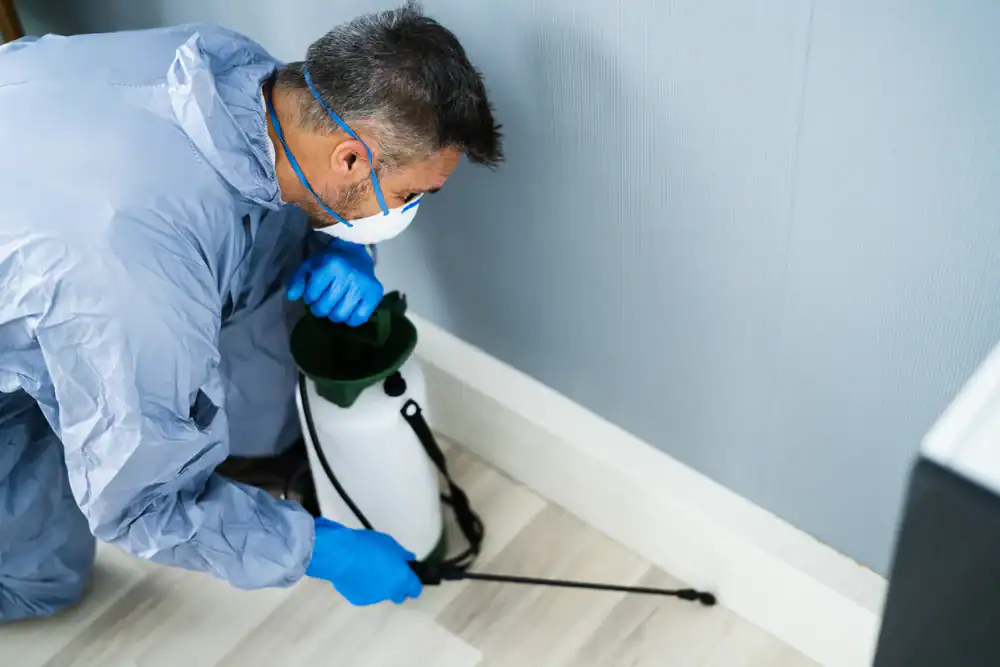
Your home is likely your biggest investment. And in Florida, it’s surrounded by termites.
That’s not scare tactics—it’s geography. With roughly 13 termite colonies per acre across the state, the question isn’t if they’ll try to get in. It’s when. And whether you’ll catch them before the damage gets expensive.
Most homeowners insurance won’t cover termite damage because it’s considered preventable. That puts the responsibility squarely on you. The good news? Termite control doesn’t have to be complicated or overwhelming. You just need to know what you’re looking for, what your options are, and how to protect your home without getting sold something you don’t need.
Let’s start with the termites you’re actually dealing with.
Subterranean termites are the most destructive termite species in Florida. They live in underground colonies that can number in the millions, and they enter your home from the soil below. Unlike drywood termites that live inside the wood they eat, subterranean termites need moisture from the ground to survive.
That’s why they build mud tubes. These pencil-thin tunnels made of soil, saliva, and feces allow them to travel from their colony to your home’s wood without drying out or being exposed to predators. You’ll usually find these tubes along your foundation, crawl spaces, or exterior walls.
The problem with subterranean termites is how quietly they work. They can feed on your home’s structure for three to five years before you notice any damage. By that point, repairs can easily cost tens of thousands of dollars. And since they’re active year-round in Florida’s climate, there’s no off-season where your home gets a break.
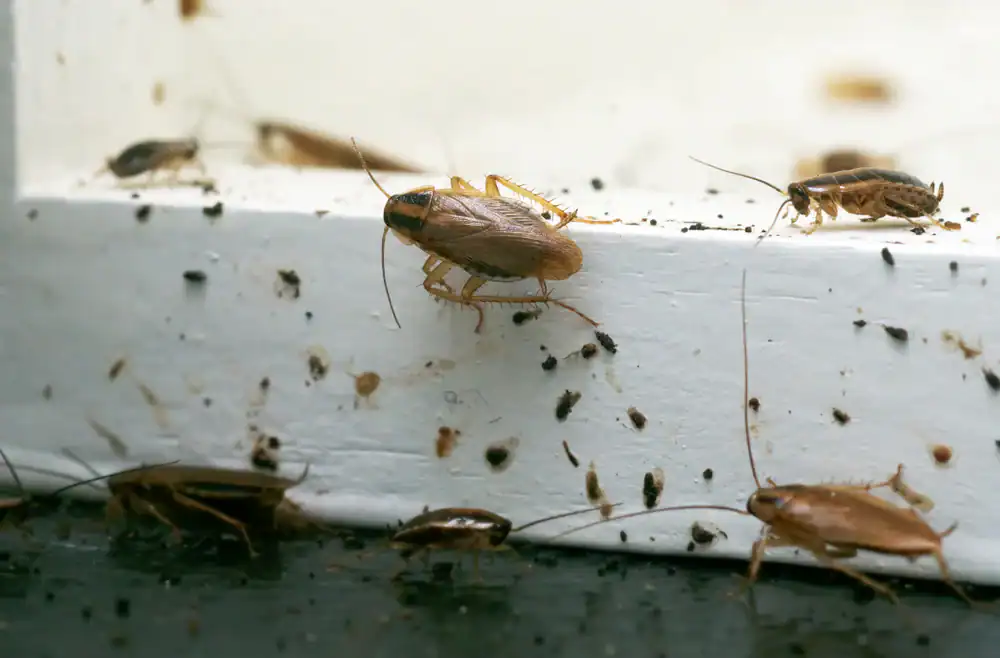
Knowing you have a termite infestation early is the difference between a manageable problem and a financial disaster. But termites are designed to stay hidden. They eat wood from the inside out, leaving the surface intact while hollowing out the structure beneath.
So what should you actually be looking for? Mud tubes are the most obvious sign. Check your foundation, especially near cracks or where wood meets concrete. If you see narrow, dirt-colored tunnels running up the side of your house, that’s subterranean termites creating highways between their colony and your wood.
Discarded wings are another red flag. Swarmer termites emerge during certain times of the year to mate and start new colonies. After they land, they shed their wings. If you find small piles of wings near windowsills, doors, or light sources, it means a colony is nearby and actively reproducing.
Damaged wood is harder to spot unless you’re looking for it. Tap on wood surfaces around your home—baseboards, door frames, window sills. If it sounds hollow, termites may have already been feeding. You might also notice wood that looks blistered or feels soft when you press on it.
Don’t ignore small signs. A few wings or a single mud tube doesn’t mean the problem is small. It means the problem is active. And in Florida, where termite pressure is constant, small problems grow fast.
If you’re seeing any of these signs, it’s time to call someone who knows where else to look. Termites are rarely isolated to one spot. A professional termite inspection will check all the vulnerable areas you might not think to examine—and catch the infestation before it spreads further.
Termites don’t always announce themselves. By the time you see obvious damage, they’ve usually been feeding for years. But there are early warning signs if you know what to watch for.
Start with the areas where termites are most likely to enter. Check your foundation for mud tubes, especially around cracks, expansion joints, or where pipes enter the house. Subterranean termites need these tubes to travel, so finding them is a clear indicator of activity.
Look for swarmers or their discarded wings. In Florida, termite swarms can happen almost any time of year, but they’re most common from January through May. If you see winged insects that look like flying ants near windows or doors, take a closer look. Termites have straight bodies, straight antennae, and wings of equal size. Ants have pinched waists and uneven wings.
Wood damage is often hidden behind walls or under floors, but there are clues. Doors or windows that suddenly stick or don’t close properly can indicate termite damage to the frames. Floors that sag or feel soft underfoot might mean the support beams below have been compromised. Paint that bubbles or cracks without an obvious moisture source could be hiding termite activity beneath the surface.
Don’t forget about your attic. It’s warm, often undisturbed, and full of exposed wood—exactly what termites are looking for. If you have a pull-down attic ladder or access hatch, take a flashlight up there once or twice a year. Look for mud tubes on the rafters, damaged wood, or small piles of what looks like sawdust.
Termite droppings, called frass, are another sign. Drywood termites push their waste out of small holes in the wood, leaving tiny pellets that look like pepper or coffee grounds. If you’re finding these piles near wooden furniture, baseboards, or window frames, you likely have drywood termites.
The key is not waiting until the damage is obvious. By then, you’re looking at serious repair costs. A yearly professional termite inspection catches problems early, when treatment is simpler and far less expensive.
Want live answers?
Connect with a Around The Clock Pest Service expert for fast, friendly support.
Once you know you have termites, the next question is how to get rid of them. And not just temporarily—you want them gone for good. That’s where professional termite treatment makes the difference.
DIY termite control rarely works. Termite colonies are massive, hidden, and spread across areas you can’t easily access. A can of spray from the hardware store might kill a few workers, but it won’t touch the queen or the rest of the colony. In fact, it can make things worse by causing termites to scatter and regroup in a different part of your home.
Professional treatment targets the entire colony, not just the termites you can see. The method depends on the type of termite, the extent of the infestation, and how your home is built. A good pest control company will inspect first, identify the species, and recommend the treatment that actually fits your situation.
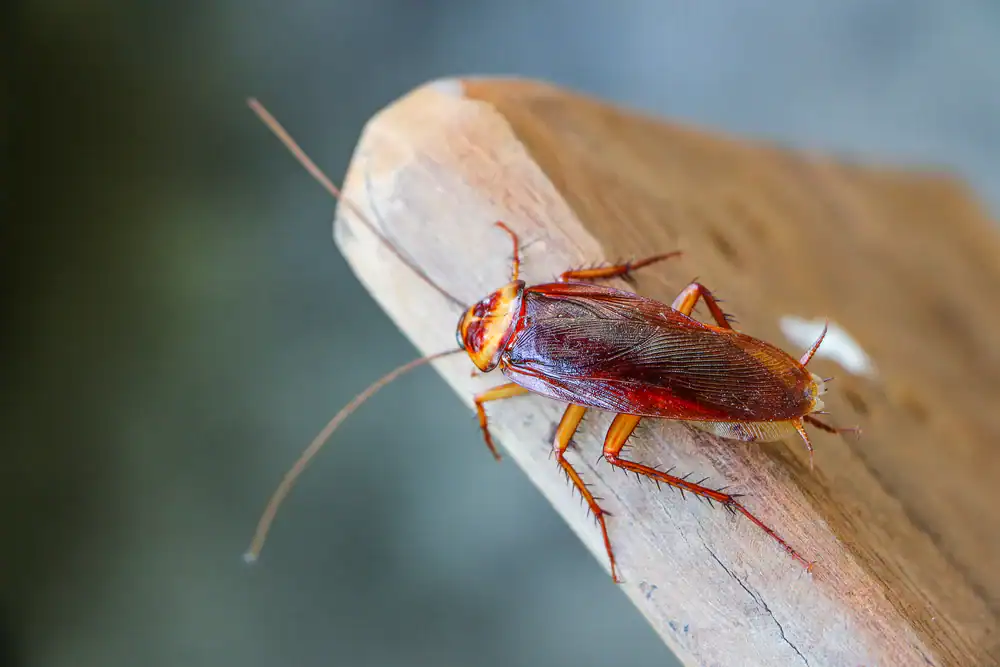
The termite treatment process starts with a thorough inspection. A licensed technician will examine your entire property—foundation, crawl spaces, attic, exterior walls, and any area where termites might enter or hide. We’re looking for active infestations, conducive conditions, and vulnerabilities that could lead to future problems.
Once the inspection is complete, you’ll get a clear explanation of what we found, what type of termites you’re dealing with, and what treatment options make sense for your home. This is where transparency matters. You should understand what’s being recommended and why, not just be handed a quote with no context.
For subterranean termites, the most common treatment is a liquid termiticide barrier. Technicians trench around your home’s foundation and apply a termiticide to the soil. This creates a chemical barrier that termites can’t cross. When they try, they either die on contact or carry the treatment back to the colony, eventually eliminating it. A properly applied liquid treatment can protect your home for five years or more.
Baiting systems are another option. Bait stations are installed around the perimeter of your property. Termites find the bait, consume it, and share it with the colony. The bait contains a slow-acting toxin that disrupts their ability to molt, eventually killing the entire colony including the queen. Baiting systems require ongoing monitoring and maintenance, but they’re effective and less invasive than trenching.
Drywood termites require different treatment. Because they live entirely inside the wood, you need a method that penetrates deep into the structure. Fumigation is the most thorough option. Your home is sealed with a tent, and a gas is introduced that reaches every crack, crevice, and piece of wood. It kills all termites inside the structure in one treatment. Fumigation requires you to vacate for a few days, but it’s the most effective way to eliminate a widespread drywood termite infestation.
Spot treatments are sometimes used for localized drywood termite activity. If the infestation is limited to one area—like a single door frame or piece of furniture—a technician can inject termiticide directly into the wood. This is less disruptive and more affordable than fumigation, but it only works if the infestation is truly isolated.
After treatment, follow-up is critical. Termites don’t disappear overnight, and you want confirmation that the colony has been eliminated. A good pest control company will schedule a follow-up inspection to verify the treatment worked and check for any new activity. If termites reappear during the warranty period, we should retreat at no additional cost.
If you have pets, you’re probably wondering whether termite treatment is safe for them. It’s a fair question. You want to protect your home, but not at the expense of your dog, cat, or any other animal that shares your space.
The good news is that modern termite control products are designed with safety in mind. The termiticides used by licensed professionals are regulated by the EPA and tested extensively for safety around humans and animals. When applied correctly by a trained technician, they pose minimal risk to pets.
Liquid termiticides are applied to the soil around your home’s foundation, not inside your living space. Pets won’t come into contact with the treated area in any meaningful way. The chemical bonds to the soil and stays in place, creating a barrier that termites encounter underground. Your pets can walk on the lawn, play in the yard, and go about their normal routine without exposure.
Baiting systems are even less intrusive. The bait is contained inside tamper-resistant stations that are installed in the ground around your property. Pets can’t access the bait, and the stations are designed to be durable and secure. Termites enter through small openings that pets can’t reach.
Fumigation requires more precaution. Because the gas used during fumigation fills the entire structure, you and your pets will need to vacate for a few days. The gas dissipates completely before you’re cleared to return, and the home is thoroughly aired out and tested to confirm it’s safe. Once you’re back inside, there’s no residual chemical to worry about.
If you have specific concerns about a pet’s health or sensitivity, talk to us before treatment. We’ll explain exactly what products we’re using, how they’re applied, and what precautions you should take. We can also provide safety data sheets if you want more detailed information.
The bottom line is this: professional termite treatment, when done right, is safe for pets. The risk of not treating termites—structural damage, costly repairs, and the stress of dealing with an infestation—is far greater than the minimal exposure your pets might have to properly applied termite control products.
Termite treatment costs vary. That’s frustrating if you’re trying to budget, but it’s also the truth. The price depends on the size of your home, the severity of the infestation, the type of termites, and the treatment method you choose.
In Florida, you can expect to pay anywhere from $1,000 to $3,000 for a standard termite treatment on an average-sized home. Fumigation for drywood termites tends to be on the higher end of that range, while liquid treatments for subterranean termites are often more affordable. Larger homes, severe infestations, or properties with difficult access can push costs higher.
But here’s what matters more than the upfront cost: what you’re actually getting for that money. A cheap treatment that doesn’t eliminate the colony is a waste. You’ll end up paying again—and dealing with more damage in the meantime. The goal is to find a company that’s transparent about pricing, uses proven methods, and stands behind their work with a solid warranty.
Summary:
Article details:
Share: