
Fast, reliable pest control from Hernando County’s most trusted family-owned team—with most quotes given over the phone.
Contact Info
Fast, reliable pest control from Hernando County’s most trusted family-owned team—with most quotes given over the phone.
Contact Info
Subterranean termites thrive in Spring Hill's humid climate, feeding silently for years before you notice. Annual inspections aren't optional—they're your only defense against thousands in repair costs.
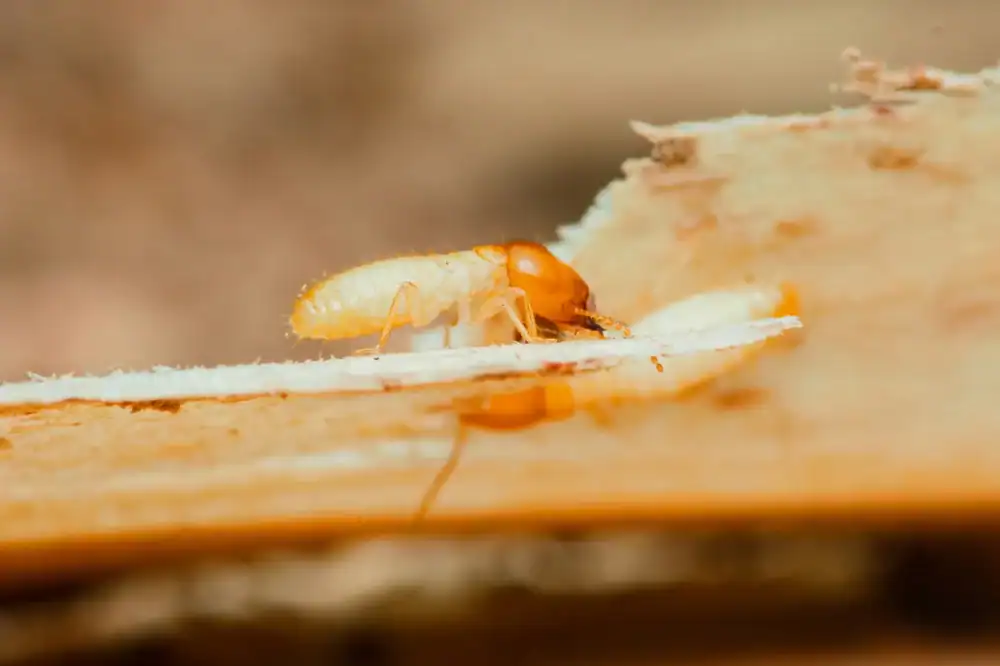
Spring Hill sits in one of Florida’s highest-risk zones for termite activity. The warm temperatures and high humidity create ideal breeding conditions for subterranean termites, the most destructive species in the state. Unlike colder regions where termite activity slows in winter, Florida termites remain active year-round. They don’t take breaks. They don’t hibernate. They just keep feeding.
Florida is classified as TIP Zone #1—”very heavy” for termite infestation probability. That means the potential for termite damage here is considered significant enough that building codes require extra termite control measures for new construction. If you’re living in an older home without ongoing protection, you’re even more vulnerable.
The reality is simple: Spring Hill’s climate isn’t just comfortable for people. It’s paradise for termites. And without regular professional termite inspections, you won’t know they’re there until the damage is done.

Subterranean termites are responsible for over 80% of termite infestations in Florida. These pests live in underground colonies that can contain millions of termites, and they build mud tubes to travel between their nests and food sources—your home’s wooden structure. They only need a crack 1/32 of an inch wide to gain entry. That’s thinner than a credit card.
Once inside, they feed on wood, drywall, insulation, and any cellulose material they can find. The damage happens from the inside out, which is why homeowners often don’t notice until it’s severe. You might see a door that suddenly sticks, paint that bubbles for no reason, or wood that sounds hollow when you tap it. By that point, the colony has likely been feeding for months or even years.
Florida is home to roughly 13 subterranean termite colonies per acre. That means your property is surrounded. The question isn’t whether termites will find your home—it’s when. And if you’re not checking regularly with a professional termite inspection, you won’t know until structural damage forces you to act.
Formosan termites, often called “super termites,” are also spreading throughout Florida. These invasive pests are even more aggressive than native species. A mature Formosan colony can consume more than a pound of wood per day. They form massive colonies and can cause extensive damage in just a few months. They’ve been found in Tampa, Orlando, and northwest Florida, and they’re expanding their range. If your home hasn’t been inspected recently, you have no way of knowing what’s already happening beneath the surface.
Termites cause more than $5 billion in property damage across the United States every year. In Florida alone, homeowners spend over $500 million annually on termite damage and control. The average repair cost for a moderate infestation ranges from $3,000 to $12,000. Severe structural damage can easily exceed $20,000. And here’s the part that catches most people off guard: homeowners insurance doesn’t cover it.
Insurance companies classify termite damage as “preventable maintenance,” which means 100% of the repair and treatment bills fall on you. If termites compromise your floor joists, support beams, or framing, you’re paying out of pocket to fix it. There’s no claim to file. No coverage to lean on. Just a big bill and the frustration of knowing it could have been prevented.
The longer an infestation goes undetected, the worse the damage becomes. Termites can be actively feeding on your home for three to five years before you notice anything wrong. During that time, they’re weakening structural components, hollowing out wood, and creating conditions that lead to sagging floors, cracked walls, and doors that no longer close properly. Repairs aren’t just about replacing a few boards. You’re often looking at drywall replacement, framing repair, foundation work, and treatment to eliminate the colony.
Compare that to the cost of an annual termite inspection in Spring Hill, which typically ranges from $75 to $325. Many pest control companies, including family-owned local providers, offer free inspections to assess your property and provide honest recommendations. Even if you pay for the inspection, it’s a small price compared to the alternative. One inspection can catch an infestation early, when treatment is simpler and repairs are minimal. Skip the inspection, and you’re rolling the dice on a problem that only gets more expensive the longer it goes unnoticed.
Want live answers?
Connect with a Around The Clock Pest Service expert for fast, friendly support.
A professional termite inspection isn’t a quick walk around your house with a flashlight. It’s a systematic, thorough evaluation of your home’s interior, exterior, and hidden spaces where termites are most likely to be active. A certified inspector knows what to look for, where to look, and how to identify both active infestations and conditions that make your home vulnerable.
Most inspections take between one and one-and-a-half hours, depending on the size of your property and the number of structures on it. The inspector will examine your foundation, crawl spaces, attic, walls, and any wooden features like decks, fences, or sheds. We’re looking for mud tubes, damaged wood, moisture issues, and signs of swarming activity. We’ll also check for conducive conditions—things like wood-to-soil contact, leaky pipes, poor drainage, and cracks in your foundation that give termites easy access.
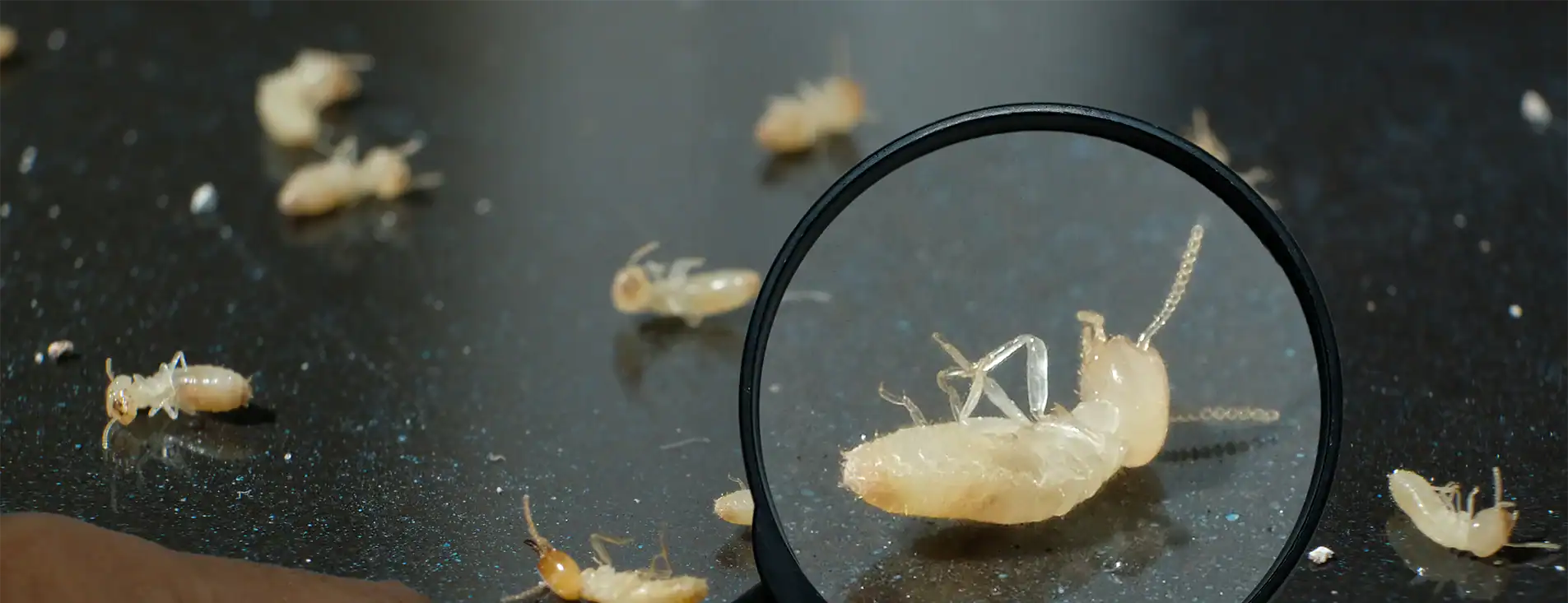
The exterior inspection focuses on the areas where termites are most likely to gain entry. We walk the perimeter of your home, checking the foundation for mud tubes, which are pencil-sized tunnels made of soil and termite saliva. Subterranean termites build these tubes to travel between their underground colony and the wood inside your home. If you see mud tubes on your foundation, walls, or near plumbing entry points, it’s a strong sign of active termite activity.
We also look for cracks in the foundation, gaps around utility lines, and areas where wood makes direct contact with soil. These are all entry points that termites exploit. Even a small crack can be enough. We’ll check your siding, eaves, and any wooden trim for signs of damage or moisture buildup. Paint that bubbles or peels can indicate termite activity beneath the surface, as termites introduce moisture into the wood while feeding.
Outdoor structures like decks, porches, fences, and sheds are also examined. Wood that’s in contact with the ground or exposed to moisture is especially vulnerable. We look for soft spots, hollow-sounding wood, and visible damage. We’ll also note any wood piles, mulch, or debris stored near your home, as these can attract termites and provide a direct path to your structure.
Moisture is a key factor in termite activity. We check for standing water, clogged gutters, poor drainage, and leaky outdoor faucets. Subterranean termites need moisture to survive, so damp soil around your foundation creates ideal conditions for infestation. Fixing these issues isn’t just good for termite prevention—it’s good for your home’s overall health and supports year-round pest protection.
Inside your home, we examine baseboards, window frames, door casings, and any exposed wood. We’ll tap on surfaces to listen for a hollow sound, which indicates that termites have eaten away the interior of the wood. We look for small pinholes, blistering paint, and frass (termite droppings), which can appear as small piles of sawdust-like material near infested wood. Drywood termites, which don’t require soil contact, often leave frass as a telltale sign of their presence.
Attics and crawl spaces are critical areas. These spaces are often overlooked by homeowners, but they’re termite heaven. We climb into these areas to check beams, joists, and subflooring for damage. We use flashlights, moisture meters, and probing tools to detect activity that isn’t visible to the naked eye. Moisture meters help identify damp zones behind walls or under floors, where termites are most likely to thrive. A blunt probe or screwdriver is used to test suspect wood—if the tool sinks in easily, it’s a sign of internal tunneling.
Bathrooms, kitchens, and laundry rooms are also high-risk areas because of the moisture from plumbing. We check under sinks, around bathtubs, and near water heaters for signs of leaks or water damage. We’ll also examine crown molding, ceilings near plumbing, and any areas where wood is close to water sources. Even a slow leak can create the damp conditions that attract termites.
If we find evidence of termites, we document it with photos, note the location and extent of the damage, and provide a detailed report. This report will include findings, risk ratings, and recommendations for treatment or preventive measures. If no termites are found, we’ll still note any conducive conditions that should be addressed to reduce future risk. Many homeowners in Pasco County and Hernando County also opt for quarterly pest control programs to maintain ongoing protection after their initial inspection. The goal isn’t just to find termites—it’s to give you a complete picture of your home’s vulnerability and what you can do to protect it.
Termites don’t wait. They don’t give warnings. And they don’t care how much you’ve invested in your home. They just eat. The only way to catch them before they cause serious damage is to stay ahead of them with regular inspections. In Spring Hill’s humid, termite-friendly climate, annual termite inspections aren’t optional—they’re essential.
The cost of an inspection is minimal compared to the cost of repairs. The peace of mind is priceless. And when you work with a local, family-owned provider who answers calls, responds quickly, and treats your home like our own, you’re not just getting an inspection—you’re getting a partner in protecting your biggest investment.
If you haven’t had your home inspected in the past year, now’s the time. Don’t wait until you see damage. Don’t assume everything’s fine because you haven’t noticed anything. By the time you see the signs, the damage is already done. Reach out to us for a professional termite inspection and residential pest management in Hernando and Pasco counties. You’ll get honest answers, clear recommendations, and the confidence that comes from knowing your home is protected.
Summary:
Article details:
Share: