
Fast, reliable pest control from Hernando County’s most trusted family-owned team—with most quotes given over the phone.
Contact Info
Fast, reliable pest control from Hernando County’s most trusted family-owned team—with most quotes given over the phone.
Contact Info
Not sure if you need a termite inspection? Florida homeowners face unique risks that make regular inspections critical—not optional.
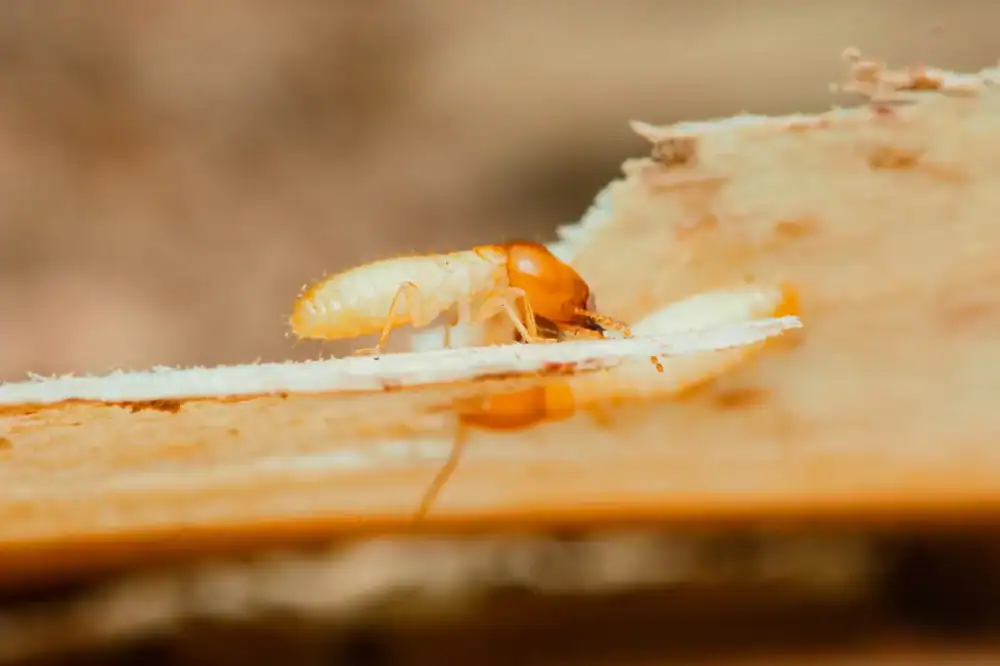
There are specific situations where a termite inspection isn’t just a good idea—it’s mandatory unless you plan on buying your house with actual bags of cash. If you’re purchasing a home with a mortgage, most lenders won’t touch the deal without a WDO (Wood-Destroying Organism) report. It turns out banks are surprisingly picky about lending hundreds of thousands of dollars on a house that might be held together by hope and termite spit. VA and FHA loans are particularly strict, requiring a clean bill of health before anyone signs on the dotted line.
Even if your lender is remarkably chill, your insurance company might not be. They tend to view termite damage as a “preventable maintenance issue,” which is insurance-speak for “we aren’t paying for that.” If you skip the inspection, you are effectively self-insuring against a tiny, hungry army that works 24/7.
Beyond the paperwork of buying a home, Florida pest control experts recommend annual inspections for all homeowners. In some “hot zones,” we even suggest checking in every six months. It sounds like overkill until you realize that a colony can be happily snacking on your foundation for five years before you ever see a single winged visitor in your living room.
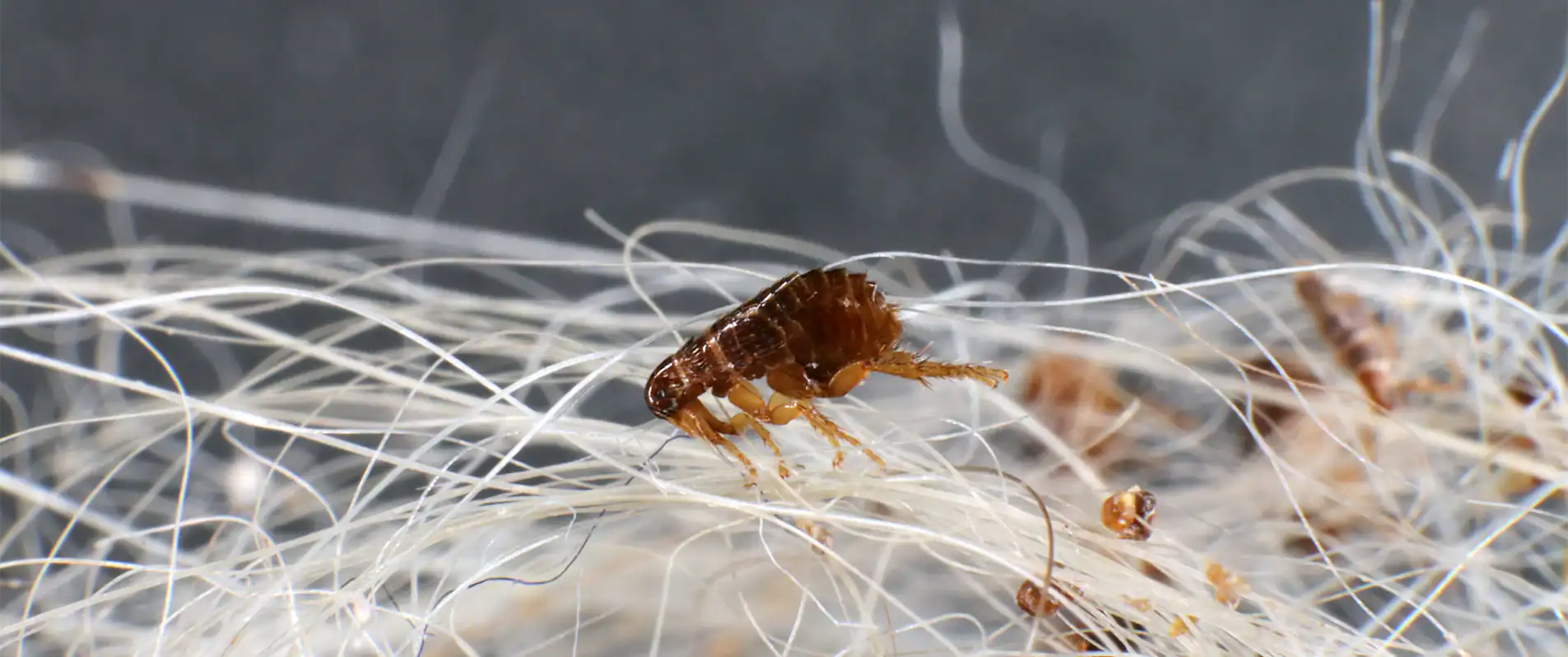
If you’re buying or selling a home in Pasco or Hernando County, the WDO inspection is the most important “first date” the house will ever have. Most mortgage lenders treat this report like a background check. No “clear” report? No loan. It’s that simple.
The WDO report is a legal document that lists current activity, past history, and any visible damage. If we find termites, the negotiation phase suddenly gets very interesting. Do you lower the price? Does the seller pay for a “tenting” party? Deals can—and do—fall apart when a major infestation is discovered, which is why we recommend sellers get inspected before listing. It’s better to find out you have roommates now than to have a buyer’s inspector break the news three days before closing.
For buyers, never—and I mean never—waive the termite inspection to “speed things up.” That’s like buying a used car and skipping the mechanic because the paint looks shiny. The $150 you save today could easily turn into a $15,000 “surprise renovation” six months after you move in. A WDO report isn’t just for termites; it’s the “Greatest Hits” of things that eat wood. We’re also scouting for carpenter ants, wood-boring beetles, and the fungi that cause wood decay (rot). If it can turn a 2×4 into sawdust, we’re looking for it.
The inspection usually takes about an hour, depending on how much “stuff” you have in your attic. We check the foundation, crawl spaces, and every nook and cranny. We’re hunting for mud tubes, “frass” (that’s a fancy word for bug poop), and discarded wings. If we find something, the report will be your roadmap for what to fix and how to kill the culprits.
Think of a termite inspection like a physical at the doctor—you want to catch the “high cholesterol” before it becomes a “heart attack.” In Pasco and Hernando Counties, once a year is the bare minimum.
If your house has a history of termites, or if you live in a particularly “woody” area, every six months is a smarter bet. Termites in Florida don’t hibernate. They don’t take a “winter break” to go to the mountains. They are active, hungry, and potentially under your feet right now. Waiting three years between inspections is basically inviting them to move into the guest room and start a family.
Regular maintenance is cheaper than a disaster. You wouldn’t wait for your car engine to explode before checking the oil, right? Your home is likely your biggest asset; treat it like one. If you see “mud veins” on your concrete or wings on the windowsill, don’t wait for your scheduled date—call us immediately.
The timing of the inspection is less important than the frequency, though spring is “swarm season” and tends to be when people panic the most. However, fall and winter are great times to book because we’re slightly less “swamped,” and you can often get an appointment faster than you can say “is that a winged ant?”
Financially, it’s a no-brainer. An inspection is usually under $200. The average termite repair in Florida ranges from $8,000 to $12,000, with “horror stories” reaching $20,000 plus. Since your insurance company will likely laugh if you try to file a claim for termite damage, that money comes out of your “retirement” or “kids’ college” fund.
Want live answers?
Connect with a Around The Clock Pest Service expert for fast, friendly support.
A certified inspector isn’t just taking a leisurely stroll through your house. We are trained “termite detectives” looking for the microscopic clues that a colony is trying to stay hidden. If we find them, they’ve lost their “stealth” advantage.
We cover the interior (baseboards, window sills, and the dreaded attic) and the exterior (foundation, decks, and fences). We are specifically looking for areas where wood meets soil—that’s basically a “Welcome Home” mat for subterranean termites.
We aren’t just looking for the bugs themselves; we’re looking for their “conducive conditions.” If you have a leaky pipe or mulch piled up to your siding, we’re going to tell you about it. It’s better to fix a leak today than to treat an infestation tomorrow.
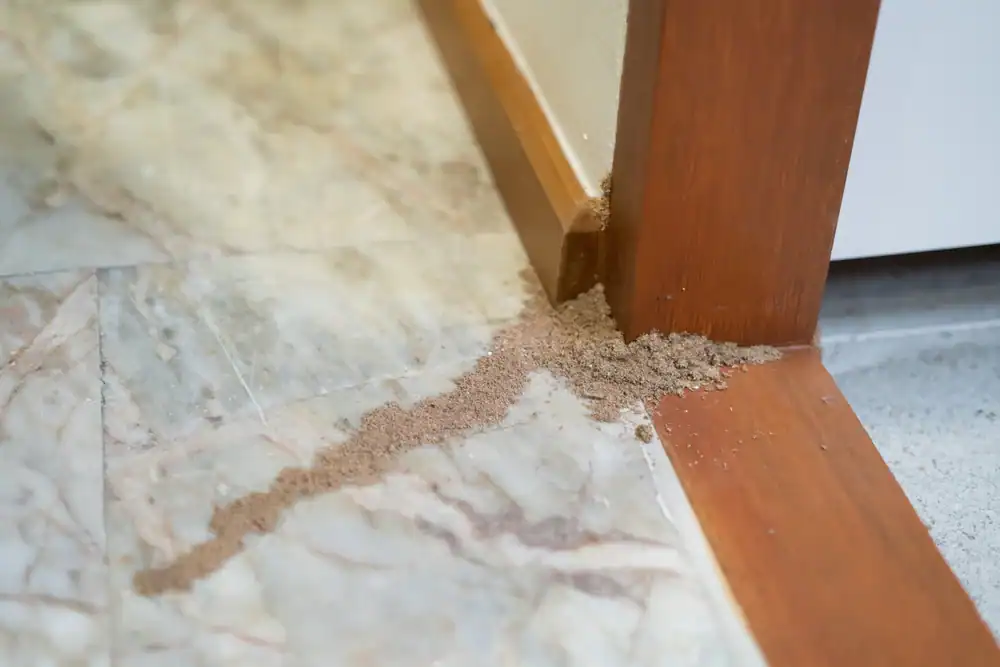
When we show up, we’re looking for the telltale signs of a wood-based heist. First up: Mud Tubes. Subterranean termites build these dirt straw-like tunnels because they have sensitive skin and hate the sun. If we see these on your foundation, we know they’ve built a private highway into your home.
Next is “Frass.” If you see what looks like tiny piles of coffee grounds or sawdust near your baseboards, congratulations—you’ve found drywood termite droppings. We can tell the difference between bug poop and actual dust, even if you can’t.
Then there are the “Discarded Wings.” Termites are the only creatures that “fly to a date and then walk home.” They shed their wings after swarming to start a new colony. If we find a pile of wings near your door, it means a “housewarming party” just happened, and you weren’t invited.
We also do the “Tap Test.” Termites eat wood from the inside out, leaving a thin, deceptive shell. If we tap a beam and it sounds like a hollow drum—or worse, our screwdriver goes right through it—we’ve found the “All-You-Can-Eat” zone.
Moisture is the final clue. Termites are basically tiny moisture-seeking missiles. We check for leaky pipes and poor drainage because a damp house is a tasty house. We’ll report these risks even if we don’t see a single bug, because prevention is 90% of the battle.
Always make sure your inspector is licensed by the Florida Department of Agriculture. If they can’t show you a state-certified ID card, they’re just a guy with a flashlight. Don’t let an amateur tell you your biggest investment is “fine.”
The WDO report is the “Report Card” for your home. If it’s “clear,” you can breathe easy—for today. But remember, a clear report isn’t a magical shield; it’s just a snapshot in time. Termites don’t respect the paperwork; they can move in the day after we leave, which is why we emphasize the “annual” part of annual inspections.
If the report isn’t clear, don’t panic. It will specify the culprit—subterranean, drywood, or the extra-hungry Formosan—and where they are hiding. We will also recommend the best way to evict them. Sometimes it’s a simple spot treatment; sometimes the house needs a “big orange tent” for a few days.
We also list “conducive conditions.” If your mulch is too high or your gutters are clogged, we’ll note it. These aren’t just suggestions; they are the “to-do list” for keeping your home off the termite radar. Fix these, and you significantly lower your chances of a future infestation.
For real estate deals, keep an eye on the clock. These reports are usually only “fresh” for 30 to 90 days. If your closing gets delayed because the bank wants more paperwork, you might need us to come back out for a quick “yep, still clear” check.
Keep these reports in a file! When you eventually go to sell your home, a stack of clean annual reports is like a “Certified Pre-Owned” sticker on a car. It shows the buyer you actually cared for the place. It proves that if there was a problem, it was handled by professionals, not a “DIY” kit from a big-box store.
In Pasco and Hernando, you want an inspector who knows the local “neighborhoods”—we know where the Formosans like to hang out and which areas have the most subterranean pressure. With 13 colonies per acre in Florida, the odds aren’t in your favor, but a good report keeps you ahead of the curve.
Termite inspections shouldn’t be a “once-per-decade” event. In Florida, they are a vital part of homeownership, like mowing the lawn or complaining about the summer heat.
If you’re buying a home, get the inspection—even if you’re paying cash and no one is “forcing” you to. If you’re a current homeowner, don’t wait for the floorboards to feel “crunchy.” Annual inspections find the small problems before they become structural disasters. And if you’re selling, getting that report early can keep your deal from sinking at the last minute.
The cost of an inspection is tiny compared to the five-figure repair bills that termites love to generate. In a state where these bugs cause more damage than hurricanes and fires combined, “guessing” isn’t a strategy. We provide certified WDO inspections and full-service pest control throughout Pasco and Hernando Counties. As a family-run business, you’ll deal with the owner directly and get honest, transparent service. We even offer most quotes over the phone and respond 24/7—because termites don’t take the weekend off, and neither do we.
Summary:
Article details:
Share: