
Fast, reliable pest control from Hernando County’s most trusted family-owned team—with most quotes given over the phone.
Contact Info
Fast, reliable pest control from Hernando County’s most trusted family-owned team—with most quotes given over the phone.
Contact Info


When pest control is done right, you stop thinking about it. No more finding droppings behind the fridge. No more waking up to ants on the counter. No more wondering if that soft spot near the baseboard is something worse. That’s the actual goal — not just fewer bugs, but real peace of mind that your home is protected.
Spring Hill’s housing stock makes this harder than most people realize. The median home here was built in 1992, which means most houses in Seven Hills, Hernando Highlands, and Leisure Hills are carrying 30-plus years of aging soffits, worn weatherstripping, and mature landscaping growing right up against the structure. Those aren’t just cosmetic issues — they’re open invitations for rodents, cockroaches, and termites to move in. Professional treatment addresses those entry points directly, not just the bugs you can already see.
The geography matters too. Western Spring Hill sits right alongside the Weeki Wachee River corridor, and that proximity keeps soil moisture elevated year-round — exactly the conditions subterranean termites need to tunnel. Add in Hernando County’s sandy soil and a climate with no real winter to interrupt pest cycles, and quarterly prevention stops being optional. It becomes the baseline for keeping your home intact.
Around The Clock Pest Service is based right here in Spring Hill at 2305 Gaucho Ave, 34608. Not Tampa. Not a regional dispatch center. Right here in the same ZIP code as the homes we treat. George Lundin owns and runs this business, and when you call — whether it’s Tuesday afternoon or Saturday at midnight — he’s the one who picks up.
That matters more than it sounds. Spring Hill has no shortage of pest control companies, but what most of them can’t offer is a direct line to someone who actually knows your neighborhood. George knows the difference between the moisture exposure in Weeki Wachee Acres and the termite risk in an older home off Spring Hill Drive. He’s not reading from a script or handing you off to a scheduler. You get a real answer, usually a quote, and a plan — on that first call.
We hold multiple active FDACS licenses, carry a BBB A+ rating, and have been accredited since October 2022. Over 100 five-star Google reviews from Hernando and Pasco County residents back that up. Special discounts are available for military families and new homeowners — two groups that make up a significant part of this community.

It starts with a phone call. George will ask you a few direct questions about what you’re seeing, where you’re seeing it, and how long it’s been going on. In most cases, he can give you a quote right there — no appointment required just to get a number. If the situation calls for an in-person assessment first, he’ll tell you that too, and he won’t waste your time.
Once you’re scheduled, a licensed technician — often George himself — comes out and does a thorough inspection of the interior and exterior. In Spring Hill, that means paying close attention to things like soffit gaps, foundation entry points, wood-to-soil contact, and any moisture buildup near the structure. These are the spots that matter most in older homes and in neighborhoods close to natural areas or drainage corridors. Treatment is applied where it’s actually needed, not just a perimeter spray and out the door.
After the initial service, most Spring Hill homeowners move into a quarterly prevention plan. That means four scheduled visits per year, timed to stay ahead of Florida’s rainy season pest surge, fall rodent pressure, and spring termite swarm activity. If something comes back between visits, you call and we come back — no extra charge, no runaround. The goal is a home that stays protected, not one that cycles in and out of infestation.
Ready to get started?
We handle the full range of pest issues that Spring Hill homeowners and business owners actually deal with — not a limited menu designed around what’s easiest to treat. General pest control covers ants, cockroaches, spiders, fleas, and silverfish. Rodent control uses safe trapping methods that don’t leave poisoned animals dying inside your walls — a real concern for pet owners in communities like Sterling Hill and Trillium where dogs and cats are part of the household.
Termite inspections and WDO (Wood-Destroying Organism) inspections are available for both homeowners and real estate transactions. Spring Hill’s real estate market moves fast — over 220 homes sell here every month — and lenders almost always require a WDO report before closing. We’re licensed to provide that report in the standardized Florida format, and turnaround is fast enough to keep your transaction on schedule.
Commercial pest control is available for restaurants, rental properties, and business owners along the Cortez Boulevard and US 19 corridors. If you manage a rental portfolio or run a food service operation in Hernando County, consistent, documented pest control isn’t just good practice — it’s a liability issue. We provide the recurring service and the paper trail that property managers and health inspectors expect. No weekend surcharges, no after-hours fees, and no contracts required to get started.
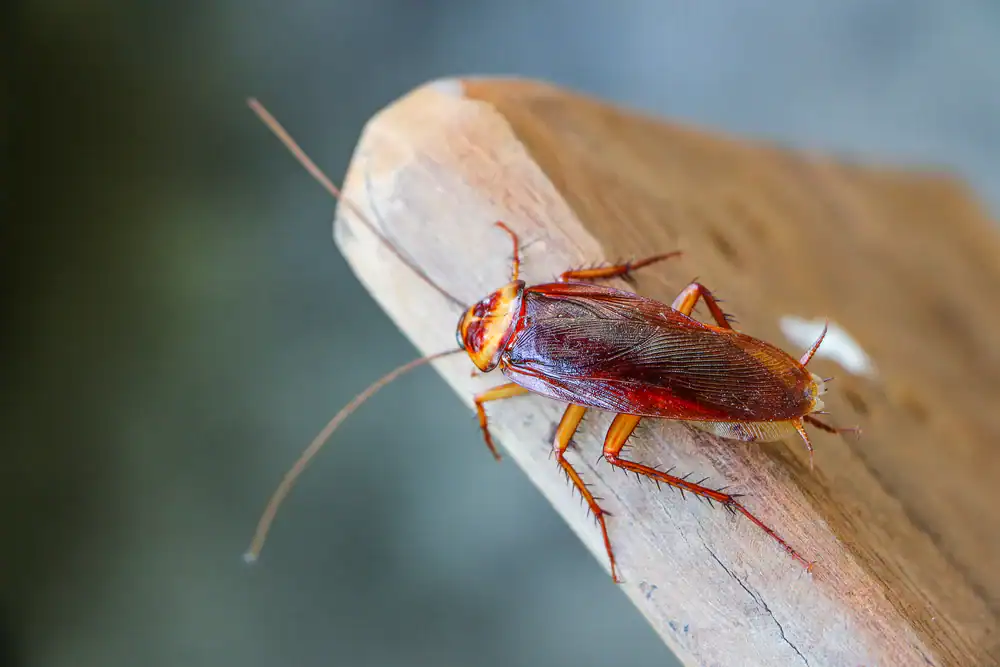
Spring Hill deals with a broader pest list than most homeowners expect when they first move here — especially if you’re coming from up north. The most common issues are German cockroaches, palmetto bugs, fire ants, ghost ants, carpenter ants, roof rats, and subterranean termites. Spiders and silverfish show up regularly too, particularly in older homes with more entry points and moisture exposure.
The reason the list is long comes down to climate and geography. Spring Hill has no hard winter to interrupt pest cycles, so populations stay active year-round. The community’s proximity to the Weeki Wachee River corridor keeps humidity elevated in the western areas, which drives cockroach and termite activity. And the dense subdivision layout — neighborhoods like Berkeley Manor, Seven Hills, and Hernando Highlands — means pests move easily between properties along fence lines, shared landscaping, and connected drainage. One neighbor’s rodent problem has a real chance of becoming yours if there’s no barrier in place.
In Florida — and in Spring Hill specifically — quarterly service is genuinely the most cost-effective way to manage pest pressure over time. A single German cockroach treatment after an established infestation costs significantly more than four quarterly prevention visits. A termite treatment on a home that’s been silently damaged for two or three years can run into the thousands. Quarterly prevention catches problems early and keeps populations from establishing in the first place.
The math is straightforward. Most quarterly plans in this area run around $250 per year. That’s less than a single emergency service call with most companies — and far less than a structural repair bill. Spring Hill’s climate means there’s no off-season where you can skip a visit and not pay for it later. The rainy season drives ants and cockroaches indoors. Fall brings rodent pressure as temperatures shift. Spring triggers termite swarms. A quarterly schedule keeps you covered through all of it without scrambling every time something shows up.
The most visible sign is a termite swarm — winged termites emerging from the soil or from inside the structure, usually in spring or early summer. If you see what looks like flying ants coming from the walls, the floor, or a window frame, that’s a swarm, and it means there’s an established colony nearby. Swarmers themselves don’t cause damage, but the colony they came from does.
Other signs include mud tubes along your foundation or inside crawl spaces — subterranean termites build these to travel between soil and wood without exposure. You might also notice soft or hollow-sounding wood, bubbling paint that looks like water damage, or doors and windows that suddenly don’t close right. In Spring Hill, subterranean termites are the primary concern because Hernando County’s sandy soil is ideal for their tunneling. Homes built in the 1970s, 1980s, and early 1990s — which make up a large portion of the housing stock here — were often constructed without the termite prevention standards that newer builds include. If your home is in that age range and hasn’t had a termite inspection recently, it’s worth scheduling one.
A WDO inspection — Wood-Destroying Organism inspection — is a standardized assessment that documents the presence or evidence of termites, wood-boring beetles, and wood-decaying fungi in a structure. In Florida, the report format is regulated by the state, and most mortgage lenders require one before closing on a home purchase. Real estate agents in Spring Hill routinely request them as part of the transaction process.
The inspection covers accessible areas of the structure — foundation, framing, attic, crawl spaces where applicable — and the inspector documents any active infestations, past damage, or conditions that make the property vulnerable. We hold the FDACS license required to perform and certify these inspections in Florida. Given that Spring Hill’s market moves quickly — over 220 homes sold per month — having a licensed local provider who can turn around a WDO report fast matters. Buyers use it to negotiate repairs or credits. Sellers use it to get ahead of issues before they become deal-breakers. Either way, it’s a required step for most financed transactions in this area.
This is one of the most common concerns we hear from Spring Hill homeowners, and it’s a legitimate one. The standard rodenticide approach — bait stations placed inside the structure — creates two real risks that most people aren’t told about upfront. First, a poisoned rodent can die inside a wall cavity, which causes odor problems and attracts secondary pests. Second, if a pet finds and eats a poisoned rodent, secondary poisoning is a genuine danger.
We use safe trapping methods for rodent control inside the home, which eliminates both of those risks. Traps are placed in targeted locations based on where rodent activity is actually occurring — not just dropped along every wall. For homes in Spring Hill’s denser subdivisions, where roof rats travel along fence lines and utility wires between neighboring properties, exterior exclusion work is also part of the conversation. That means sealing the entry points — gaps in soffits, openings around pipes, deteriorated weatherstripping — so the problem doesn’t just cycle back. The goal is to remove the animals already inside and prevent more from getting in, without putting your pets or family at risk in the process.
Yes — and both discounts exist because they reflect real situations that come up regularly in this community. Spring Hill has a meaningful veteran population, and military families often relocate on short notice, move into homes they haven’t had time to fully assess, and need a pest control provider they can trust quickly without getting taken advantage of during the transition. The military discount is a straightforward way of acknowledging that.
The new homeowner discount applies to a different but equally common situation here. Spring Hill’s population has grown by more than 70 percent since 2000, and a significant number of new residents are arriving from northern states — people who are genuinely unfamiliar with Florida’s year-round pest environment. When you’ve never dealt with subterranean termites, roof rats, or German cockroaches before, the learning curve is steep. The new homeowner discount makes it easier to get a professional assessment and start a prevention plan from day one, before a problem has time to establish. Both discounts are available — just mention it when you call.
Other Services we provide in Spring Hill