
Fast, reliable pest control from Hernando County’s most trusted family-owned team—with most quotes given over the phone.
Contact Info
Fast, reliable pest control from Hernando County’s most trusted family-owned team—with most quotes given over the phone.
Contact Info
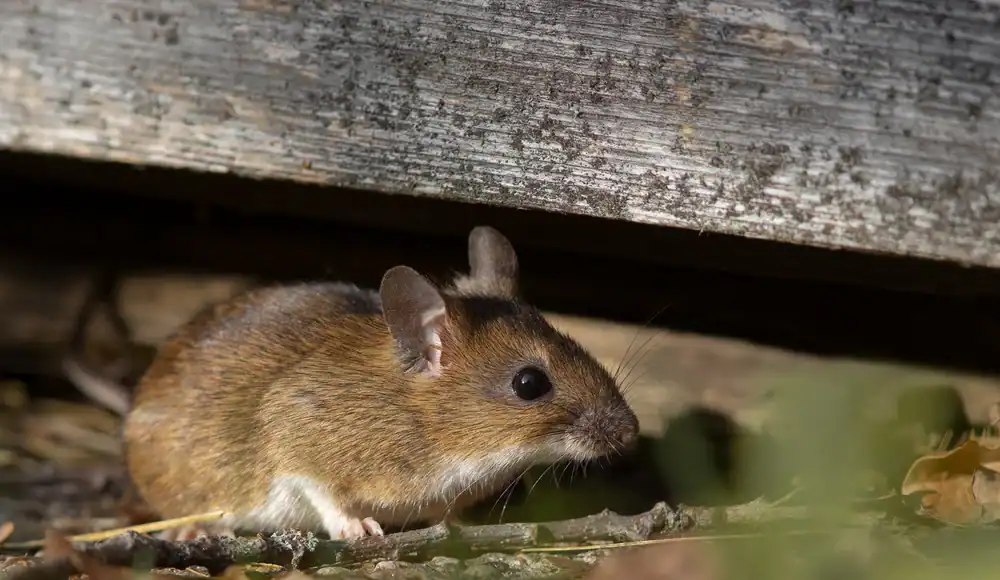

The scratching stops. The smell clears out. Your attic goes back to being a storage space instead of a colony. That’s what this looks like when it’s done right — not just a few traps thrown up there and a bill left on your door.
For homeowners in Berkeley, the conditions outside your house are working against you year-round. The mature tree canopy that makes this part of Hernando County feel like home also gives roof rats a direct runway to your roofline. They follow the branches, find a half-inch gap in a soffit or vent, and they’re in. Florida’s climate means they breed continuously — there’s no cold snap in February that resets the problem. A small situation in October becomes a full colony by spring if nothing is done.
What changes after professional rodent control isn’t just the noise. It’s the peace of mind that comes from knowing the entry points are sealed, the contaminated insulation isn’t cycling through your HVAC, and the scent trails that would guide new rodents back in have been sanitized. For older rural homes in the Berkeley area — where attics may not get regular attention and where wiring has some age on it — that completeness matters more than most people realize until something goes wrong.
Around The Clock Pest Service is a family-owned business serving Hernando County and the surrounding area. There’s no franchise structure here, no call center, and no technician showing up who doesn’t know your property. When you call, you’re talking to the owner — someone who has worked in homes throughout Hernando County, from Brooksville out to the rural interior communities like Berkeley, Powell, and Istachatta.
Most quotes are handled over the phone. You don’t have to schedule an in-home visit just to find out what something costs. That kind of transparency is rare in this industry, and it’s deliberate. We hold multiple Florida Department of Agriculture and Consumer Services licenses valid through 2027, carry a BBB A+ rating, and have over 100 five-star Google reviews from real customers in Hernando and Pasco County.
If you’re a new homeowner in Berkeley who just found evidence of a rodent problem, or a military family settling into the area, discounts are available for both. Our goal is simple: give you a straight answer, show up, and fix the problem.
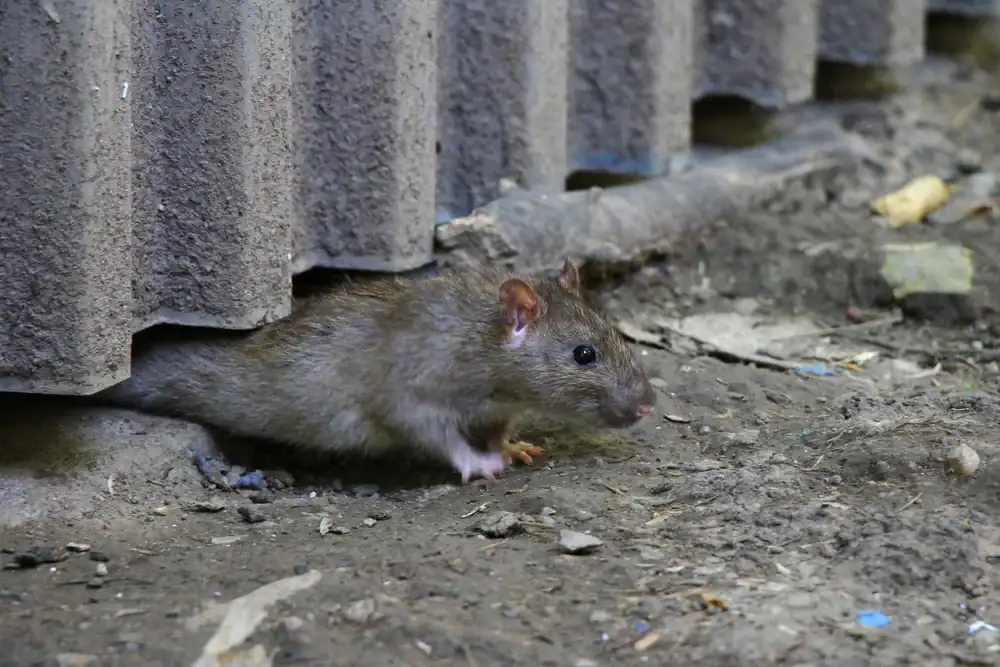
It starts with a thorough inspection. The focus isn’t just on finding where rodents are active — it’s on understanding how they got in. In Berkeley and the surrounding rural areas of Hernando County, that usually means checking the roofline, soffits, attic vents, utility line penetrations, and any areas where the structure has aged or weathered. Older homes on larger lots with significant tree cover tend to have more entry points than newer construction, and identifying all of them is what separates a lasting fix from a temporary one.
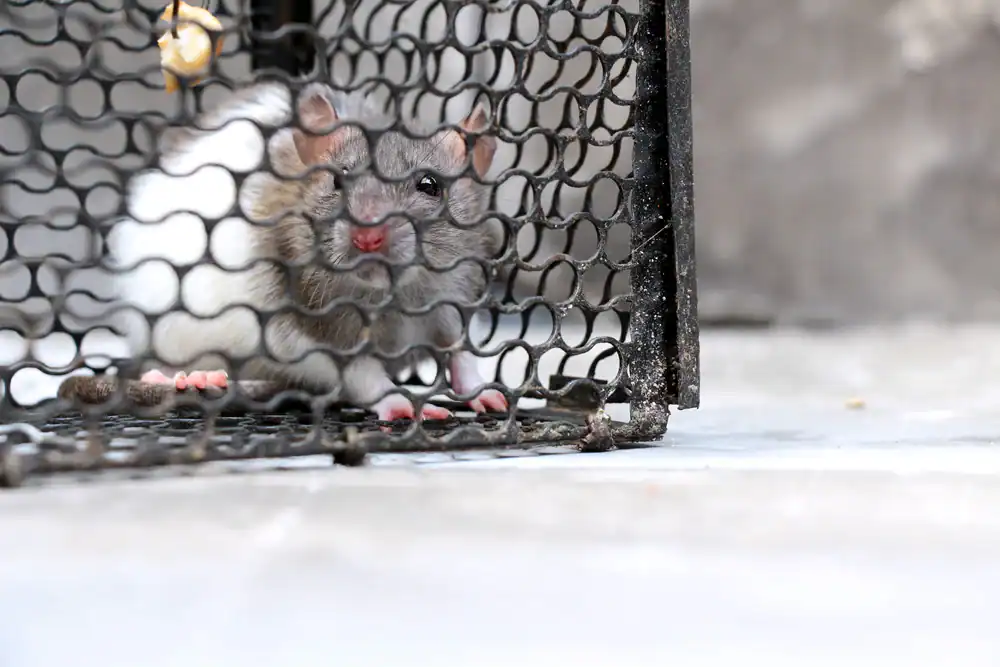
Once the inspection is complete, we place professional-grade mechanical traps in the high-activity zones — attics, crawl spaces, and wall voids where roof rats move and nest. No rodenticides are used. This matters if you have dogs, cats, or any animals on your property. There’s no risk of secondary poisoning, and no dead rodent decomposing inside a wall cavity because it ate bait and wandered off. Traps give you a clean, controlled resolution.
After the rodents are removed, the work continues. Scent trail sanitization is part of the service — not an add-on — because those chemical trails are what guide new rodents back to the same entry points. Attic decontamination addresses the contaminated insulation and waste that, in Florida’s heat, can be pulled directly through your HVAC system into your living space. Entry points are sealed. The process is complete, not partial.
Ready to get started?
Rodent control in Berkeley, FL covers more ground than most homeowners expect when they first call. Our service addresses the active infestation, the contamination it left behind, and the vulnerabilities that allowed it to happen — all in one connected process. For homes in rural interior Hernando County, that completeness is especially important because the rodent pressure from the surrounding environment doesn’t stop once a colony is removed. If the entry points aren’t sealed and the scent trails aren’t cleaned, the problem comes back.
Attic rodent decontamination is a core part of what we offer. In Florida’s summer heat — attic temperatures regularly exceed 130 degrees — rodent waste in insulation doesn’t just sit there. It activates. It gets drawn through HVAC systems that are running almost constantly in this climate. For Berkeley homes with attic-mounted air handlers, which is common in Florida residential construction, this is an indoor air quality issue, not just a structural one. Decontamination addresses that directly.
Rodent proofing — the physical sealing of entry points — is included as part of the service assessment. This covers the gaps, deteriorated vents, and soffit vulnerabilities that are common in older rural homes throughout the Berkeley area. All work is performed under Florida Department of Agriculture and Consumer Services licensing, compliant with Chapter 482 of Florida Statutes. No permits are required for standard exclusion and pest control services in unincorporated Hernando County, and we handle the process start to finish without subcontractors.
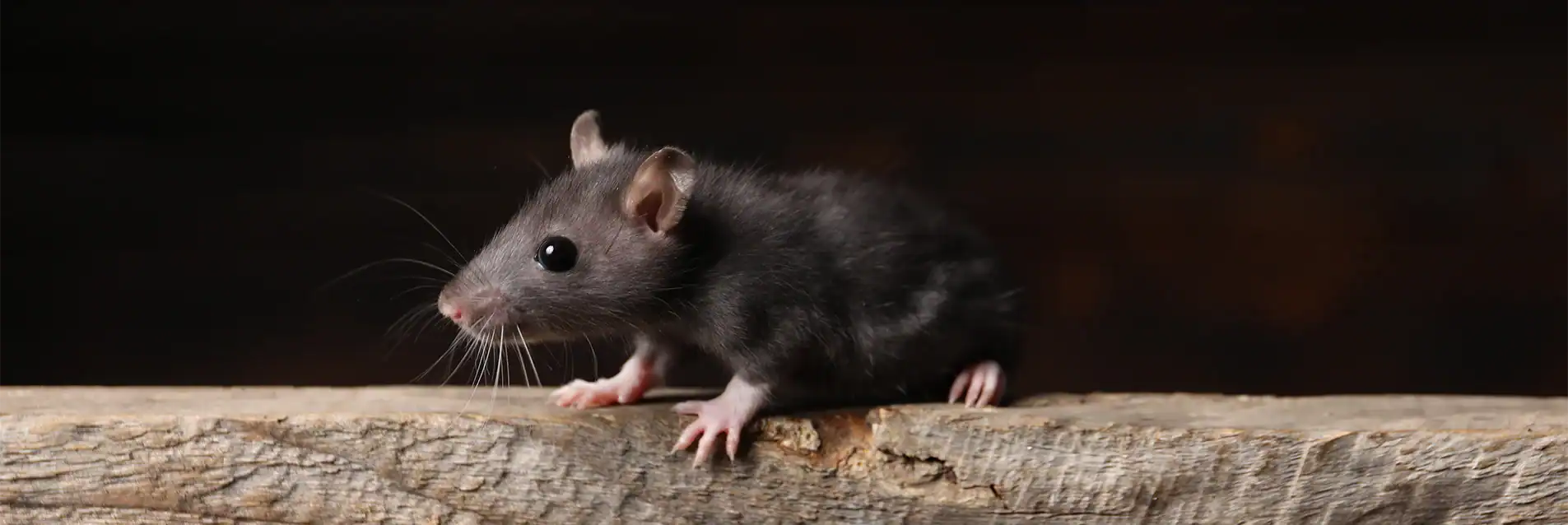
What you’re hearing is almost certainly roof rats — Rattus rattus — which are the dominant rodent pest in Florida and extremely common in rural, wooded communities like Berkeley. They’re nocturnal, which is why the noise tends to peak after dark. Roof rats are agile climbers and use the tree canopy surrounding homes in this part of Hernando County as direct access routes to your roofline. They can squeeze through a gap as small as half an inch, and they’re drawn to attic spaces for shelter, nesting, and warmth.
Here’s what’s important to understand: a single scratching sound almost never means a single animal. Roof rat family groups in Florida attics typically number anywhere from five to fifteen individuals, and in Florida’s year-round subtropical climate, they breed continuously. There’s no winter slowdown in Hernando County. A colony that moved in during fall is actively growing by the time spring arrives. If you’re hearing it now, the time to address it is now — not after the problem has compounded through another season.
This is one of the most important questions a homeowner can ask before agreeing to any rodent treatment. The short answer is no — rodenticide bait stations carry a real and documented risk of secondary poisoning. If a dog, cat, or any other animal eats a rodent that has consumed bait, that animal can be seriously harmed or killed. For rural properties in Berkeley and the surrounding Hernando County area, where pets often have more outdoor access and where livestock or free-ranging animals may be present, this risk is not theoretical. It happens.
That’s the core reason we use mechanical traps rather than rodenticides. No poison enters your home or your yard. The traps are placed in high-activity zones — attics, crawl spaces, wall voids — where they do their job without putting your animals at risk. There’s also a secondary benefit that matters just as much: a rodent that eats bait can wander into a wall cavity and die there. That creates a decomposition odor that can persist for weeks and is nearly impossible to eliminate without cutting into drywall. Traps eliminate that problem entirely.
Roof rats are climbers first. They use tree branches, utility lines, climbing vines, and any elevated surface they can reach to access your roofline. In Berkeley and the surrounding rural interior of Hernando County, mature tree canopy is everywhere — and that canopy is essentially a highway system that leads directly to your soffits, attic vents, and roof eaves. They don’t need a large opening. A gap the size of a half-inch is enough for a rat, and a gap the size of a dime is enough for a mouse.
Common entry points in older rural homes throughout this area include deteriorated soffit panels, aging roof vent screens, gaps around utility line penetrations, and fascia boards that have weathered years of Florida humidity. Rodent proofing — the physical sealing of these entry points — is part of the service, not a separate upsell. The inspection identifies every viable entry point, and the exclusion work addresses them directly. Combined with scent trail sanitization after removal, this is what prevents the same problem from recurring once the current infestation is resolved.
Most professional rodent control jobs in the Hernando County area fall somewhere in the range of $200 to $700, depending on the scope of the infestation, the number of entry points that need to be sealed, and whether attic decontamination is required. That range covers the full service — inspection, trap placement, removal, scent trail sanitization, and exclusion work — not just a one-time trap drop and pickup.
What’s worth putting in perspective is the cost of not addressing it. Roof rats chew electrical wiring constantly to keep their teeth filed down, and in an older rural home in Berkeley where the attic may not get regular attention, that damage can accumulate quietly until it becomes a fire risk. Replacing chewed wiring in an attic or wall cavity is a far more expensive conversation than rodent control. Attic insulation replacement after significant contamination runs into the thousands. The professional service is the less expensive option by a significant margin when you factor in what goes wrong if the problem is left alone. We provide most quotes over the phone, so you get a real number before anyone drives out.
Attic decontamination involves sanitizing and treating the areas where rodents were active — removing or treating contaminated insulation, eliminating the waste, nesting material, and biological residue left behind, and neutralizing the scent trails that would signal safe passage to future rodents. It’s not optional in most cases — it’s what determines whether the problem stays solved or cycles back.
In Florida’s climate, this matters more than it does in most states. Attic temperatures in Hernando County regularly exceed 130 degrees in summer. That heat activates the odors and pathogens in rodent waste and pulls them through HVAC systems that are running almost constantly in this climate. For Berkeley homes with attic-mounted air handlers — which is standard in a lot of Florida residential construction — an untreated attic after a rodent infestation is an active indoor air quality issue. The contamination doesn’t stay contained to the attic. Decontamination closes that loop, and it’s included as part of the service, not charged separately as an afterthought.
Yes — special pricing is available for new homeowners and military families. Both are worth mentioning specifically for Berkeley, because this part of Hernando County sees a steady flow of new residents drawn by the rural character, the lower cost of living compared to the Tampa metro, and the space that’s harder to find closer to the city. If you’ve recently moved into a home in the Berkeley area and discovered a rodent problem — which happens more often than people expect when a property has been sitting or when the previous owners weren’t aware of the issue — the new homeowner discount applies directly to your situation.
Hernando County also has a significant veteran population, and the military family discount reflects a straightforward commitment to the people who’ve served. Neither discount requires paperwork or a lengthy process — it comes up when you call, the owner answers, and you have a real conversation about what’s going on at your property. That’s how the whole service works here: direct, honest, and without the friction that makes most pest control companies frustrating to deal with in the first place.