
Fast, reliable pest control from Hernando County’s most trusted family-owned team—with most quotes given over the phone.
Contact Info
Fast, reliable pest control from Hernando County’s most trusted family-owned team—with most quotes given over the phone.
Contact Info
You’re not dealing with termite damage. You’re not scrambling to find contractors after discovering hollow wood in your walls. You’re not explaining to a buyer why your home has a termite history—because it doesn’t.
Your home stays structurally sound. Your property value holds. And you sleep better knowing that the most destructive pest in Florida isn’t quietly eating away at your biggest investment.
Here’s what most people don’t realize: termites can feed on your home for three to five years before you notice anything. By then, the damage is done. Prevention stops that clock before it starts. It’s not about reacting to a problem—it’s about making sure the problem never gets a foothold in the first place.
Around The Clock Pest Service is a family-owned business serving Spring Hill, FL and surrounding Hernando County communities. When you call, you’re talking directly to the owner—not a call center, not a scheduler, not someone reading a script.
George answers his phone. He gives most quotes over the phone. He shows up when he says he will, even on weekends, even at 3 AM if that’s when you need him. That’s not marketing talk—it’s how we run our business.
Spring Hill has over 98,000 residents and sits in one of Florida’s most termite-dense regions. Thirteen subterranean termite colonies per acre is the average here. That’s not a scare tactic—it’s a fact. And it’s why so many homeowners in Hernando County choose annual termite protection plans instead of waiting for an infestation to announce itself.
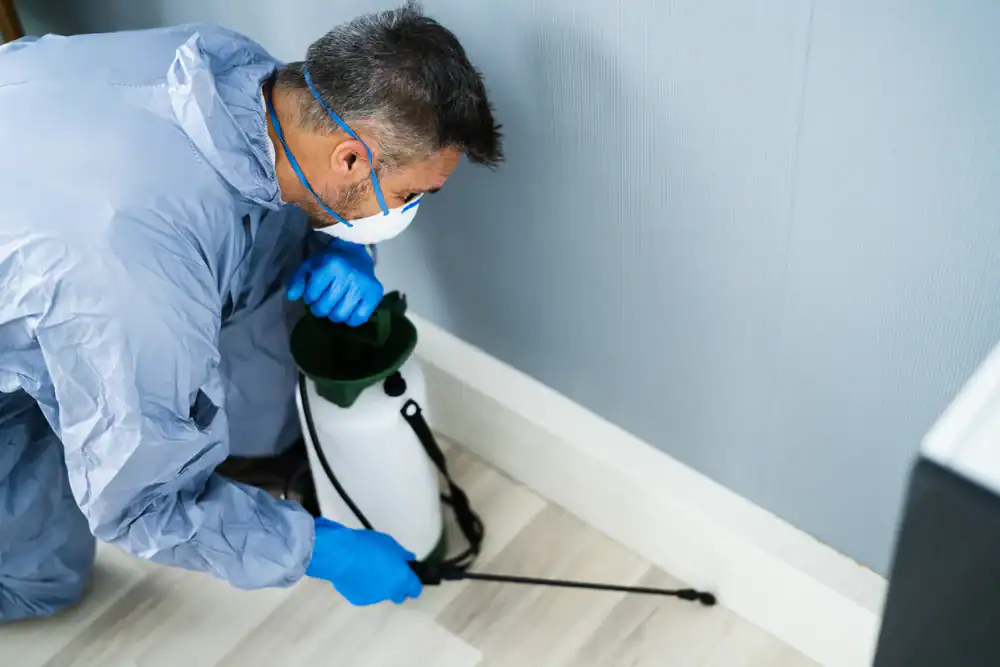
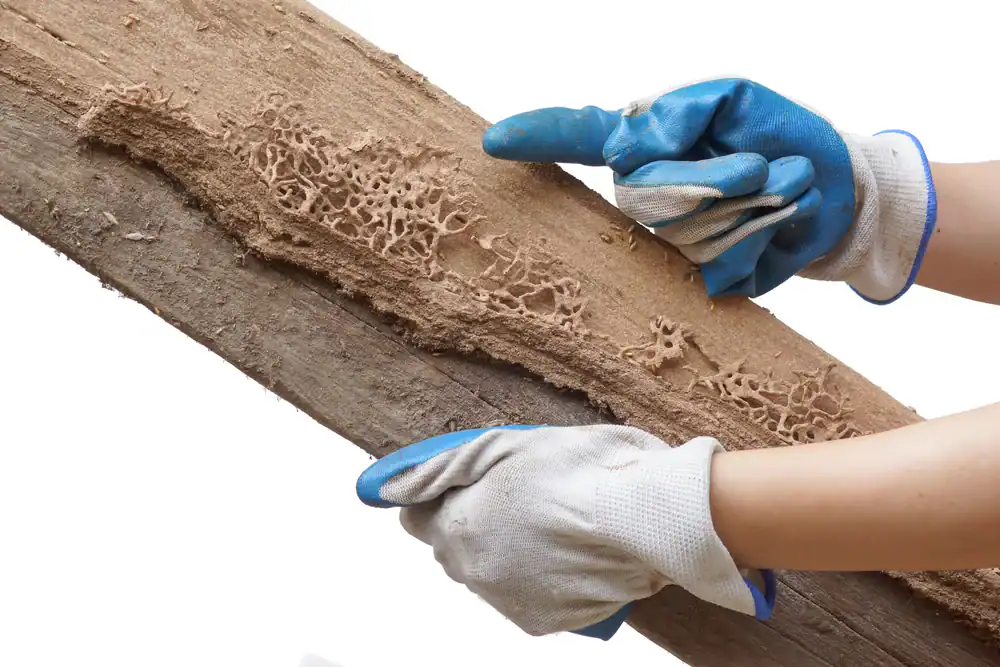
First, we inspect. That means checking your foundation, crawl spaces, attic, and any area where termites typically enter or nest. We’re looking for mud tubes, wood damage, moisture issues, and active colonies. If you’re buying or selling a home, this is also when we complete your WDO inspection for the transaction.
Next, we treat. Depending on what we find and what your property needs, that could mean liquid termiticides applied around your foundation, bait stations installed in high-risk zones, or targeted treatments for drywood termites in your attic or walls. We’re state-certified and licensed through the Florida Department of Agriculture, so you’re getting treatments that actually work under Florida conditions.
Then we monitor. Termite prevention in Spring Hill, FL isn’t a one-and-done service. Our annual termite protection plans include regular check-ins to make sure your home stays protected year-round. Florida’s warm, humid climate means termites are active every month—not just in spring. Ongoing monitoring catches new activity before it becomes expensive.

Ready to get started?
You get a full property inspection that covers subterranean, drywood, and dampwood termites—the three species most common in Spring Hill. You get treatment designed for Florida’s climate, where termites consume wood up to seven times faster than they do in cooler states. And you get a protection plan that doesn’t disappear after the first visit.
We also handle WDO inspections for real estate transactions, which are required for most home purchases, sales, and refinances in Florida. If you’re a new homeowner or part of a military family, ask about discounts—we offer both.
Spring Hill sits in Hernando County, where the combination of humidity, warmth, and older housing stock creates perfect conditions for termite activity. Homes built on slab foundations are just as vulnerable as those with crawl spaces. Termites only need a crack 1/32nd of an inch wide to get inside. Once they’re in, they work silently, and your homeowner’s insurance won’t cover the damage. That’s why prevention isn’t optional here—it’s essential.
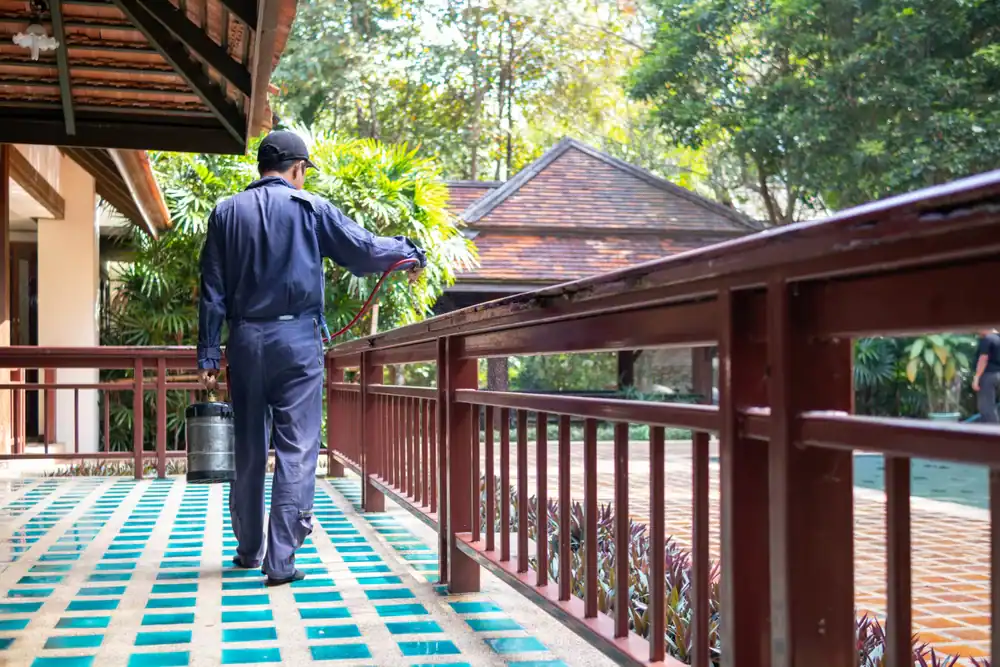
Most termite prevention services in Spring Hill, FL range depending on the size of your home, the type of treatment, and whether you’re starting fresh or maintaining an existing plan. We give most quotes over the phone, so you’ll know the cost before we ever schedule a visit.
Here’s the bigger picture: prevention is a fraction of what you’ll pay if termites get established. The average termite damage repair in Florida runs into the thousands, and insurance doesn’t cover it. An annual termite protection plan costs far less than one round of structural repairs.
If you’re a new homeowner or active military, ask about discounts when you call. We keep pricing transparent, and we don’t tack on weekend or emergency fees just because you need help outside business hours.
An inspection is when we come out to check for termite activity, damage, or conditions that make your home vulnerable. We look for mud tubes, damaged wood, moisture problems, and active colonies. If you’re buying or selling a home, this is also called a WDO inspection, and it’s usually required before closing.
Treatment is what happens if we find termites or if you want to prevent them from getting in. That could mean applying liquid termiticides around your foundation, installing bait stations, or treating specific areas like your attic for drywood termites. Treatment is active protection—inspection is assessment.
Some companies try to sell you treatment even when you don’t need it. We don’t do that. If your home is clear, we’ll tell you. If you need treatment, we’ll explain exactly what we’re doing and why. You’ll always know what you’re paying for.
In Florida, annual termite protection is the standard—and for good reason. Termites are active year-round here, not just during swarming season. Spring Hill’s warm, humid climate means colonies don’t slow down in winter like they do in other states.
An annual plan typically includes an initial treatment and follow-up inspections to monitor for new activity. Some homes need more frequent check-ins depending on age, construction type, and history. If you’ve had termites before, or if your home sits near wooded areas or has moisture issues, we may recommend quarterly monitoring.
The goal is to catch problems early. Termites can feed on your home for years before you see signs. Regular monitoring stops that timeline before it becomes a financial disaster. Most homeowners in Hernando County who’ve dealt with termite damage once don’t skip prevention again.
No. Modern termite prevention methods are designed to protect your home without tearing up your property. Liquid treatments are applied in a narrow trench around your foundation—usually just a few inches wide—and the soil is replaced immediately. Bait stations are small, discreet, and installed flush with the ground.
We’re not digging up flowerbeds or removing shrubs unless there’s active termite activity that requires it, and even then, we’ll talk to you first. Most treatments leave zero visible impact on your landscaping.
If you have specific concerns—like a new patio, garden beds near your foundation, or irrigation lines—let us know when you call. We’ll work around those areas and make sure the treatment plan fits your property without causing damage or disruption.
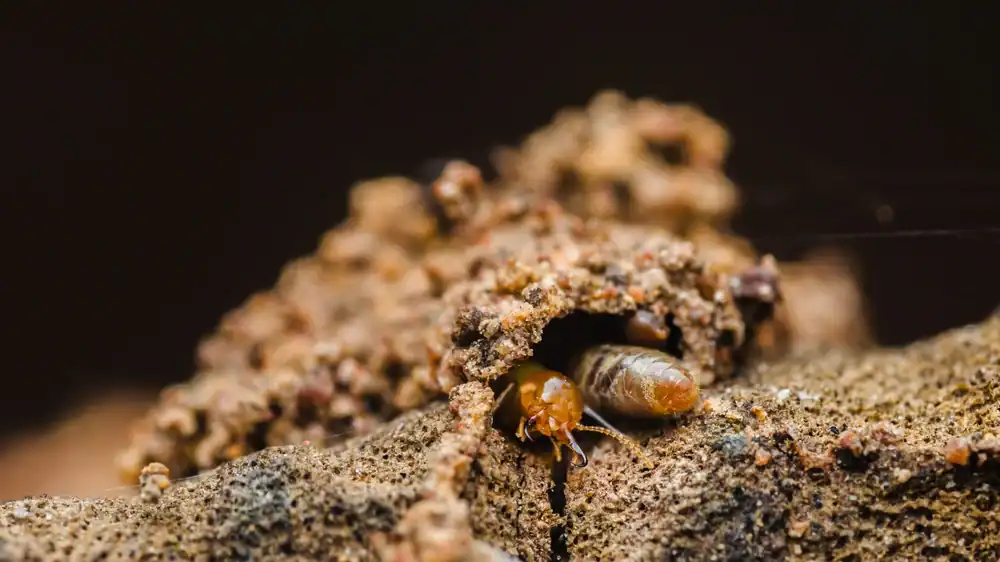
Spring Hill deals with three main species: subterranean termites, drywood termites, and dampwood termites. Subterranean termites are the most destructive and the most common. They live in the soil and build mud tubes to access wood in your home. They’re active year-round in Florida and cause the majority of structural damage.
Drywood termites infest wood directly—no soil contact needed. They’re often found in attics, window frames, and furniture. They’re harder to detect because they don’t build mud tubes, and they can cause serious damage before you notice them.
Dampwood termites are less common but show up in homes with moisture problems, leaky roofs, or poor drainage. They prefer wet, decaying wood. If you’ve got dampwood termites, you’ve also got a moisture issue that needs fixing.
Each species requires a different treatment approach, which is why a proper inspection matters. We identify what you’re dealing with and treat it correctly the first time.
You can buy DIY termite products, but they rarely work in Florida. Subterranean termites build colonies that can contain millions of insects, and they forage up to 150 feet from the nest. Spot-treating one area doesn’t stop the colony—it just moves the problem somewhere else.
Drywood termites are even trickier. They live inside the wood, so surface treatments don’t reach them. You need targeted applications or fumigation, and both require specialized equipment and state certification.
Florida’s termite pressure is too high for DIY to be effective long-term. You’re not dealing with a few ants in the kitchen—you’re dealing with pests that can compromise your home’s structure in under five years. Professional termite prevention services in Spring Hill, FL use commercial-grade products, proven methods, and ongoing monitoring that DIY kits can’t match. If your home is your biggest investment, treat it that way.
Other Services we provide in Spring Hill